
I remember the exact moment the idea took root, a quiet hum in the back of my mind that slowly grew into a persistent melody. It was during a particularly dull evening, flipping through channels, when I paused on a documentary about the making of a nature series. Seeing the intricate dance of cameras, the hushed intensity of the crew, and the sheer dedication required to capture a single, breathtaking shot, something clicked. I had always been fascinated by stories, by the way moving images could transport you, evoke emotions, and even change perspectives. But watching that documentary, I realized I wanted to be on the other side of the glass, contributing to that magic. That’s when the search began, leading me to a TV Production Course, a decision that would unravel the mysteries behind the glowing rectangle and reshape my understanding of storytelling itself.
Before the course, my perception of television production was, to put it mildly, naive. I imagined a director shouting "action!" and a camera person simply pointing and shooting. The reality, as I soon discovered, was a universe far more complex, layered, and utterly exhilarating. My first day felt like stepping into a secret society. The studio, a vast space with towering lights and coiled cables, hummed with a quiet potential. The equipment, a daunting array of cameras, microphones, and control panels, seemed to whisper secrets only the initiated could understand. Our instructor, a seasoned veteran with a twinkle in his eye and a lifetime of stories etched onto his face, started not with technical jargon, but with the essence of it all: the story. He emphasized that every flicker on the screen, every sound bite, every carefully chosen shot, must serve the narrative. This foundational principle, simple yet profound, became our guiding star.
The journey began with pre-production, a phase I initially underestimated. I thought it was just about writing a script. Oh, how wrong I was! We learned about the meticulous art of concept development, transforming a raw idea into a coherent vision. Then came scriptwriting, not just dialogue, but scene descriptions, camera directions, and the rhythmic flow that dictates the visual storytelling. Storyboarding became an art form, translating written words into visual panels, like a comic book of our future production. Budgeting, often seen as the dry, necessary evil, revealed itself as a creative constraint, forcing us to innovate and prioritize. Scheduling, the intricate dance of people, places, and equipment, taught me the true meaning of logistics. I quickly understood that a well-planned pre-production phase was the bedrock upon which any successful television project stood, saving countless hours and headaches down the line. It was here, in the planning, that I first felt the collaborative spirit of the industry, as we brainstormed, debated, and refined our ideas as a nascent team.
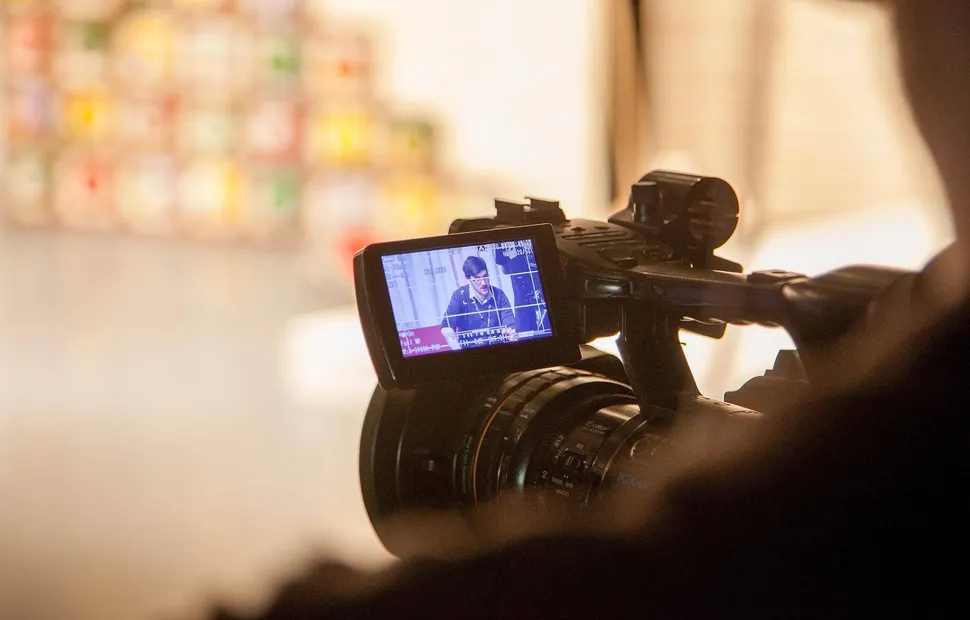
Then came the moment I had been eagerly anticipating: the hands-on experience. Stepping into the shoes of a camera operator was both thrilling and humbling. I’d used a smartphone camera countless times, but holding a professional broadcast camera, feeling its weight and complexity, was an entirely different beast. We started with the basics: understanding lenses, aperture, shutter speed, and ISO – the holy trinity of exposure. Our instructor taught us about different shot types: the wide shot to establish context, the medium shot for interaction, and the close-up to reveal emotion. We practiced camera movements – pans, tilts, dollies, and tracks – learning how each movement could enhance the narrative, guiding the viewer’s eye. Composition, the art of arranging elements within the frame, became a crucial lesson. The rule of thirds, leading lines, and negative space were no longer abstract concepts but tools to craft visually compelling images. My initial attempts were shaky, unfocused, and often missed the mark, but with each practice shoot, the camera felt more like an extension of my own eye, slowly obeying my creative will.
Next, we delved into the often-underappreciated hero of production: sound. Before the course, I barely noticed sound unless it was bad. Now, I understood its power. A perfectly composed shot could be ruined by poor audio. We learned about different types of microphones – the discreet lavalier, the directional boom mic, the versatile shotgun mic – and when to use each. We wrestled with audio mixers, understanding gain levels, equalization, and the importance of monitoring sound through headphones to catch even the slightest hiss or hum. Our instructor shared countless anecdotes of productions saved or ruined by sound, cementing its paramount importance. It was a revelation to learn how ambient sound could create atmosphere, how a perfectly timed sound effect could heighten drama, and how crystal-clear dialogue was non-negotiable. Suddenly, I started listening to the world around me with a producer’s ear, distinguishing layers of sound I had never noticed before.
Lighting, I discovered, was not just about making things visible; it was about shaping mood, directing attention, and telling a story through shadows and highlights. We learned the fundamental three-point lighting setup – key light, fill light, and back light – and how manipulating each could transform a scene. We experimented with different light sources, gels to change color temperature, and flags to create shadows. It was like painting with light, transforming an ordinary set into something dramatic or intimate. I remember one exercise where we had to light a simple interview setup, and my initial attempts made our subject look either like a ghost or a villain. With patient guidance, I slowly grasped the nuances, understanding how light could sculpt a face, create depth, and evoke specific emotions without a single word being spoken. The studio, with its grid of lights, became our canvas.
Then came the exhilarating, terrifying role of the director. This was where the entire vision came together. The director, we learned, is the storyteller-in-chief, responsible for guiding the actors, blocking their movements, and ensuring that every shot contributes to the overall narrative. It was an exercise in communication, leadership, and rapid decision-making. I remember my first time directing a short scene. My heart pounded as I called "Action!" and then, moments later, "Cut!" My instructions were clumsy, my timing off, but there was an undeniable thrill in seeing my vision, however flawed, begin to manifest. It taught me the importance of clear communication, the ability to inspire confidence in your team, and the courage to make tough choices on the fly. It also showed me that directing isn’t about barking orders; it’s about fostering a collaborative environment where everyone feels invested in the shared goal.
Producing, on the other hand, was the ultimate juggling act. The producer is the logistical wizard, the problem-solver, the one who keeps the entire ship afloat. Budgeting, scheduling, hiring crew, securing locations, navigating permits – it all fell under the producer’s watchful eye. It was less glamorous than directing or shooting, but absolutely critical. I learned that a good producer anticipates problems before they arise, manages resources efficiently, and is the glue that holds the entire production together. This role taught me immense organizational skills and the value of meticulous planning, proving that even the most creative endeavors require a solid practical foundation.
Finally, we reached post-production, the magical phase where all the disparate elements converged into a cohesive whole. Video editing was a revelation. Sitting in front of the editing suite, staring at hours of raw footage, felt like being given a giant puzzle with no picture on the box. We learned to navigate editing software like Adobe Premiere Pro, understanding timelines, transitions, and the rhythm of cutting. The editor, our instructor explained, is the final storyteller, shaping the narrative, building suspense, and evoking emotions through pacing and sequence. We practiced continuity editing, ensuring smooth transitions between shots, and experimented with jump cuts and montage to create different effects. Sound design in post-production added another layer, layering music, sound effects, and dialogue to create an immersive auditory experience. Color grading, the final polish, transformed raw footage into visually stunning images, setting the mood and enhancing the overall aesthetic. It was here, seeing a rough cut slowly transform into a polished story, that I truly understood the transformative power of television production. The magic wasn’t just in front of the camera; it was also meticulously crafted in the quiet intensity of the editing room.
Throughout the course, challenges were plentiful. There were moments of frustration when a piece of equipment refused to cooperate, when an interview subject froze on camera, or when our meticulously planned schedule dissolved into chaos due to unforeseen circumstances. I made countless mistakes – forgetting to charge a battery, misplacing a crucial prop, accidentally deleting a shot. But each misstep became a valuable lesson. Our instructor encouraged us to embrace failure as a learning opportunity, reminding us that every professional started somewhere. The collaborative nature of the course also presented its own set of challenges and triumphs. Learning to communicate effectively within a team, to compromise, to delegate, and to support each other became as important as mastering any technical skill. We celebrated small victories together, like nailing a difficult shot or solving a complex editing problem, forging bonds that went beyond the classroom.
One of the most profound takeaways from the TV Production Course was the realization that television is fundamentally a collaborative art form. No single person creates a show; it’s the culmination of countless individual talents working in synergy. From the writer who crafts the words to the gaffer who positions the lights, from the sound engineer who captures every whisper to the editor who weaves it all together, every role is indispensable. It’s a symphony of skills, each instrument playing its part to create a harmonious whole. This understanding shifted my perspective from a singular pursuit to an appreciation for teamwork and shared vision.
Beyond the technical skills, the course also opened my eyes to the vast landscape of opportunities within the media industry. We discussed different career paths – from working in broadcast news to documentary filmmaking, commercial production, corporate video, and even new media platforms. We learned about building a portfolio, networking, and the importance of continuous learning in an ever-evolving field. It wasn’t just about learning how to make TV; it was about understanding the industry, its demands, and how to navigate its currents.
Looking back, my journey through the TV Production Course was far more than just acquiring a set of technical skills. It was a transformative experience that peeled back the layers of a seemingly familiar medium, revealing the intricate artistry and dedicated craftsmanship that lies beneath. It taught me patience, problem-solving, and the power of collaboration. It ignited a deeper passion for storytelling and equipped me with the tools to translate ideas into compelling visual narratives. From a wide-eyed beginner who thought TV just "happened," I emerged with a profound respect for every frame, every sound, and every dedicated individual who contributes to bringing stories to life on screen. If you’re someone who feels that same quiet hum of curiosity, that pull towards the magic behind the screen, I can tell you from experience: diving into a TV Production Course might just be the most illuminating journey you ever embark upon. It’s where the screen truly comes alive, not just for the viewer, but for the one creating the vision.
/prod01/channel_8/media/marketing-media/student-work/undergrad-courses/television-production-maidstone-tv-studio/2018/BA-(Hons)-Television-Production,-Maidstone-Studios-3.jpg "Unveiling the Magic Behind the Screen: My Journey Through a TV Production Course")