
I remember a time, not so long ago, when the idea of a "Media Studies Course" sounded like a glorified excuse to watch movies and scroll through social media. My younger self, perhaps a touch naive, pictured endless discussions about popular culture without much depth. Oh, how wrong I was. Little did I know, signing up for that course would be like stepping through a looking glass, revealing an entire universe hidden in plain sight, a universe that constantly shapes our perceptions, beliefs, and even our very understanding of reality. It wasn’t just a subject; it was an awakening.
When I first walked into that introductory lecture, I expected to hear about film genres or the latest viral trends. Instead, the professor began by asking us a simple question: "What is media?" A hush fell over the room. Some mumbled "TV," others "internet," a few brave souls ventured "newspapers." But then, she smiled and said, "It’s everything. It’s the stories we tell ourselves, the ways we communicate, the very fabric of our shared existence." That was the moment I realized this wasn’t going to be a walk in the park; it was going to be a deep dive into the human condition itself.
The early weeks of the Media Studies Course felt like learning a new language. We were introduced to concepts like semiotics, the study of signs and symbols. Suddenly, every image, every word, every sound wasn’t just what it appeared to be; it was loaded with meaning, intent, and cultural baggage. A simple red rose wasn’t just a flower; it was love, passion, sacrifice, or even a political statement, depending on its context. I started seeing the world as a vast tapestry of signs, each thread woven with purpose. It was exhilarating, like gaining x-ray vision for culture. My casual viewing of advertisements, movies, and even news reports transformed. I wasn’t just consuming anymore; I was decoding.
Then came the history lessons, and I truly understood the power of media’s evolution. We traveled from the Gutenberg press, which democratized knowledge and sparked revolutions, through the advent of radio, which brought voices into homes, uniting nations or spreading propaganda. We delved into the golden age of cinema, where stories flickered on silver screens, shaping dreams and reflecting societal anxieties. And then television, a magic box that brought the world into our living rooms, for better or worse. Each innovation wasn’t just a technological leap; it was a profound shift in how humans interacted, learned, and governed themselves. It made me appreciate how profoundly these tools, which we often take for granted, have sculpted our modern world.
But it wasn’t all theory and history. The course had a wonderfully practical side that truly brought everything to life. We had modules dedicated to media production. I remember the first time I held a professional camera, feeling its weight and complexity. Learning about shot composition, lighting, and sound design wasn’t just about technical skills; it was about understanding how visual and auditory elements manipulate emotion and convey narrative. We made short films, audio documentaries, and even designed simple websites. There was a project where we had to create a public service announcement. My team chose to highlight the importance of local community gardens. The process, from scripting to shooting to editing, was messy, challenging, and incredibly rewarding. It taught me that creating media is a delicate dance between artistic vision and technical execution, and that every decision, no matter how small, affects the final message. It also gave me immense respect for the people who create the content we consume daily.
One of the most eye-opening areas was audience studies. Before, I just assumed everyone saw things the way I did. This module shattered that illusion. We explored how different demographics interpret the same media message in wildly diverse ways, influenced by their culture, age, gender, and personal experiences. We discussed active versus passive audiences, the idea that viewers aren’t just empty vessels soaking up information but active participants who interpret, resist, and even reshape meanings. It made me think about empathy in a whole new light. If you want to communicate effectively, you first have to understand who you’re talking to and what baggage they might bring to the conversation. This understanding is crucial, not just for media professionals, but for anyone navigating human interactions.
Then came the darker, more challenging aspects: media ethics and law. This wasn’t always comfortable. We grappled with questions of censorship, journalistic integrity, privacy in the digital age, and the terrifying spread of misinformation. Discussions around fake news and its impact on democracy felt incredibly urgent and relevant. We examined real-world cases, dissecting the choices made by journalists, filmmakers, and social media companies. It hammered home the immense responsibility that comes with creating and disseminating information. It’s not just about telling a story; it’s about understanding the potential consequences of that story, both intended and unintended. It taught me the importance of critical thinking and verifying sources, skills that are invaluable in today’s information-saturated world.
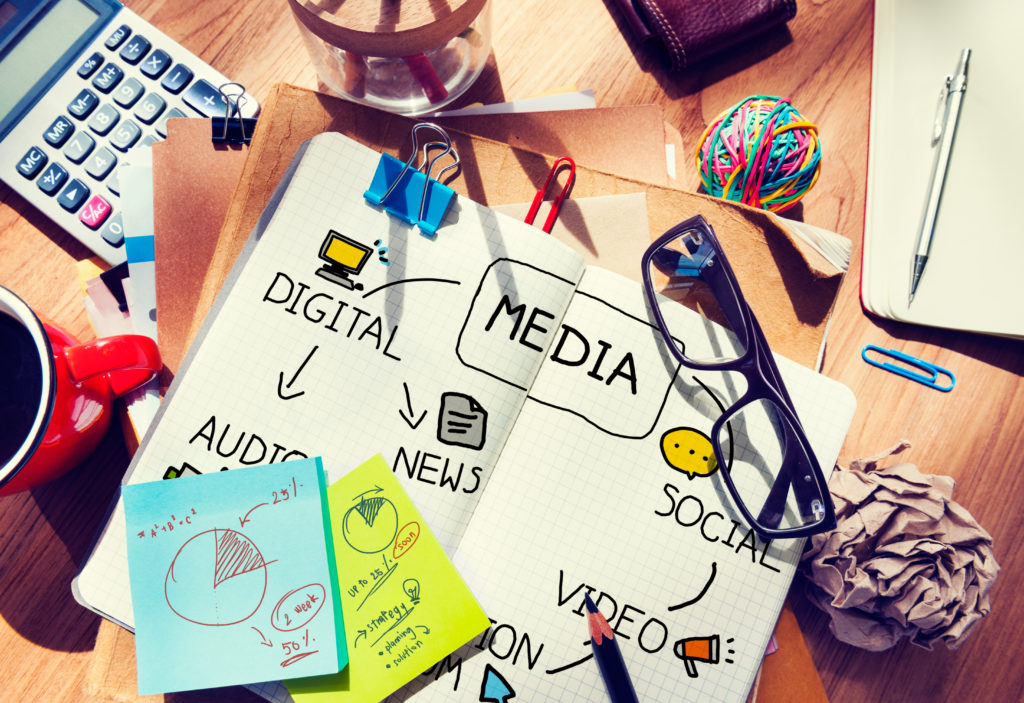
As the course progressed, the digital age took center stage. We explored the rise of the internet, social media platforms, and the fascinating, sometimes frightening, world of algorithms. Understanding how these algorithms shape our online experience, curating our feeds and even influencing our purchasing decisions, was a revelation. We talked about influencer culture, digital marketing, and the blurring lines between personal life and public persona. It was like looking at a mirror reflecting our current society, with all its dazzling possibilities and profound challenges. We discussed the gig economy of content creation, the pressures of maintaining an online presence, and the sheer volume of information vying for our attention every second. It made me realize that media studies isn’t a static field; it’s constantly evolving, demanding continuous learning and adaptation.
Beyond the specific topics, what truly changed me was the way I learned to think. The Media Studies Course wasn’t about memorizing facts; it was about developing a critical lens through which to view the world. I learned to question everything: Who created this message? Why? For whom? What are they trying to achieve? What’s left out? This critical thinking spilled over into every aspect of my life. I became a more discerning consumer of news, a more thoughtful participant in online discussions, and even a more insightful observer of everyday interactions. It felt like my brain had been rewired, gaining the ability to see beneath the surface of things.
The skills I gained were far broader than I ever imagined. Of course, there were the practical ones like video editing, audio production, and basic graphic design. But more importantly, I honed my research abilities, learning how to find reliable information and synthesize complex ideas. My communication skills improved dramatically, both in writing persuasive essays and delivering engaging presentations. I learned to work collaboratively on projects, navigating group dynamics and sharing responsibilities. Perhaps most importantly, I developed a strong sense of media literacy, which I now believe is as crucial as traditional literacy in the 21st century. It’s the ability to access, analyze, evaluate, and create media in a variety of forms.
Looking back, the Media Studies Course felt less like a series of lectures and more like an extended conversation about what it means to be human in an increasingly mediated world. It connected dots I never knew existed, linking ancient storytelling traditions with modern TikTok trends, political rhetoric with advertising jingles. It showed me that media isn’t just entertainment; it’s a powerful force that shapes our realities, reflects our cultures, and drives our societies forward.
So, who should consider a course like this? I’d say anyone who’s curious about the world around them. If you find yourself asking "why?" when you see a news headline, or wondering how a movie makes you feel a certain way, or questioning the pervasive influence of social media, then this course might just be for you. It’s for the aspiring journalist who wants to understand ethical reporting, the future filmmaker who wants to tell impactful stories, the marketer who wants to connect with audiences, the educator who wants to guide students through the digital landscape, or simply anyone who wants to be a more informed and engaged citizen.
The career paths that open up after studying media are incredibly diverse. Many of my classmates went into journalism, public relations, and marketing. Others pursued roles in film and television production, content creation for digital platforms, or social media management. Some ventured into research, policy-making, or education, using their critical understanding of media to contribute to societal good. The skills learned are highly transferable, valued in almost any field that involves communication, analysis, or understanding human behavior.
My journey through the Media Studies Course was an unexpected adventure. It transformed my perception of the world, equipping me with a powerful set of analytical tools and practical skills. It wasn’t just about understanding media; it was about understanding people, power, and the complex narratives that define our shared existence. It taught me that every story has a storyteller, every image has an agenda, and every piece of information demands our critical engagement. If you’re looking for a subject that will challenge your assumptions, broaden your horizons, and prepare you for a world constantly shaped by communication, then perhaps, like me, you’ll find your own unexpected awakening in the fascinating world of media studies. It’s a course that doesn’t just teach you about the world; it teaches you how to truly see it.