
I remember standing at the edge of a vast, exciting ocean, a tiny boat in my hand, desperate to set sail but utterly clueless about navigation. That ocean was the world of entrepreneurship, and my tiny boat was an idea – an idea I truly believed in, but one that felt impossibly distant from reality. I had no business background, no network of high-flying investors, just a burning passion and a head full of questions. How do you even begin? Where do you find customers? What’s a business plan, really? The sheer scale of it all was overwhelming, like trying to build a skyscraper with just a hammer and a dream.
Then, a friend, noticing my perpetual state of thoughtful anxiety, gently nudged me towards something called a "startup course." My initial reaction was a mix of skepticism and curiosity. Another online program? Would it just be a bunch of lectures telling me things I could Google? But something about the way she spoke – about practical steps, real mentors, and a community of like-minded dreamers – piqued my interest. I was at a crossroads; either I let my idea wither, or I took a leap of faith. I chose the leap.
Signing up felt like buying a ticket to an unknown destination. I wasn’t sure what to pack, or what I’d find when I got there. But from the very first session, I knew this wasn’t just another series of webinars. It was an immersion, a hands-on workshop for the soul of an aspiring entrepreneur. The instructors weren’t just academics; they were battle-scarred founders who spoke from experience, their voices carrying the weight of past triumphs and lessons learned the hard way. They didn’t just teach; they shared their journeys, making the impossible seem, well, possible.
The first major hurdle the course helped me clear was validating my idea. Before this, my idea was a beautiful, delicate thing I cradled, afraid to expose it to the harsh light of reality. I thought if I just built it, people would come. The course quickly disabused me of that notion. "Your idea isn’t good until someone else says it solves their problem," one mentor declared. It was a tough pill to swallow, but liberating. We learned how to identify a real problem, not just a perceived one, and then how to interview potential customers without pitching them our solution. This was eye-opening. I started talking to people, asking open-ended questions, listening intently to their frustrations. It wasn’t about selling; it was about understanding. This phase taught me humility and the invaluable skill of active listening, transforming my idea from a personal fantasy into a potential solution for others.
Next came the concept of a business model. Before the course, my "business model" was "make something, sell it." Simple, right? Wrong. The course introduced me to the Business Model Canvas, a single-page blueprint that maps out key partners, activities, resources, value propositions, customer relationships, channels, customer segments, cost structure, and revenue streams. It felt like learning a new language, but suddenly, my jumbled thoughts started to organize themselves. I could see how different parts of my business would interact, where the money would come from, and who I was truly serving. It was like getting a proper map for my ocean voyage, complete with currents and landmarks.
One of the most powerful lessons was about the Minimum Viable Product, or MVP. My perfectionist tendencies wanted me to build the most feature-rich, polished product right out of the gate. "Don’t build a cathedral when you need a shed," a mentor quipped. The MVP concept taught me to strip down my idea to its absolute core, to build the smallest possible version that delivers value and can be tested with real users. This saved me countless hours and potential heartbreak. Instead of spending months developing something nobody wanted, I learned to launch quickly, gather feedback, and iterate. It’s a continuous loop of "build, measure, learn," and it became my mantra. My first MVP was clunky, barely functional, but it worked. And more importantly, people used it and told me what they truly needed.
Marketing and customer acquisition were another vast unknown. I thought advertising was just about shouting loudest. The course showed me the strategic side: understanding my target audience, crafting compelling messages, and choosing the right channels. We delved into digital marketing basics – SEO, social media, email campaigns – not as an exhaustive deep dive, but enough to give me a foundational understanding and the confidence to explore further. I learned that marketing isn’t just about selling; it’s about communicating value and building relationships. It was about telling my story in a way that resonated with the people I wanted to help.
Then came the scary part: money. Funding. I envisioned myself standing before a panel of stern-faced investors, stammering through a pitch. The course demystified it. We learned about bootstrapping (starting with your own funds), angel investors, venture capitalists, and even grants. More importantly, we learned how to calculate our startup costs, project revenue, and build a financial model that wasn’t just hopeful but realistic. It taught me the language of finance, enough to understand what investors look for and how to present my numbers with confidence, even if I wasn’t seeking external funding just yet. It was about understanding the financial heartbeat of my venture.
Beyond the technical skills, the course fostered something equally crucial: mindset. Entrepreneurship is a rollercoaster, filled with exhilarating highs and soul-crushing lows. We talked about resilience, learning from failure, and celebrating small wins. The mentors shared stories of their own setbacks, normalizing the struggle and emphasizing that failure isn’t the end, but a stepping stone. This emotional support, combined with practical tools for managing stress and staying motivated, was invaluable. It wasn’t just about building a business; it was about building a stronger, more adaptable me.
One of the unexpected treasures of the startup course was the community. I was surrounded by individuals from all walks of life – a former teacher with an educational tech idea, a chef wanting to revolutionize food delivery, an artist hoping to create a platform for creators. We shared our struggles, celebrated each other’s breakthroughs, and offered advice born from our unique perspectives. This network became my first sounding board, my cheerleading squad, and a source of diverse ideas I wouldn’t have encountered otherwise. These connections weren’t just for the duration of the course; many of us still keep in touch, a testament to the strong bonds formed in the shared pursuit of a dream.
The practical application was constant. Every module had exercises that pushed us to apply what we learned directly to our own ideas. We conducted market research, built basic wireframes for our products, drafted pitch decks, and even practiced pitching in front of our peers. This wasn’t theoretical learning; it was experiential. It was like learning to swim by actually getting into the water, rather than just reading about it. The feedback from mentors and peers was direct, constructive, and often challenging, pushing me to refine my thinking and strengthen my approach.
We also touched upon the legal side of things – intellectual property, forming a company, basic contracts. It wasn’t meant to make us lawyers, but to make us aware of the crucial legal considerations from the outset. Knowing when to consult a legal professional, and what questions to ask, saved me from potential pitfalls down the road. It was about being smart and proactive, rather than reactive.
By the end of the course, my tiny boat had transformed. It wasn’t a grand cruise ship, but it was sturdy, had a compass, a basic engine, and a crew of supportive fellow travelers. I had a clear understanding of my destination, a map to get there, and the skills to navigate the inevitable storms. My idea was no longer a fragile dream; it was a validated concept, backed by a developing business model and a clear path to an MVP. I felt equipped, not just with knowledge, but with a newfound confidence that I could actually do this.
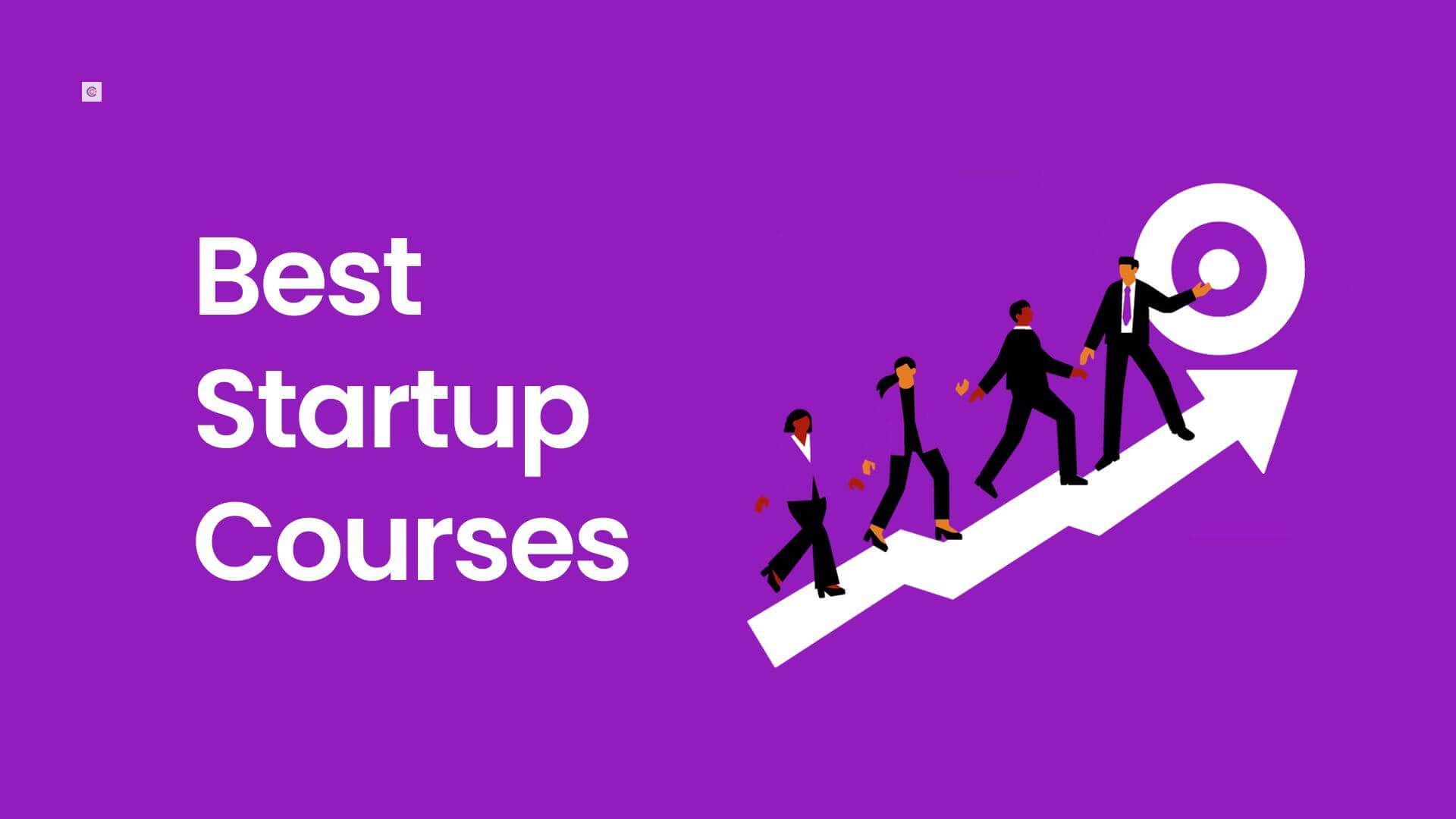
For anyone standing where I once stood, with a brilliant idea and a head full of uncertainty, a well-structured startup course is more than just an educational program; it’s a launchpad. It provides the framework, the tools, the mentorship, and the community needed to transform abstract ideas into tangible ventures. It strips away the fear of the unknown by breaking down the monumental task of starting a business into manageable, understandable steps. It gives you permission to make mistakes in a safe environment and learn from them quickly.
When you’re considering a startup course, look for a few key things. Seek out programs with mentors who have real-world experience, not just academic credentials. Look for a curriculum that emphasizes hands-on application and practical exercises, not just lectures. A strong community component is also vital; the connections you make with fellow entrepreneurs can be as valuable as the lessons themselves. And most importantly, choose a course that encourages critical thinking and a growth mindset, one that teaches you how to learn and adapt, because the entrepreneurial journey is a marathon, not a sprint, and the landscape is always changing.
My startup course didn’t guarantee success, but it gave me something far more valuable: the foundation, the resilience, and the belief that I could build something meaningful. It was the bridge between my passion and the practical steps needed to bring it to life. It transformed me from an aspiring dreamer into an active builder, ready to set sail on that vast ocean, not just with a boat, but with a compass and a clear sense of direction. And that, I believe, is the true power of a good startup course. It doesn’t just teach you how to start a business; it teaches you how to become an entrepreneur.