
I remember a time not so long ago when the world of data felt like a vast, uncharted ocean. Everyone around me seemed to be talking about "big data," "AI," "machine learning," and "analytics," and honestly, it felt like they were speaking a different language. I’d nod along, pretending to understand, but inside, a tiny knot of anxiety would tighten. Was I falling behind? Was this the future, and I was stuck in the past? My own professional path, while fulfilling in its own way, felt increasingly disconnected from this booming digital frontier. I saw friends and colleagues making exciting career shifts, landing roles that sounded incredibly impactful, all centered around understanding information. It was clear: data wasn’t just a buzzword; it was the new literacy, and I felt illiterate. That gnawing feeling, a blend of curiosity and mild panic, eventually pushed me to a pivotal decision: I had to learn. I had to dive in.
The first step, as with any major life decision, was research. I spent weeks poring over articles, watching introductory videos, and sifting through countless reviews. I typed "data course for beginners" and "best online data courses" into search engines more times than I could count. The options were overwhelming: intensive bootcamps, self-paced online platforms, university certificates, specialized courses focusing on just one tool or concept. I wrestled with the idea of a full-time career change versus simply adding a valuable skill set to my existing work. What did I even want to become? A data analyst? A data scientist? A data engineer? The titles themselves felt like an enigma.
Ultimately, I leaned towards a comprehensive, yet flexible, online data course that promised to build foundational skills without demanding I quit my job. It was a commitment, both in terms of time and money, but the curriculum seemed robust, covering everything from basic spreadsheets to more complex programming and visualization. The reviews spoke of supportive instructors and a vibrant learning community, which was a huge draw for someone like me, who thrives on interaction and guidance. I remember the flutter in my stomach when I finally hit ‘enroll.’ It felt like stepping onto the gangplank of a grand, unknown ship.
The initial days of the course were a mix of exhilaration and pure bewilderment. We started with the very basics: what is data? It sounds simple, but truly understanding the difference between structured and unstructured data, how it’s collected, and its immense potential was eye-opening. We talked about numbers, text, images, and sounds, all as forms of data waiting to tell a story. My first real dive was into spreadsheet software, something I thought I knew well. Oh, how wrong I was! Beyond basic formulas, I discovered the magic of pivot tables, advanced functions, and the often-tedious, but crucial, art of data cleaning. It was like learning to meticulously polish each tiny component before assembling a grand machine. This initial phase, often overlooked, taught me the discipline required to handle information with care.
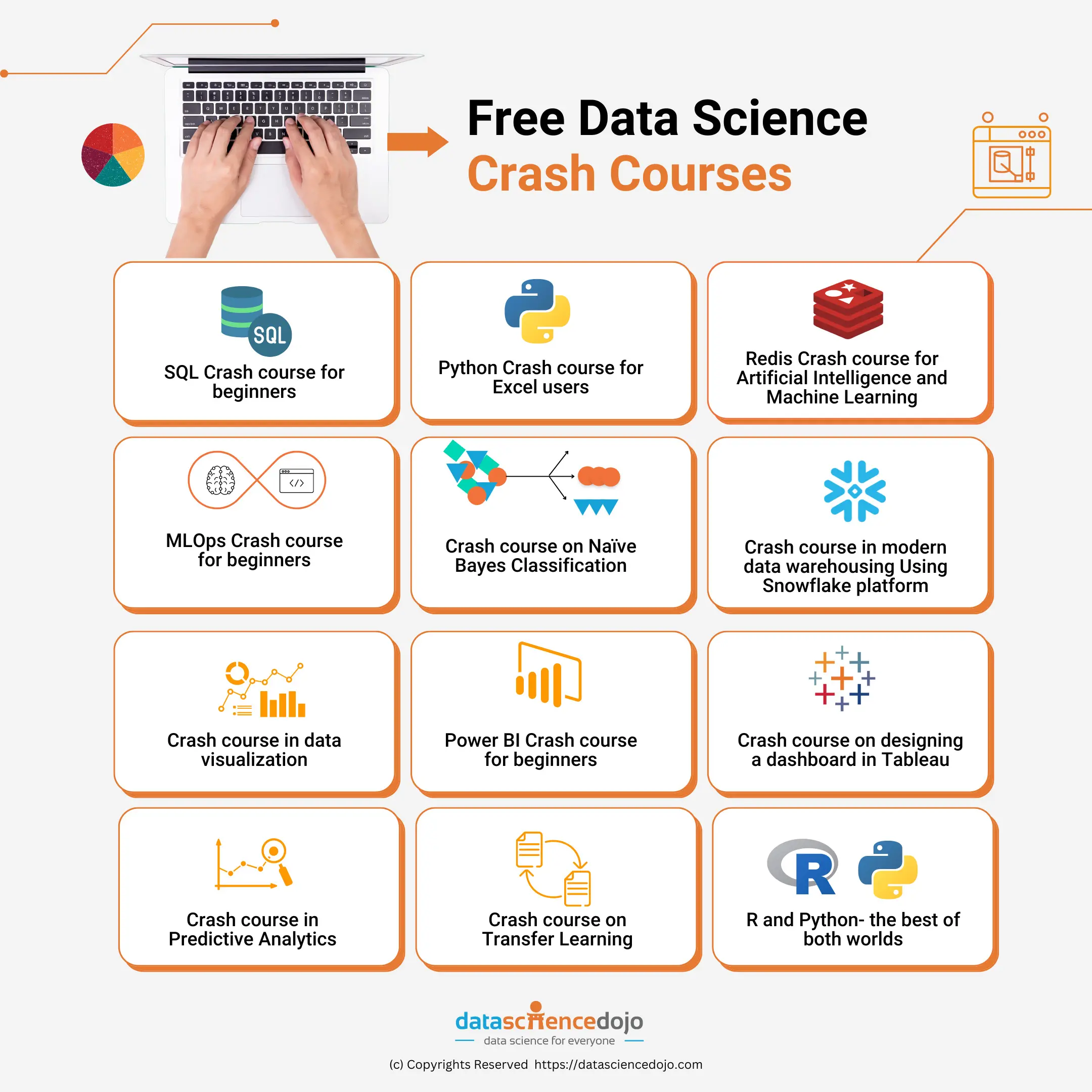
Then came the moment I’d both anticipated and dreaded: learning to code. The course introduced me to SQL, or Structured Query Language. My instructor described it beautifully as "the language you use to ask databases questions." Suddenly, instead of sifting through massive tables manually, I was writing commands, telling the database exactly what information I needed and how I wanted it presented. SELECT * FROM Customers WHERE City = 'New York'; – these simple lines felt like spells, conjuring precise results from vast digital archives. There were moments of intense frustration, staring at error messages, wondering if my brain was simply not wired for this logic. But the feeling of triumph when a complex query finally ran perfectly, delivering exactly the insights I sought, was utterly addictive. I started seeing databases everywhere, realizing the hidden power behind every website, every app, every transaction. Learning SQL for data analysis became my first true coding accomplishment.
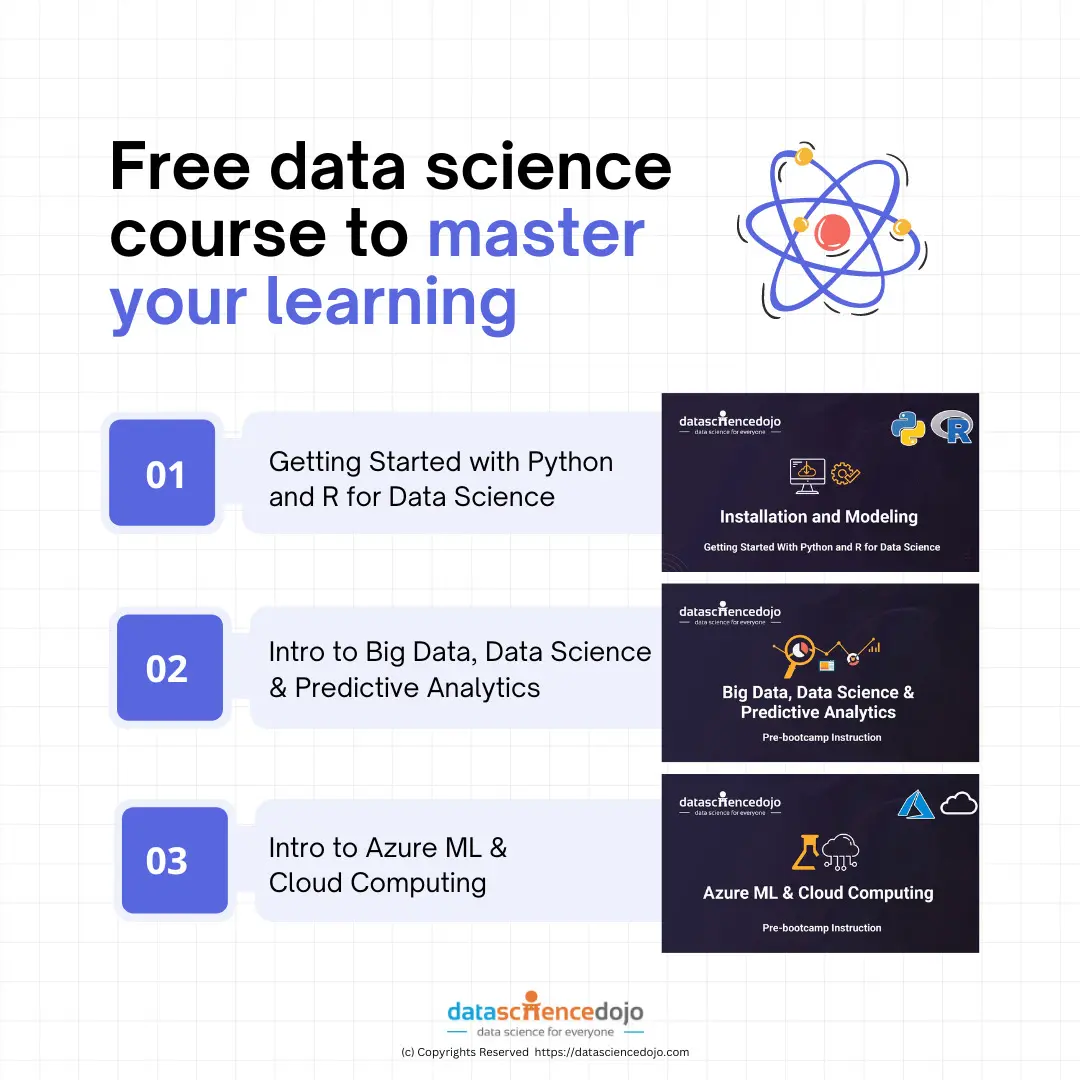
Next on the syllabus was Python, a programming language often lauded for its versatility. My initial impression was that it was another mountain to climb. But the course framed it as a powerful Swiss Army knife for data work. We started with the fundamentals: variables, loops, functions. Slowly, I began to understand how Python could automate repetitive tasks, handle much larger datasets than spreadsheets, and perform sophisticated calculations. Libraries like Pandas and NumPy became my constant companions. Pandas, in particular, felt like a superpower. It allowed me to manipulate, clean, and analyze tabular data with incredible efficiency. I remember wrestling with a dataset of customer reviews, trying to extract specific keywords and sentiments. Without Python, it would have been an insurmountable manual task. With a few lines of code, I could process thousands of entries, identifying trends and patterns that would have remained hidden. This was where the "data science for beginners" aspect truly began to click, showing me the potential for deeper exploration.
A crucial part of understanding data, the course emphasized, wasn’t just collecting and manipulating it, but interpreting it. This led us into the realm of statistics. As someone who had always viewed math with a healthy dose of apprehension, this section initially felt daunting. But the instructors did an excellent job of demystifying it, explaining statistical concepts not as abstract formulas, but as tools for understanding real-world phenomena. We learned about averages, medians, standard deviations, and how they help us understand the typical behavior within a dataset. We explored correlations, learning to spot relationships between different pieces of information, and more importantly, learning the crucial lesson that correlation doesn’t always equal causation. These statistical foundations were vital for making truly data-driven decisions, moving beyond gut feelings to evidence-based insights.
Then came the visual storytelling: data visualization. It’s one thing to have a spreadsheet full of numbers; it’s another entirely to present those numbers in a way that is immediately understandable and impactful. We delved into tools like Tableau and Power BI, learning to create compelling charts, graphs, and dashboards. I discovered the art of choosing the right visualization for the right data, understanding how colors, shapes, and layouts could either clarify or confuse a message. My first dashboard project, tracking sales performance over time, felt like painting a picture with data. It wasn’t just about making things look pretty; it was about communicating complex information simply and effectively, allowing others to quickly grasp key trends and make informed decisions. This "data visualization training" transformed my approach to presenting any kind of information.
Throughout this journey, the practical application was paramount. The course was heavily project-based, which I quickly realized was the most effective way to truly internalize the material. Each module culminated in a hands-on project, where we had to source real-world data, clean it, analyze it using the tools we’d learned, and then present our findings. These projects were often challenging, forcing me to debug my code, rethink my analytical approach, and even go back to the drawing board entirely. I remember one particular project where I aimed to predict housing prices based on various features. I spent hours wrestling with different models, troubleshooting errors, and refining my data cleaning process. The satisfaction of finally seeing my model make reasonably accurate predictions, even if imperfect, was immense. Building a "data portfolio" with these projects became a tangible representation of my growing "data skills" and newfound capabilities.
One of the most valuable aspects, beyond the technical skills, was the community. Our online forum was a constant hub of activity. When I was stuck on a coding problem, a classmate was always there to offer a fresh perspective or a helpful hint. When I felt overwhelmed by a new concept, an instructor would patiently explain it in a different way. This sense of shared struggle and collective triumph made the demanding coursework feel less isolating. It also exposed me to diverse perspectives and problem-solving approaches, enriching my own learning experience significantly. The mentorship I received, both formal and informal, was invaluable.
Of course, it wasn’t always smooth sailing. There were moments of genuine self-doubt, where the sheer volume of information felt crushing. I distinctly remember a weekend where I spent what felt like an eternity trying to understand a specific machine learning algorithm – a concept briefly introduced as a glimpse into the future of data science. My head throbbed, and I considered throwing in the towel. But then, a quick chat with a course mentor, who shared their own past struggles, reignited my determination. It taught me that persistence and the willingness to ask for help are just as crucial as technical aptitude in this field. It’s a journey, not a sprint, and everyone encounters hurdles.
As the course drew to a close, I looked back at my initial apprehension with a sense of wonder. The vast, uncharted ocean of data now felt navigable. I hadn’t become a master of every single tool or concept, but I had built a solid foundation. I understood the language, knew how to use the instruments, and most importantly, I had developed a mindset – a curious, analytical way of looking at the world, always seeking the stories hidden within numbers. The "data analytics training" had transformed my way of thinking.
The impact on my professional life was almost immediate. I started identifying opportunities within my existing role where I could apply my new "data skills." I proposed new ways to track project performance, built small dashboards to monitor key metrics, and even automated some tedious reporting tasks using Python. My colleagues noticed, and suddenly, I was the go-to person for anything related to data. It wasn’t just about getting a new job, though many of my classmates did transition into dedicated data roles; it was about enhancing my value, opening new doors, and approaching problems with a newfound clarity.
For anyone standing at the edge of that data ocean, feeling overwhelmed and unsure, my advice is simple: dive in. Find a "data course" that aligns with your goals and learning style, whether it’s "online data courses," a bootcamp, or a university program. Don’t be afraid of the learning curve; it’s steep for everyone. Embrace the struggles, celebrate the small victories, and never hesitate to ask questions. The journey to "learn data science" or become proficient in "data analytics" is incredibly rewarding. It equips you with skills that are not just relevant today but will only grow in importance in the years to come. It’s more than just learning tools; it’s about learning a powerful new way to understand the world around you, to uncover insights, and to contribute meaningfully to the digital age. My voyage through that data course wasn’t just an educational endeavor; it was a personal transformation, and it continues to be one of the best decisions I’ve ever made.