My Melodious Journey: How a Music Course Transformed My Life and Unlocked a World of Sound

You know, for the longest time, music was something I just listened to. It was the soundtrack to my life, always there, whether I was happy, sad, or just cruising along. I’d hum along to my favorite tunes, tap my feet, and sometimes even get lost in a particularly moving melody. But the idea of making music, of actually playing an instrument or understanding the magic behind those intricate sounds, always felt like a distant dream, reserved for a special, talented few. I was convinced I didn’t have a musical bone in my body. My childhood attempts at playing the recorder ended in what sounded suspiciously like a dying cat, and don’t even get me started on the school choir auditions – let’s just say I was politely encouraged to explore other extracurricular activities.
Years passed, and that little spark of curiosity never quite died. Every time I heard a beautiful piano piece, or watched a guitarist effortlessly strumming a complex chord progression, a tiny voice inside me would whisper, "What if?" What if I wasn’t completely tone-deaf? What if I could actually learn? The internet was a treasure trove of tutorials, of course, but self-teaching felt overwhelming. I’d open a video, get excited, then promptly get lost in the sea of information, feeling more confused than when I started. The discipline needed to stick with it, without any external guidance or accountability, was just too much for my easily distracted mind. I needed structure. I needed a guide. I needed a music course.
The decision wasn’t sudden, mind you. It was a slow burn, fueled by countless evenings spent fantasizing about playing a simple tune. One dreary autumn day, as the rain drummed a rhythm on my windowpane, I finally decided. Enough dreaming. It was time to act. My search for a suitable music course began with a mix of excitement and trepidation. I typed "music course for beginners" and "adult music lessons" into the search bar, feeling a surge of hope. The options were surprisingly varied: local music schools, private tutors, online academies, community college programs. It was a bit like walking into a huge candy store, not knowing which treat to pick first.
I considered what I wanted. I wasn’t looking to become a professional musician overnight; my goal was much simpler: to understand music, to be able to play a few songs, and maybe, just maybe, to find a new way to express myself. I also knew I needed a supportive environment, one where mistakes were part of the learning process, not something to be ashamed of. After comparing a few places, reading reviews, and even calling a couple of schools, I settled on a local music academy that offered group lessons for adult beginners. The idea of learning alongside others who were just as new to it as I was felt less intimidating than one-on-one sessions, where I imagined all my fumbles would be under intense scrutiny. Plus, the camaraderie appealed to me.
My chosen instrument? The acoustic guitar. There was something timeless and versatile about it, and I loved the idea of being able to accompany myself while singing (even if just for my shower audience). The first day of my music course was a blur of nervous energy. I walked into a room filled with about ten other adults, all clutching their shiny new guitars, looking just as bewildered and hopeful as I felt. Our teacher, a kind-eyed woman named Sarah, immediately put us at ease. She had a gentle demeanor and a knack for explaining complex concepts in simple, digestible ways. She started not with scales or chords, but with how to hold the guitar, how to sit comfortably, and how to make a single, clear sound. It felt basic, almost childish, but it was exactly what I needed: a solid foundation.
The initial weeks were a rollercoaster of emotions. There were moments of pure joy when I managed to strum a chord cleanly, and moments of utter frustration when my fingers refused to cooperate, tangling themselves into what felt like an impossible knot. My fingertips were sore, my wrist ached, and sometimes, I just wanted to throw the guitar across the room. But Sarah was always there, patient and encouraging. She’d remind us that everyone starts somewhere, that muscle memory takes time, and that consistency was far more important than perfection. We learned the basic open chords – C, G, D, Em, A. Each new chord felt like deciphering a secret code, and slowly, painstakingly, I started to connect them.
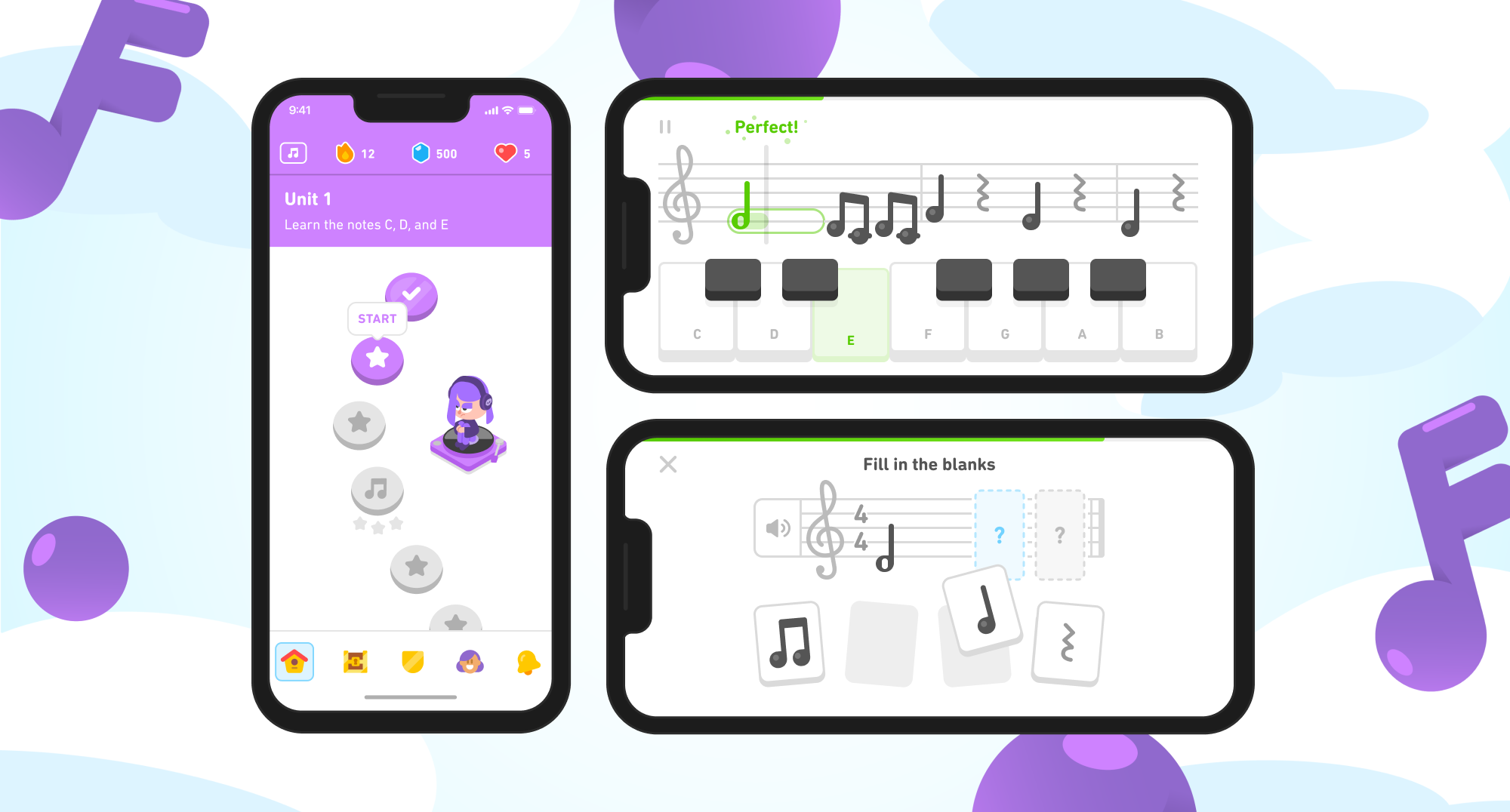
Learning to read music was another adventure. Those little black dots on the staff seemed like an alien language at first. Sarah introduced us to the treble clef, the bass clef, notes, rests, time signatures – it was a whole new vocabulary. She made it fun, though, using analogies and practical examples that resonated with everyday experiences. We’d clap rhythms, sing scales, and try to identify notes by ear. It wasn’t just about playing an instrument; it was about understanding the very fabric of music itself. I began to see patterns, to recognize melodies, and to appreciate the intricate structure behind even the simplest songs. It was like someone had handed me a pair of special glasses, allowing me to see the world of sound in a completely new dimension.
Practice, I quickly learned, was the secret ingredient. Sarah emphasized daily practice, even if it was just for fifteen minutes. "Little and often," she’d say, "is far more effective than hours once a week." So, I carved out a little corner in my living room and dedicated myself to it. Some days it felt like a chore, a necessary evil. Other days, I’d lose myself in the rhythm, feeling the vibrations of the wood against my chest, the satisfying thrum of the strings. There were days when I hit a plateau, feeling like I wasn’t making any progress at all. Those were the hardest times, when the old doubts would creep back in. But then, I’d remember Sarah’s words, or I’d hear a classmate nail a tricky chord change, and I’d pick up my guitar again, determined to push through.
One evening, about four months into the course, something truly magical happened. We were working on a simple progression, C-G-Am-F, a classic sequence that underpins countless popular songs. For weeks, my chord changes had been clunky, punctuated by pauses and muted strings. But that night, as I focused, breathed, and just let my fingers move, it flowed. One chord seamlessly transitioned into the next, the sound clear and resonant. I looked up, a wide grin spreading across my face, and saw Sarah smiling back at me, a silent nod of encouragement. It was a small victory, but it felt monumental. It was the moment I realized I wasn’t just learning to play notes; I was learning to make music. That "aha!" moment, that feeling of finally connecting with the instrument and the melody, was absolutely exhilarating.
The benefits of taking that music course extended far beyond just being able to play a few chords. For starters, my confidence soared. What had once felt impossible now felt achievable. It taught me patience, perseverance, and the value of consistent effort. It also opened up a whole new avenue for creativity. I started to experiment with different strumming patterns, to try to figure out melodies by ear, and even to dabble in writing my own simple tunes. It was incredibly liberating to have a new way to express feelings that words sometimes couldn’t capture.
Beyond the personal growth, there was the community. My classmates and I bonded over our shared struggles and triumphs. We’d laugh at our mistakes, cheer each other on, and sometimes even meet up outside of class to practice together. It was a wonderful feeling to be part of something, to share a passion with like-minded individuals. Music, I discovered, is inherently social. It connects people, transcends barriers, and creates a unique kind of understanding.
The course also changed the way I listened to music. Before, I’d just hear a song. Now, I hear the individual instruments, the chord progressions, the rhythmic subtleties, the way the melody interacts with the harmony. It’s like having X-ray vision for sound. Every song became a puzzle, an intricate tapestry of sound waiting to be unraveled. My appreciation for musicians and composers deepened immeasurably.
If you’re reading this and thinking about taking a music course, let me tell you, it’s one of the best decisions I ever made. The world of music education is incredibly diverse, and there’s truly something for everyone. You don’t have to be a child to start; adult learners bring a unique perspective, discipline, and passion to the table. Whether you dream of strumming a guitar, tickling the ivories of a piano, bowing a violin, or even singing your heart out, there’s a course out there waiting for you.
When choosing a music course, consider a few things. First, think about the instrument that truly calls to you. Don’t pick something just because it seems easy or popular; pick what genuinely excites you. Second, decide if you prefer in-person lessons, which offer immediate feedback and a structured environment, or online courses, which provide flexibility and often a vast library of resources. Both have their merits. Online music courses, for instance, have made learning accessible to millions, allowing you to learn from experts anywhere in the world, at your own pace. Many offer interactive elements, virtual classrooms, and even AI-powered feedback tools (though I found the human touch invaluable). Third, look for a teacher or a program that emphasizes patience and encouragement. A good instructor doesn’t just teach notes; they inspire, motivate, and foster a love for music. Finally, don’t be afraid to try a trial lesson or talk to current students. Get a feel for the environment and the teaching style before committing.
Remember, learning an instrument isn’t a race. It’s a journey, a marathon, not a sprint. There will be good days and challenging days. There will be moments when you feel like giving up, but those are precisely the moments when you need to push a little harder. The reward, the sheer joy of creating something beautiful with your own hands, is immeasurable. The confidence you gain, the new skills you acquire, and the way it reshapes your brain are all profound.
Taking that music course didn’t just teach me how to play the guitar; it taught me a valuable lesson about life itself. It showed me that with dedication, the right guidance, and a willingness to step outside my comfort zone, I could achieve things I once thought impossible. It unlocked a hidden part of me, a creative spark that had been dormant for too long. Now, when I pick up my guitar, even just to play a simple tune, I feel a sense of peace and accomplishment that is truly unique. Music has become my solace, my creative outlet, and a constant source of wonder. So, if you’re on the fence, take the leap. Enroll in that music course. You might just discover a whole new world of sound, and a whole new you.