
You know, there’s something wonderfully daunting about standing at a crossroads in life. One path is familiar, comfortable, predictable. The other? A shadowy, intriguing lane that promises something entirely different, perhaps even a little scary. For me, that crossroads presented itself a few years back, and the shadowy lane had a name: a theatre course. I remember it vividly, the slight tremor in my hands as I filled out the application, a blend of apprehension and a thrilling, almost childish excitement bubbling inside. I wasn’t an aspiring Hollywood star, nor had I ever dreamed of Broadway. I was just… me. A person who felt a little too quiet, a little too tucked away in my own head, searching for a way to untangle the knots in my communication, to truly connect. And so, my journey into the world of acting classes began.
Before I enrolled, my perception of a theatre course was probably much like yours might be now: a place for flamboyant personalities, for people who naturally command attention, who sing and dance and project their voices to the rafters. I imagined intense rehearsals, dramatic monologues, and a general air of theatricality that felt miles away from my own quiet demeanor. But what I discovered was something far richer, far more human, and profoundly transformative. It wasn’t just about learning lines or hitting marks; it was about discovering myself, unlocking hidden facets of my personality, and learning a whole new language of expression.
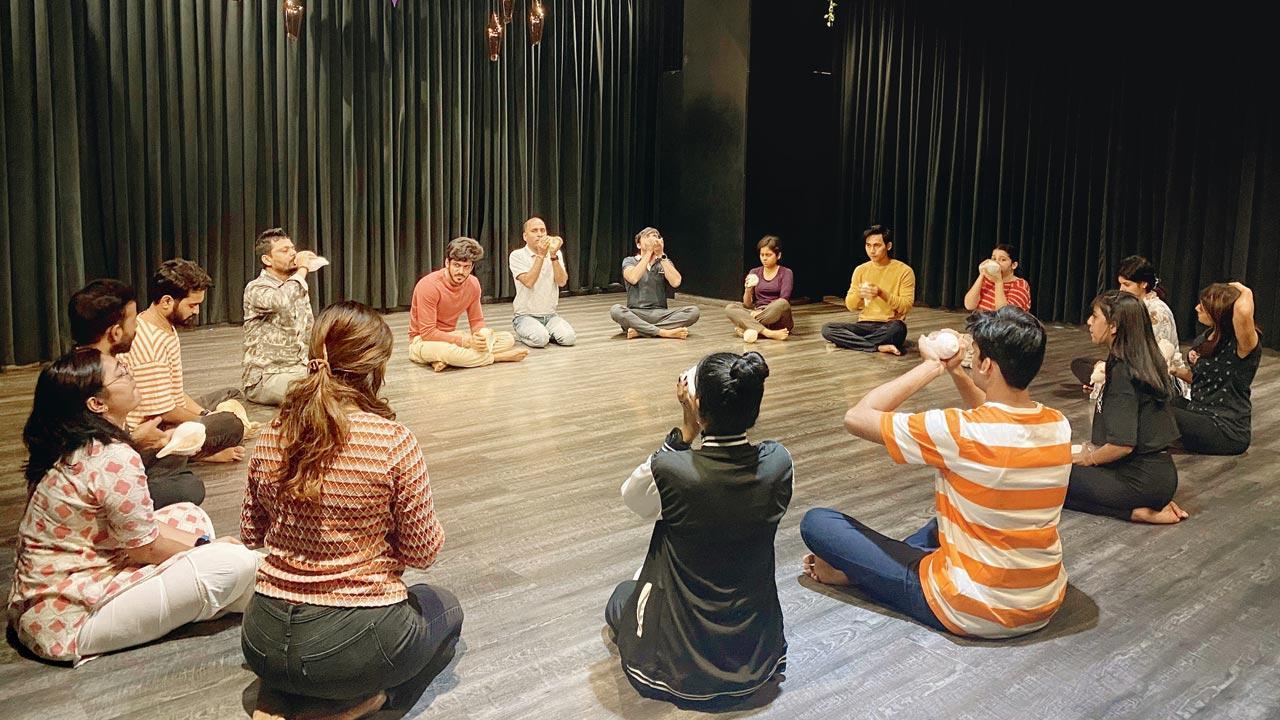
My first day felt like stepping onto an alien planet. The studio was a simple space: bare walls, a polished wooden floor, and a sense of expectant energy. Our instructor, a woman named Elara with kind eyes and a laugh that could fill the room, greeted us. There were about fifteen of us, a motley crew ranging from fresh-faced college students to seasoned professionals seeking a creative outlet, and even a few like me, just curious explorers. The initial exercises were deceptively simple, designed to break the ice and, more importantly, break down our inhibitions. We started with movement, simple walks across the room, observing each other, feeling our bodies in space. Then came vocal warm-ups, strange humming sounds, tongue twisters, and exercises to project our voices without straining. I remember feeling utterly self-conscious, convinced I sounded like a strangled cat during the vocalizations, but looking around, everyone was in the same boat, grinning awkwardly, finding common ground in our shared vulnerability.
One of the first significant lessons in any acting class is the importance of observation. Elara would tell us, "An actor’s most vital tool isn’t just their voice or body; it’s their ability to truly see, truly listen, and truly feel." We’d spend sessions just watching people, observing their mannerisms, their posture, the way they held their coffee cup, the subtle shifts in their facial expressions. This wasn’t about judgment; it was about empathy, about understanding the nuances of human behavior. This practice of conscious observation bled into my everyday life. Suddenly, the world around me became a richer tapestry of detail. I noticed the way a barista smiled with her eyes even when her mouth was hidden by a mask, the slight slump in a commuter’s shoulders after a long day, the vibrant energy of children playing in a park. It made me feel more connected, more present.
Then came the improvisation. Oh, improvisation! For someone who loved to plan, who dreaded the unexpected, this was both terrifying and exhilarating. We’d be given a simple scenario – "You’re waiting for a bus, and someone you haven’t seen in years sits next to you" – and off we’d go, creating dialogue and actions on the fly. The early attempts were clunky, filled with awkward pauses and forced laughter. But Elara encouraged us, reminding us that there were no wrong answers, only choices. The magic of improv, I learned, isn’t about being witty or clever; it’s about listening. Truly listening to your partner, accepting their "offer" (their line, their action), and building upon it. This taught me invaluable lessons about collaboration and trust. You learn to let go of your own agenda and play with what’s given to you. It’s a spontaneous dance, and when it clicks, it’s an incredible feeling of shared creation. This skill, the ability to think on my feet and respond authentically, has been a game-changer in professional meetings and even casual conversations.
The core of a theatre course, of course, is character development. This isn’t about pretending to be someone else; it’s about exploring the human condition through a different lens. We delved into scripts, dissecting characters, trying to understand their motivations, their fears, their desires. Why does this character say that? What do they really mean? What happened to them before this scene? We used various techniques: journaling in character, creating a physical "score" of how a character would move, even imagining their favorite food or their biggest secret. It was like becoming a detective of the human spirit. This process taught me empathy on a profound level. Stepping into another person’s shoes, even a fictional one, forces you to see the world from a different perspective, to understand that everyone has a backstory, a complex inner life that shapes their actions. It challenged my own biases and expanded my understanding of what it means to be human.
Voice training was another revelation. Before the course, my voice was often soft, trailing off at the end of sentences. I was told I mumbled. Through specific exercises – diaphragmatic breathing, articulation drills, projection techniques – I learned how to control my breath, how to enunciate clearly, and how to fill a room with my voice without shouting. It wasn’t just about being louder; it was about finding resonance, about speaking with intention and authority. This wasn’t just for the stage; it was for life. Suddenly, I felt more confident speaking up in group discussions, my ideas no longer getting lost in the ether. My public speaking skills improved dramatically, transforming from a source of anxiety to an opportunity to connect.
The physicality of acting was equally enlightening. We worked on stage presence, understanding how our bodies communicate even more than our words. Simple exercises like walking with different intentions – hurried, leisurely, afraid, confident – revealed how much information our posture, gestures, and gait convey. We learned about blocking, how to move purposefully on stage, how to use space to tell a story. This attention to physical expression made me more aware of my own body language in everyday interactions. I learned to stand taller, to make eye contact, to use gestures that complemented my words rather than distracting from them.
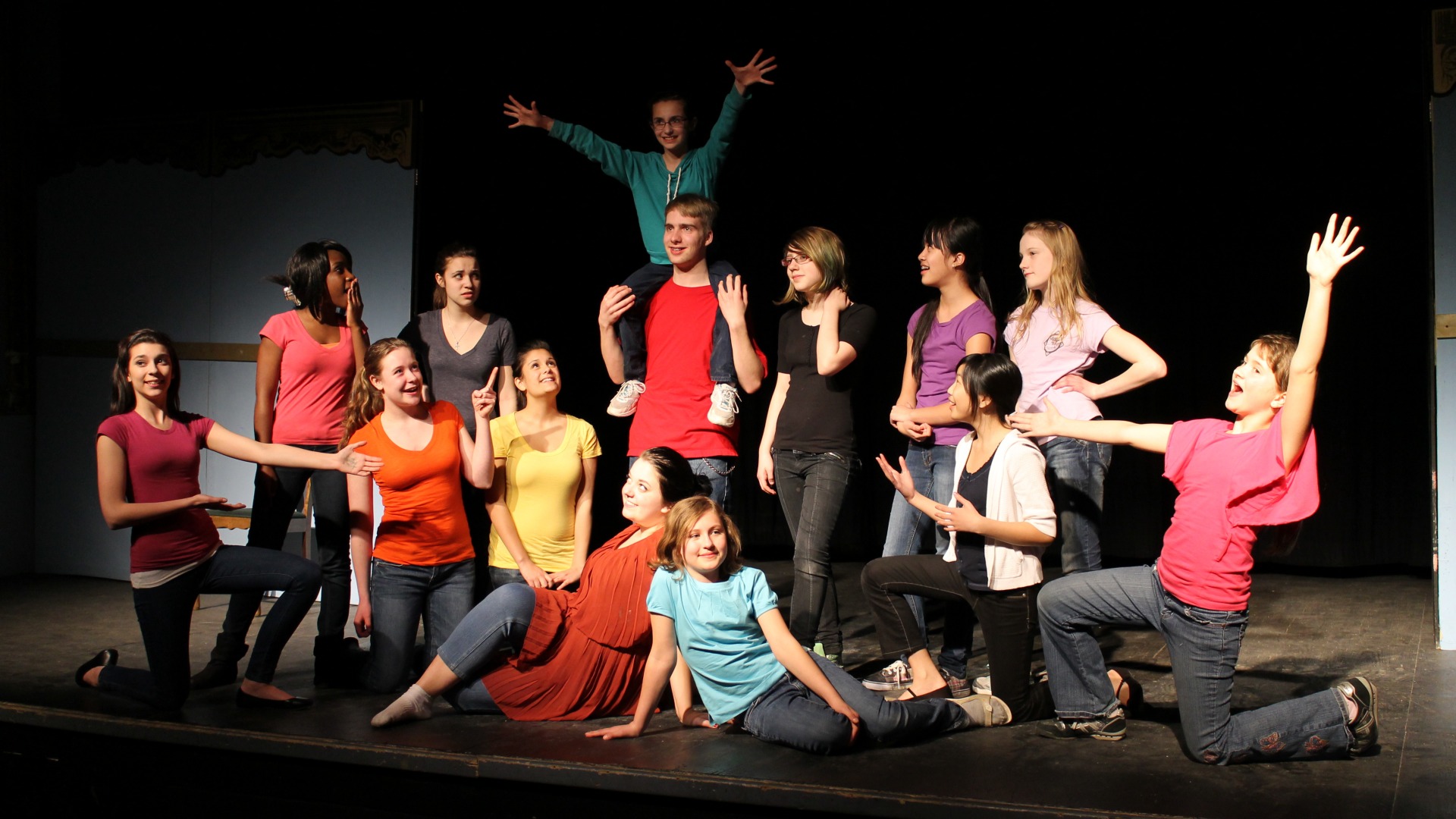
One of the most beautiful aspects of a theatre course is the sense of ensemble. You spend hours, weeks, sometimes months, with the same group of people, baring your souls, making mistakes, celebrating small victories. You become a team, relying on each other, building trust. There’s an inherent vulnerability in acting, and sharing that vulnerability creates an incredibly strong bond. We learned to support each other, to give constructive feedback, and to truly listen to one another. This sense of community, of shared endeavor, was incredibly powerful and something I hadn’t anticipated finding. It taught me the true meaning of collaboration, where the success of the whole outweighs individual glory.
The course culminated in a small showcase, a collection of scenes and monologues performed for friends and family. The nerves were immense. My heart hammered against my ribs like a trapped bird. But stepping onto that makeshift stage, under the warm glow of the lights, something shifted. All the weeks of training, the vocal exercises, the character work, the hours of rehearsal, coalesced into a singular moment. I wasn’t just "me" anymore; I was telling a story, embodying a character, connecting with an audience. And in that connection, I found a profound sense of liberation. The fear was still there, a tiny whisper, but it was overshadowed by the joy of expression, the thrill of sharing a piece of myself through the lens of another.
Beyond the footlights, the skills I gained from that theatre course have woven themselves into the fabric of my daily existence. My communication skills are sharper; I’m a better listener, more articulate, and more empathetic. My confidence has blossomed; I no longer shy away from public speaking or expressing my opinions. My creativity, which I once thought was dormant, has been rekindled. I approach problems with a more imaginative mindset, seeing multiple solutions instead of just one. Even my ability to manage stress has improved; the practice of staying present, breathing deeply, and focusing on the task at hand, honed during intense rehearsals, helps me navigate life’s challenges with greater calm.
For anyone standing at that crossroads, wondering if a theatre course is for them, I offer this: It’s not just for actors. It’s for anyone who wants to understand themselves better, to connect more deeply with others, to unlock their creative potential, or simply to find their voice. It’s for the shy person yearning to speak up, the leader wanting to inspire, the professional seeking to enhance their presentation skills, or the individual looking for a powerful form of self-expression. It’s a journey of self-discovery disguised as an acting class.
When you embark on a theatre course, you’re not just signing up for performance training; you’re enrolling in a masterclass on human behavior, communication, and emotional intelligence. You’ll learn the practicalities of stage acting, yes, but you’ll also learn invaluable life skills that transcend the stage. You’ll explore improvisation, which teaches you to embrace the unexpected; you’ll delve into voice and movement, gaining control and expressiveness over your physical self; you’ll build characters, expanding your capacity for empathy. And perhaps most importantly, you’ll find a community of like-minded individuals who, like you, are brave enough to explore the unscripted journey of self-discovery.
So, if you’ve ever felt that nudge of curiosity, that whisper of "what if?" about a drama school or a local acting class, I encourage you to listen to it. Take the leap. It might just be the most enriching, confidence-building, and life-changing decision you ever make. You don’t have to aspire to be a star; you just have to be willing to open yourself up to the possibility of becoming more fully, authentically you. The stage, whether literal or metaphorical, awaits your story. And trust me, it’s a story worth telling.