
It wasn’t that long ago that the words "User Interface" sounded like something from a sci-fi movie. I was stuck in a job that paid the bills but certainly didn’t spark any joy. Each day felt like hitting repeat on a dull song, and I knew deep down I wanted to create, to build something meaningful, something people would actually use and enjoy. That’s when I stumbled upon an article talking about UI design, and it was like a lightbulb finally flickered on in a dim room. It spoke about shaping experiences, making digital products intuitive and beautiful, and instantly, I was hooked. But where do you even begin when you’re starting from scratch? For me, the answer became clear: a UI course.
I remember my initial confusion. What exactly is UI? Is it just making things look pretty? Is it coding? Do I need to be an artist? The internet was a vast ocean of information, and frankly, it felt overwhelming. I’d watch a few YouTube videos, read some blog posts, and then get lost in jargon like "skeuomorphism" or "affordance." It felt like trying to learn to swim by reading a book about it. I needed structure. I needed guidance. I needed someone to walk me through the steps, not just throw me into the deep end. That’s why I decided a dedicated UI course was the way to go. It promised a structured path, expert instructors, and a community of fellow learners – all things I desperately needed.
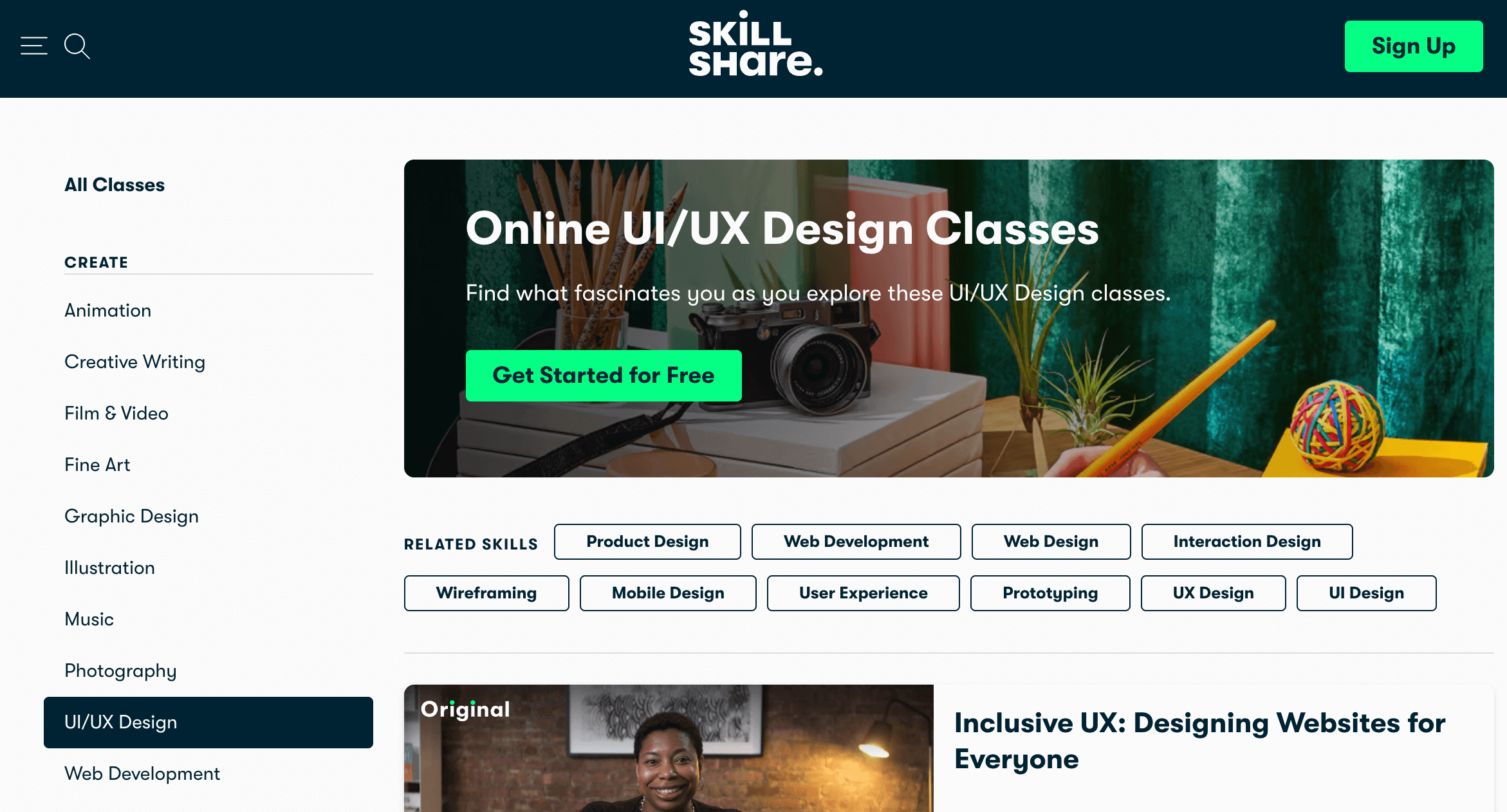
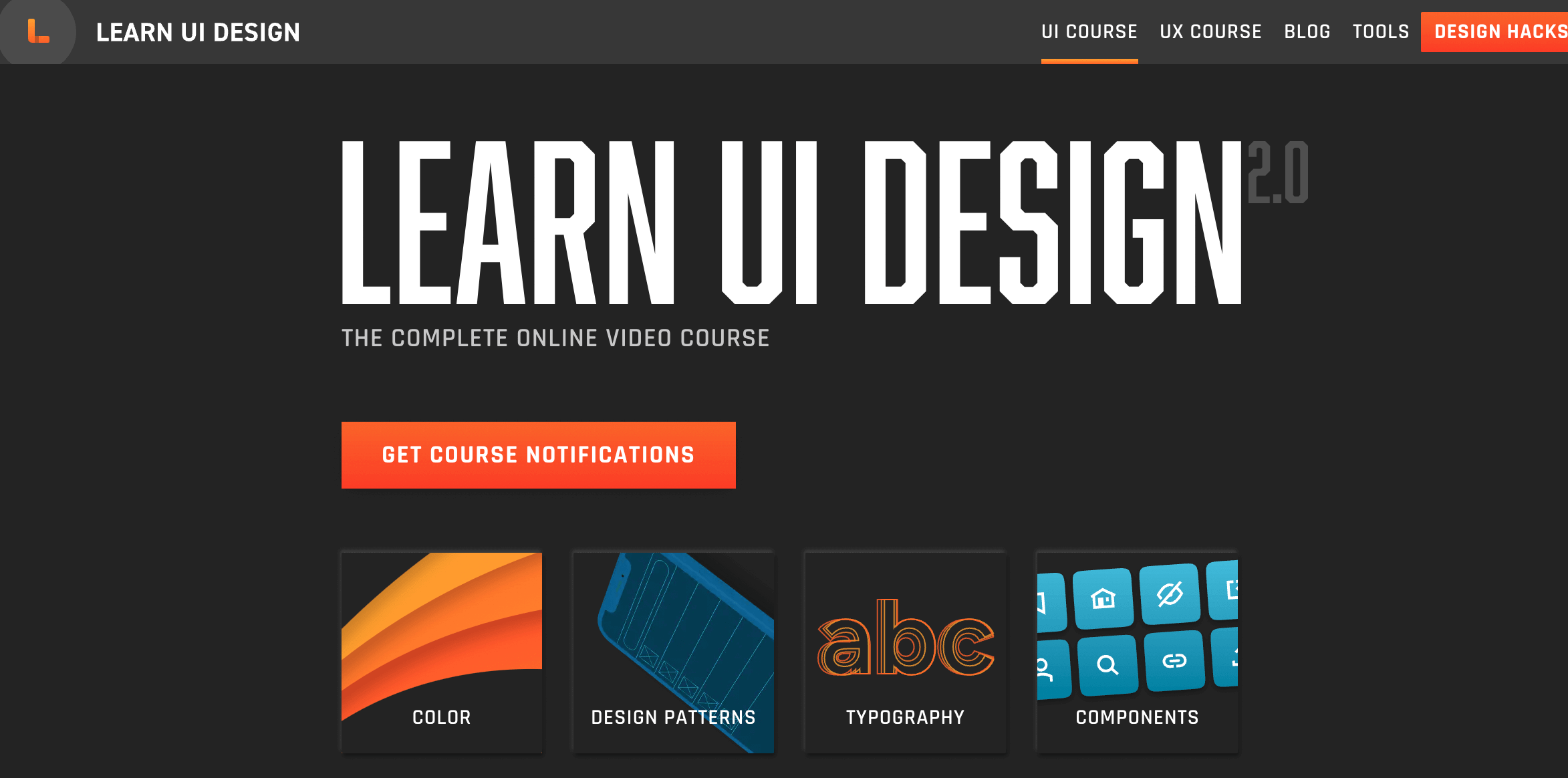
Choosing the right UI course felt like another quest in itself. There were so many options: intensive bootcamps that promised a new career in a few months, university programs that stretched over years, and online platforms offering everything from free tutorials to comprehensive specializations. My budget was a real concern, and so was my current job schedule. I couldn’t just quit everything to dive into a full-time program. I spent weeks researching, comparing curricula, looking at instructor profiles, and even stalking alumni on LinkedIn to see where they ended up.
I learned a lot during that research phase. For instance, I discovered that some courses focused heavily on theory, which sounded good but might leave me lacking practical skills. Others were very tool-specific, which worried me because tools change all the time. What I really wanted was a course that taught me the principles of UI design – the "why" behind what we do – along with the practical skills to bring those principles to life. I also looked for courses that emphasized building a strong portfolio, because everyone kept telling me that a portfolio is your golden ticket in this field. Reviews from past students were incredibly helpful, especially those that talked about the level of support, the quality of feedback, and the job placement assistance (or lack thereof).
Eventually, I settled on an online UI design course that offered a good balance. It wasn’t the cheapest, but it wasn’t the most expensive either. It promised flexibility, which was key for my schedule, and had a clear curriculum that covered everything from foundational theories to practical projects. The instructors had real-world experience, and there was a strong emphasis on building a portfolio project throughout the course. The idea of learning alongside people from all over the world, bringing diverse perspectives, also appealed to me.
The first few weeks of the UI course were a whirlwind. We started with the very basics: what UI design actually is, how it differs from UX design (a common point of confusion for beginners, myself included!), and the fundamental principles that make a good user interface. Things like hierarchy, consistency, feedback, and learnability. It wasn’t just abstract theory; our instructor, a seasoned designer named Sarah, brought it to life with examples from everyday apps and websites. She’d point out why a certain button color worked better than another, or why an app’s navigation felt intuitive. It was like suddenly being given a new pair of glasses that allowed me to see the digital world in a completely different way. Every app I opened, every website I visited, became a case study.
Then came the tools. Oh, the tools! Figma was the main one, and at first, it felt like trying to pilot a spaceship. So many buttons, so many panels, so many possibilities! I remember the sheer frustration of trying to align elements perfectly or create a simple component. My initial designs looked clunky and amateurish. But Sarah and the teaching assistants were incredibly patient. They broke down complex tasks into manageable steps, provided video tutorials, and encouraged us to just keep playing around. "Don’t be afraid to break things," Sarah would say. "That’s how you learn." Slowly but surely, the interface started to make sense. I learned about frames, auto layout, components, and how to use them to build reusable elements. It was like learning a new language, and with each successful design, my confidence grew. Beyond Figma, we also touched upon other industry-standard tools like Adobe XD and Sketch, understanding their nuances and when you might choose one over the other.
The real fun began when we moved into practical application. This is where the magic truly happens in a UI course. We started with user flows – mapping out the steps a user takes to complete a task. Then came wireframing, sketching out the basic layout of a screen without worrying about aesthetics. This was surprisingly challenging, forcing me to think about functionality first, before getting caught up in colors and fonts. After wireframes, we moved to low-fidelity prototypes, turning those static screens into clickable journeys. It was incredibly satisfying to see my ideas come to life, even in a rough form. I learned the importance of iteration, of getting feedback early and often, and not being too attached to my first idea.
One of the most valuable parts of the course was the project work. Instead of just doing isolated exercises, we worked on a major project throughout the latter half of the program. My project was to redesign a local library’s website, making it more accessible and user-friendly for people of all ages. This meant conducting user research (even simple interviews with friends and family), defining user personas, creating user flows, designing wireframes, and finally, crafting high-fidelity mockups in Figma. This wasn’t just about making things look good; it was about solving real problems for real people.
The feedback sessions were tough but essential. Presenting my work to the instructors and my peers felt nerve-wracking at first. They’d point out areas for improvement, ask challenging questions, and offer alternative solutions. Sometimes, I felt a pang of defensiveness, but I quickly learned to embrace the criticism. It wasn’t personal; it was about making the design better. This iterative process, this constant cycle of design, feedback, and refinement, taught me more than any lecture could. It taught me resilience, how to articulate my design choices, and how to integrate constructive criticism. This hands-on experience, culminating in a polished portfolio piece, was exactly what I needed to feel ready for the professional world.
Beyond the technical skills, the UI course gave me so much more. I developed a keen eye for detail, noticing the subtle design choices in every app I use. My problem-solving skills sharpened as I learned to break down complex user needs into actionable design solutions. I also learned empathy – understanding that behind every screen is a person with specific needs, frustrations, and goals. A good UI designer isn’t just a creator; they’re a problem-solver, a communicator, and a user advocate.
The community aspect of the online UI course was also a huge bonus. We had a dedicated Slack channel where we’d share our work, ask questions, and celebrate small victories. Connecting with fellow students who were all on a similar journey, facing similar challenges, created a sense of camaraderie. We formed study groups, reviewed each other’s designs, and shared resources. Even after the course ended, many of us stayed in touch, forming a small but mighty network. This network became invaluable as I started my job search.
Speaking of job search, the UI course also offered career guidance, which was incredibly helpful. They taught us how to present our portfolio, how to write a compelling resume for a design role, and even how to prepare for interviews. My final project became the centerpiece of my portfolio, showcasing my ability to tackle a complete design process from start to finish. Without that structured project and the guidance on how to present it, I would have been completely lost.
The job market for UI designers is competitive, but having a solid portfolio and a clear understanding of the design process made all the difference. I started applying for junior UI designer roles, internships, and even freelance gigs. My first few interviews were a learning experience, but with each one, I got better at articulating my design philosophy and showcasing my skills. Eventually, after a few months of diligent searching and networking, I landed my first role as a junior UI designer at a small tech company.
It wasn’t easy. There were moments of doubt, frustration, and feeling completely overwhelmed. But looking back, taking that UI course was one of the best decisions I’ve ever made. It provided the structure, the knowledge, and the confidence I needed to transition into a completely new field. It took me from someone who just clicked buttons to someone who understands the thought and intention behind every digital interaction.
So, is a UI course right for you? If you’re someone who enjoys problem-solving, has an eye for detail, loves creating things, and is fascinated by how people interact with technology, then absolutely. If you’re a beginner feeling overwhelmed by the vastness of design information out there, a structured course can be your compass. It will give you a solid foundation in design principles, teach you the essential tools, and guide you through building a portfolio that truly reflects your capabilities. It’s not a magic bullet – you’ll still need to put in the hard work, practice constantly, and continue learning long after the course ends. The world of UI design is always evolving, with new trends and tools emerging regularly. But a good UI course will equip you with the fundamental skills and the mindset to adapt and thrive.
My journey from a curious beginner to a confident UI designer has been incredibly rewarding. It wasn’t just about learning a new skill; it was about discovering a passion, finding a community, and building a career that genuinely excites me. If you’re standing where I once was, wondering if you can make this leap, I encourage you to take that first step. Research those UI courses, talk to designers, and start exploring. You might just find your own path to a fulfilling and creative future. The digital world is waiting for your touch.