
I remember a time, not so long ago, when the whole idea of furthering my education felt like stepping into a vast, foggy labyrinth. I knew I wanted to learn more, to gain new skills, to somehow make myself more valuable in the bustling marketplace of careers. But where to begin? Every corner of the internet seemed to promise shortcuts, revolutionary techniques, and certificates that sparkled with grand claims. It was overwhelming, a sea of options where distinguishing genuine treasure from fool’s gold felt impossible. I’d scroll through endless course listings, my finger hovering over "enroll now" buttons, only to pull back, a nagging doubt whispering, "Is this… real? Will anyone actually care about this piece of paper?"
That nagging doubt, it turns out, was a silent guardian, nudging me towards a concept I barely understood then: accreditation. Before I truly grasped its meaning, I saw it as just another piece of jargon, something tucked away in the fine print. But as I embarked on my learning adventure, this seemingly dry term transformed from a bureaucratic hurdle into the very bedrock of my educational choices, shaping not just my career path but also my confidence in my own abilities. Let me tell you, it made all the difference.
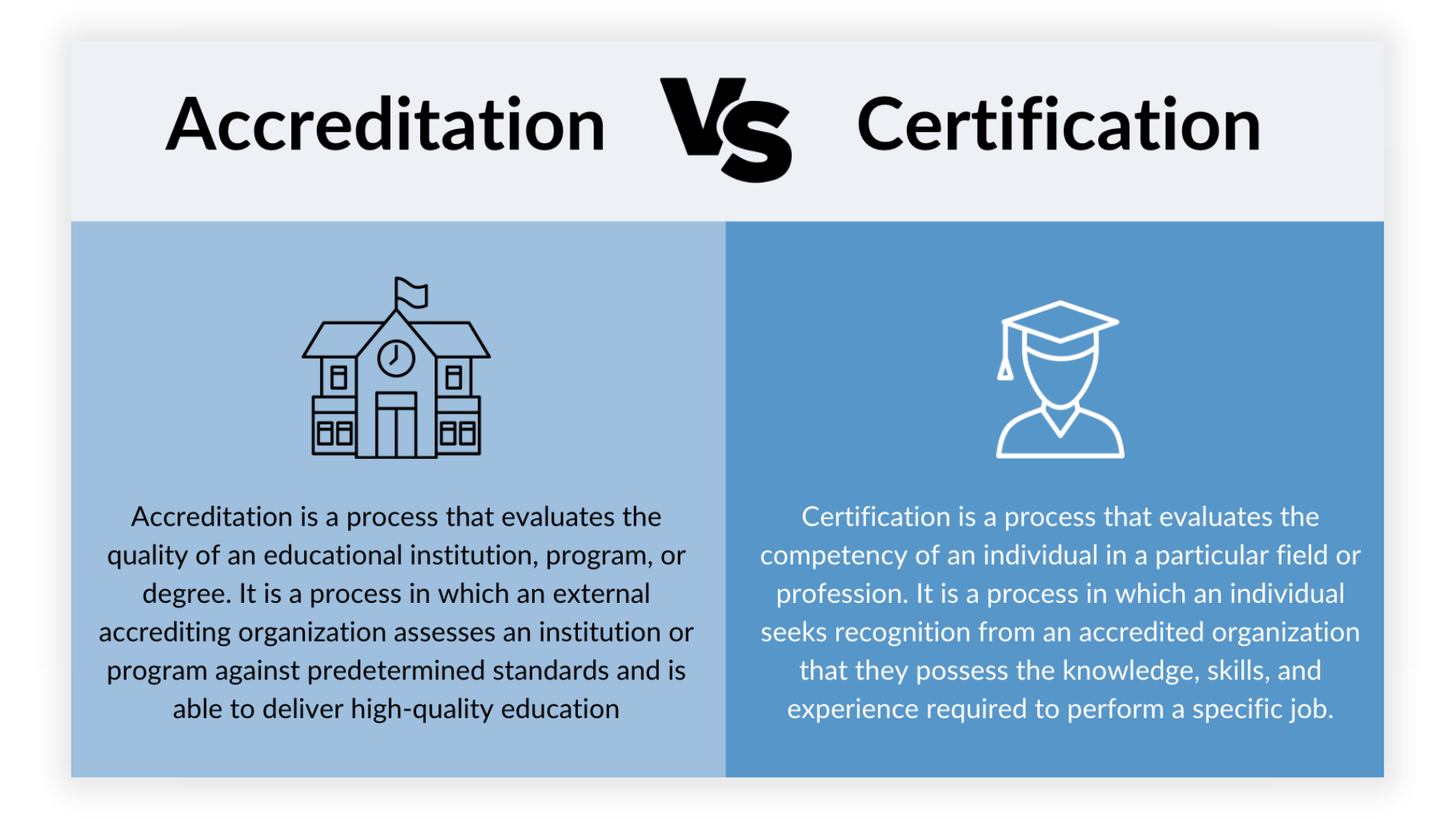
Imagine, if you will, deciding to build a house. You wouldn’t just hire the first person who shows up with a hammer, would you? You’d look for someone licensed, someone with a track record, someone whose work is vouched for by a reputable organization. That’s essentially what accreditation is for education. It’s like a seal of approval, a promise from an independent, authoritative body that a particular course, program, or institution meets certain rigorous standards of quality and excellence. It means that the curriculum isn’t just someone’s pet project; it’s thoughtfully designed, relevant, and taught by qualified instructors. It assures you that the learning outcomes are measurable and that the institution itself operates with integrity. When a course is accredited, it’s not just saying it’s good; it’s been verified as good by an impartial expert.
My "aha!" moment came after a particularly disheartening job interview. I’d enthusiastically listed a few online certifications I’d picked up, thinking they’d impress. The interviewer, a kind but very direct woman, listened patiently, then gently asked, "And are these programs accredited by a recognized body?" I stammered, mumbled something about them being "industry-recognized" – a term I now realize can mean almost anything or nothing at all. Her polite smile told me everything. My self-taught wisdom, while perhaps valuable in itself, wasn’t speaking the language of official recognition. It was a wake-up call. I realized I had been investing my precious time and money into learning, but without the official stamp that translated that learning into tangible career opportunities.
From that day forward, my search for learning transformed. I stopped looking for the quickest or cheapest option and started looking for the most credible. I began to understand that an accredited course wasn’t just about getting a piece of paper; it was about ensuring that the knowledge I gained was respected, transferable, and truly set me up for success.
The benefits I discovered were far beyond what I initially imagined. Firstly, and perhaps most importantly, came the credibility and recognition. When I finally enrolled in an accredited project management course, the difference was palpable. The course structure was logical, the materials were up-to-date, and the instructors weren’t just theoretical experts; they were practitioners with real-world experience. When I completed it, proudly listing my new qualification on my resume, the response from potential employers was entirely different. No more polite smiles or vague questions. Instead, I saw nods of understanding, recognition of the institution, and genuine interest in the skills I had acquired. It wasn’t just me saying I knew project management; a reputable body had certified that I did. This recognition isn’t just confined to employers; it also extends to other educational institutions. Should I decide to pursue a higher degree, the credits from an accredited course are far more likely to be accepted towards further study, saving me time and money.
Beyond mere recognition, the quality of education itself was superior. With accreditation comes accountability. Institutions offering accredited programs are regularly reviewed to ensure they maintain high standards. This means better teaching methodologies, robust student support, access to up-to-date resources like libraries and software, and a commitment to continuous improvement. My accredited course wasn’t just a series of video lectures; it involved interactive assignments, peer reviews, dedicated mentor support, and a final capstone project that truly tested my understanding. It pushed me, challenged me, and ultimately equipped me with skills that felt robust and ready for immediate application. It’s the difference between learning to fix a car from a YouTube video and learning from a certified mechanic in a well-equipped workshop. Both might teach you something, but one gives you a comprehensive, validated understanding.
Then there’s the undeniable impact on career advancement. My accredited project management qualification wasn’t just a talking point; it was a key factor in landing my next role, a significant step up from my previous position. Employers often use accreditation as a baseline filter. It tells them you’ve invested in a quality education, that you possess a verifiable skill set, and that you’re serious about your professional development. It minimizes their risk in hiring you. For me, it wasn’t just about getting a job; it was about unlocking doors to roles I previously thought were out of my reach. It provided a clear, recognized pathway for me to pivot into a new industry, something that felt impossible before. It showed I had the discipline, the knowledge, and the officially recognized competence to take on greater responsibilities.
Another aspect that often gets overlooked is the personal confidence that comes with earning an accredited qualification. There’s a deep satisfaction in knowing that your hard work and dedication have been validated by a credible authority. It’s not just a feeling of accomplishment; it’s a certainty that your skills are legitimate and valued. This confidence translates into everything, from how you present yourself in interviews to how you approach new challenges at work. You stand a little taller, speak a little clearer, because you know your foundation is solid. It gave me the courage to advocate for myself, to apply for roles I might have considered too ambitious before, and to negotiate for the salary I truly deserved.
So, how do you spot an accredited course in that vast sea of learning options? It’s simpler than you might think, once you know what to look for. First, always check the institution’s claims. Don’t just take their word for it. They should clearly state which accrediting body has recognized their programs. This information is usually prominently displayed on their website, often in a dedicated "About Us" or "Accreditation" section. If you can’t find it easily, that’s your first red flag.
Second, verify with the accrediting body directly. This is crucial. Reputable accrediting agencies maintain public databases or directories of the institutions and programs they accredit. A quick search on their official website can confirm whether the course or institution you’re interested in is indeed recognized. For example, in the US, regional accreditors like the Western Association of Schools and Colleges (WASC) or national ones like the Accrediting Council for Independent Colleges and Schools (ACICS) are key. In the UK, bodies like Ofqual or specific professional bodies like the Association of Chartered Certified Accountants (ACCA) for finance qualifications are important. Don’t be shy about doing this due diligence; it’s your future investment at stake.
It’s also worth understanding that there are different types of accreditation. Institutional accreditation applies to the entire school or university, ensuring the overall quality of its operations. Programmatic or specialized accreditation focuses on specific departments or programs within an institution, like a nursing program or an engineering degree, often by a professional body relevant to that field. Both are valuable, but programmatic accreditation can be particularly important for specific career paths, as it often means the curriculum meets specific industry standards. Sometimes, a course might be "industry-recognized" but not formally accredited. This isn’t always bad, especially for niche skills, but it lacks the universal stamp of quality assurance that comes with official accreditation. Always weigh the purpose of the course against the type of recognition it offers.
I’ve seen firsthand the pitfalls of opting for non-accredited courses, or heard stories that made me shudder. A friend, eager to save money, once enrolled in what looked like a fantastic "masterclass" in digital marketing. The instructor was charismatic, the platform slick, and the price tag incredibly appealing. But when she started applying for jobs, she quickly discovered that her "certification" held no weight with potential employers. It wasn’t that the content was entirely useless; she did pick up some tips. But without the backing of an accredited institution or a recognized body, her efforts were largely dismissed by HR departments looking for validated credentials. She ended up having to invest more time and money into an accredited program to get the recognition she needed. It was a tough lesson learned, and a stark reminder that sometimes, the "cheapest" option can end up being the most expensive in the long run.
Investing in an accredited course isn’t just about the money; it’s about investing in yourself, your future, and your peace of mind. It’s a commitment, yes. Accredited programs often require more rigorous effort, a deeper engagement, and sometimes, a higher financial outlay. But consider it an investment in high-quality raw materials for your future career. You wouldn’t build a skyscraper with flimsy, untested steel, would you? Your education is the foundation of your professional life, and quality matters.
Of course, there are always doubts. The cost can feel daunting, the time commitment overwhelming, and the fear of failure ever-present. I certainly felt all of those things. But when I weighed the potential return – a more fulfilling career, increased earning potential, and the sheer joy of truly mastering a skill – the decision became clear. I broke down the cost into smaller, manageable chunks. I carved out specific times in my week for study, treating it like any other important appointment. And for the fear of failure? I reminded myself that the journey of learning itself is the victory, and that even if I stumbled, I’d still be further along than if I hadn’t tried at all. The structure and support offered by accredited programs also made the journey less solitary, knowing there were clear milestones and assistance available if I needed it.
So, where does this leave us? My journey through the world of accredited courses has been transformative. It moved me from a place of uncertainty and unrecognized effort to one of confident competence and tangible career growth. It taught me that while self-learning has its place, particularly for exploring new interests or hobbies, when it comes to professional development, the stamp of accreditation is invaluable. It’s not just about earning a certificate; it’s about earning a credible, respected qualification that truly opens doors and validates your expertise.
If you’re standing at the crossroads of your learning journey, feeling that same fog of uncertainty I once did, let me offer this advice: look for the seal of approval. Seek out accredited programs. Ask the tough questions. Do your homework. It might seem like an extra step, an added layer of complexity, but trust me, it’s the most important step you can take. It’s the difference between hoping your efforts will be recognized and knowing they will be. It’s about building your future on a foundation that is strong, respected, and undeniably real. Your time and ambition are too precious to waste on anything less. Choose wisely, learn deeply, and let your accredited journey lead you to exactly where you’re meant to be.