
I remember a time, not so long ago, when learning felt like a rigid, one-size-fits-all affair. You either packed your bags and moved to a bustling campus, dedicating every waking hour to lecture halls and library cubicles, or you navigated the sometimes isolating world of purely online degrees, staring at a screen for hours on end. Both had their merits, certainly, but for someone like me – someone with a life already humming along with work commitments, family responsibilities, and a yearning for a bit more control over my schedule – neither felt quite right. I wanted the rich discussions and direct connection of a physical classroom, but I also craved the flexibility and self-pacing that digital learning promised. It felt like an impossible ask, a dream that lived somewhere between two very different realities.
Then, almost by accident, I stumbled upon the idea of a "hybrid course." The name itself sounded intriguing, a blend, a mix. It piqued my curiosity. Could this be the answer to my dilemma? Could it truly offer the best of both worlds without forcing me to compromise too much? At first, I was skeptical. How could something be both online and in-person without feeling disjointed or, worse, like double the work? But the more I read, the more I heard from others who had tried it, the more I felt a spark of hope. This wasn’t just a new trend; it felt like a thoughtful evolution in how we approach education. It promised to bridge the gap, to create a learning experience that was more adaptable, more personal, and ultimately, more effective for a wider range of people. And so, with a mix of excitement and a touch of apprehension, I decided to take the plunge into my first hybrid course.
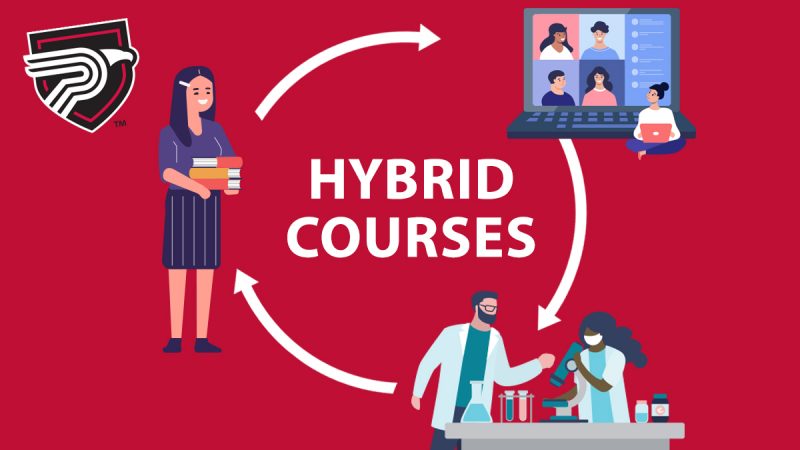
My initial experience was nothing short of eye-opening. The course was on digital marketing, a field I was keen to dive into, and the structure immediately felt different from anything I’d known. We had a weekly in-person session, typically a three-hour block on a Tuesday evening, where we’d gather in a comfortable classroom. This wasn’t a traditional lecture, though. The professor, a vibrant and experienced professional, used this time for deep-dive discussions, group activities, case studies, and Q&A sessions that built directly on the material we’d covered independently online. It was where the theories clicked into place, where the abstract concepts gained real-world texture through peer interaction and expert guidance.
The online component, which formed the bulk of our learning, was where the magic of flexibility truly shone. Each week, usually over the weekend or scattered across my lunch breaks, I’d log into the learning platform. There, I’d find pre-recorded video lectures – often broken into digestible 15-20 minute segments – along with reading materials, interactive quizzes, and discussion prompts. I could watch the lectures at 1.5x speed if I was already familiar with a concept, or pause and rewind if something needed extra attention. I could read the articles during my commute or late at night after the kids were asleep. The assignments, too, were submitted digitally, allowing for asynchronous feedback and collaboration with classmates on group projects. This rhythm, this gentle sway between independent study and collective engagement, quickly became second nature, and I found myself more deeply absorbed in the material than ever before.
What really struck me was how this model addressed so many of the common frustrations with traditional learning. Remember those lectures where your mind would drift, or you’d miss a crucial point because you were jotting down notes? With hybrid learning, those recorded sessions meant I could revisit complex topics as many times as needed. And for those shy moments, when you have a burning question but don’t quite dare to raise your hand in a packed lecture hall? The online discussion forums became a safe space. I saw classmates who were typically quiet in person blossom online, contributing thoughtful insights and engaging in robust debates through typed words. Then, when we met in person, those initial online connections often translated into easier, more natural face-to-face interactions, building a stronger sense of community than I’d anticipated.
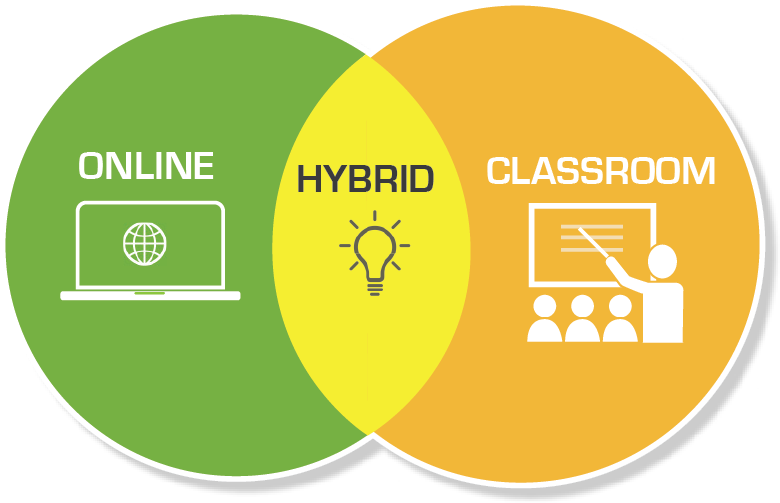
The beauty of a hybrid course, as I quickly learned, lies in its intelligent design. It doesn’t just throw online and in-person elements together; it carefully curates them to maximize their individual strengths. The online part provides the foundational knowledge, the theoretical framework, and the flexibility for self-paced learning. It’s excellent for absorbing information, for self-reflection, and for developing digital literacy skills that are indispensable in today’s world. You learn to manage your time, to navigate online platforms, and to be a self-directed learner – skills that go far beyond the course content itself.
The in-person sessions, on the other hand, are where the true human connection and deeper understanding often happen. They are perfect for collaborative problem-solving, for hands-on activities, for nuanced discussions where body language and immediate feedback play a crucial role. This is where you clarify doubts directly with your instructor, where you network with peers, and where you engage in the kind of spontaneous intellectual sparring that online forums sometimes struggle to replicate. For instance, in my marketing course, our in-person sessions were vital for critiquing each other’s campaign ideas, role-playing client pitches, and getting immediate feedback on presentation skills. It was the place where theory met practice in a dynamic, engaging way.
One of the biggest advantages I personally experienced was the newfound flexibility. I wasn’t tied down to a fixed schedule five days a week. This meant I could continue working my job, dedicate time to my family, and even pursue a hobby or two without feeling overwhelmed or constantly behind. I could structure my week in a way that truly worked for me, rather than fitting my life around an inflexible academic calendar. This freedom was liberating and, I believe, made me a more motivated and effective learner. It wasn’t just about convenience; it was about empowerment. It allowed me to pursue further education without putting my entire life on hold.
Of course, it wasn’t always smooth sailing. The initial weeks required a strong dose of self-discipline. There’s no bell ringing to signal the start of your online lecture, and no professor staring you down if you haven’t done the readings. It truly is up to you to manage your time, set your own deadlines for online tasks, and stay on top of the material. There were moments when I felt the familiar pull of procrastination, or when a technical glitch would momentarily derail my progress. But these challenges, I realized, were part of the learning process. They taught me resilience, problem-solving, and the importance of proactive communication. I learned to schedule my online study blocks as seriously as I would an in-person meeting, and to reach out to my professor or classmates immediately if I encountered a hurdle.
Another potential pitfall, especially for those new to this format, can be a feeling of isolation if you don’t actively engage. While the online forums provide interaction, they don’t replace the casual hallway chats. I found it incredibly helpful to make an effort to connect with a few classmates during the in-person sessions. We’d exchange numbers, form a small study group, and sometimes even grab coffee after class. These informal connections enriched the experience immensely, providing a support system and making the whole journey feel less solitary. It reinforced the idea that while hybrid learning offers individual flexibility, it doesn’t mean you’re learning in isolation. The community is there; you just need to reach out and embrace it.
So, who is hybrid learning for? In my opinion, it’s for almost anyone seeking a more adaptable and enriched educational experience. It’s perfect for working professionals like me, who need to upskill or reskill without interrupting their careers. It’s a godsend for parents juggling childcare and other family commitments. It’s excellent for students balancing multiple part-time jobs or other academic pursuits. It also opens doors for individuals in remote areas who might not have easy access to specialized courses offered only at a physical campus. And for those who thrive with a mix of independent study and collaborative engagement, it offers a truly stimulating environment. It caters to different learning styles, providing options for auditory learners (video lectures), visual learners (readings, diagrams), and kinesthetic learners (hands-on activities in person).
If you’re considering a hybrid course, based on my journey, I have a few pointers. First, treat your online study time with the same reverence as your in-person classes. Block out specific times in your calendar for lectures, readings, and assignments, and stick to them. Second, don’t be a ghost online. Participate in discussion forums, ask questions, and engage with your peers. Your contributions enrich the learning environment for everyone, and it’s a fantastic way to solidify your understanding. Third, build a dedicated study space at home. Even if it’s just a corner of your living room, having a consistent, quiet spot free from distractions can make a world of difference. Fourth, communicate proactively with your instructors. If you’re struggling, if you have questions, or if you anticipate missing an in-person session, let them know. They are there to support you. And finally, be open to the experience. It might feel different at first, but embrace the flexibility and the unique blend of resources it offers.
Looking ahead, I firmly believe that hybrid learning isn’t just a temporary solution or a passing fad. It represents a significant step forward in education, a model that truly caters to the diverse needs of modern learners. The world is constantly evolving, and so too must our methods of acquiring knowledge and skills. Hybrid courses offer a dynamic, responsive, and ultimately more human-centric approach to learning, one that respects individual circumstances while fostering a strong sense of community and shared discovery. It empowers us to take ownership of our education, to learn on our own terms, and to seamlessly integrate personal growth with the demands of a busy life. My journey through a hybrid course wasn’t just about mastering digital marketing; it was about rediscovering my passion for learning, proving to myself that education can indeed be flexible, engaging, and deeply rewarding, no matter what life throws my way. It was, quite simply, the best of both worlds, beautifully intertwined.