
I remember a time, not so long ago, when the phrase "corporate training" conjured images of dreary conference rooms, droning PowerPoint presentations, and the distinct smell of stale coffee. It felt like a mandatory chore, a box to tick, something you endured rather than engaged with. My younger self, fresh out of college and eager to make a mark, viewed these sessions with a healthy dose of skepticism, often wondering if the time spent could be better utilized at my desk, actually doing work. Oh, how wrong I was.
My journey into understanding the true essence and profound impact of corporate training didn’t begin with an epiphany, but rather with a slow, gradual realization, much like watching a complex pattern emerge from what initially seemed like random threads. It started with a mandatory "Effective Business Communication" workshop early in my career. I walked in, laptop open, ready to multitask through what I assumed would be two days of common sense reiterated. Instead, I found myself captivated. The facilitator, a seasoned professional with a twinkle in her eye, didn’t just lecture; she wove stories, posed challenging questions, and orchestrated interactive exercises that forced us to confront our own communication habits, both good and bad.
We practiced active listening, not just hearing words, but truly understanding the underlying message. We learned about body language, the power of concise writing, and how to deliver feedback that builds rather than breaks. It wasn’t about fancy jargon; it was about human connection, about clarity, and about respect. By the end of those two days, I felt a shift. My emails became clearer, my team meetings more productive, and my ability to articulate ideas improved significantly. This wasn’t just a soft skill; it was a foundational life skill, polished and refined for the workplace. This particular corporate training wasn’t a chore; it was an investment, and I could feel the returns almost immediately.
That experience cracked open my cynical shell. It made me look at every subsequent corporate training course with a fresh perspective. I began to see these sessions not as interruptions, but as opportunities – chances to learn, to grow, and to connect with colleagues in a different context. I started observing how my peers, some more experienced, some just starting, also transformed through these programs. It wasn’t just me; the entire team seemed to hum with a slightly different, more efficient rhythm after certain training interventions.
Over the years, my role shifted, and I found myself increasingly involved in the learning and development (L&D) side of things. This gave me a behind-the-scenes look at the immense thought, planning, and strategic intent that goes into crafting effective corporate training programs. It’s far more than just "sending people to a seminar." It’s about identifying gaps, fostering talent, and aligning individual growth with broader business objectives.
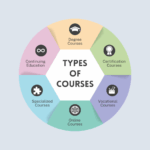
I learned that corporate training isn’t a monolithic entity; it’s a vast, diverse landscape. There are different types, each serving a unique purpose.
The Pillars of Professional Growth: Different Shades of Training
Let’s talk about some of the main categories I encountered, each with its own flavor and impact:
-
Skill Enhancement Training: This is often the most direct and tangible. It can be anything from mastering a new software program vital for our department to learning advanced data analysis techniques. I remember a particularly intense workshop on a new CRM system. Initially, there was resistance – "another new system?!" But the trainers broke it down, patiently guided us through simulations, and showed us how this tool would genuinely streamline our workflow. By the end, the grumbles had turned into excited chatter about newfound efficiencies. This kind of corporate training directly boosts productivity and keeps the workforce current with technological advancements.
-
Leadership and Management Development: This is where the magic truly happens for those aspiring to guide others. I witnessed colleagues, who were excellent individual contributors, struggle initially when promoted to management. Leading a team requires a completely different skill set: delegation, motivation, conflict resolution, strategic thinking, and emotional intelligence. Our leadership training courses were designed not just to impart knowledge but to cultivate these qualities. They involved role-playing, case studies, and mentorship, helping new managers navigate the complex waters of team dynamics. The ripple effect of effective leadership training is profound – it creates a positive work environment, reduces turnover, and drives overall team performance.
-
Soft Skills Training: This category, often underestimated, is arguably the most crucial. We’re talking about communication skills (which I mentioned earlier), teamwork, problem-solving, critical thinking, adaptability, and emotional intelligence. These aren’t just "nice-to-haves"; they are essential for collaboration, innovation, and navigating the ambiguities of modern business. I recall a problem-solving workshop that completely changed how our project teams approached challenges. Instead of jumping to solutions, we learned structured methodologies for root cause analysis and creative brainstorming. The result? More robust solutions and fewer recurring issues. This form of corporate training is the bedrock of a resilient and agile workforce.
-
Onboarding and Orientation: For new hires, this is their first impression of the company culture and expectations. It’s more than just paperwork; it’s about integrating them into the team, familiarizing them with company values, and providing the initial tools they need to succeed. A well-structured onboarding corporate training program makes new employees feel welcome, reduces their learning curve, and significantly improves retention rates. I’ve seen the difference between a new hire who was thrown into the deep end and one who went through a thoughtful, engaging onboarding process – the latter almost always thrived faster and felt more connected.
-
Compliance and Regulatory Training: While sometimes perceived as the least exciting, this is absolutely vital. Think about data privacy regulations, workplace safety protocols, or anti-harassment policies. These corporate training sessions ensure that the company operates ethically and legally, protecting both the organization and its employees. Even here, I’ve seen skilled trainers turn potentially dry material into engaging, memorable sessions by using real-world examples and interactive quizzes.
-
Upskilling and Reskilling for the Future: In today’s rapidly evolving world, jobs change, technologies emerge, and markets shift. Corporate training plays a critical role in preparing the workforce for what’s next. Whether it’s training our marketing team on AI-driven analytics or reskilling manufacturing employees for automation, these programs ensure that the company remains competitive and its employees remain employable. It’s about building a future-proof workforce.
The Art of Effective Corporate Training: Beyond the Content
It wasn’t just what was taught, but how it was taught that made all the difference. I observed certain elements that consistently made corporate training programs impactful:
- Relevance: The best training directly addressed a current need or future challenge faced by the participants or the organization. When employees could see the immediate application of what they were learning, engagement soared.
- Engagement and Interaction: Gone are the days of passive listening. Workshops that included group discussions, simulations, case studies, role-playing, and hands-on exercises were always more effective. Learning by doing leaves a lasting impression.
- Skilled Facilitators: A great trainer isn’t just an expert in their field; they are also adept at teaching, motivating, and managing group dynamics. They can simplify complex ideas, create a safe learning environment, and inspire curiosity.
- Follow-up and Reinforcement: Learning doesn’t stop when the session ends. The most effective corporate training included resources for continued learning, opportunities to apply new skills, and sometimes even follow-up coaching or mentorship. This reinforcement helps embed new behaviors.
- Customization: One size rarely fits all. While some generic training is useful, programs tailored to the specific needs, culture, and industry of the company often yield the best results.
The Ripple Effect: Individual and Organizational Impact
Witnessing these programs from various vantage points, I began to fully appreciate the profound impact of well-executed corporate training.
On the individual level: It boosts confidence. I saw hesitant team members transform into assertive communicators. It opened doors to career advancement; many colleagues gained the skills necessary to take on leadership roles or specialize in new areas. It increased job satisfaction; when employees feel valued and invested in, they are happier and more engaged. It fostered a sense of continuous learning, turning "work" into a journey of constant self-improvement.
On the organizational level: The benefits were equally compelling. Enhanced productivity became evident as teams worked more efficiently. Innovation blossomed as employees felt empowered to experiment and bring new ideas to the table. Employee retention improved significantly; companies that invest in their people tend to keep their people. A positive company culture emerged, where learning was celebrated and growth was encouraged. Ultimately, corporate training directly contributes to achieving business objectives, whether that’s increasing sales, improving customer satisfaction, or streamlining operations. It’s not just a cost; it’s a strategic investment with a clear return.
Navigating the Challenges: The Bumps in the Road
Of course, it wasn’t always smooth sailing. Implementing effective corporate training comes with its own set of challenges. Budget constraints are always a factor, requiring L&D teams to be creative and strategic in their resource allocation. Measuring the return on investment (ROI) can be tricky; while some skills show immediate results, others, like improved leadership or communication, have a more subtle, long-term impact. Getting employees to fully engage, especially when they feel overwhelmed with their day-to-day tasks, is another hurdle. And ensuring the training remains relevant in a rapidly changing world requires constant adaptation. These are the aspects that make the L&D field both challenging and incredibly rewarding.
The Evolution and Future of Corporate Training
The world of corporate training is far from static. I’ve seen it evolve dramatically, moving beyond the traditional classroom setting. The rise of digital platforms has revolutionized how and where learning happens. Online learning modules, webinars, virtual reality simulations, and blended learning approaches (combining online and in-person elements) have become commonplace. Microlearning, delivering bite-sized content that can be consumed quickly, has gained traction, recognizing the demands on employees’ time. Personalized learning paths, leveraging data and AI, are beginning to tailor content to individual needs and learning styles.
Looking ahead, I believe corporate training will continue to focus on agility, adaptability, and human-centric skills. As automation takes over repetitive tasks, the demand for critical thinking, creativity, emotional intelligence, and complex problem-solving will only grow. Training will become even more integrated into the daily workflow, a continuous process rather than a standalone event. The emphasis will be on creating a "learning culture" where curiosity is nurtured, and employees are empowered to take ownership of their own development.
My initial skepticism about corporate training has long since faded, replaced by a deep appreciation and belief in its power. It’s not just about imparting knowledge; it’s about unlocking potential, fostering growth, and building a more capable, engaged, and resilient workforce. It’s about creating a workplace where everyone has the opportunity to learn, to contribute, and to thrive. From that first communication workshop to observing the strategic impact of large-scale development programs, my journey has shown me that corporate training is truly the engine of organizational success and individual empowerment. It’s a continuous, unfolding tapestry, rich with learning and possibility, weaving together the future of work, one skill, one insight, one empowered employee at a time.