
I used to be a ghost in my own life. Not literally, of course, but that’s how it felt. Conversations were minefields, public speaking was a nightmare I actively avoided, and even expressing a simple opinion in a group felt like pulling teeth. My ideas, though often good, would stay locked behind a wall of nervous silence, or worse, come tumbling out in a jumbled mess that left everyone, including myself, confused. I’d nod along, pretending to understand, when inside I was completely lost. My relationships, both personal and professional, felt shallow, often marred by misunderstandings that I simply didn’t know how to untangle. I saw opportunities slip through my fingers – promotions I didn’t get because I couldn’t articulate my value, friendships that withered because I struggled to connect on a deeper level. The world, it seemed, was designed for the articulate, the confident, the smooth talkers, and I was none of those things.
This isn’t a story about some grand, dramatic failure, but rather a slow, creeping realization that my inability to communicate effectively was holding me back from truly living. It was the constant anxiety before any meeting, the clammy hands when asked to share an update, the way my voice would inevitably crack when I tried to assert myself. I was tired of being misunderstood, tired of being overlooked, and utterly exhausted by the effort it took just to exist in social settings. I longed to express myself clearly, to connect authentically with others, and to feel a sense of calm competence when speaking.
The turning point came during a particularly frustrating team meeting. I had a solution to a nagging problem, a genuinely innovative idea that I’d spent days refining. When my turn came to speak, I stammered, lost my train of thought, and ended up just saying, "Uh, maybe we could… do something different?" The idea was instantly dismissed, and someone else, more articulate, later presented a similar concept, receiving all the credit. That evening, staring at my reflection, I made a promise to myself. Enough was enough. I wasn’t going to let my own voice be my greatest enemy anymore. I started searching, desperately, for a way out of my communication prison. That’s when I stumbled upon the "Effective Communication Skills Course" offered at a local community center. The name itself felt like a beacon of hope.
Walking into that classroom for the first time was nerve-wracking. I half-expected a room full of smooth-talking executives looking to polish their already gleaming skills. Instead, I found a diverse group: a young mother wanting to connect better with her children, a retiree aiming to stay sharp and engaged, a small business owner hoping to pitch their ideas more persuasively, and yes, a few shy souls like me, looking down at their shoes. Our instructor, a warm-eyed woman named Clara, greeted us with a genuine smile that immediately put me a little more at ease. She didn’t launch into a dry lecture. Instead, she started with a simple question: "What do you hope to gain from being here?" The room, initially quiet, slowly began to hum with hesitant answers, each person laying bare a piece of their vulnerability. It felt like a safe space, a rare and precious commodity for someone like me.
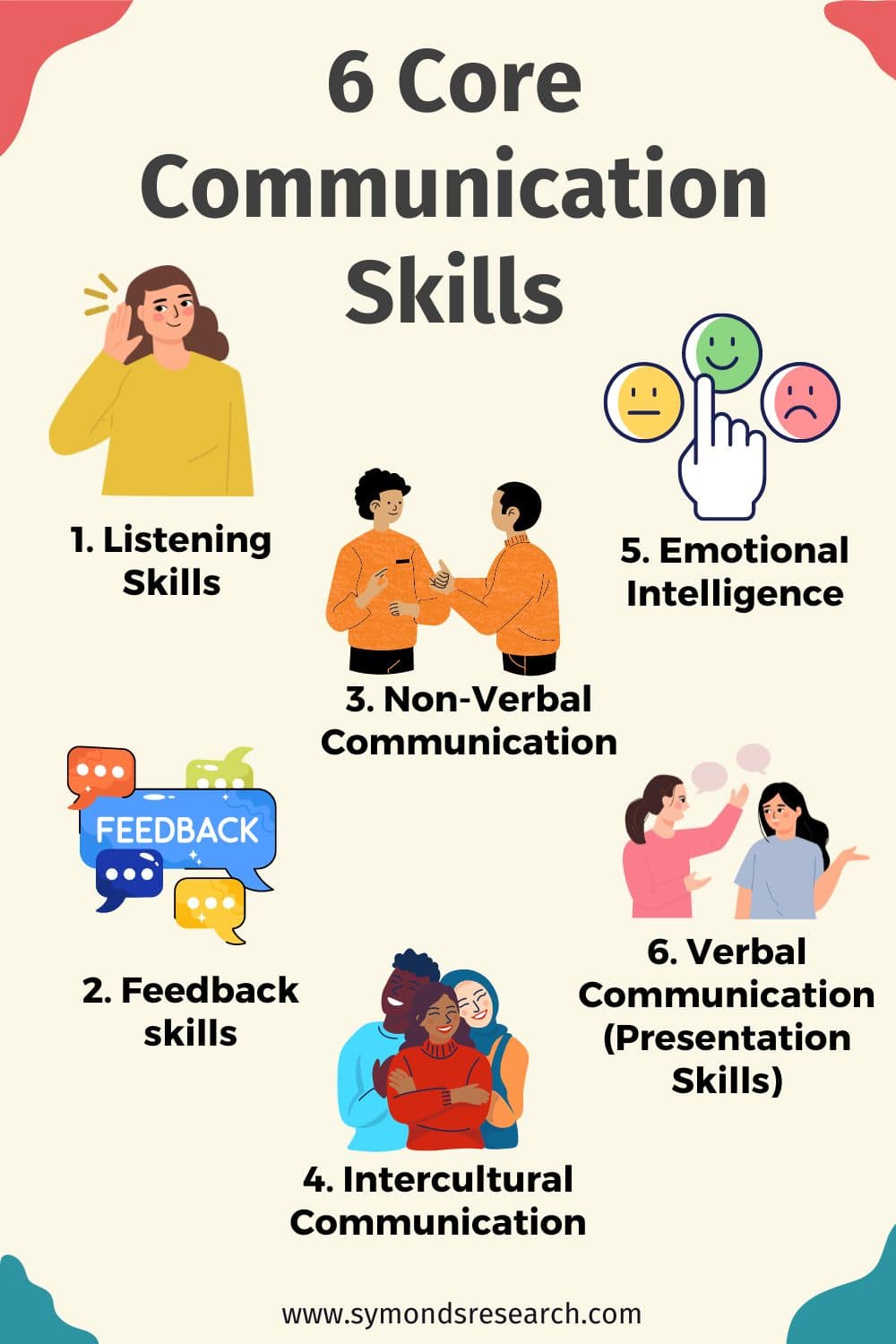
Clara didn’t just teach us what to do; she taught us how to change our entire approach to interaction. One of the first, and perhaps most profound, lessons was about active listening. Before this course, I thought listening meant waiting for my turn to speak. I’d be formulating my response while the other person was still talking, barely absorbing their words, let alone their underlying message. Clara introduced us to the concept of truly hearing – not just the words, but the tone, the emotion, the unspoken subtext. We learned techniques like paraphrasing ("So, if I understand correctly, you’re saying…") and reflective listening ("It sounds like you’re feeling frustrated about…"). We practiced in pairs, deliberately summarizing what our partner said before offering our own thoughts.
I remember a specific exercise where my partner, a quiet man named David, was explaining a convoluted issue he was having at work. My natural inclination was to jump in with advice. But I held back, focusing solely on his words, his posture, the slight tremor in his voice. When he finished, I took a breath and said, "It sounds like you’re feeling overwhelmed by the sheer volume of tasks, and also a bit unsupported by your team, which is making you doubt your own ability to cope. Is that right?" David looked at me, his eyes wide. "Exactly!" he exclaimed. "You got it! No one else has really understood it like that." In that moment, something shifted for me. I realized that truly listening wasn’t passive; it was an incredibly powerful, active act of empathy and connection. It built trust. It made people feel seen and valued. And it gave me a much clearer picture of the situation, so if I did offer advice, it would actually be relevant.
Next, we delved into non-verbal communication. This was a revelation. I always knew body language existed, but I never understood its immense power or how much I was unconsciously broadcasting. Clara taught us about eye contact – not a creepy stare, but a comfortable gaze that signals engagement. We practiced posture, realizing how slouching communicated disinterest or insecurity, while an open, upright stance conveyed confidence and approachability. Gestures, too, were explored; how they could emphasize a point or, if uncontrolled, distract from it. I learned that crossing my arms often signaled defensiveness, even when I wasn’t feeling it, and that a genuine smile could disarm tension like nothing else.
One memorable session involved videotaping ourselves having a simple conversation. Watching myself back was horrifying and illuminating. I saw the way my eyes darted around, avoiding direct contact, my shoulders hunched, my hands fidgeting. I looked nervous, unsure, and frankly, a bit shifty. It was like seeing myself through someone else’s eyes for the first time. The feedback from Clara and my peers was gentle but firm. "Try keeping your hands still," "Hold eye contact for three to five seconds," "Open your shoulders." It felt awkward at first, like wearing a costume, but with conscious practice, these subtle shifts began to feel natural. I started noticing other people’s body language too, gaining a deeper understanding of what they might truly be feeling beyond their words.
Of course, verbal communication itself was a huge focus. This wasn’t just about speaking, but about speaking clearly, concisely, and with purpose. We learned to structure our thoughts before speaking, using techniques like the "PREP" method (Point, Reason, Example, Point) for persuasive arguments. We practiced articulating our main idea upfront, avoiding rambling introductions. Clara stressed the importance of vocabulary, not to sound smart, but to find the right word to convey precise meaning. We worked on tone of voice – how a slight shift could convey empathy, authority, or warmth. My biggest hurdle here was the fear of saying something "wrong." Clara taught us that it’s okay to pause, to take a breath, and to even say, "Let me rephrase that." The goal wasn’t perfection, but clarity and genuine connection.
I remember a role-playing exercise where I had to explain a complex project to a "client" (another student). My initial attempt was a jargon-filled mess. Clara stopped me, "Imagine your client is your grandmother who knows nothing about this field. How would you explain it to her simply?" That reframing was revolutionary. I stripped away the technical terms, focused on the benefits, and used analogies. The "client" actually understood! It taught me the power of tailoring my message to my audience, rather than just broadcasting my thoughts.
Empathy and perspective-taking were woven throughout the course, reinforcing the active listening lessons. Clara emphasized that effective communication isn’t just about my message, but about their reception. We did exercises where we had to argue a viewpoint we fundamentally disagreed with, forcing us to step into another person’s shoes and understand their motivations, fears, and values. This wasn’t about changing my own beliefs, but about developing the capacity to understand why someone else might hold theirs. It softened my internal debates, making me less prone to immediate judgment and more open to dialogue. This skill proved invaluable in navigating disagreements, turning potential arguments into constructive conversations.
Speaking of disagreements, conflict resolution was another cornerstone. For years, I either avoided conflict entirely, letting resentment fester, or I’d dive in aggressively, making things worse. Clara taught us a structured approach: identify the core issue, focus on behaviors not personalities, use "I" statements ("I feel X when Y happens" instead of "You always do Y"), propose solutions collaboratively, and know when to take a break. We practiced mediating mock disputes, learning to de-escalate tension and find common ground. It was like learning a new language for handling friction, transforming something I dreaded into something I could approach with a plan.
And then, the big one: public speaking. The mere mention of it used to send shivers down my spine. My palms would sweat, my heart would pound, and my mind would go utterly blank. Clara understood this fear. She didn’t throw us onto a stage immediately. We started small, with short, informal talks to just a few classmates. We learned techniques for managing anxiety: deep breathing, visualization, focusing on friendly faces. We practiced structuring presentations, using compelling stories, and engaging the audience with questions. We learned that it’s okay to be nervous, that most people are, and that preparation is the antidote to panic.
My first formal presentation in front of the whole class felt like climbing Mount Everest. My voice wavered, my hands shook, but I remembered Clara’s advice: "Connect with one person at a time, tell your story, and remember your message is important." I managed to get through it, stumbling a few times, but I didn’t freeze. The applause, even for my imperfect delivery, felt like a monumental victory. Each subsequent presentation got a little easier, a little smoother. I started to enjoy the challenge, the thrill of sharing an idea and seeing it land with an audience. I learned that public speaking isn’t about being perfect; it’s about being authentic and having something worthwhile to say.
The course wasn’t just about learning techniques; it was about consistent practice and applying these skills in the real world. Clara encouraged us to try out a new listening technique at work, to practice assertive "I" statements with a difficult family member, or to offer constructive feedback to a colleague. She created a supportive environment where it was safe to fail and try again. We shared our weekly "communication wins" and "communication challenges," learning from each other’s experiences.
The transformation wasn’t instant, but it was undeniable. Slowly, subtly, I started to change. I noticed myself pausing before responding, truly listening to understand. My conversations became richer, deeper. I found myself contributing more confidently in meetings, able to articulate my ideas with a newfound clarity. The anxiety that used to cripple me began to recede, replaced by a quiet confidence. I still felt nervous before big presentations, but it was a manageable nervousness, a buzz of anticipation rather than a paralyzing fear.
At work, my relationships with colleagues improved dramatically. Misunderstandings became fewer, and when they did arise, I had the tools to address them calmly and effectively. I even started volunteering for opportunities that required speaking, something I would have laughed at just months before. In my personal life, I found myself connecting more deeply with friends and family, able to express my feelings and needs without fear of judgment, and better able to support them by truly listening to theirs. The "ghost" started to solidify, to gain substance, to have a voice.
Looking back, that communication skills course wasn’t just about learning how to talk or listen. It was about learning how to be more present, more empathetic, and ultimately, more human. It was about building confidence from the inside out, understanding that my voice mattered, and that I had the power to make it heard. It taught me that communication is not a talent reserved for a select few, but a skill that can be learned, honed, and mastered by anyone willing to put in the effort.
If you find yourself struggling with communication, feeling unheard, misunderstood, or simply longing to connect more effectively with the world around you, I wholeheartedly recommend finding a similar course. Look for one that emphasizes practice, provides constructive feedback, and creates a safe, supportive learning environment. Don’t look for quick fixes or magic formulas. Look for a program that teaches you fundamental skills and encourages you to apply them consistently. It won’t erase all your fears overnight, but it will equip you with the tools, the understanding, and the confidence to navigate the complexities of human interaction with grace and authenticity.
My journey is ongoing. Communication is a lifelong practice, a skill that constantly evolves. But now, I face it not with dread, but with curiosity and a sense of empowerment. I’ve found my voice, and the world feels a little less daunting, a lot more connected, and infinitely more opportunities now seem within reach. It was, without a doubt, one of the most valuable investments I’ve ever made in myself.