
Imagine Sarah, a marketing professional in her late 30s. She’s good at her job, knows her company inside and out, and has a comfortable routine. But lately, a nagging feeling has been creeping in. The digital landscape is shifting at warp speed. New tools pop up daily, younger colleagues talk about AI-driven analytics, and Sarah feels a subtle, yet undeniable, disconnect. Her routine, once comfortable, now feels a bit like a treadmill going nowhere fast. She’s not unhappy, but she’s certainly not excited.
Then there’s Mark, a software developer. He’s always been passionate about coding, but after years in the same niche, he’s starting to see the writing on the wall. His current skills, while solid, aren’t the ones fetching the top salaries or landing the most innovative projects anymore. He dreams of diving into machine learning or cybersecurity, but the gap between his current knowledge and those cutting-edge fields feels like a canyon.
You might know that feeling. It’s the quiet whisper that says, "Is this all there is?" Or the louder alarm bell that screams, "The world is changing, and I need to keep up!" For countless professionals like Sarah and Mark, this realization isn’t a sign of failure; it’s the beginning of an exciting journey. It’s the moment they discover the transformative power of upskilling courses.
These aren’t just academic programs or dry lectures. Think of them as guided adventures, designed to equip you with the exact knowledge and practical tools you need to not just survive, but truly thrive, in today’s dynamic job market. They’re about writing new, more exciting chapters in your professional story.
What Exactly Are Upskilling Courses? Your Bridge to Tomorrow’s Opportunities
At its heart, upskilling is about acquiring new competencies or enhancing existing ones to meet the demands of an evolving workplace. Upskilling courses are structured educational programs specifically designed to facilitate this learning. They can range from short, intensive bootcamps to longer, more comprehensive certifications, all focused on practical application.
Why are these courses so vital right now? The world of work is no longer static. Automation, artificial intelligence, and global connectivity are reshaping industries faster than ever before. Jobs that didn’t exist a decade ago are now mainstream, and many traditional roles are requiring entirely new skill sets. For instance, a marketing role today demands far more than just creative campaigns; it often requires data analysis, SEO expertise, and proficiency in various digital platforms. This is where professional development courses become not just a luxury, but a necessity.
Consider the "shelf-life" of skills. What was cutting-edge five years ago might be standard, or even obsolete, today. Career advancement programs recognize this reality and offer a proactive solution. They provide a structured way to stay relevant, competitive, and valuable to employers. They’re about staying ahead of the curve, not just catching up.
- Why Now? The Evolving Job Market Demands It
The truth is, if you’re not learning, you’re likely falling behind. The digital revolution isn’t a future event; it’s happening right now. Industries are being disrupted, and companies are hungry for employees who can navigate this new terrain. They need people with high-demand skills – think data analytics, cybersecurity, cloud computing, and advanced digital marketing. Without these, even experienced professionals can find themselves sidelined.
But it’s not just about technology. The rise of remote work and global teams has also put a premium on soft skills training like effective communication, adaptability, emotional intelligence, and critical thinking. These are the human skills that AI can’t replicate, and they are increasingly sought after in every sector.
- Beyond the Resume: Real-World Impact
While a shiny new certification certainly looks good on a resume, the impact of upskilling goes much deeper. Imagine Sarah, after taking her first digital skills course. She’s no longer just managing social media; she’s interpreting engagement data, running targeted ad campaigns, and even experimenting with AI-powered content creation tools. Her confidence soars. She’s not just doing her job; she’s shaping the future of her department’s marketing strategy.
For Mark, enrolling in a data science bootcamp means he’s finally tackling the kind of complex problems he always dreamed of. He’s building predictive models, not just maintaining old code. This isn’t just about a job title; it’s about renewed passion, intellectual stimulation, and a profound sense of accomplishment. Upskilling courses aren’t just about career growth; they’re about personal growth, too. They reignite curiosity, build resilience, and open your mind to new possibilities you might never have considered.
Finding Your Path: Navigating the Upskilling Landscape
Okay, so the "why" is clear. But with so many options out there, how do you even begin to choose? It can feel overwhelming, like standing in a massive library with no clear map.
- Identifying High-Demand Skills for Your Future-Proof Career
The first step is a bit of self-reflection and market research. What are your existing strengths? What areas genuinely excite you? Then, look outwards. What skills are employers consistently asking for in your industry, or in the industry you want to be in? Websites like LinkedIn, industry reports, and even job boards can offer valuable insights into what constitutes high-demand skills right now.
Are you seeing a lot of demand for IT certification courses in cloud platforms like AWS or Azure? Is project management certification a recurring requirement for leadership roles? Perhaps you’re noticing a surge in need for people who can understand and apply data, making data science bootcamps incredibly attractive.
Think about what will truly future-proof your career. This isn’t about chasing every fad, but about investing in foundational skills that have long-term relevance. Digital literacy, critical thinking, and complex problem-solving are always going to be valuable.
- Choosing the Right Course and Platform: Your Learning Ecosystem
Once you have a target skill or area in mind, the next decision is where and how to learn. The beauty of today’s learning landscape is its incredible diversity.
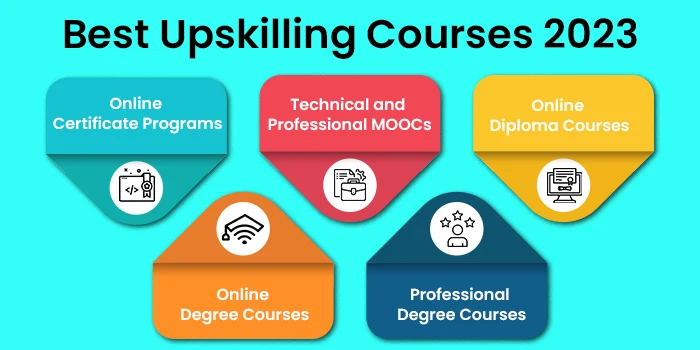
- Online Upskilling Platforms: These are a game-changer for flexibility. Platforms like Coursera, edX, Udemy, and Udacity offer thousands of courses, often from top universities and industry experts. You can learn at your own pace, fitting study around your existing commitments. Many offer specialized programs, professional certificates, and even degrees. This is ideal for someone like Sarah, who needs to balance her full-time job with her learning.
- Bootcamps: For intensive, hands-on learning in fields like coding, data science, or cybersecurity, bootcamps are incredibly popular. They’re often short (a few weeks to a few months), highly practical, and designed to get you job-ready quickly. Mark found a data science bootcamp that promised to immerse him in Python, machine learning algorithms, and data visualization – exactly what he needed.
- University Extension Programs: Many universities offer non-degree or certificate programs, either online or in-person, that are specifically tailored for working professionals. These can be excellent for gaining academic rigor and networking opportunities.
- Corporate Training Solutions: Don’t forget your employer! Many companies invest in corporate training solutions for their staff, offering internal programs or sponsoring external courses. It’s always worth asking your HR department or manager about available options for skill development training.
- Industry-Specific Certifications: For certain professions, specific certifications are paramount. Think PMP for project managers, various Google or HubSpot certifications for marketers, or specialized cybersecurity certifications like CompTIA. These often validate a specific level of expertise and are highly valued by employers.
When choosing, consider factors like the course structure (self-paced vs. live instruction), the credentials of the instructors, the practical projects involved, and reviews from past students. Look for programs that emphasize hands-on application, not just theoretical knowledge.
Types of Upskilling Courses You Can Explore: A World of Possibilities
The range of upskilling courses available today is staggering. Here are some of the most popular and impactful categories:
-
Tech & Digital Skills: This is a vast and ever-growing area.
- Coding & Programming: Python, JavaScript, Java, C++ are still foundational. Learning these can open doors to software development, web development, and more.
- Data Science & Analytics: This field is exploding. Data science bootcamps and courses in data analysis, machine learning, artificial intelligence, and big data tools (like SQL, R, Python libraries) are in huge demand. Mark’s chosen path perfectly illustrates this.
- Cybersecurity: With increasing digital threats, professionals in network security, ethical hacking, and information security management are critically important. IT certification courses in this domain are gold.
- Cloud Computing: AWS, Azure, Google Cloud Platform certifications are essential for anyone working with modern infrastructure.
- Digital Marketing: Beyond basic social media, this includes SEO, SEM, content marketing, email marketing automation, and analytics. Sarah’s initial dive into digital skills courses would likely start here.
- UX/UI Design: Creating intuitive and engaging user experiences is vital for any digital product.
-
Business & Leadership: These courses help you climb the corporate ladder or even start your own venture.
- Project Management: Project management courses and certifications (like PMP or PRINCE2) are invaluable for leading teams and delivering successful outcomes.
- Leadership Training & Executive Education: For those aspiring to management or senior roles, courses on strategic thinking, team leadership, negotiation, and change management are crucial. Executive education programs often target experienced leaders looking to refine their skills.
- Financial Acumen: Understanding business finance, budgeting, and investment strategies is beneficial for professionals in any field.
- Entrepreneurship: Courses on business planning, startup funding, and market analysis can equip aspiring business owners.
-
Soft Skills & Personal Development: Often overlooked, these are the "human" skills that make you a more effective and adaptable professional.
- Communication & Presentation Skills: Crucial for conveying ideas clearly and persuasively.
- Emotional Intelligence: Understanding and managing your own emotions and those of others.
- Critical Thinking & Problem Solving: Essential for navigating complex challenges.
- Adaptability & Resilience: Learning to thrive in uncertain environments.
- Time Management & Productivity: Maximizing efficiency in your work.
-
Industry-Specific Certifications: These are highly specialized and often required for specific roles. Think of certifications in healthcare administration, financial planning, specific software tools (e.g., Salesforce Administrator), or manufacturing processes.
The Journey Begins: What to Expect from an Upskilling Course
Committing to an upskilling course is a significant decision, and knowing what to expect can help you prepare. It’s not always a smooth, easy ride, but the rewards are immense.
- The Learning Experience: It’s Not Just About Lectures Anymore
Modern skill development training is highly interactive and practical. You won’t just be passively listening to lectures. Expect:
- Hands-on Projects: Many courses include real-world projects, case studies, or coding challenges where you apply what you learn. Mark, in his data science bootcamp, spent hours building models and analyzing datasets.
- Interactive Modules: Videos, quizzes, discussion forums, and interactive exercises are common.
- Peer Learning: You’ll often connect with other students, sharing insights and working together on assignments. This builds a valuable network.
- Expert Instructors: Learning from professionals who are actively working in the field provides invaluable insights and mentorship.
- Flexible Pacing: Many online upskilling options allow you to set your own schedule, which is perfect for busy professionals.
- Overcoming Challenges: The Path Isn’t Always Easy
Let’s be real: learning new skills while juggling work, family, and other commitments can be tough.
- Time Management: This is often the biggest hurdle. You’ll need to carve out dedicated study time and stick to it. Sarah found that blocking off an hour each evening and a few hours on weekends was essential.
- Staying Motivated: There will be moments of frustration or when you feel overwhelmed. Remember why you started. Connect with your peers, reach out to instructors, and celebrate small victories.
- Imposter Syndrome: It’s common to feel like you’re not smart enough or don’t belong. Push past it. Everyone starts somewhere, and consistent effort is more important than innate talent.
- Building Your Network: More Than Just a Certificate
One of the often-underestimated benefits of upskilling courses is the opportunity to expand your professional network. You’ll connect with:
- Fellow Students: These are people who share your ambition and are often in similar career stages. They can become future colleagues, collaborators, or sources of job leads.
- Instructors & Mentors: These industry experts can offer guidance, insights, and potentially even recommendations.
- Alumni Networks: Many reputable platforms and bootcamps have strong alumni communities, providing ongoing support and networking opportunities.
The Payoff: How Upskilling Transforms Your Career
So, you’ve put in the hard work. You’ve mastered new concepts, built practical projects, and earned your certification. What happens next? This is where the story truly unfolds.
- Boosting Your Value & Earning Potential
The most direct benefit is often a significant boost in your professional value. Employers are willing to pay a premium for skills that are in demand and directly impact their bottom line.
- Promotions & New Roles: Sarah, armed with her new digital marketing analytics skills, wasn’t just doing her job better; she was now leading a new initiative to implement AI-driven campaign optimization. Her manager took notice, and a promotion to Senior Marketing Strategist quickly followed. This is a classic example of career advancement programs paying off.
- Higher Salary: Mark, after his data science bootcamp, wasn’t stuck in his old coding niche. He landed a new role as a Junior Data Scientist at a rapidly growing tech startup, with a substantial increase in salary. His career change courses truly opened up a new income bracket.
- Increased Job Security: In an uncertain economic climate, having diverse and relevant skills makes you far more resilient to market shifts. You become an indispensable asset.
- Opening New Doors: Career Change & Entrepreneurship
Sometimes, upskilling isn’t about moving up a ladder, but about stepping onto an entirely new one.
- Career Change Courses: Perhaps you’ve always dreamed of shifting from finance to tech, or from teaching to instructional design. Upskilling courses provide the structured pathway to make these transitions without going back for a full degree. Mark’s story is a testament to this, moving from traditional software development to the cutting-edge field of data science.
- Entrepreneurial Opportunities: New skills can empower you to start your own business. Maybe you learn web development and build your own e-commerce site, or master social media marketing to launch a consulting agency. Acquire new skills and suddenly, you’re not just an employee, but a creator.
- Freelancing & Consulting: Many upskilled professionals leverage their new expertise to offer freelance services, providing an additional income stream or even a full-time career with greater flexibility.
- Personal Growth & Fulfillment: Beyond the Bottom Line
Beyond the tangible career benefits, upskilling offers profound personal rewards.
- Renewed Confidence: There’s an incredible feeling of empowerment that comes from mastering something new. Sarah no longer felt disconnected; she felt ahead of the curve, capable, and excited about her future.
- Intellectual Stimulation: Learning keeps your mind sharp, prevents stagnation, and fosters a lifelong love of discovery. It’s an investment in yourself.
- Sense of Purpose: When you’re actively shaping your own professional trajectory, you feel more in control and driven. This leads to greater job satisfaction and overall well-being.
- Inspiring Others: Your journey can inspire colleagues, friends, and family to pursue their own growth.
Making It Happen: Practical Steps to Start Your Upskilling Journey
Ready to write your next chapter? Here’s a simple roadmap to get you started:
- Assess Your Current Skills & Goals: Be honest with yourself. What are you good at? Where are your gaps? What do you want to achieve in the next 1, 3, or 5 years? Do you want to boost your career in your current role, or do you want to completely improve job prospects in a new field?
- Research & Compare Options: Don’t jump into the first course you see. Explore various best upskilling platforms. Read reviews, compare curricula, check instructor credentials, and consider the time commitment. Look for programs that align with your learning style and budget.
- Commit & Schedule: Once you’ve chosen, treat it like any other important appointment. Block out study time in your calendar. Tell your friends and family so they can support you. Consistency is key.
- Apply What You Learn: The real magic happens when you use your new skills. Look for opportunities at work, volunteer for projects, or even start a personal side project. Practical application solidifies learning and builds your portfolio. This is how you truly acquire new skills and make them your own.
The Unwritten Chapters Await
Sarah, now a respected leader in her marketing department, often looks back at that moment of quiet anxiety. She sees it not as a setback, but as a pivotal turning point. Mark, thriving in his new data science role, often mentors aspiring developers, sharing his journey and encouraging them to take the leap. Both of them didn’t just find new jobs or promotions; they rediscovered their passion, unlocked new potential, and became more fulfilled individuals.
Your career story isn’t finished. There are countless unwritten chapters, filled with exciting challenges, new discoveries, and incredible achievements. Upskilling courses are the pen in your hand, giving you the power to write those chapters, to shape your own destiny, and to truly thrive in the ever-evolving narrative of the modern professional world. Don’t just watch the future unfold; actively build it, one new skill at a time. The time to start is now.