
Imagine a quiet office, perhaps a little too quiet. Sarah, a marketing specialist, has been doing a fantastic job for five years, but lately, a subtle weariness has crept into her work. She feels competent, yes, but also a bit…stuck. Across the hall, David, a promising team leader, struggles to motivate his new, diverse team. He knows he needs to do more than just delegate tasks; he needs to inspire, but he’s unsure how. Meanwhile, the company’s CEO, Eleanor, watches market trends shift rapidly, realizing their current workforce, however talented, might not be fully equipped for the digital tidal wave approaching.
These aren’t isolated stories. They are the everyday realities in countless organizations worldwide, pointing to a universal truth: stagnation is the silent killer of both individual careers and organizational growth. This is precisely where the power of employee development courses steps onto the scene, not as a quick fix, but as a strategic, ongoing investment in the very heartbeat of a company – its people.
The Whispers of Stagnation: Why Development Becomes Essential
Think back to Sarah, feeling competent but stagnant. For individuals, the desire to learn, grow, and take on new challenges is innate. When this desire isn’t met, disengagement sets in. Productivity dips, motivation wanes, and before you know it, top talent starts scanning job boards. An employee development course isn’t just about teaching a new skill; it’s about reigniting that spark, providing a clear pathway for professional growth opportunities, and showing an employee that their future within the company is valued and invested in.
From the company’s perspective, the landscape is constantly shifting. New technologies emerge, customer expectations evolve, and competitors innovate at breakneck speed. A workforce that isn’t continuously learning is a workforce falling behind. This isn’t merely about keeping up; it’s about staying competitive, agile, and resilient. Workforce training solutions become not just beneficial, but absolutely critical for survival and prosperity. They address skill gaps, foster innovation, and build a stronger, more adaptable team.
The "Aha!" Moment: When Companies Realize the Need
Eleanor, our CEO, wasn’t just observing market trends; she was feeling the pressure. Her company was losing bids to more technologically adept competitors. Employee turnover, though not catastrophic, was steadily increasing, especially among younger, ambitious staff who cited "lack of growth opportunities" in exit interviews. This was her "aha!" moment. She realized that relying solely on external hires to bring in new skills was a never-ending, expensive cycle. The real solution lay in nurturing the talent she already had.
This realization often prompts a deep dive into talent development strategies. It’s not just about sending a few people to a seminar; it’s about crafting a comprehensive plan that identifies current and future skill needs, aligns with business objectives, and creates a culture of continuous learning. This proactive approach transforms a reactive problem into a strategic advantage, moving from simply filling gaps to actively upskilling employees for tomorrow’s challenges.
A Kaleidoscope of Learning: Types of Employee Development Courses
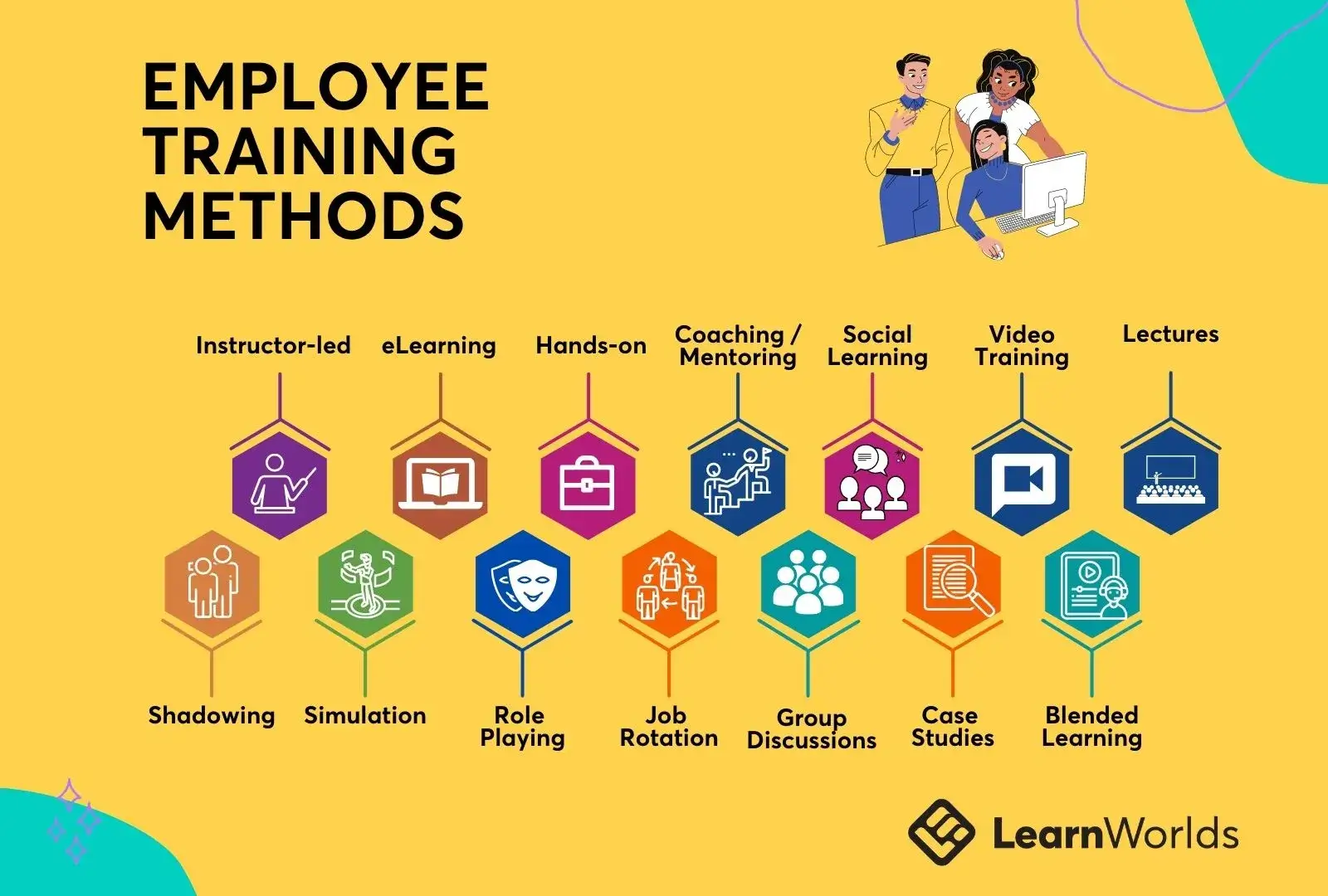
The beauty of employee development courses lies in their diversity. There isn’t a one-size-fits-all solution, because every individual and every organization has unique needs. Let’s explore some of the common, yet profoundly impactful, categories:
-
Technical Skills Training: This is often the most straightforward. Is your sales team struggling with a new CRM software? Do your engineers need to master a new programming language? Are your designers falling behind on the latest graphic design tools? Technical skills training addresses these direct needs, ensuring employees have the practical competencies required to perform their roles effectively. This can range from IT certifications to operating specialized machinery, directly impacting productivity and efficiency.
-
Soft Skills Development: Often underestimated, soft skills are the grease in the gears of any successful organization. These include communication, emotional intelligence, problem-solving, adaptability, critical thinking, and teamwork. David, our team leader, struggling with motivation, would greatly benefit from leadership training programs focused on active listening, empathetic communication, and conflict resolution. Courses on soft skills training help employees navigate interpersonal dynamics, collaborate more effectively, and become more influential within their roles. These skills are notoriously difficult to automate, making them incredibly valuable in an AI-driven world.
-
Leadership and Management Training: As companies grow, they need strong leaders at all levels. From first-time managers to senior executives, leadership training programs equip individuals with the vision, strategic thinking, decision-making abilities, and people management skills necessary to guide teams and drive organizational success. This includes courses on coaching, performance feedback, strategic planning, and fostering an inclusive work environment. These programs are vital for nurturing future leaders from within, creating a robust succession pipeline.
-
Digital Literacy and Transformation Training: The digital revolution isn’t coming; it’s here. Many traditional roles are being augmented or transformed by technology. Digital transformation training helps employees understand and utilize new digital tools, platforms, and methodologies. This could involve learning data analytics, understanding cloud computing, mastering digital marketing techniques, or even basic cyber hygiene. It ensures the entire workforce is prepared for the future of work and can contribute to the company’s digital strategy.
-
Wellness and Wellbeing Programs: While not always categorized as "development" in the traditional sense, programs focused on mental health, stress management, financial literacy, and physical wellness contribute significantly to an employee’s overall ability to perform and grow. A healthy, well-supported employee is a more engaged, productive, and resilient employee. These initiatives are a key part of holistic employee engagement initiatives.
Charting the Course: Choosing the Right Employee Development Program
With such a vast array of options, how does a company like Eleanor’s choose the right path? It’s not about randomly picking a course; it’s about strategic alignment.
First, a thorough needs assessment is paramount. This involves:
- Identifying Business Objectives: What are the company’s strategic goals for the next 1-3 years? What skills are needed to achieve them?
- Performance Reviews and Feedback: What specific skill gaps or development areas are highlighted in employee performance reviews? Where do employees themselves express a desire to grow?
- Market Analysis: What are industry trends suggesting about future skill demands?
- Employee Surveys and Interviews: Directly ask employees what kind of training they feel would be most beneficial for their roles and careers.
Once needs are identified, then comes the selection. Factors to consider include:
- Relevance: Does the course directly address an identified skill gap or support a business objective?
- Format: Is it an intensive workshop, a self-paced online module, a blended learning approach, or one-on-one coaching? Each has its merits. Online learning for employees has gained immense popularity for its flexibility and scalability, especially with corporate learning platforms.
- Quality of Content and Instructors: Is the material up-to-date, engaging, and delivered by experienced professionals?
- Cost-Effectiveness: Does the investment align with the potential returns?
- Customization: Can the program be tailored to the specific context and challenges of the organization? Many companies seek customized employee training to ensure maximum relevance.
Making it Happen: Implementation and Accessibility
Choosing the right course is only half the battle; effective implementation is key. Companies must create an environment where learning is not just encouraged but actively supported.
- Dedicated Time and Resources: Employees need time during work hours to participate in courses. Expecting them to learn only on their own time sends a message that development isn’t a priority.
- Accessibility: Whether it’s through a robust corporate learning platform for online learning for employees or arranging convenient in-person workshops, access must be seamless.
- Leadership Buy-in: When leaders actively participate in or champion development initiatives, it signals their importance to the entire organization.
- Follow-up and Application: Learning shouldn’t end when the course does. Managers should actively seek opportunities for employees to apply new skills and provide constructive feedback. This is where performance improvement plans can tie into development, ensuring new skills translate into tangible results.
The Tangible Rewards: Measuring the ROI of Training
For any business investment, especially one as significant as employee development courses, demonstrating a clear return on investment (ROI) of training is crucial. While some benefits, like increased morale, are harder to quantify directly, many can be measured.
Consider these metrics:
- Improved Performance: Are employees completing tasks faster, more accurately, or with higher quality after training? Track key performance indicators (KPIs) before and after development initiatives.
- Reduced Errors and Rework: Better-trained employees make fewer mistakes, saving time and resources.
- Increased Innovation: Does development lead to new ideas, processes, or products?
- Higher Employee Retention: Companies that invest in their employees often see lower turnover rates. This directly impacts recruitment costs and preserves institutional knowledge, contributing to strong employee retention strategies.
- Enhanced Customer Satisfaction: Employees with improved skills (e.g., communication, problem-solving) can deliver better customer service.
- Faster Project Completion: Teams with updated skills can tackle complex projects more efficiently.
- Promotion Rates: Are more internal candidates being promoted into higher roles, indicating successful leadership development?
Eleanor’s company, after implementing a comprehensive program including skills development workshops and leadership training programs, started seeing these changes. Sarah, having taken a course on advanced digital marketing analytics, found new ways to target campaigns, leading to a 15% increase in lead generation. David, equipped with better communication tools, saw his team’s productivity climb and morale soar. The overall benefits of employee development were becoming undeniable.
Navigating the Bumps: Overcoming Challenges
No journey is without its challenges. Implementing employee development courses can face hurdles such as:
- Budget Constraints: Training can be expensive, but framing it as an investment rather than an expense helps justify the cost.
- Time Constraints: Pulling employees away from their daily tasks can be difficult. This is where flexible online learning for employees and microlearning modules can be incredibly valuable.
- Resistance to Change: Some employees might be reluctant to learn new ways of working. Creating a culture that celebrates learning and innovation helps overcome this.
- Lack of Management Support: If managers don’t support or reinforce training, its impact can be minimal. Managerial training on how to coach and mentor is crucial.
- Measuring Effectiveness: As discussed, proving ROI can be complex, requiring thoughtful tracking and analysis.
The Horizon: The Future of Employee Development
The world of work is ever-evolving, and so too must employee development courses. We can expect to see several trends shaping the future:
- Personalized Learning Paths: Leveraging AI and data analytics to create highly customized learning journeys for each employee, addressing their specific needs and career aspirations.
- Continuous Learning Culture: Moving away from one-off training events to an embedded culture of daily learning, supported by easily accessible resources and microlearning opportunities.
- Focus on Adaptability and Resilience: Training will increasingly emphasize skills that help employees navigate constant change, uncertainty, and technological disruption.
- Integration with Workflows: Learning tools will become more integrated into daily work, providing just-in-time support and knowledge.
- Emphasis on Human-Centric Skills: As AI handles more routine tasks, uniquely human skills like creativity, critical thinking, emotional intelligence, and complex problem-solving will be at the forefront of development efforts.
A Brighter Tomorrow, For Everyone
From Sarah’s renewed enthusiasm to David’s confident leadership, and Eleanor’s strategically sound company, the narrative is clear. Investing in employee development courses is more than just a corporate checkbox; it’s a profound commitment to the future. It’s about building a workforce that is not just skilled, but also engaged, resilient, and ready to innovate. It’s about fostering a workplace where growth is not just an aspiration, but a tangible, supported reality for every individual. When employees grow, companies flourish, creating a cycle of success that benefits everyone involved. The journey of unlocking potential is continuous, and it begins, always, with learning.