
I remember the exact moment I realized I needed a change. It wasn’t a sudden epiphany, more like the slow, grinding halt of a machine that had been running on fumes for far too long. My life, from the outside, probably looked fine. A decent job, a comfortable apartment, friends, hobbies – the whole package. But on the inside, I was a tangled mess of anxiety, chronic fatigue, and a persistent feeling of just being… off. Sleep was elusive, my diet was an afterthought, and my mind raced with worries that often felt vague but overwhelming. I was constantly teetering on the edge of burnout, feeling disconnected from myself and the joy I knew used to exist. It was a subtle, insidious erosion of well-being, and I knew, deep down, that something had to give.
I’d dabbled in self-help books, tried a few meditation apps, even attempted a restrictive diet or two, but nothing seemed to stick. These were isolated efforts, like patching a tiny leak in a dam that was threatening to burst. What I needed, I slowly began to understand, was a more holistic approach, something that looked at the entire landscape of my life, not just one struggling corner. That’s when the idea of a wellness course started to whisper to me. At first, I was skeptical. Would it be another fleeting fad? Would it truly offer sustainable tools, or just a temporary feel-good fix? But the yearning for genuine peace and vitality was stronger than my cynicism, so I started looking.
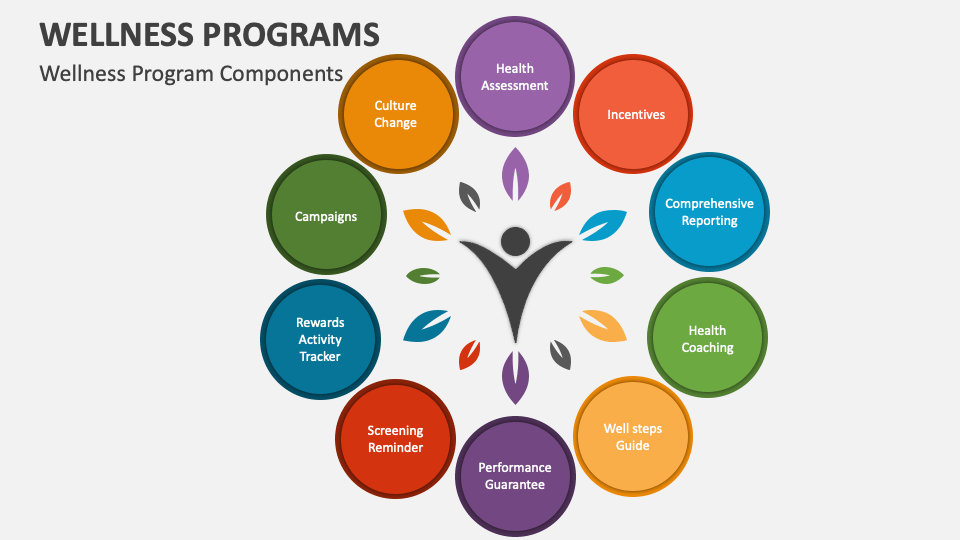
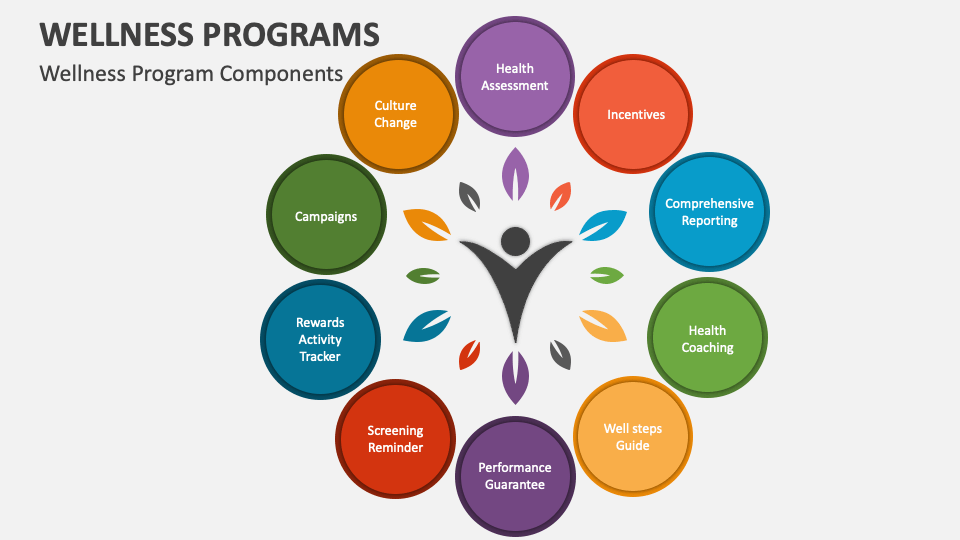
Choosing the right wellness course felt like navigating a vast ocean. There were so many options: online, in-person, short workshops, year-long programs, specialized in nutrition, or mindfulness, or fitness. I spent weeks researching, reading testimonials, poring over curricula. What drew me to the one I eventually chose was its comprehensive nature. It promised to address not just one aspect of well-being, but the interconnectedness of mind, body, and spirit. It wasn’t about quick fixes or extreme transformations, but about building sustainable habits and cultivating a deeper understanding of oneself. It sounded less like a diet plan and more like a life renovation, and that’s precisely what I felt I needed.
The first session was a mix of nervous anticipation and a strange sense of relief. I was in a virtual room with about twenty other people, all from different walks of life, all with their own reasons for being there. The instructor, a warm and gentle woman named Elara, immediately put us at ease. She emphasized that this was a journey of self-discovery, not a competition, and that progress, not perfection, was the goal. Her approach was grounded in science but delivered with immense compassion, making complex concepts feel accessible.
Our initial module dove straight into the mind, specifically focusing on mindfulness and stress management. I’d always thought of mindfulness as simply "meditation," and my previous attempts had often ended in frustration, my mind stubbornly refusing to quiet down. Elara reframed it beautifully. She explained that mindfulness wasn’t about emptying the mind, but about observing it without judgment. It was about noticing thoughts, feelings, and sensations as they arose, and choosing how to respond rather than react.
We started with simple breath awareness exercises. For the first few days, my mind was a chaotic marketplace. Lists of errands, anxieties about work, snippets of old songs – everything clamored for attention. I wanted to give up. But Elara encouraged us to keep going, even for just five minutes a day. She taught us about the body’s stress response – the fight, flight, or freeze mechanism – and how chronic stress keeps us in a state of perpetual alert. Understanding the biology behind my constant jitters was a revelation. It wasn’t just "me being anxious"; it was my nervous system stuck in overdrive.
The course introduced practical tools for interrupting this cycle. The "three-minute breathing space" became my lifeline during hectic workdays. When I felt overwhelmed, I’d pause, acknowledge what was happening, gather my attention to my breath, and then expand my awareness to my body and surroundings. It was a tiny intervention, but it created just enough space for me to regain a sense of control, to choose a calmer response instead of spiraling. We also explored journaling as a way to untangle racing thoughts and identify patterns in our stress triggers. This module wasn’t just about theory; it was about hands-on practice, gently nudging us to incorporate these tools into our daily lives. I started to notice small shifts: moments where I didn’t immediately react to a frustrating email, instances where I could pause before speaking impulsively. It was like learning a new language for my inner world.
Next, we transitioned to the body, exploring nutrition and movement. This was another area where I felt I’d failed repeatedly. I’d tried every diet under the sun, always ending up feeling deprived and eventually rebounding. The wellness course offered a refreshing perspective. It wasn’t about strict rules or calorie counting, but about "intuitive eating" and "joyful movement." Elara emphasized nourishing our bodies with whole, unprocessed foods, not out of obligation, but out of self-care and respect. We learned about the impact of different macronutrients, the importance of hydration, and how our gut health profoundly affects our mood and energy levels.
Instead of being told what not to eat, we were encouraged to focus on what to add: more vibrant vegetables, lean proteins, healthy fats. We practiced mindful eating – slowing down, savoring each bite, paying attention to hunger and fullness cues. This was revolutionary for me, someone who usually wolfed down meals while scrolling through my phone. I began to rediscover the pleasure of food, truly tasting flavors, and feeling satisfied without feeling stuffed.
Movement was approached similarly. Gone were the days of punishing workouts I dreaded. The course encouraged us to find activities that brought us joy. For me, this meant rediscovering long walks in nature, dancing in my living room to my favorite music, and gentle yoga. It wasn’t about burning calories or achieving a certain physique; it was about moving my body in ways that felt good, that energized me, that connected me to the physical world. This shift transformed exercise from a chore into a celebration of what my body could do. My chronic fatigue, while not entirely gone, began to lessen as I fueled my body better and moved it more consistently and joyfully.
The third pillar we explored was rest and emotional intelligence. I used to wear my lack of sleep like a badge of honor, convinced that being busy equated to being productive. The course shattered that myth. Elara presented compelling evidence about the vital role of sleep in physical repair, cognitive function, and emotional regulation. We learned about sleep hygiene – creating a conducive environment, establishing a consistent bedtime routine, avoiding screens before bed. It was challenging at first, but as I committed to prioritizing sleep, I noticed a dramatic improvement in my mood, concentration, and overall resilience. Waking up feeling genuinely rested, rather than just less tired, was a revelation.
Emotional intelligence was perhaps the most profound part of this module. I’d always considered myself someone who kept my emotions "in check," which often meant stuffing them down or ignoring them. The course taught us that emotions are messengers, not enemies. We learned to identify different emotions, understand their root causes, and develop healthy ways to process them. Techniques like "name it to tame it" (labeling an emotion to reduce its intensity) and practicing self-compassion became invaluable. I learned to speak to myself with the same kindness I would offer a friend struggling with a difficult emotion. This practice started to heal old wounds and allowed me to navigate challenging situations with greater grace and less internal turmoil. It was like finally giving myself permission to be human, with all its complexities and vulnerabilities.
Finally, the course delved into the importance of connection and community. While the program itself was online, Elara fostered a strong sense of camaraderie among us. We shared our struggles and triumphs, offered encouragement, and learned from each other’s experiences. This sense of belonging was incredibly powerful. It made me realize how much I had isolated myself in my own struggles, believing I was alone. Hearing others articulate similar feelings validated my own experiences and made me feel seen. We also discussed setting healthy boundaries, both with others and with ourselves, to protect our energy and mental space. Learning to say "no" without guilt, and understanding that it’s an act of self-respect, was a game-changer for my relationships and my overall peace of mind.
Throughout the weeks, there were countless "aha!" moments. One that stands out was during a guided visualization. I was asked to imagine my ideal self, living a life of balance and joy. Instead of seeing a perfect, unattainable image, I saw a version of myself that was calm, present, and genuinely happy with small, everyday things. It wasn’t about achieving grand external success, but about cultivating internal peace. That moment solidified my understanding that true wellness isn’t about chasing an external ideal, but about nurturing the inner landscape.
Another pivotal moment came when I realized I hadn’t had a full-blown anxiety attack in weeks. The subtle hum of worry that had been a constant companion had quieted. It wasn’t that life suddenly became stress-free – challenges still arose – but I had a toolkit now. I could recognize the early warning signs, deploy my breathing exercises, journal my thoughts, and reach out to my support system. I felt equipped, capable, and resilient in a way I hadn’t felt in years.
By the end of the wellness course, I wasn’t a completely different person, and that was the point. I was more myself, but a version of myself that was kinder, more aware, and more capable of navigating life’s inevitable ups and downs. My sleep improved dramatically, my eating habits became intuitive and nourishing, and movement was a source of joy. My mind felt clearer, less cluttered with incessant worry, and my emotional responses were more measured, less reactive. The chronic fatigue had largely dissipated, replaced by a steady, sustainable energy.
So, who is a wellness course for? I’d say it’s for anyone feeling that same subtle, insidious erosion of well-being I experienced. It’s for the burnt-out professional, the overwhelmed parent, the student struggling with anxiety, or simply anyone who feels disconnected from their own vitality. If you’ve tried individual solutions and found them lacking, if you’re looking for a comprehensive, sustainable path to feeling better, a holistic wellness course might just be the answer. It’s not a magic pill, but a structured journey of self-discovery and skill-building, offering practical tools that empower you to take charge of your own health and happiness.
When considering a wellness course, look beyond the shiny promises. Investigate the curriculum – does it cover multiple dimensions of well-being (mind, body, emotions, spirit, connection)? Research the instructors – do they have genuine expertise and a compassionate approach? Read testimonials, but also trust your gut feeling. A good wellness course will emphasize sustainable practices, self-compassion, and personalized growth, rather than strict rules or quick fixes. It should equip you with tools you can use long after the course ends, fostering an ongoing commitment to your well-being.
My journey with the wellness course was truly transformative, but it also taught me that wellness isn’t a destination; it’s a continuous practice. The tools I learned aren’t just for crisis moments; they are for enriching everyday life. It’s about showing up for myself, day after day, with curiosity, kindness, and commitment. It’s about understanding that I am worthy of feeling good, of living a life that feels authentic and joyful. If you’re standing at that same crossroads I once was, feeling the whisper of a need for change, I wholeheartedly encourage you to explore the profound impact a well-structured wellness course can have. It might just be the most valuable investment you ever make in yourself.