
I used to think "strategy" was just a fancy word business gurus threw around to sound smart. My understanding of the business world, frankly, was a bit like peering through a foggy window – I could see shapes and movement, but the details were lost. I knew companies made products, sold them, and tried to make money, but how they consistently managed to stay ahead, or even just stay afloat in a sea of competition, felt like some arcane secret. That’s where my journey into a strategy course began, not with a grand ambition, but with a simple, nagging curiosity.
I remember scrolling through online course offerings one late evening, feeling a familiar hum of dissatisfaction with my career trajectory. I wasn’t exactly lost, but I certainly wasn’t leading. The term "Strategy Course" popped up, and something clicked. Could this be the Rosetta Stone I needed to decipher the business world? I signed up with a mix of skepticism and a tiny spark of hope, bracing myself for dry lectures and impenetrable jargon. What I got, instead, was an eye-opening adventure that reshaped not just how I saw businesses, but how I navigated the world around me.
The first few weeks felt like learning a new language. Our instructor, a seasoned professional with a calming demeanor and a knack for storytelling, introduced us to concepts that initially sounded intimidating. We started with the very basics: what is strategy? It’s not just a plan, he explained, but a cohesive set of choices that positions an organization to achieve its objectives. It’s about making deliberate trade-offs, deciding what not to do as much as what to do. This simple distinction was profound. It wasn’t about doing everything well; it was about choosing a path and committing to it, understanding its strengths and limitations.
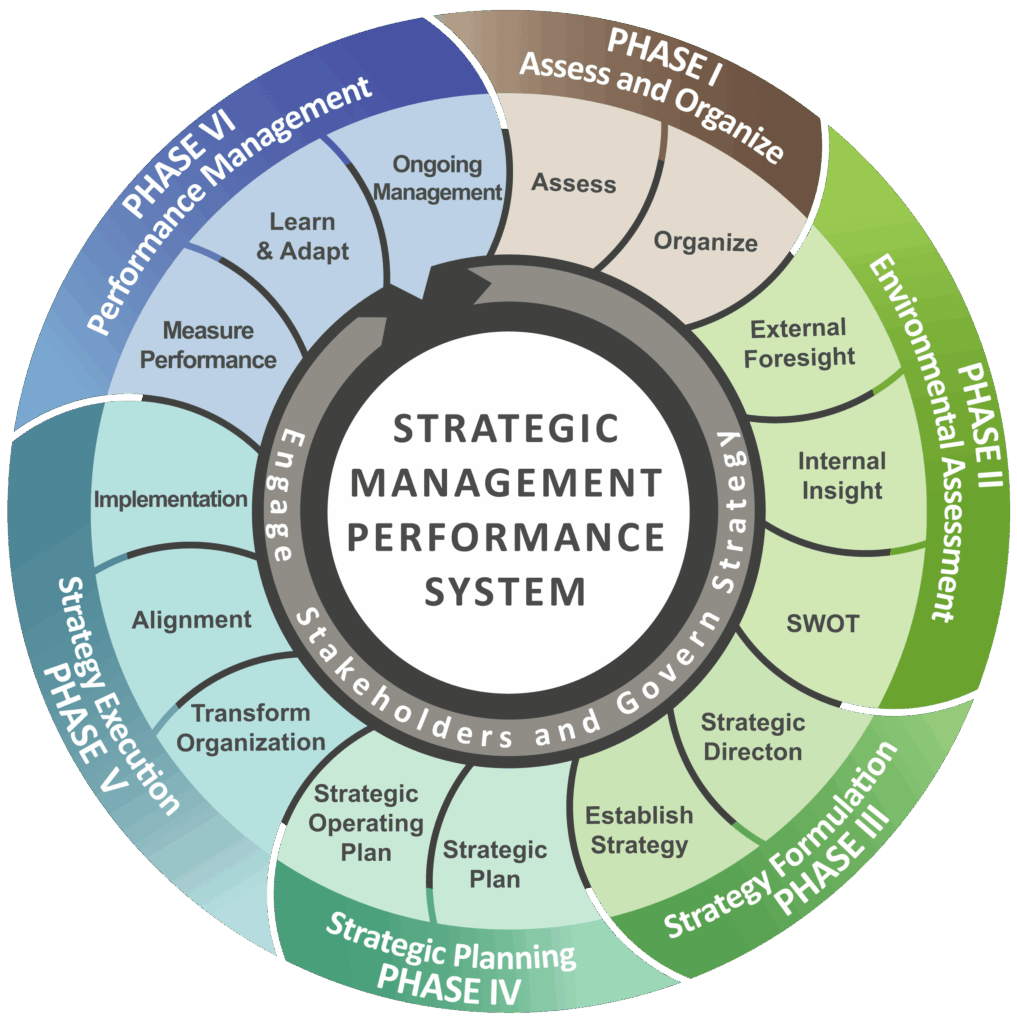
One of the earliest tools we encountered was SWOT analysis – Strengths, Weaknesses, Opportunities, and Threats. I remember thinking, "Surely, businesses already know this stuff?" But the course taught me that knowing isn’t enough; actively analyzing and systematically categorizing these factors is where the power lies. We applied SWOT to everything from a local coffee shop to a global tech giant, and suddenly, the seemingly complex world of business began to simplify. I started seeing the hidden advantages a small boutique might have over a large chain, or the looming threats a dominant player might be ignoring. It was like gaining a new pair of glasses that brought everything into sharp focus.
Then came Porter’s Five Forces. This framework, developed by Michael Porter, felt like a master key to understanding industry competition. Bargaining power of buyers, bargaining power of suppliers, threat of new entrants, threat of substitute products or services, and rivalry among existing competitors. Each force was a lever, and understanding how they exerted pressure on an industry allowed us to predict profitability and identify attractive markets. I remember a lively debate in our online forum about the airline industry, dissecting its notoriously low margins through the lens of these five forces. It wasn’t just theory; it was a practical toolkit for deconstructing real-world scenarios. My initial confusion about why certain industries thrived while others struggled began to dissipate.
But the course wasn’t just about frameworks and models; it was about cultivating a strategic mindset. Our instructor constantly pushed us to think beyond the immediate, to consider the long-term implications of decisions, and to anticipate competitor moves. We learned about competitive advantage – what makes a company truly unique and difficult to imitate. Is it cost leadership, offering the cheapest product? Or differentiation, providing something uniquely valuable that customers are willing to pay a premium for? This concept resonated deeply. It wasn’t enough to just have a product; you needed a compelling reason for customers to choose your product over all others. This shifted my perspective from simply observing "successful companies" to actively asking why they were successful.
We delved into topics like innovation strategy, learning that innovation isn’t just about inventing new gadgets, but also about finding new ways to deliver value, optimize processes, or reach customers. We explored corporate strategy, understanding how multi-business companies decide where to play and how to win across diverse portfolios. We even touched upon international strategy, grappling with the complexities of expanding into new global markets, each with its own cultural nuances and regulatory landscapes. Each module built upon the last, weaving a rich tapestry of understanding that felt both expansive and deeply interconnected.
One of the most challenging, yet rewarding, aspects was the case studies. These weren’t just stories; they were real-life business dilemmas, often with incomplete information and no clear "right" answer. We’d spend hours analyzing a company’s situation, debating potential strategies with our classmates, and then presenting our recommendations. I remember a particularly intense case about a struggling retail chain, where we had to decide whether to pivot to e-commerce, invest in store renovations, or even consider divestment. The discussions were spirited, sometimes frustrating, but always illuminating. It forced me to synthesize everything I’d learned, to justify my reasoning, and to consider multiple perspectives. It was in these moments that the theoretical frameworks truly came alive, transforming into practical tools for decision-making.
Beyond the specific models and theories, what I truly gained from that strategy course was a profound shift in how I approached problems, both professional and personal. I began to ask different questions: What’s the objective here? What are my resources? What are the external factors at play? What are the potential consequences of each choice? This strategic thinking started spilling over into my daily life. Planning a vacation, deciding on a career move, even choosing a new appliance – I found myself unconsciously applying the principles of strategy. It wasn’t about making everything a grand corporate endeavor, but about approaching challenges with clarity, foresight, and a structured thought process.
The benefits were palpable. At work, I found myself contributing to discussions with a newfound confidence. When a new project was proposed, I wasn’t just thinking about the immediate tasks, but about its alignment with our department’s long-term goals, its potential competitive implications, and the resources required. My proposals became more robust, my arguments more persuasive, because they were grounded in a deeper understanding of the "why" and "how." I started seeing connections that others missed, identifying opportunities and anticipating roadblocks. It wasn’t about becoming a CEO overnight, but about becoming a more effective, insightful, and valuable contributor.
This course is truly for anyone who feels that pull of curiosity about how the world works, especially the business world. If you’re an aspiring entrepreneur, it’s an indispensable guide to building a resilient and successful venture. If you’re already in a leadership role, it offers a framework for sharpening your decision-making and inspiring your team with a clear vision. Even if you’re just starting your career, like I was, it provides a powerful lens through which to understand your industry, your company, and your own career path. It demystifies the seemingly complex world of business, turning abstract concepts into actionable insights.
Choosing the right strategy course felt like a strategic decision in itself! I looked for programs that offered a blend of theoretical foundations and practical application, with instructors who had real-world experience. Online courses offer incredible flexibility, allowing you to learn at your own pace, but I also valued the interactive elements like discussion forums and live Q&A sessions, which fostered a sense of community and allowed for rich peer learning. Some courses focus on specific industries, while others offer a broader, foundational understanding. My advice is to read reviews, look at the curriculum details, and consider the instructor’s background. Find a course that speaks to your learning style and career aspirations.
Of course, it wasn’t always smooth sailing. There were moments of frustration when a concept just wouldn’t click, or when a case study felt overwhelming. The time commitment was real, especially balancing it with work and other responsibilities. But the constant encouragement from our instructor and the collaborative spirit of my classmates made all the difference. We celebrated small victories, helped each other through challenging assignments, and built a shared understanding of this fascinating field. The biggest challenge was often bridging the gap between theory and practice – figuring out how to take these powerful ideas and apply them to my unique situation. But that’s where the real learning happens, through experimentation and reflection.
Looking back, that strategy course was one of the best investments I’ve ever made in myself. It didn’t just equip me with a set of tools; it fundamentally changed my way of thinking. It taught me to be more analytical, more forward-looking, and more intentional in my choices. It transformed my foggy window into a crystal-clear pane, allowing me to see the intricate dance of competition, innovation, and value creation that defines the modern economy.
The journey isn’t over, of course. The world of business is constantly evolving, and good strategy demands continuous learning and adaptation. But now, I feel prepared. I have a framework, a mindset, and a vocabulary to engage with these changes, to ask the right questions, and to contribute meaningfully. If you’re standing at your own foggy window, wondering about the unseen forces that shape our world, I wholeheartedly encourage you to take that leap. A strategy course might just be the adventure you need to bring everything into focus. It certainly was for me.