
For years, I’d been a voracious podcast listener. My mornings were soundtracked by true crime sagas, my commutes filled with philosophical debates, and my evenings wound down with heartwarming storytelling. Each episode felt like a personal conversation, a window into another world, or a deep dive into a topic I never knew I needed to explore. There was a magic to it, an intimacy that felt unique in our increasingly digital, visually-driven world. And for just as long, a quiet whisper had grown in the back of my mind: "What if I could do that?"
That whisper, however, was usually drowned out by a chorus of self-doubt and practical anxieties. "I don’t have the right equipment." "I wouldn’t know what to talk about." "My voice isn’t good enough." "It all seems so technical." "Who would even listen?" The idea of creating a podcast felt like climbing Mount Everest without a map or even proper shoes. It was a dream that felt impossibly far away, reserved for those with fancy studios, media degrees, or a natural gift for gab. I figured I was just meant to be a consumer, forever on the other side of the microphone.
Then, one rainy afternoon, scrolling through endless tabs, searching for anything that might spark a new hobby, I stumbled upon it: a Podcasting Course. It wasn’t advertised with flashy promises of instant fame or millions of downloads. Instead, it spoke directly to my fears, promising to demystify the process, break down the technical jargon, and guide complete beginners from a nascent idea to a published podcast. The course description felt like it had been written specifically for me, acknowledging the overwhelm and offering a clear, step-by-step path. It promised to teach me how to start a podcast, from the very first spark of an idea to pressing the publish button. A little hesitant, but mostly intrigued, I signed up. It was, I now realize, one of the best decisions I’ve ever made.
The course began not with microphones or editing software, but with something far more fundamental: why. Why did I want to podcast? What stories did I want to tell? What unique perspective did I have to offer? This initial module on idea generation and niche finding was a revelation. I thought I knew what I wanted to talk about – a broad topic I was passionate about. But the course pushed me deeper. It wasn’t enough to say "I like history." It forced me to consider: Whose history? What aspect of history? For whom am I telling this story? It taught me the importance of finding a specific, underserved audience and crafting content that resonated deeply with them. We explored brainstorming techniques, audience persona development, and how to identify a unique angle that would set my show apart. This foundational work was crucial, preventing me from launching a generic podcast that would quickly get lost in the noise. It helped me define my podcast’s purpose, its voice, and its ideal listener, turning a vague interest into a concrete concept.
Once the "why" was clear, the course moved into the practicalities of planning and structuring. This was another area where my anxieties had previously run wild. How do podcasters make each episode flow so seamlessly? Do they script every word? The answer, as it turned out, was nuanced and flexible. We learned about different episode formats: interviews, solo narratives, panel discussions, documentary-style shows. I discovered the power of a simple outline, the difference between a full script and bullet points, and how to structure an episode with a compelling intro, engaging middle, and satisfying conclusion. This module also delved into crafting captivating show notes and eye-catching podcast artwork – elements I hadn’t even considered, but which are vital for attracting new listeners in a crowded marketplace. It showed me how to make my content not just sound good, but also look appealing and be easily discoverable.
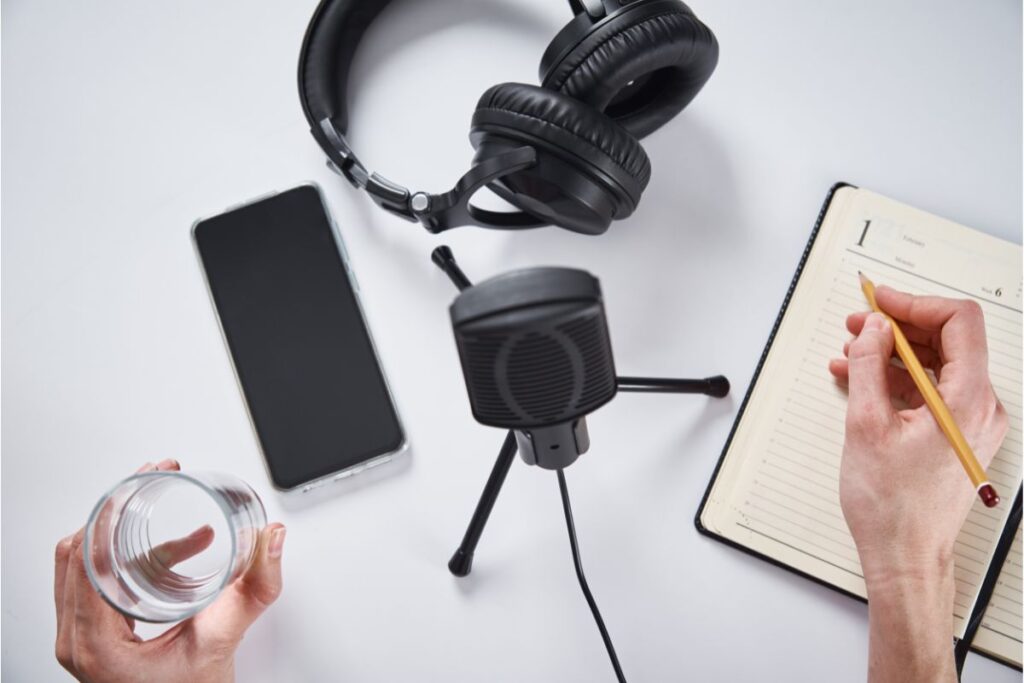
Then came the part I had dreaded the most: the technical stuff. Equipment, recording, editing. My mind conjured images of expensive microphones, complicated mixers, and software with a thousand buttons. But the course, true to its beginner-friendly promise, started small. It emphasized that you don’t need a professional studio to begin. We learned about affordable, high-quality USB microphones that plug directly into your computer. It demystified headphones – explaining why they’re essential for monitoring your sound – and introduced me to free, accessible digital audio workstations (DAWs) like Audacity and GarageBand. I remember feeling a surge of relief when I realized I could get started with very little financial investment.
The recording techniques module was particularly eye-opening. It wasn’t just about speaking into a microphone; it was about how to speak into it. We covered microphone placement, maintaining consistent distance, controlling plosives (those harsh ‘p’ and ‘b’ sounds), and even simple room acoustics – like recording in a closet full of clothes to dampen echoes! My hands were shaking a little the first time I hit record, listening back to my own voice, scrutinizing every inflection. But the course encouraged practice, offering exercises to improve vocal delivery and confidence. It taught me that a clear, engaging voice is more important than a perfectly deep or resonant one.
Editing, which I’d previously imagined as a dark art practiced only by sound engineers, was broken down into manageable steps. The course walked us through the basics of the chosen DAW: how to import audio, cut out filler words ("ums," "ahs," long pauses), remove background noise, and adjust volume levels. It introduced concepts like equalization (EQ) and compression, explaining their purpose in simple terms, without getting bogged down in overly technical details. The biggest hurdle for me was getting over the fear of "breaking" the audio. But with each practice session, my confidence grew. Learning to sculpt sound, to transform raw recordings into polished episodes, felt incredibly empowering. It was like learning to edit a film, but with sound waves instead of video clips.
After the audio was polished, the next step was getting it out into the world. This is where hosting and distribution came in. The course explained the difference between a podcast host (a service that stores your audio files and generates an RSS feed) and distribution platforms (like Apple Podcasts, Spotify, Google Podcasts, where listeners actually find your show). It guided us through setting up accounts with various hosting providers, explaining their pros and cons, and then submitting our RSS feed to the major directories. This entire process, which once seemed like a maze, became a clear pathway. I distinctly remember the moment I saw my podcast listed on Apple Podcasts for the first time – a small, personal victory that felt monumental.
But launching a podcast is only half the battle; getting people to listen is the other. The course didn’t shy away from promotion and marketing. We delved into strategies for leveraging social media, creating audiograms (short, animated audio clips for sharing), and engaging with potential listeners. It taught me the value of building a community around my show, encouraging interaction, and asking for reviews. We even touched upon guesting on other podcasts and cross-promotion, showing how collaboration can be a powerful tool for growth. This module underscored that podcasting isn’t just about creating content; it’s about building relationships.
Perhaps one of the most unexpected benefits of the Podcasting Course was the community it fostered. While learning technical skills was important, connecting with other aspiring podcasters was invaluable. We shared ideas, offered feedback on each other’s pilot episodes, and cheered each other on through technical glitches and moments of self-doubt. The instructor also provided regular Q&A sessions and personalized feedback, which was incredibly helpful. It transformed what could have been an isolating learning experience into a collaborative journey, reminding me that I wasn’t alone in my struggles or triumphs. This sense of shared purpose made the entire process feel less daunting and more enjoyable.
Now, months after completing the course and launching my own podcast, I can look back with a profound sense of accomplishment. My podcast, which focuses on forgotten historical figures, is slowly but steadily growing its audience. Each episode I produce feels like a testament to the skills and confidence I gained. I’m no longer just a listener; I’m a creator, a storyteller, contributing my voice to the vast tapestry of audio content. The initial fears have been replaced by a quiet confidence, and the whispers of doubt have given way to the thrill of bringing new stories to life.
For anyone out there harboring a similar dream, a Podcasting Course is more than just a series of lessons; it’s a launchpad. It doesn’t just teach you how to use a microphone or edit audio; it teaches you how to structure your thoughts, how to find your voice, and how to connect with an audience. It provides the framework and the encouragement needed to push past the initial intimidation and actually do it. You don’t need to be a tech wizard or a seasoned broadcaster. All you need is a story to tell, a willingness to learn, and the right guidance. A good course will equip you with the practical skills, yes, but more importantly, it will empower you with the belief that your voice matters and that your stories deserve to be heard. It transformed me from a passive admirer of podcasts into an active participant, and it can do the same for you. The world is waiting to hear what you have to say.