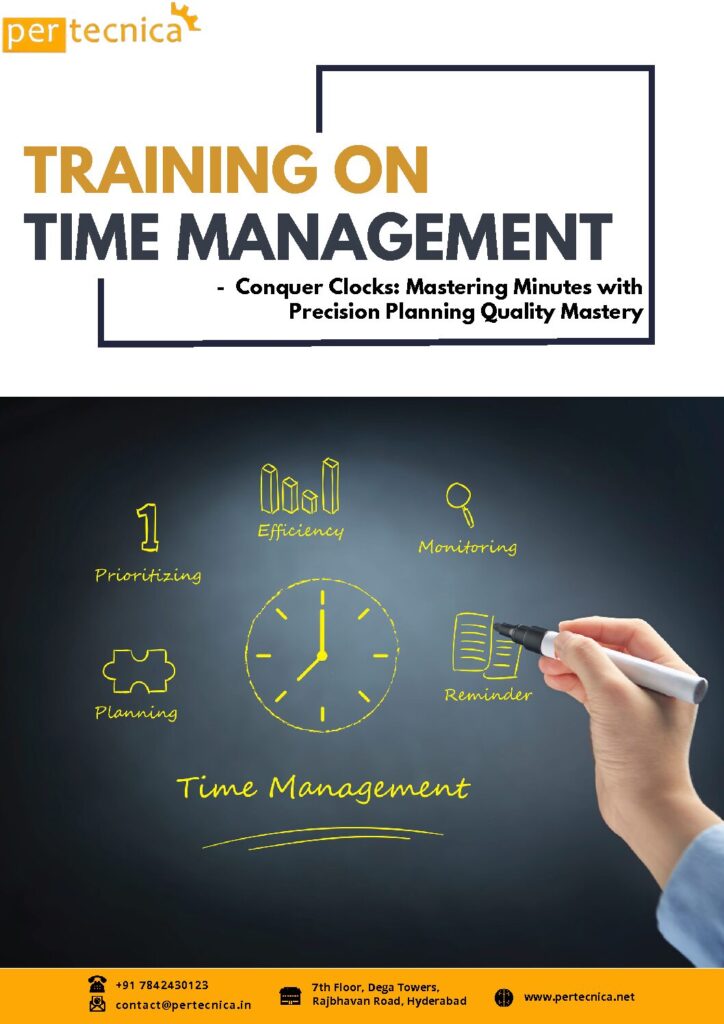

Remember that feeling? The one where your to-do list seems to multiply overnight, your inbox is a bottomless pit, and every day feels like a race you’re constantly losing? You wake up, already behind, and by the time your head hits the pillow, you’re exhausted but can’t quite pinpoint what you actually accomplished. Your dreams of starting that side project, learning a new language, or simply having a quiet evening with a good book feel like distant fantasies, perpetually pushed aside by the urgent demands of the present. This isn’t just a fleeting moment of stress; for many, it’s the default setting of modern life. We’re juggling work, family, social obligations, and personal aspirations, all while battling an army of distractions screaming for our attention. It feels like everyone else has it figured out, gliding through their days with an effortless calm, while you’re perpetually sprinting.
But what if I told you there’s a way to hit pause on that frantic treadmill? A path not to just manage your time, but to master it, transforming your days from chaotic sprints into purposeful journeys. This isn’t about magically adding more hours to your day – we all get 24. It’s about making those 24 hours work for you, not against you. This is the promise of a truly effective Time Management Course.
Imagine, for a moment, waking up without that familiar knot of anxiety in your stomach. Instead, you have a clear plan for your day, a sense of purpose, and the quiet confidence that you can tackle whatever comes your way. You not only meet deadlines but exceed expectations, not by working harder, but by working smarter. You find pockets of free time you didn’t know existed, time to invest in your passions, your relationships, and most importantly, yourself. This isn’t a fantasy; it’s the lived reality for countless individuals who have embraced the principles taught in dedicated online time management training and in-person programs. They’ve stopped being slaves to the clock and have become its orchestrators.
The "Aha!" Moment: When the Juggling Act Becomes Too Much
For Sarah, a marketing professional with two young children, her "aha!" moment came during a particularly brutal week. Her boss dumped a last-minute, high-stakes project on her desk, her daughter had a school play she desperately wanted to attend, and her son developed a sudden fever. She found herself trying to finish a presentation at 2 AM, fueled by lukewarm coffee and sheer panic, knowing she’d barely get three hours of sleep before the cycle began again. The project was delivered, but it was far from her best work, she missed the play, and her children saw a stressed, irritable version of their mom. That morning, staring at her reflection, she saw not just exhaustion, but a profound sense of failure. "There has to be a better way," she whispered, and that was the spark. She started searching for "best time management courses" and found a world of possibilities.
Perhaps your "aha!" moment wasn’t as dramatic. Maybe it was the quiet frustration of never quite catching up, the guilt of missed opportunities, or the nagging feeling that your potential was being stifled by disorganization. Whatever triggered it, that realization that "something has to change" is the first, crucial step toward reclaiming your time and, by extension, your life.
More Than Just To-Do Lists: What a Time Management Course Really Teaches
Many people mistakenly believe that "time management" is just about making a list and crossing things off. While lists are a tool, a comprehensive personal productivity course goes far, far deeper. It’s about understanding human psychology, building sustainable habits, and developing a strategic mindset towards your goals.
Here’s a peek behind the curtain at what you’ll typically learn:
-
Goal Setting with Purpose: It’s not enough to say, "I want to be productive." A good course teaches you how to set SMART goals (Specific, Measurable, Achievable, Relevant, Time-bound) and break them down into actionable steps. You’ll learn to distinguish between urgent and important, and how to align your daily actions with your long-term vision. This is the bedrock of any effective time management strategies.
-
Mastering Prioritization: This is where many people stumble. Everything feels important! You’ll discover powerful frameworks like the Eisenhower Matrix (Urgent/Important) or the ABCDE method to objectively evaluate tasks. Learning to identify your "Most Important Tasks" (MITs) and tackling them first, even when other things are clamoring for attention, is a game-changer. This skill is central to any time management for professionals.
-
Strategic Planning and Scheduling: Beyond just writing things down, you’ll learn how to realistically allocate time. This includes:
- Time Blocking: Dedicating specific blocks of time to specific tasks.
- Batching Similar Tasks: Grouping emails, calls, or administrative work together to reduce context-switching costs.
- Calendar Management: Using digital or physical calendars effectively, not just as a reminder tool, but as a strategic planning canvas.
- The Power of Review: Regularly looking back at your week to see what worked, what didn’t, and how to improve.
-
Conquering Procrastination and Distractions: These are the twin dragons of productivity. A course will equip you with practical techniques:
- The Pomodoro Technique: Working in focused bursts with short breaks.
- Breaking Down Large Tasks: Making daunting projects feel manageable.
- Identifying Your Procrastination Triggers: Understanding why you delay and developing counter-strategies.
- Minimizing Digital Distractions: Taming your phone, email, and social media.
-
The Art of Saying "No" and Delegation: One of the hardest lessons for many is understanding their limits. You’ll learn how to politely decline requests that don’t align with your priorities and, when appropriate, how to effectively delegate tasks to others. This isn’t about laziness; it’s about protecting your focus and energy.
-
Building Sustainable Habits: Time management isn’t a one-time fix; it’s an ongoing practice. Courses often emphasize habit formation, showing you how to integrate new behaviors into your routine until they become second nature.
-
Managing Energy, Not Just Time: You’ll discover that your energy levels fluctuate throughout the day. A smart approach to time management involves scheduling your most demanding tasks during your peak energy hours and reserving lighter tasks for when your energy dips. This often touches on stress management techniques and understanding your personal rhythms.
Who Benefits Most from Learning to Master Their Time?
The beauty of a learn time management program is its universal applicability. While specific courses might cater to particular demographics, the core principles benefit almost everyone.
- Students: From high school to university, students are constantly juggling assignments, exams, extracurriculars, and social lives. A course can teach them how to study effectively, manage project deadlines, and avoid all-nighters.
- Professionals and Executives: Whether you’re an entry-level employee or a CEO, the demands of the workplace are relentless. Time management for professionals helps navigate project deadlines, manage teams, handle unexpected crises, and maintain focus in a fast-paced environment. It’s often linked to project time management for those in leadership roles.
- Entrepreneurs and Small Business Owners: You wear many hats – sales, marketing, operations, finance. Learning to prioritize and delegate effectively is crucial for growth and avoiding burnout. This falls under business time management.
- Freelancers: You are your own boss, and your own project manager. Without strong time management, client deadlines can slip, and your income can suffer.
- Parents: Juggling childcare, household chores, work, and personal needs requires incredible organizational skills. A course can help create more calm and structure amidst the beautiful chaos.
- Anyone Feeling Overwhelmed: If you constantly feel like you’re drowning in tasks, missing appointments, or just generally out of control, a time management course can provide the lifeline you desperately need. It’s often the first step towards a genuine work-life balance course.
Choosing Your Path: Finding the Right Time Management Course
The landscape of time management education is rich and varied. How do you pick the right one?
-
Online vs. In-Person:
- Online courses offer incredible flexibility. You can learn at your own pace, from anywhere, often with a mix of video lessons, readings, and exercises. This is fantastic for busy individuals. Many providers offer online time management training that is just as robust as in-person options.
- In-person workshops provide direct interaction with instructors and peers, which can be great for networking and immediate feedback. However, they require a fixed schedule and location.
-
Self-Paced vs. Instructor-Led:
- Self-paced courses are ideal if you have an unpredictable schedule and are self-motivated.
- Instructor-led programs, even online, can offer structured accountability, Q&A sessions, and a sense of community.
-
Certification vs. Skill-Focused:
- Do you need a formal time management certification for your resume or professional development? Some courses offer this.
- Are you simply looking to acquire practical skills to improve your daily life? Many excellent courses focus purely on practical application.
-
Cost and Value: Prices vary widely, from free introductory content to premium executive programs. Consider your budget, but also look at the value proposition: What specific skills will you gain? What support is offered? Read reviews and testimonials to gauge effectiveness. Remember, investing in your productivity often pays dividends far beyond the initial cost.
-
Curriculum and Approach: Some courses focus heavily on specific methodologies (like Getting Things Done – GTD), while others offer a broader toolkit. Look for a curriculum that resonates with your learning style and specific challenges. Does it include sections on boost productivity techniques, or deeper dives into goal setting course principles?
The Journey of Transformation: Life After the Course
Returning to Sarah, after enrolling in an online time management training, her life didn’t magically transform overnight. It was a gradual process, often with two steps forward and one step back. But armed with new tools and a fresh perspective, she started making changes. She learned to:
- Prioritize ruthlessly: She stopped trying to do everything and focused on the "vital few" tasks that truly moved the needle at work and mattered most to her family.
- Time block: Her calendar became her strategic partner, not just a list of appointments. She scheduled focused work blocks, dedicated "family time," and even carved out an hour each evening for herself.
- Say "no" with confidence: She learned to politely decline non-essential requests, explaining her existing commitments without guilt.
- Manage her energy: She identified her peak productivity hours and scheduled her most complex tasks for those times, using lower-energy periods for administrative work or creative brainstorming.
The results were profound. Her work quality improved, she felt less stressed, and her relationships with her family blossomed because she was truly present. She still had busy weeks, but they no longer felt like crises. She had a system, a framework, and the confidence to adapt. She wasn’t just managing her time; she was managing her life with intention. This newfound balance directly addressed her desire for a true work-life balance course outcome.
Beyond the Classroom: Sustaining Your Skills
A time management course is a powerful catalyst, but it’s just the beginning. To truly integrate these skills and reap long-term benefits, consider these ongoing practices:
- Continuous Learning: The world of productivity is constantly evolving. Stay curious, read books, listen to podcasts, and experiment with new tools and techniques.
- Utilize Tools Wisely: Whether it’s a simple planner, a sophisticated project management app, or a digital calendar, find the tools that support your system, rather than letting them dictate it. Remember, the tool is only as good as the system behind it.
- Regular Review and Adjustment: Life changes, and so should your time management system. Set aside time weekly or monthly to review what worked, what didn’t, and how you can refine your approach. This iterative process is key to long-term success.
- Mindset Shift: Ultimately, time management is a mindset. It’s about valuing your time, respecting your boundaries, and believing in your ability to achieve your goals. It’s about shifting from a reactive stance to a proactive one.
Your Time, Your Life: Taking the Reins
If you’ve ever felt overwhelmed, stressed, or simply like your days are slipping through your fingers, know this: you’re not alone, and there’s a powerful solution within reach. A dedicated time management course isn’t just about checkboxes and schedules; it’s about reclaiming control, reducing stress, and unlocking the potential you know you possess. It’s about creating space for what truly matters, both in your professional life and your personal journey.
Imagine the freedom that comes with knowing you’re in charge of your schedule, not the other way around. Picture the satisfaction of consistently achieving your goals, big and small. Envision a life where you have time for meaningful work, cherished relationships, personal growth, and genuine rest. This future isn’t a fantasy. It’s an attainable reality, and the first step towards it might just be exploring the transformative power of a well-chosen time management course. Your clock is ticking, but now, you have the opportunity to set its rhythm.