
I used to be a kitchen disaster waiting to happen. Seriously. My relationship with food was simple: I ate it. Cooking? That was a mystical art performed by others, often involving burnt pots, smoke alarms, and a heavy reliance on takeout menus. My signature dish, if you could call it that, was probably instant ramen, and even then, I sometimes managed to mess up the water ratio. The thought of hosting a dinner party filled me with dread, not excitement. I admired those who could effortlessly whip up a meal, their kitchens smelling of herbs and garlic, while mine usually smelled faintly of desperation and whatever the delivery driver had just dropped off.
It wasn’t just about convenience; it was about a lack of confidence, a genuine fear of the unknown when it came to ingredients and techniques. I’d buy beautiful vegetables with the best intentions, only for them to slowly wilt in the fridge, unused, because I simply didn’t know what to do with them. Recipes often felt like ancient scrolls written in a language I didn’t understand, full of terms like "sauté," "braise," and "mirepoix" that might as well have been alien commands. My pantry was a graveyard of spices I bought for one specific recipe and never touched again. My cutting board saw more action as a coaster than a prep surface.
The turning point wasn’t a sudden revelation, but rather a slow, simmering frustration. I was tired of feeling helpless in my own kitchen. I wanted to create, to nourish myself and my loved ones, to experience the joy I saw others find in preparing food. Plus, my wallet was starting to feel the strain of constant restaurant visits. One evening, after yet another sad, microwaved meal, I found myself staring at a friend’s Instagram post – a vibrant, homemade pasta dish that looked straight out of a magazine. That was it. I decided I needed a change. I needed to conquer my culinary fears. I needed a Cooking Course.
The idea felt a little intimidating at first. Would I be the only total beginner? Would everyone else be a secret gourmet chef? But I pushed past the nervousness. I started my search, looking for something specifically designed for absolute novices. I didn’t want a course on molecular gastronomy; I wanted to learn how to chop an onion without crying (or losing a finger), how to cook chicken without drying it out, and how to make a sauce that didn’t come from a jar. I scoured local community centers, specialized culinary schools, and even online reviews. I looked for small class sizes, hands-on experience, and instructors who were praised for their patience and clarity.
Eventually, I stumbled upon "The Kitchen Confidence Workshop" at a local culinary studio. The description promised to take students from "kitchen zero to culinary hero" in just six weeks, covering fundamental skills, classic recipes, and practical tips for home cooking. It sounded perfect. The price was a bit of an investment, but I figured it was an investment in myself, in my health, and in my future ability to actually use my kitchen. I signed up, heart pounding with a mix of excitement and trepidation.
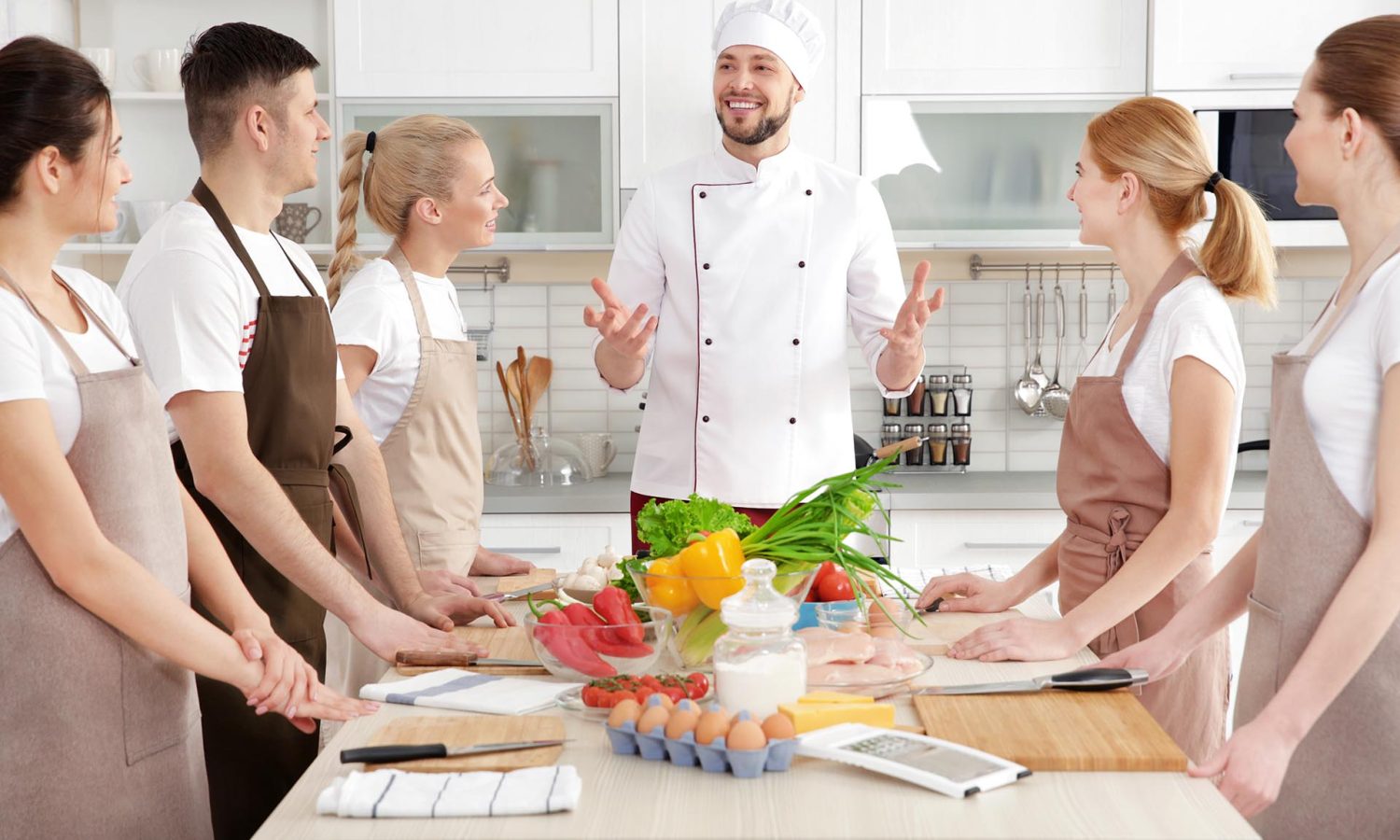
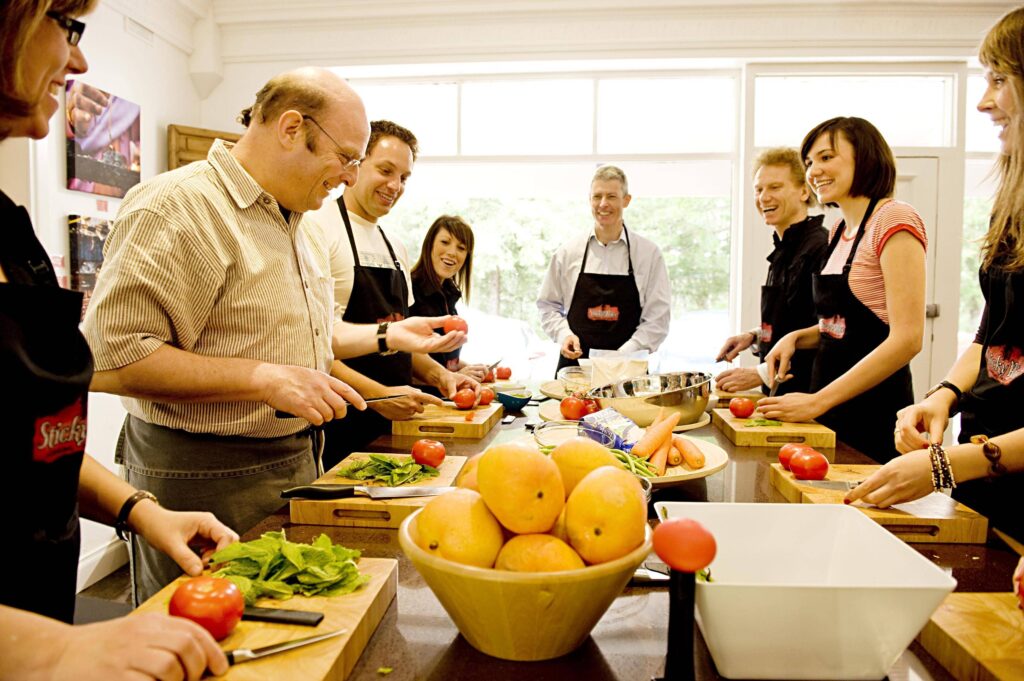
Walking into that first class, I felt like a kid on the first day of school. The studio was bright, clean, and smelled wonderfully of something baking, even though class hadn’t started. There were individual workstations, each with a cutting board, a set of knives (which looked terrifyingly sharp), and a shiny induction burner. Around me, about ten other people were milling about, some looking as nervous as I felt, others chatting animatedly. Our instructor, Chef Elena, was a warm, energetic woman with a smile that immediately put everyone at ease. She had a no-nonsense approach to cooking but a truly infectious passion for food.
"Welcome, everyone!" she announced, her voice clear and friendly. "Today, we start our journey. Forget everything you think you know about cooking, and get ready to learn the basics. No judgments here, just good food and good company."
That first session was all about knife skills. My previous technique involved a lot of hacking and sawing, often resulting in uneven, dangerous pieces of food. Chef Elena showed us how to hold a knife properly, how to position our guiding hand (the "claw" grip, she called it), and how to make precise, safe cuts. We started with an onion – the very vegetable that had defeated me so many times. She demonstrated, slowly and clearly, how to peel it, halve it, and then dice it into perfect, uniform pieces. My first attempts were clumsy, a bit wobbly, but with her gentle corrections and encouragement, I actually started to get the hang of it. By the end of the class, I had a small pile of reasonably uniform diced onions. It felt like a monumental achievement. I learned about different types of knives – the chef’s knife, the paring knife, the serrated knife – and what each was best for. It wasn’t just about cutting; it was about respecting the tools and understanding their purpose.
Over the next few weeks, the culinary classes unfolded like a delicious story. We moved from knife skills to understanding heat and different cooking methods. We learned to sauté vegetables until they were tender-crisp, to perfectly sear a piece of salmon, and to roast chicken thighs until the skin was golden and crispy, and the meat was juicy. Each lesson built upon the last. We learned about flavour profiles, how to balance sweet, sour, salty, and bitter. Chef Elena demystified herbs and spices, showing us how to use them effectively rather than just tossing them in haphazardly.
One week, we tackled sauces – a concept that once seemed utterly baffling. We made a classic béchamel, a rich tomato sauce from scratch, and a vibrant pesto. The transformation of simple ingredients – flour, butter, milk; tomatoes, garlic, basil – into something so flavourful and complex was nothing short of magic. I remember feeling a surge of pride as I whisked my béchamel to a silky smoothness, without a single lump. It was a tangible sign of progress.
Another memorable class focused on baking basics. I’d always been intimidated by baking’s precision, but Chef Elena broke it down. We learned about measuring ingredients accurately, understanding the role of leavening agents, and the importance of not overmixing. We made simple scones and a rustic apple tart. The smell of warm butter and baking apples filled the kitchen, creating an atmosphere of comfort and creativity. My tart wasn’t perfect – the crust was a little uneven – but it tasted incredible, and I had made it myself.
Beyond the specific techniques, the cooking school experience offered so much more. It was the camaraderie with my classmates. We were all on the same journey, sharing our triumphs and laughing off our minor kitchen mishaps. We cheered each other on, traded tips, and sometimes even shared the food we made at the end of class. It built a sense of community that I hadn’t expected. It was also Chef Elena’s stories, her tips for improvising when you’re missing an ingredient, her advice on meal planning for busy weekdays, and her constant encouragement to experiment and trust our instincts.
The biggest shift, though, happened inside me. Slowly but surely, my fear of the kitchen began to melt away, replaced by genuine curiosity and excitement. I started to see ingredients not as obstacles, but as possibilities. When I went grocery shopping, I wasn’t just buying items; I was envisioning meals. I’d pick up a beautiful bell pepper and think, "I could roast this," or "This would be great in a stir-fry." My refrigerator started to look less like a graveyard and more like a vibrant palette of fresh produce.
Coming home from each class, I was buzzing with new ideas and a desire to practice. I started trying out the recipes we’d learned, and then experimenting with my own twists. My once-empty spice rack began to fill with exotic jars, and I actually knew what to do with them. I invested in a good quality chef’s knife – a direct result of that first class – and learned to care for it properly. My cooking skills were visibly improving, and with them, my confidence soared.
The impact of that beginner cooking course extended far beyond the walls of the culinary studio. My weeknight dinners transformed from repetitive, uninspired meals to something I genuinely looked forward to preparing and eating. I started making healthy, delicious meals from scratch, which not only tasted better but also saved me a significant amount of money compared to my old takeout habit. I learned about portion control, ingredient sourcing, and how to make food that was both nutritious and incredibly flavourful.
That dreaded dinner party? A few months after finishing the course, I hosted one. I planned a simple but elegant menu: roasted chicken with herbs, a vibrant green salad with homemade vinaigrette, and a fresh berry tart for dessert. The evening was a huge success. My friends raved about the food, and I felt a deep sense of accomplishment. It wasn’t just about the food; it was about the joy of sharing, of creating a warm and welcoming atmosphere. This newfound ability to create and share food became a source of immense pleasure and connection in my life.
For anyone who’s ever felt like I did – intimidated by the kitchen, overwhelmed by recipes, or just plain bored with their cooking routine – I cannot recommend a Cooking Course enough. It’s not just about learning to follow instructions; it’s about understanding the why behind the how. It’s about building a foundation of kitchen confidence that allows you to improvise, adapt, and truly make food your own.
So, how do you choose the right one? Here’s what I learned:
First, assess your current skill level and what you want to achieve. Are you a complete beginner like I was, or are you looking to refine specific techniques like pastry making or international cuisine? Look for courses explicitly tailored to your needs.
Second, consider the format. Do you prefer hands-on classes where you do all the cooking, or demonstration classes where you watch and learn? For me, hands-on was crucial.
Third, check the instructor’s reputation. A good teacher can make all the difference. Look for someone patient, knowledgeable, and passionate.
Fourth, look at the class size. Smaller classes usually mean more personalized attention.
Fifth, don’t be afraid to read reviews and even visit the facility if possible. Get a feel for the atmosphere.
Finally, think about the investment. It might seem like a lot upfront, but consider the long-term benefits: healthier eating, money saved on takeout, and the immense satisfaction of creating delicious food.
My journey from kitchen phobe to confident cook was a testament to the power of structured learning and a little bit of bravery. The skills I picked up, from knife skills to recipe mastery, are now second nature. I no longer fear unfamiliar ingredients; I see them as an invitation to explore. Meal planning has become a creative exercise, and home cooking is a cherished part of my daily life. I can now whip up a delicious, healthy meal on a whim, entertain guests without breaking a sweat, and even improvise when a recipe needs tweaking.
If you’re on the fence, take the leap. Find a local cooking course that speaks to you. It might just be the most rewarding investment you ever make. It’s more than just learning to cook; it’s about discovering a new passion, gaining a vital life skill, and finding a deeper connection to the food that nourishes you. Trust me, your taste buds, your wallet, and your inner chef will thank you for it. My kitchen is no longer a scary place; it’s my favorite room in the house, a place of creativity, comfort, and countless delicious possibilities. And it all started with that first brave step into a cooking class.