
There was a time, not so long ago, when the internet felt like a magical black box to me. I’d click, scroll, and type, and pages would appear, information would flow, and interactions would happen, all seemingly orchestrated by some unseen force. I used websites, I loved websites, but I had absolutely no idea how they actually worked. My career at the time felt a bit like being stuck in second gear – functional, but lacking that exciting acceleration, that sense of genuine creation. I watched friends and acquaintances talk about building things online, crafting digital experiences, and a little spark of curiosity began to ignite within me. Could I, someone who considered themselves decidedly non-techy, ever be one of them? Could I actually learn to build the internet?
That initial spark quickly grew into a persistent flicker. I started noticing things differently. Every app I used, every online store I browsed, every social media feed I scrolled through – they weren’t just "there." Someone, or rather, many someones, had built them. They had designed them, coded them, and brought them to life. The idea of being able to translate an idea from my head into something tangible and interactive on a screen became incredibly appealing. I craved that sense of mastery, of understanding the gears and cogs behind the digital curtain. But where do you even begin when the world of web development seems so vast and complex? It felt like wanting to learn to fly without knowing the first thing about aerodynamics or engine mechanics. I knew I needed structure, guidance, and a clear path. I needed a web development course.
The quest for the right course was, in itself, an education. I dove headfirst into the online rabbit hole, searching for "learn web development," "best web development course," "online web development bootcamp," and countless variations. The sheer volume of options was overwhelming. There were free tutorials on YouTube, massive open online courses (MOOCs) from prestigious universities, self-paced platforms with subscription models, and intensive, immersive bootcamps promising to turn you into a full-stack developer in a matter of months. Each one presented its own set of pros and cons, and I quickly realized that what was "best" depended entirely on my own goals, learning style, and budget.
I started narrowing down my criteria. First, I wanted something practical. I wasn’t interested in just theoretical knowledge; I wanted to build real things. This meant looking for courses that emphasized project-based learning. Second, flexibility was key. I still had my full-time job, so an online web development course that I could tackle in the evenings and weekends was essential. Third, support. I knew I’d hit roadblocks, and having access to instructors, mentors, or even a community of fellow learners felt crucial for staying motivated and unstuck. Fourth, the curriculum. Did it cover the fundamentals thoroughly? Did it touch on both frontend development (what users see and interact with) and backend development (the server-side logic and databases)? And finally, the cost. Some bootcamps were eye-wateringly expensive, while others were more accessible. It was a delicate balance.
After weeks of research, comparing syllabi, reading reviews, and even watching introductory videos from different platforms, I finally made my choice. It was an online web development course that blended self-paced modules with live Q&A sessions and a vibrant online community forum. It promised a comprehensive journey from absolute beginner to someone capable of building full-stack applications. I remember the mix of excitement and trepidation as I clicked "enroll." It felt like a significant leap into the unknown, a commitment to a new direction.
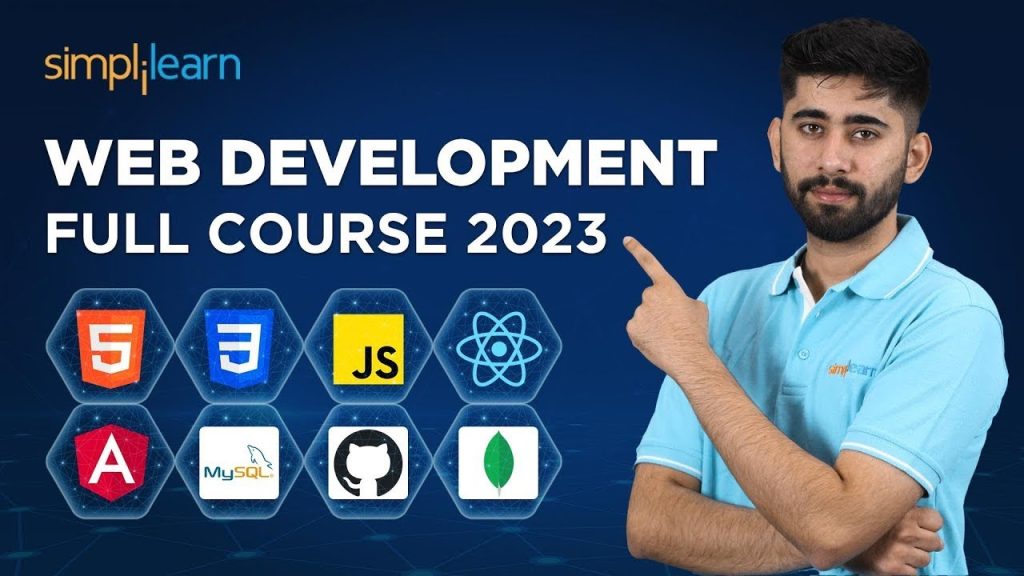
The journey began with the building blocks, the foundational languages that are the bedrock of the web. HTML, or HyperText Markup Language, was first. It felt like learning to sculpt with words. Tags like <p> for paragraphs, <h1> for headings, <a> for links – they were simple, logical, and surprisingly intuitive. I remember the sheer delight of writing a few lines of code in a plain text editor, saving it, and then opening that file in my browser to see my very first webpage. It was just text and a single image, but it was mine. I had created it. It was the digital equivalent of a child building their first tower with blocks.
Then came CSS, Cascading Style Sheets. This was where the magic truly began to happen, transforming plain, unstyled HTML into something visually appealing. Suddenly, my text could have colors, fonts could change, elements could be positioned, and layouts could be designed. This stage was a bit of a baptism by fire. CSS can be wonderfully powerful but also frustratingly finicky. I spent hours trying to understand concepts like the box model, flexbox, and grid, pulling my hair out when a div wouldn’t sit exactly where I wanted it to. But the satisfaction of finally getting a layout to snap into place, of seeing my page transform from bland to beautiful, was immense. It was like finally learning how to paint after knowing how to draw.
But the real game-changer, the language that truly made me feel like a digital sorcerer, was JavaScript. This is the language that brings websites to life, enabling interactivity, animations, and dynamic content. My brain felt like scrambled eggs trying to grasp concepts like variables, functions, loops, and conditional statements. There were moments of genuine frustration where I thought my brain simply wasn’t wired for this kind of logical thinking. But then, a "lightbulb moment" would strike. I’d finally understand how to make a button actually do something when clicked, how to fetch data from an external source, or how to create a simple interactive game. It was exhilarating. I was no longer just building static pages; I was building experiences. My first small project was a simple "to-do list" application – a seemingly trivial task, but for me, it represented a monumental step. I had built something that worked, that responded to my input, that managed data.
As I progressed through the web development course, the curriculum expanded beyond these core languages. We delved into frontend frameworks, tools that streamline the process of building complex user interfaces. I chose to focus on React, a JavaScript library developed by Facebook. Learning React felt like stepping into a whole new dimension of development. Components, state, props – these new concepts took time to sink in, but once they did, the power and efficiency they offered were incredible. Building a reusable component felt like designing a perfect, self-contained Lego piece that I could snap into place anywhere. The ability to manage complex application states and create single-page applications that felt incredibly smooth and responsive was a true revelation.
Then came the backend. While frontend development is all about what users see and interact with, backend development is the invisible engine that powers everything. This involved understanding servers, databases, and APIs (Application Programming Interfaces). We learned about Node.js, which allowed me to use JavaScript on the server-side, creating a seamless full-stack JavaScript experience. Connecting my frontend application to a backend API that could store and retrieve data from a database like PostgreSQL or MongoDB felt like completing a complex puzzle. Suddenly, my applications weren’t just temporary; they could remember information, handle user accounts, and perform complex operations behind the scenes. Building my first simple RESTful API and seeing my frontend application successfully communicate with it was a deeply satisfying experience. It was like learning how to design the exterior of a car, and then finally understanding how to build the engine and transmission that make it move.
Beyond the specific coding languages and frameworks, the web development course also taught me invaluable development practices. Version control with Git and GitHub became second nature, allowing me to track changes, collaborate with others, and revert to previous versions if I made a mistake. Learning how to debug my code, how to systematically find and fix errors, was a skill that saved me countless hours of frustration. And perhaps most importantly, the course instilled in me a problem-solving mindset – the ability to break down complex challenges into smaller, manageable pieces and tackle them one by one.
One of the most enriching aspects of my web development course was the community. Even though it was an online course, there was a vibrant forum, dedicated Slack channels, and regular virtual meetups. Sharing struggles with classmates, celebrating small victories together, and getting help from instructors and teaching assistants when I was truly stuck made a world of difference. There were times when imposter syndrome would creep in, making me doubt my abilities, but seeing that everyone else was also struggling with similar concepts, or that even experienced developers sometimes faced hours of debugging, provided immense comfort and encouragement. We learned from each other’s code, reviewed each other’s projects, and cheered each other on. This human element transformed what could have been a solitary, challenging journey into a collaborative and supportive one.
As the course neared its end, the focus shifted to building a portfolio. This wasn’t just about showing off; it was about demonstrating my skills with real-world projects. I built several applications from scratch, applying everything I had learned – from the initial wireframing and design to frontend implementation, backend logic, and database integration. Deploying these projects to live servers, making them accessible to anyone with an internet connection, was the ultimate culmination of my efforts. Each project became a tangible representation of my growth, a story of problems solved and skills acquired. These weren’t just exercises; they were my digital resume, showcasing what I could do.
Life after the web development course has been nothing short of transformative. I successfully transitioned into a role as a full-stack developer, a dream that once felt impossibly distant. The confidence I gained, not just in my technical abilities but in my capacity to learn and adapt, has permeated every aspect of my life. The digital black box is no longer a mystery; it’s a canvas where I can bring ideas to life. The continuous learning curve of web development means there’s always something new to explore, a new technology to master, and new challenges to overcome. It’s a field that demands curiosity and resilience, and my course equipped me with both.
For anyone standing where I once stood, staring at the vast landscape of web development and wondering where to begin, my advice is simple: take the leap. A well-structured web development course can be an incredibly powerful catalyst. Do your research diligently. Look for a course that aligns with your learning style – whether it’s self-paced, instructor-led, or a full-time bootcamp. Prioritize hands-on, project-based learning. Seek out a program that offers strong support, whether through mentors, instructors, or a thriving community. Don’t be afraid to ask questions, lots of them. Embrace the struggle, because that’s where the real learning happens. Build projects, even small ones, and build them often. And most importantly, remember that everyone starts as a beginner. The journey from curious novice to confident creator might be challenging, but it is immensely rewarding. Finding the right web development course wasn’t just about learning to code; it was about unlocking a new way of thinking, a new career path, and a profound sense of empowerment. It was, without a doubt, one of the best decisions I’ve ever made.