
I remember a time when my life felt like a tangle of loose threads, each one representing a half-finished project, a forgotten appointment, or a dream that was slowly fading into the background. My desk was a graveyard of sticky notes, my calendar a colorful but meaningless mosaic, and my mind a constant hum of anxieties about all the things I should be doing. I was busy, oh yes, I was incredibly busy, but I wasn’t productive. I was just reacting, putting out fires, and perpetually feeling like I was running on a treadmill that was set just a little too fast.
I was a creative soul, brimming with ideas, but somehow those brilliant sparks rarely ignited into full-blown projects. Whether it was my personal writing, a side hustle I dreamed of launching, or even just keeping my home life organized, everything felt like a monumental effort. The stress was palpable. I’d wake up already feeling behind, and by the end of the day, I’d collapse, exhausted, wondering where all the time had gone and why I still felt so unaccomplished. My friends would talk about their organized routines, their achieved goals, and I’d nod along, secretly wishing I had their secret sauce. I just figured some people were born organized, and I wasn’t one of them.
Then, one particularly chaotic morning, after missing an important deadline that I swear I had written down somewhere, I hit a wall. I scrolled through social media, seeking a distraction, and stumbled upon an ad for a "Planning Course." My first thought was, "A course on planning? Isn’t that just… common sense?" I was skeptical. I’d tried countless planners, apps, and systems. They’d all ended up gathering dust, another casualty in my war against disorganization. But something in the ad’s promise of "transforming your approach to goals" resonated with that deep yearning I had for control and clarity. It wasn’t about buying another fancy notebook; it was about learning how to use one effectively, how to think strategically.
With a mix of hope and cynicism, I signed up. I figured, what’s the worst that could happen? Another failed attempt? I was already an expert at those. Little did I know, this decision would be one of the most pivotal choices I ever made for my personal and professional growth. It wasn’t just a course; it was an awakening.
The very first module of the planning course wasn’t about calendars or to-do lists at all. It was about introspection. It asked us to define our values, our long-term vision, and what truly mattered to us. This was a revelation. I had been so caught up in the daily grind that I’d forgotten to ask myself why I was doing anything. The course gently guided me through exercises that helped me articulate my deepest desires, not just vague aspirations like "be successful" or "be happy," but concrete, meaningful goals tied to my core values. This initial step, often overlooked in the rush to just "get things done," laid the groundwork for everything else. It taught me that effective planning isn’t just about scheduling; it’s about intentional living. It’s about aligning your actions with your purpose. This foundational work was crucial for turning my scattered ideas into a coherent life path.
Next, we delved into goal setting, but not the way I had always approached it. Gone were the overwhelming, abstract goals. The course introduced me to frameworks like SMART goals (Specific, Measurable, Achievable, Relevant, Time-bound), which, while not entirely new to me in concept, were presented in a way that made them truly actionable. We learned how to break down massive goals into smaller, bite-sized tasks. This was a game-changer. My dream of writing a novel, which had always felt like climbing Mount Everest, suddenly transformed into "write 500 words per day," "outline Chapter 1," "research character names." Each small step felt manageable, celebrated, and most importantly, doable. This method of breaking down tasks significantly reduced the intimidation factor and made the path to achievement seem less daunting.
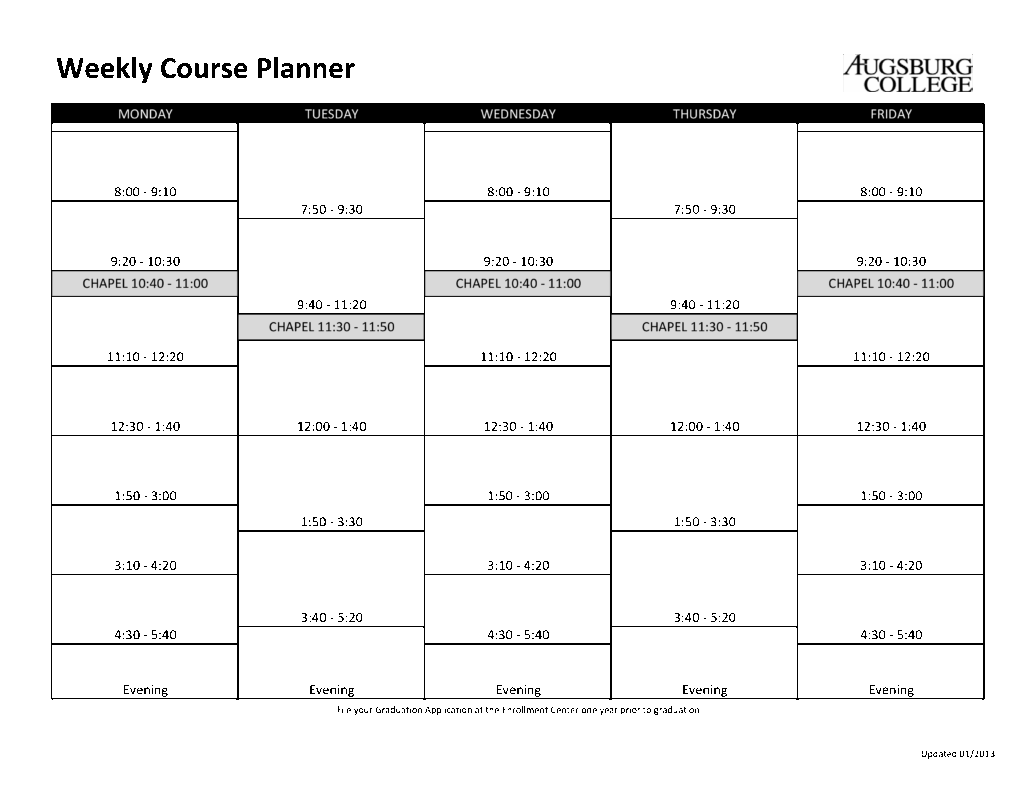
One of the biggest hurdles for me had always been time management. I knew intellectually that time was finite, but I acted as if it were an endless resource. The planning course introduced me to various time blocking techniques. Instead of just having a general to-do list, I learned to allocate specific blocks of time for specific tasks. For instance, my "writing time" wasn’t just a wish; it became a non-negotiable hour in my calendar. I started treating these blocks like actual appointments, showing up for them with the same respect I’d give a doctor’s visit. This structured approach to my day wasn’t about rigidity; it was about creating boundaries and protecting my most valuable resource. It taught me to be proactive with my time, rather than reactive. The focus shifted from merely filling time to purposefully investing it.
The course also tackled the beast of procrastination head-on. It wasn’t about shaming; it was about understanding the roots of procrastination (fear, perfectionism, overwhelm) and developing strategies to overcome it. We explored techniques like the Pomodoro Technique, which involved focused work intervals followed by short breaks. This simple method helped me tackle tasks I’d been avoiding for weeks. The idea of just committing to 25 minutes of work felt less intimidating than facing a multi-hour project. It helped me build momentum and chip away at those daunting items on my list. Another powerful lesson was the "two-minute rule": if a task takes less than two minutes, do it immediately. This cleared up so much mental clutter and prevented small tasks from snowballing into bigger problems.
A significant portion of the planning course was dedicated to prioritization. This was another area where I frequently stumbled. Everything felt urgent, everything felt important. The course introduced me to matrices like the Eisenhower Box (Urgent/Important) and techniques for identifying my "Most Important Tasks" (MITs) for the day. This simple framework brought incredible clarity. I learned to distinguish between tasks that truly moved the needle towards my goals and those that were simply distractions or busywork. It wasn’t about doing more; it was about doing the right things. This skill was invaluable for both my personal life and my career planning, allowing me to focus my energy where it truly mattered.
The course didn’t just teach us tools; it taught us a mindset. It emphasized the importance of flexibility and iteration. Life happens, and even the best-laid plans can go awry. Instead of viewing deviations as failures, the course taught me to see them as opportunities to learn and adjust. We were encouraged to review our plans regularly, to celebrate small victories, and to be kind to ourselves when things didn’t go perfectly. This focus on reflection and continuous improvement was a breath of fresh air. It transformed planning from a rigid, daunting task into an empowering, adaptable process. It built resilience and self-awareness, which are crucial skills for anyone navigating a complex world.
We also explored various digital and analog planning tools, not with the instruction to use one specific system, but rather to understand the principles behind them and choose what resonated best with our individual preferences. From digital calendars and task managers to bullet journals and simple notebooks, the emphasis was on finding a system that supported our workflow, rather than forcing ourselves into a rigid mold. This personalized approach to tool selection ensured that the planning system I developed was truly mine, tailored to my unique needs and preferences. It wasn’t about adopting someone else’s perfect system, but about constructing my own.
The impact of the planning course on my life was profound and far-reaching. My desk is no longer a chaotic mess; it’s a functional workspace. My calendar isn’t just a jumble of entries; it’s a strategic roadmap. I’ve started and made significant progress on that novel I dreamed of. My side hustle is no longer just a "someday" idea; it’s a tangible project with clear milestones. I even manage to consistently make time for hobbies and self-care, something that felt impossible before. The constant hum of anxiety has been replaced by a quiet confidence. I feel more in control, more intentional, and surprisingly, more creative because my mind isn’t constantly bogged down by forgotten tasks.
The benefits extended beyond just getting more done. My relationships improved because I was less stressed and more present. My physical health saw positive changes because I was better at scheduling workouts and meal prep. My career planning became clearer, as I could articulate my professional goals and strategically plan the steps to achieve them. This wasn’t just about becoming more productive; it was about cultivating a more balanced, fulfilling life. The planning course didn’t just teach me how to manage my tasks; it taught me how to manage my energy, my focus, and ultimately, my life. It gave me the framework for strategic planning in all aspects of my existence.
For anyone who feels overwhelmed, constantly behind, or simply unsure how to translate their dreams into reality, I cannot recommend a planning course enough. It’s not just for corporate executives or project managers; it’s for anyone who wants to take charge of their time, achieve their goals, and live a more intentional life. It’s an investment not just in a skill, but in your peace of mind and your future success. You might think you already know how to plan, but I assure you, a structured course goes far beyond what most of us learn through trial and error. It provides a comprehensive framework, proven strategies, and the accountability that can truly make a difference. It equips you with the fundamental skills for personal planning and effective execution.
If you’re a student struggling with assignments, a professional aiming for career advancement, an entrepreneur launching a new venture, or simply someone who wants to bring order to their personal chaos, the principles taught in a good planning course are universally applicable. It teaches you how to think systematically, how to prioritize effectively, and how to execute consistently. It provides the tools and techniques to move from simply reacting to life to actively designing it. It’s a foundational skill set that empowers you to take control, build momentum, and achieve meaningful outcomes, whether those are personal aspirations or large-scale project planning initiatives.
Don’t let the word "planning" intimidate you. It’s not about stifling spontaneity; it’s about creating space for it by handling the necessities efficiently. It’s about freedom, not restriction. It’s about learning to navigate the complexities of modern life with grace and purpose. It’s about turning those loose threads into a beautifully woven tapestry of achievements and well-being. My experience with a planning course transformed my relationship with time, tasks, and my own potential. It was the unexpected key that unlocked a clearer, more organized, and ultimately, much happier existence. If you’re looking to cultivate a life where you feel more in command, where your aspirations are within reach, and where you consistently make progress on what truly matters, then exploring a dedicated planning course might just be the most impactful decision you make this year. It certainly was for me.