
I remember a time, not so long ago, when the idea of going back to school felt like an insurmountable mountain. Life had settled into its rhythm, a comfortable if somewhat predictable cadence of work, home, and the occasional weekend adventure. But beneath that comfort, a quiet yearning simmered – a desire to learn something new, to pick up a skill that felt relevant, or simply to understand a subject that had always fascinated me. The problem, as it often is for many, was the cost, the time commitment, and the sheer logistical nightmare of traditional education. Attending classes meant commuting, rigid schedules, and often, a hefty tuition fee that simply wasn’t within reach. I’d browse university websites, sigh at the price tags, and then close the browser, telling myself it just wasn’t meant to be.
Then, one quiet evening, while scrolling through a news feed, a peculiar acronym caught my eye: MOOC. It stood for Massive Open Online Course. The headline hinted at free university-level learning, available to anyone with an internet connection. My skepticism was immediate. "Free? University-level? That sounds too good to be true," I thought. But curiosity, as it always does, got the better of me. I clicked, and what unfolded before my eyes was a revelation – a sprawling landscape of courses from some of the world’s most prestigious institutions, all accessible from my humble laptop. It felt like stumbling upon a secret garden of knowledge, a hidden pathway to personal and professional growth that I never knew existed. This wasn’t just a new way to learn; it felt like a revolution, an equalizer in the world of education.
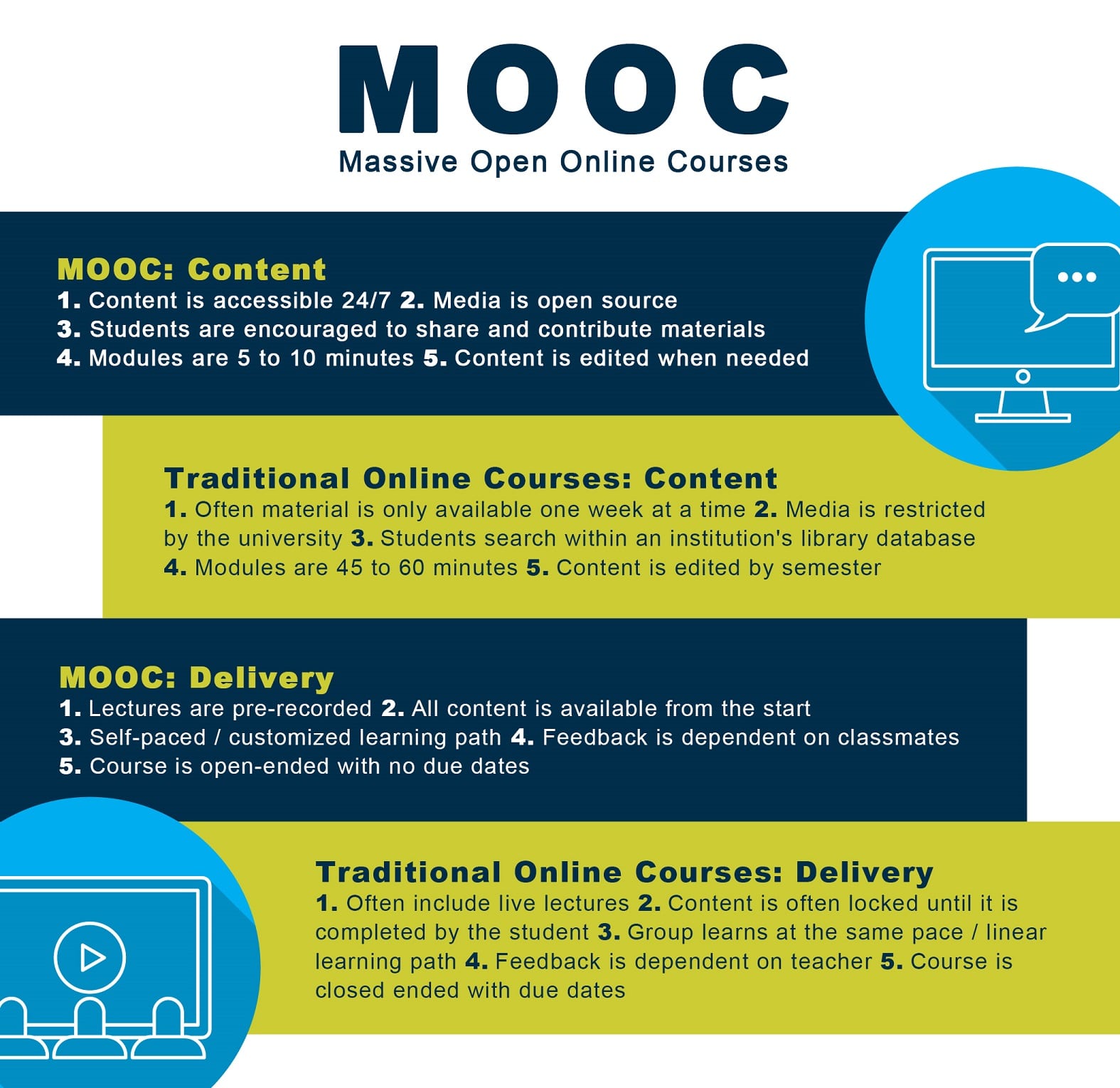
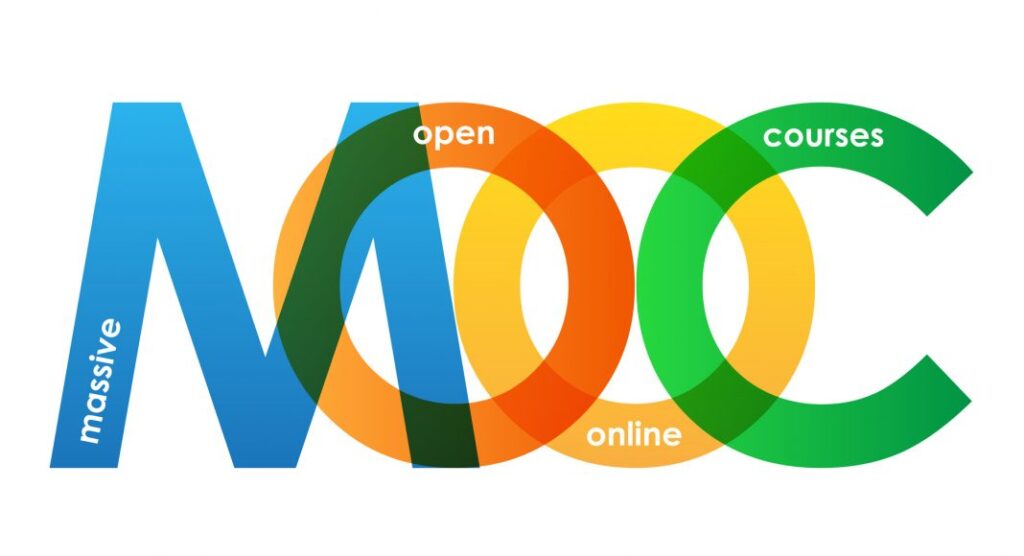
At its core, a MOOC is exactly what its name suggests: it’s Massive because it can accommodate an unlimited number of learners from across the globe. It’s Open because it’s available to anyone, usually without prerequisites or application processes, and often at no cost for the learning material itself. It’s Online because, well, it’s delivered entirely over the internet, through various platforms that host these courses. And it’s a Course, structured with lectures, readings, assignments, and often a community aspect. The beauty of it struck me instantly: no geographical barriers, no financial gatekeepers for the knowledge itself, and the freedom to learn at my own pace. This was precisely the solution I hadn’t realized I was searching for.
My first dive into this vast ocean of learning was a course on "Introduction to Python Programming." I’d always been intrigued by coding but felt utterly intimidated by it. The thought of learning a programming language from scratch seemed daunting, a task reserved for tech-savvy geniuses. But this MOOC, hosted on one of the prominent platforms, promised to start from the absolute basics. The initial sign-up was surprisingly simple. No lengthy forms, no transcripts required, just an email address and a desire to learn. I remember the slight tremor in my hands as I watched the first video lecture. The professor, clear and engaging, explained concepts with a friendly demeanor, as if he were speaking directly to me. He wasn’t some distant, unapproachable academic; he was a guide, patiently leading me through the labyrinth of variables, loops, and functions.
The course structure quickly became familiar. Each week, new video lectures would unlock, interspersed with short quizzes to test my understanding. There were programming exercises that challenged me to apply what I’d learned, and peer-reviewed assignments where I’d evaluate the work of other learners and, in turn, have my own work assessed. This peer-review system was particularly enlightening. It wasn’t just about getting a grade; it was about seeing how others approached the same problem, learning from their solutions, and articulating my feedback constructively. The discussion forums were buzzing with activity – questions, answers, shared struggles, and moments of collective "aha!" It wasn’t solitary learning; it was a global classroom, a vibrant community of fellow explorers, all grappling with the same concepts, cheering each other on.
Of course, it wasn’t always smooth sailing. There were evenings when I’d stare blankly at a piece of code, utterly convinced I’d never grasp it. Procrastination became a familiar adversary, whispering temptations of binge-watching shows instead of debugging my scripts. I had to learn to be my own motivator, my own schedule keeper. There was no professor physically present to nudge me, no classmates to hold me directly accountable in person. It demanded a level of self-discipline I hadn’t often exercised outside of work. But each time I pushed through a particularly tricky concept, each time my code finally ran without errors, the sense of accomplishment was immense. It wasn’t just about learning Python; it was about learning how to learn independently, how to persevere, and how to trust in my own ability to conquer new intellectual challenges. Finishing that first MOOC, earning that certificate of completion, felt like a small personal triumph, a testament to what was possible when I decided to take charge of my own education.
The experience of that first MOOC truly opened my eyes to the incredible advantages these platforms offer. One of the most significant benefits, undoubtedly, is accessibility. It truly levels the playing field. Whether you live in a bustling metropolis or a remote village, as long as you have an internet connection, the world’s knowledge is at your fingertips. This global reach means you’re not just learning from a local institution, but potentially from professors at Ivy League universities, leading industry experts, or specialized research centers, all without ever having to step foot on a campus. For someone like me, who had long put off further education due to geographical constraints and life commitments, this was nothing short of revolutionary.
Then there’s the unparalleled affordability. Many MOOCs offer a "free audit" option, allowing you to access all the lecture videos, readings, and practice exercises without paying a dime. If you want a verified certificate to prove your completion and understanding, there’s usually a fee, but it’s a fraction of what a traditional university course would cost. This model means that the barrier to knowledge, which historically has been heavily financial, is significantly lowered. It empowers individuals from all economic backgrounds to pursue learning, whether for personal enrichment or career advancement, without accumulating crippling debt. I found myself enrolling in courses not just for skills but simply out of pure curiosity, something I would never have done if each enrollment came with a hefty price tag.
Flexibility is another game-changer. Life doesn’t stop for a semester. Work schedules, family responsibilities, unexpected events – these are all realities that make traditional, fixed-schedule learning incredibly difficult. MOOCs, by their very design, understand this. Most courses are self-paced, allowing you to watch lectures at midnight, complete assignments during your lunch break, or dive deep into readings on a lazy Sunday afternoon. You set your own rhythm, fitting learning into the crevices of your existing life rather than having to rearrange your entire life around your studies. This adaptability was crucial for me, enabling me to consistently progress through courses even when my weeks were unpredictable.
The sheer diversity of courses available is staggering. From quantum physics to creative writing, from digital marketing to ancient history, from data science to culinary arts – there is literally a MOOC for almost every conceivable subject. This vast selection means you can truly follow your passions, explore new interests, or acquire highly specialized skills directly relevant to your career goals. I remember browsing through the catalogs and feeling like a kid in a candy store, realizing I could learn about anything from the fundamentals of blockchain to the history of rock and roll, all within the same ecosystem. This breadth allows for true lifelong learning, catering to evolving interests and professional needs.
The quality of instruction is often exceptionally high. Because MOOC platforms partner with top universities and leading companies, you’re frequently learning from professors who are experts in their fields, published authors, and innovators. These aren’t just any instructors; they are often the very people shaping their disciplines. This access to world-class educators, previously reserved for students admitted to elite institutions, is democratized through MOOCs. It elevates the learning experience, ensuring that the content is rigorous, up-to-date, and presented by those truly passionate and knowledgeable about their subject matter.
Furthermore, the community aspect, though virtual, is incredibly rich. The discussion forums are often bustling with learners from every corner of the globe, bringing diverse perspectives and experiences to the table. You might be discussing a philosophical concept with someone from Japan, troubleshooting code with an engineer from Germany, or collaborating on a project with a student from Brazil. This global interaction enriches the learning process, broadens your worldview, and can even lead to valuable networking opportunities. It breaks down the isolation that sometimes comes with independent study and fosters a sense of shared journey.
For career-minded individuals, MOOCs offer tangible pathways for skill development and career advancement. Many courses are designed with specific industry needs in mind, offering certifications, specializations, or professional certificates that can be added to your resume or LinkedIn profile. These credentials demonstrate a commitment to continuous learning and the acquisition of practical skills that employers value. I’ve seen firsthand how people use these certificates to pivot careers, gain promotions, or simply stay competitive in a rapidly evolving job market. It’s not just about theoretical knowledge; it’s about acquiring marketable skills that can directly impact your professional trajectory.
Beyond the practical, MOOCs foster immense personal growth. They cultivate self-discipline, time management skills, and a proactive approach to learning. Successfully completing a challenging MOOC instills a profound sense of confidence and empowers you to tackle even more complex subjects. It encourages a mindset of lifelong learning, an understanding that education isn’t a finite period in your youth but an ongoing journey throughout life. It taught me the joy of intellectual pursuit for its own sake, the sheer satisfaction of understanding something new, of connecting dots that were previously disparate.
Navigating this educational landscape effectively requires a bit of strategy, learned through trial and error. My first piece of advice is always about choosing the right course. Don’t just jump into the first one you see. Take time to explore. Read course descriptions thoroughly, check the syllabus to ensure the topics align with your interests and goals, and most importantly, read reviews from previous learners. Look for courses with high ratings, engaging instructors, and a supportive community. It’s better to invest a little time upfront in selection than to get halfway through a course and realize it’s not for you.
Staying motivated is perhaps the biggest hurdle. Without the external pressures of a traditional classroom, it’s easy to fall behind. My trick was to set small, achievable goals each week. Instead of thinking "I need to finish this entire module," I’d break it down: "Today, I’ll watch two lectures and complete the quiz." Establishing a routine, even if it’s just dedicating an hour or two a few times a week, can make a huge difference. Finding an accountability partner, someone else also taking a MOOC, can also provide that extra push when motivation wanes. Sharing progress and struggles makes the journey feel less solitary.
Engaging actively with the material is paramount. Don’t just passively watch videos. Take notes, pause to reflect, rewind if something is unclear, and try to explain concepts in your own words. The programming course taught me the importance of "doing" rather than just "watching." Practice exercises, even if optional, are invaluable. The more you interact with the content, the deeper your understanding will be. Don’t be afraid to make mistakes; they are often the most powerful teachers.
Utilizing the community is another often-underestimated aspect. The discussion forums are a goldmine of insights. If you have a question, chances are someone else has already asked it, or a kind soul will answer it. Even better, try to answer others’ questions. Explaining a concept to someone else solidifies your own understanding and contributes positively to the learning environment. This active participation transforms a potentially isolated experience into a collaborative one.
Time management quickly became a skill I honed. I learned to block out specific times in my calendar for my MOOCs, treating them with the same respect as work appointments. Being realistic about how much time I could commit each week prevented burnout and allowed for consistent progress. It’s a marathon, not a sprint, and pacing yourself is key. There will be weeks when life throws curveballs, and that’s okay. The flexibility of MOOCs means you can often catch up without falling entirely behind.
Finally, regarding certifications versus free auditing, I learned it truly depends on your goals. If you’re learning purely for personal enrichment or to explore a new interest, the free audit option is perfect. You get all the knowledge without the cost. However, if you’re looking to enhance your resume, gain a specific skill for career advancement, or need a verifiable credential, investing in the paid certificate is often worth it. It provides an official recognition of your effort and achievement and can open doors to new opportunities. It’s a personal decision, weighing the value of formal recognition against the desire for pure knowledge.
My journey with MOOCs has profoundly reshaped my perspective on education. It’s no longer a finite period or an exclusive club; it’s a continuous, accessible adventure. I’ve gained valuable skills that have directly impacted my professional life, allowing me to approach challenges with greater confidence and competence. More importantly, it has reignited a passion for learning that I thought had long been extinguished by the demands of adulthood. It showed me that age, location, and financial constraints don’t have to be barriers to intellectual growth.
To anyone feeling that familiar yearning for knowledge, that quiet ambition to learn something new, I wholeheartedly encourage you to explore the world of MOOCs. It’s a world brimming with possibilities, a chance to connect with brilliant minds, and an opportunity to unlock your own potential, all from the comfort of your living room. Take that first step, click that first course, and prepare to be amazed by the doors that will open. The future of learning is here, and it’s more open, more diverse, and more empowering than I ever could have imagined.