
I remember it like it was yesterday, the knot of anxiety tightening in my stomach. The dream was big – studying abroad, seeing the world, expanding my horizons – but standing between me and that dream was a four-letter acronym: IELTS. The International English Language Testing System. It felt like a dragon I had to slay, and honestly, my sword felt a bit dull. I’d always considered my English "good enough," but "good enough" for chatting with friends or watching movies wasn’t the same as "good enough" for a high-stakes academic test. That’s when I knew I needed more than just self-study; I needed structure, guidance, and a serious boost. I needed an IELTS preparation course.
The decision to enroll in an IELTS course wasn’t made lightly. I spent weeks poring over websites, reading reviews, asking friends for recommendations. There were so many options: intensive online courses, local academies, private tutors. It felt overwhelming. What if I picked the wrong one? What if it was a waste of money? My budget wasn’t limitless, and my time was precious. I eventually settled on a well-regarded local academy that also offered an online component for missed classes or extra practice. Their testimonials mentioned supportive teachers and a good track record, and something about their approach just clicked with me during a free introductory session. They promised to break down the IELTS exam into manageable pieces, and that’s exactly what my overwhelmed brain needed to hear.
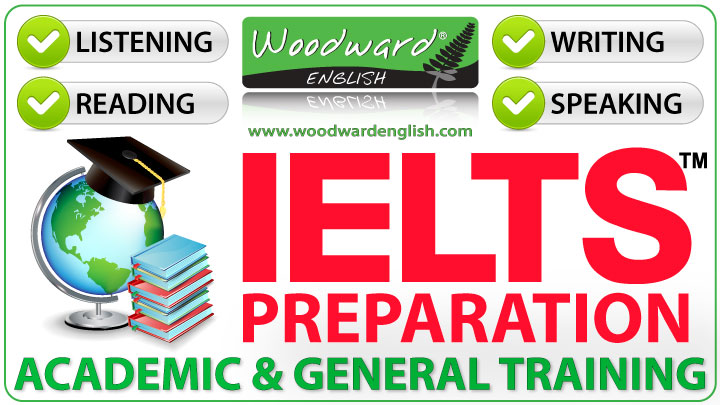
Walking into that first class, I felt a mix of nerves and excitement. The room was full of people from all walks of life, all with their own dreams tied to that IELTS score. Some were aiming for universities, others for immigration, but we all shared that common goal. Our instructor, Sarah, was fantastic. She had this calm, encouraging demeanor, but also a no-nonsense approach to getting things done. She started by demystifying the whole IELTS structure, explaining the four modules – Listening, Reading, Writing, and Speaking – and what each one demanded. It was a relief to finally have a clear roadmap.
The Listening module was our first dive. I thought, "Easy, I listen to English music and watch TV shows all the time!" Oh, how wrong I was. IELTS listening isn’t just about understanding; it’s about pinpointing specific information, often under pressure, while dealing with various accents and distractions. Sarah taught us strategies I’d never considered: predicting answers before the audio even started, identifying keywords, listening for signpost words that indicate a change in topic, and, crucially, managing my time to transfer answers accurately. We practiced with countless audio clips, from academic lectures to everyday conversations. My initial scores were disheartening, full of silly mistakes. But with each practice session, with Sarah’s feedback on where I went wrong (was I losing focus? Misinterpreting a number?), I slowly started to improve. The real game-changer was learning to multitask – listening intently while simultaneously jotting down notes without getting lost.
Next up was Reading, another module I thought I’d ace. After all, I enjoy reading! But IELTS Reading is a different beast. It’s about speed, comprehension, and navigating complex academic texts filled with jargon, all while tackling various question types like matching headings, identifying true/false/not given statements, and completing summaries. My biggest challenge was time. I’d get stuck on a difficult paragraph, re-reading it endlessly, and suddenly realize half my time was gone. Sarah drilled us on skimming and scanning techniques, teaching us to quickly identify the main idea of paragraphs and locate specific details without reading every single word. She also emphasized building our vocabulary, not just memorizing lists, but understanding words in context. We’d dissect passages together, analyzing why certain answers were correct and others weren’t, picking apart the subtle traps laid out by the test designers. It was tough, sometimes frustrating, but with every timed practice, I felt my speed and accuracy creeping up.
Then came the monster: Writing. This was where my confidence really took a hit. Task 1 required describing graphs, charts, or processes, while Task 2 was a full-blown academic essay on a given topic. My natural writing style was a bit… meandering. I struggled with structuring my thoughts clearly, using appropriate academic vocabulary, and maintaining a cohesive argument. Sarah dedicated significant time to breaking down essay structures: introduction, body paragraphs with clear topic sentences and supporting details, and a concise conclusion. For Task 1, she taught us how to identify key features, group information logically, and use a range of descriptive language without just listing numbers. The most valuable part of the course for Writing was the feedback. We wrote essays, and Sarah would mark them meticulously, highlighting grammatical errors, suggesting better vocabulary choices, pointing out where my arguments lacked clarity or coherence. Receiving personalized feedback on my own writing, rather than just looking at sample answers, was absolutely instrumental in my improvement. It showed me my specific weaknesses and how to fix them.
Finally, there was Speaking. This module filled me with a unique kind of dread. I could usually communicate, but talking formally, spontaneously, and for an extended period, under examination conditions? That was daunting. The course provided a safe space to practice. We did mock interviews, first with Sarah, then with each other. She taught us how to extend our answers beyond a simple "yes" or "no," how to use linking words and phrases to make our speech flow more naturally, and how to develop our ideas. We discussed common IELTS topics, from hobbies and hometowns to environmental issues and future plans. Sarah gave us tips on pronunciation, intonation, and even body language. She stressed that it wasn’t about having "perfect" English, but about being able to communicate effectively and confidently. The sheer act of speaking English every week, receiving constructive criticism, and hearing my classmates’ varied responses really helped me overcome my shyness and build fluency. I learned to embrace small pauses, to think for a second before speaking, and to recover gracefully if I stumbled.
Beyond the specific modules, the IELTS preparation course offered so much more. It provided a consistent schedule, which was crucial for someone like me who tends to procrastinate. Knowing I had classes to attend and assignments due kept me accountable. The teachers weren’t just instructors; they were mentors who understood the nuances of the exam and could offer specific strategies for different question types. They shared invaluable insider tips that you wouldn’t find in textbooks alone, like how to manage nerves on test day or how to interpret tricky instructions. We also had access to a library of practice materials, full-length mock tests, and online resources that complemented the classroom learning. The sense of community with my fellow students was also a huge motivator. We shared our frustrations, celebrated small victories, and practiced together outside of class. It felt like we were all in it together, pushing each other forward.
There were definitely moments of frustration. I remember one week feeling completely overwhelmed by my lack of progress in Writing Task 2. I felt like I was writing the same mediocre essay over and over. I almost gave up. But Sarah sat down with me after class, went through my essay line by line, and helped me identify a pattern in my errors. She gave me specific exercises to target those issues, and slowly, painstakingly, I started to see the light. It wasn’t magic; it was consistent effort and targeted guidance.
As the exam date approached, the intensity of the course ramped up. We did full mock tests under timed conditions, simulating the actual exam environment. This was crucial for building stamina and getting used to the pressure. By the time I walked into the actual testing center, I still had nerves, of course, but they were different nerves. They weren’t the paralyzing kind; they were more like the excited jitters of someone who felt prepared. I knew the format, I knew the strategies, and I knew what to expect.
When the results finally came, I almost couldn’t believe it. My score was exactly what I needed, even a bit higher in some areas than I’d hoped. The wave of relief and triumph was immense. Looking back, I genuinely don’t think I could have achieved that score through self-study alone. The IELTS preparation course provided the structure, the expert guidance, the personalized feedback, and the sheer volume of practice that I needed. It wasn’t just about learning English; it was about learning how to approach the IELTS exam strategically.
So, if you’re standing where I once was, staring down the IELTS dragon, feeling overwhelmed and unsure, I heartily recommend considering an IELTS preparation course. It’s an investment, yes, but it’s an investment in your future. When you’re looking for a course, consider a few things:
- Teacher Quality: Look for experienced instructors who understand the IELTS exam inside out. Good teachers make all the difference. Ask about their credentials and teaching style.
- Curriculum and Resources: Does the course cover all four modules thoroughly? Do they provide ample practice materials, mock tests, and extra resources?
- Feedback System: This is critical, especially for Writing and Speaking. How often will you get personalized feedback? How detailed will it be?
- Flexibility: Does the schedule fit your life? Are there online options if you need them?
- Class Size: Smaller classes often mean more individual attention, which can be a huge benefit.
- Reviews and Reputation: What do past students say? Don’t just look at the overall score; read the comments.
An IELTS preparation course won’t magically give you a high score. It requires your dedication, hard work, and consistent effort. But it will give you the tools, the strategies, and the confidence to perform your best. It will break down the seemingly insurmountable task into manageable steps, guide you through each challenge, and provide the support system you need to conquer that exam. For me, it was the key that unlocked my dream. It wasn’t just about passing a test; it was about truly understanding what I was capable of.