
I remember standing at a crossroads, feeling a peculiar blend of ambition and apprehension. My career had been a steady climb, a series of predictable steps that, while successful by most measures, left me with a gnawing sense of something missing. I was good at my job, managed projects effectively, and could even rally a team when needed. Yet, there was an invisible ceiling, a certain gravitas I lacked, a quiet authority that seemed to elude me. People listened, yes, but did they truly follow? Did I inspire, or merely direct? This self-doubt, coupled with a deep desire for meaningful impact, eventually led me to consider something I’d always viewed with a mix of skepticism and curiosity: a leadership course.
To be frank, the idea of a formal leadership training initially felt a bit… manufactured. Could leadership, that elusive blend of charisma, wisdom, and grit, truly be taught in a classroom? I imagined stuffy lectures, generic advice, and role-playing exercises that felt more awkward than enlightening. But the persistent whispers of my own potential, urging me to push beyond my comfort zone, finally won out. I scoured the internet, spoke to mentors, and eventually enrolled in what promised to be a comprehensive leadership course, hoping for the best, but secretly bracing for disappointment.
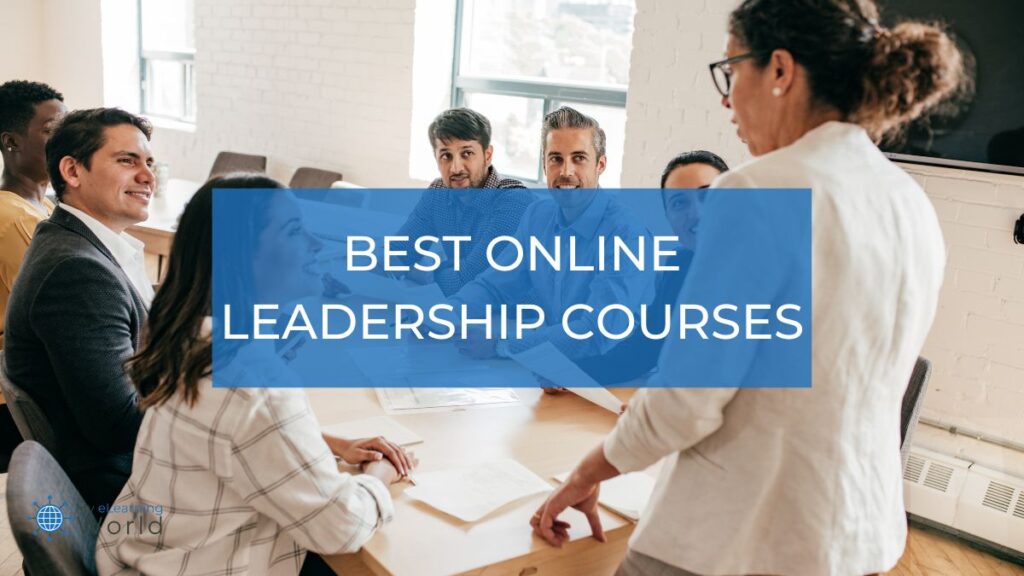
From the very first day, my preconceptions were delightfully shattered. It wasn’t a rigid academic exercise; it was an immersive experience, a journey into understanding not just how to lead others, but how to lead myself. Our instructor, a seasoned professional with a calm demeanor and eyes that seemed to hold a universe of experience, began not with powerpoint slides, but with a simple question: "What does leadership mean to you?" The answers were as diverse as the individuals in the room – control, influence, vision, service, strength. This immediately set the tone: leadership wasn’t a single mold, but a complex tapestry woven from individual strengths and evolving understanding.
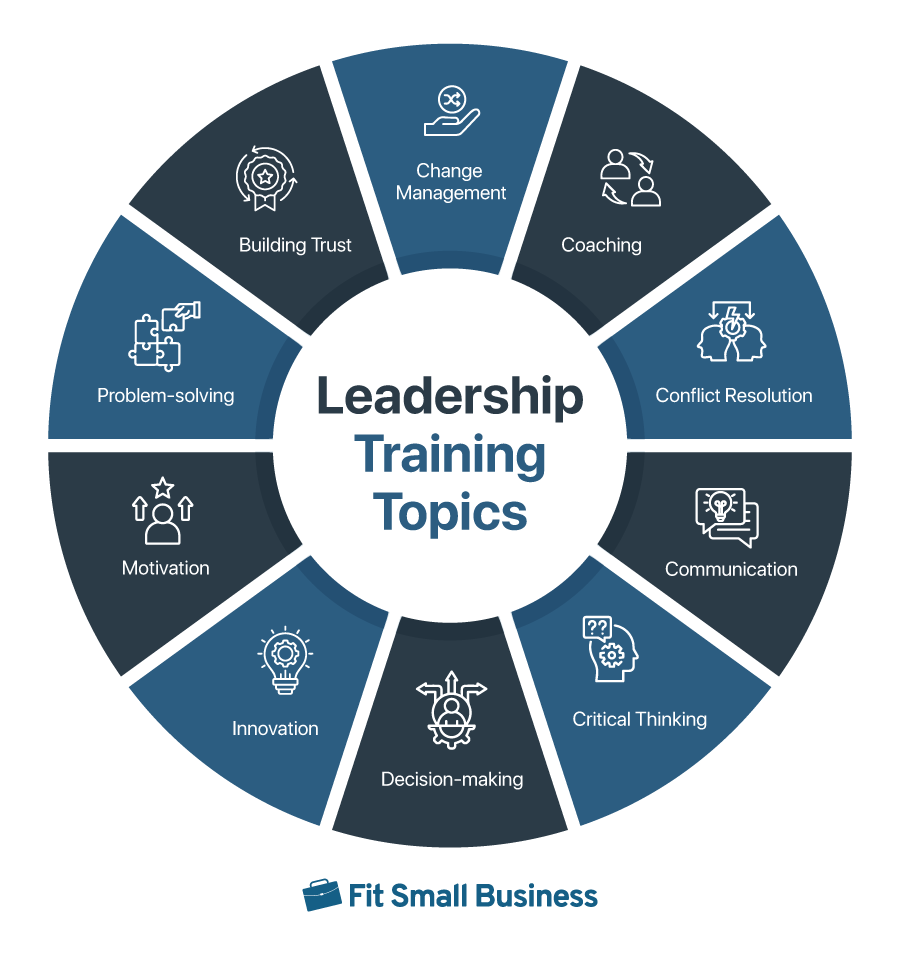
One of the earliest and most impactful modules focused on communication. I’d always considered myself a decent communicator. I could write emails, present ideas, and hold conversations. But this leadership course delved deeper, peeling back the layers to reveal the nuances of effective communication. We learned about active listening, not just waiting for our turn to speak, but truly absorbing, understanding, and validating the other person’s perspective. I realized how often I’d been formulating my response while someone else was still talking, missing crucial details and, more importantly, missing opportunities to connect. The exercises, ranging from simulated client negotiations to peer coaching sessions, forced me to confront my own habits. I discovered the power of asking open-ended questions, the importance of non-verbal cues, and the art of crafting messages that resonate, not just inform. It wasn’t about being eloquent; it was about being clear, authentic, and empathetic. This shift in my communication style had an immediate ripple effect, not only in my professional interactions but also in my personal relationships, fostering deeper understanding and fewer misunderstandings.
Then came the module on delegation, a topic that, for many of us in the room, was fraught with unexamined anxieties. My personal struggle was rooted in a belief that if I wanted something done right, I had to do it myself. This was, of course, a recipe for burnout and a bottleneck for my team. The leadership training taught me that true delegation isn’t about offloading tasks; it’s about empowerment, trust, and fostering growth. We explored frameworks for effective delegation, learning how to clearly define expectations, provide necessary resources, and most importantly, step back and allow others to take ownership. It was terrifying at first, relinquishing control, but witnessing my team members rise to the occasion, bringing their own creativity and problem-solving skills to tasks I’d previously hoarded, was incredibly rewarding. It wasn’t just about freeing up my time; it was about cultivating a more capable, engaged, and confident team. This experience underscored a core principle of developing leadership skills: you don’t grow by doing everything, but by enabling others to do more.
Perhaps the most challenging, yet ultimately transformative, part of the leadership course was the deep dive into emotional intelligence. This wasn’t something I’d ever considered "teachable." I thought it was an innate trait, something you either had or you didn’t. But our instructor skillfully guided us through the components: self-awareness, self-regulation, empathy, and social skills. We engaged in introspective exercises, journaled about our emotional triggers, and practiced recognizing and managing our reactions under pressure. I learned to identify my own biases, to pause before reacting impulsively, and to genuinely try to understand the emotional landscape of those around me. Empathy, in particular, moved from an abstract concept to a practical tool. By learning to step into someone else’s shoes, even for a moment, I could approach conflicts with greater understanding, motivate individuals more effectively, and build stronger, more resilient relationships. This journey into emotional intelligence was a profound lesson in self-mastery, a critical foundation for any future leader.
The strategic thinking sessions were another eye-opener. Before the course, my strategic approach was largely reactive, focused on immediate problems and short-term wins. The leadership course introduced me to the broader landscape of vision casting, long-term planning, and understanding market dynamics. We analyzed case studies of successful and failed organizations, dissecting their strategies and identifying key decision points. I learned to ask "why" more often, to connect daily tasks to overarching goals, and to anticipate future challenges rather than merely responding to present ones. This shift in perspective was like gaining a new lens through which to view my work, transforming me from a task manager into a genuine contributor to my organization’s future direction. It provided a sense of purpose and direction that transcended the daily grind, making me feel like an active architect of progress.
One aspect that I hadn’t anticipated was the immense value of my peers in the leadership training. The room was filled with individuals from diverse industries and backgrounds, all grappling with similar aspirations and challenges. We formed study groups, shared personal experiences, and offered candid feedback during practice sessions. Their perspectives broadened my understanding of leadership principles and their application in various contexts. The camaraderie we built was invaluable; it created a safe space for vulnerability, experimentation, and growth. These weren’t just classmates; they were a network of future leaders, a sounding board for ideas, and a source of ongoing inspiration. The collaborative spirit fostered by the leadership course taught me that leadership isn’t a solitary endeavor, but a collective journey.
The course also touched on the critical importance of building and motivating high-performing teams. It wasn’t enough to delegate or communicate; a true leader cultivates an environment where everyone feels valued, heard, and empowered to contribute their best. We learned about fostering psychological safety, recognizing individual strengths, and celebrating successes, both big and small. I started to see my role not as a director, but as a facilitator, removing obstacles and providing the resources and encouragement my team needed to thrive. This shift transformed my team dynamics, leading to increased engagement, innovation, and ultimately, better results. It reinforced the idea that effective leadership is about creating a ripple effect, empowering others to become leaders in their own right.
As the weeks unfolded, the concepts moved beyond theory and firmly into practice. We tackled conflict resolution techniques, learning how to mediate disputes constructively and transform disagreements into opportunities for growth. We explored ethical leadership, confronting complex moral dilemmas and understanding the profound responsibility that comes with influence. We even delved into resilience and adaptability, preparing us to lead through uncertainty and navigate the inevitable setbacks that accompany any ambitious endeavor. Each module built upon the last, weaving a comprehensive understanding of what it truly means to be a leader in today’s dynamic world. This commitment to practical application is what made the leadership course so much more than just a theoretical exercise; it was a laboratory for real-world leadership development.
By the time the leadership course concluded, I was a different person. The initial apprehension had been replaced by a quiet confidence, the self-doubt by a clear sense of purpose. I walked away not with a magic formula for leadership, but with a robust toolkit of skills, a deeper understanding of myself, and a renewed commitment to continuous learning. The investment in that leadership training wasn’t just a career move; it was an investment in personal growth that permeated every aspect of my life.
In the months and years that followed, I saw the tangible benefits of my leadership course experience. My ability to lead projects improved dramatically, my team became more cohesive and productive, and I found myself naturally stepping into roles of greater responsibility. I could navigate difficult conversations with grace, inspire confidence in my colleagues, and contribute strategically to my organization’s vision. More importantly, I felt a sense of fulfillment I hadn’t known before, knowing that I was not just doing a job, but making a genuine impact.
For anyone standing at that same crossroads, feeling the urge to grow, to lead with greater conviction, or simply to unlock their full potential, I cannot recommend a comprehensive leadership course highly enough. It’s more than just acquiring a new skill; it’s about undergoing a transformation. It’s about discovering the leader within you, polishing those innate abilities, and learning the practical strategies to bring them to fruition. It prepares you to be not just a manager, but a visionary, a mentor, and a force for positive change. The journey never truly ends, for leadership is a continuous process of learning and evolving, but a well-designed leadership course provides an unparalleled launchpad for that lifelong adventure. Take the leap; your future self will thank you for investing in the powerful journey of developing robust leadership skills.