
I remember a time when the idea of speaking another language felt like a distant, beautiful dream, perpetually out of reach. It was one of those things I admired in others, like being able to play the guitar or paint a stunning landscape, but never truly believed I could achieve myself. For years, I’d dabbled. I bought those phrasebooks for trips that ended up just sitting in my backpack, consulted a few free apps that promised fluency in ten minutes a day (spoiler: they didn’t), and even tried to teach myself from old textbooks. Each attempt felt like building a sandcastle against a rising tide; the words would wash away almost as soon as I’d piled them up. I’d learn to say "hello" and "thank you," maybe ask for directions to the train station, and then, poof, gone. The grammar felt like an impenetrable fortress, and the vocabulary, a never-ending desert.
What I really yearned for wasn’t just a few travel phrases. I wanted to connect, to understand a culture beyond what a tourist brochure could tell me. I dreamt of ordering coffee with confidence in a Parisian café, or chatting with a shopkeeper in Rome, or maybe even making a new friend during a solo backpacking trip. But the gap between my dreams and my reality felt vast, a chasm I didn’t know how to cross. My motivation would surge, then crash, leaving me feeling defeated and convinced that perhaps I just wasn’t "wired" for language learning.
Then, one rainy afternoon, scrolling through travel blogs, I stumbled upon countless stories of people who, just like me, had struggled, but then found success through what they called "language learning courses." It wasn’t just about downloading an app; it was about committing to a structured program, often with real teachers and fellow students. The idea sparked something in me. Maybe my problem wasn’t a lack of ability, but a lack of direction, a lack of the right kind of support.
I started my research with a cautious optimism. The sheer number of options out there was, frankly, overwhelming. There were intensive immersion programs abroad, university extension courses, local community college classes, online platforms with live tutors, self-paced digital courses, and even hybrid models that combined the best of both worlds. I felt a bit like a kid in a candy store, but one who was also terribly afraid of picking the wrong candy and ending up with a mouthful of disappointment.
My criteria began to form. I needed something flexible enough to fit into my already busy life, but structured enough to keep me accountable. I also knew from my past attempts that I needed interaction. Simply listening to audio or reading from a book wasn’t going to cut it; I needed to speak. And crucially, I needed a clear progression, a path that would lead me from "hello" to actual conversation without feeling lost in the weeds. Cost was, of course, a factor, but I also understood that an investment in a good course might save me years of frustrating, aimless learning.
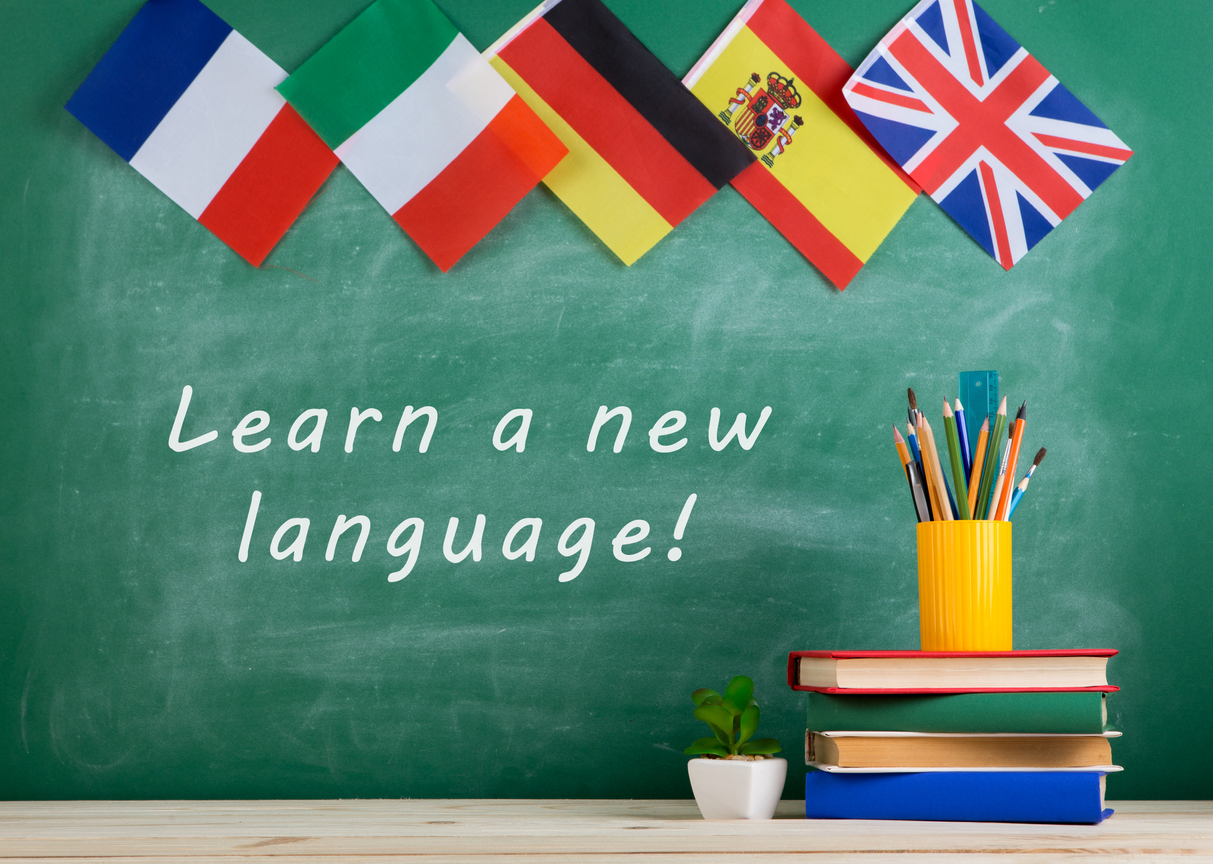
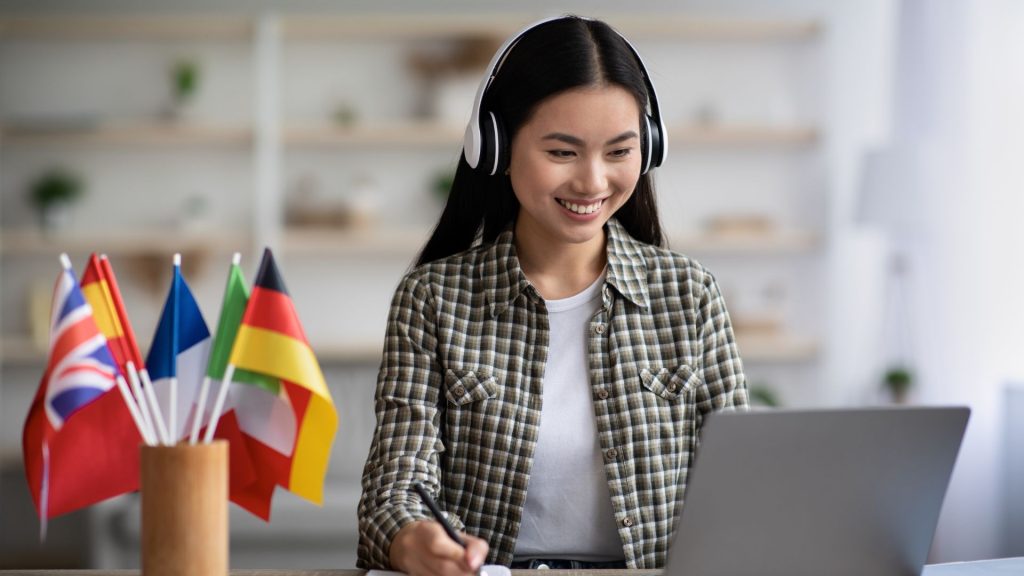
After much deliberation, reading countless reviews, and even trying out a few free trial lessons, I decided to enroll in an online language learning course that offered live group classes with native-speaking instructors. I chose Spanish, partly because I loved the sound of it, and partly because of the rich cultures associated with it. The course promised a communicative approach, meaning less rote memorization and more emphasis on using the language from day one. It felt like a big step, a real commitment, and honestly, a little bit terrifying.
My first class felt like stepping onto a stage under a spotlight. There I was, with five other nervous beginners, and a very kind, patient teacher named Elena, who spoke to us entirely in Spanish, even though we barely understood a word. She used gestures, drawings, and an incredible amount of enthusiasm to convey meaning. We learned "Hola," "Me llamo…" (My name is…), and "Mucho gusto" (Nice to meet you). It was exhilarating and exhausting all at once. My brain felt like it was doing gymnastics. I stumbled over every syllable, my tongue felt too thick, and I was convinced everyone else was picking it up faster than I was. But there was something different this time. I wasn’t alone. When someone else in the class made a mistake, Elena gently corrected them, and I realized it was okay. Making mistakes was part of the process.
The structured curriculum was a revelation. Each week built upon the last. We started with basic greetings and introductions, moved on to describing ourselves and our families, then tackled ordering food, talking about hobbies, and navigating everyday situations. The grammar, which had once felt so daunting, was introduced in manageable chunks, always tied to practical conversation. We didn’t just learn conjugations; we learned why they mattered and how to use them to express different ideas. The course materials were well-organized, with homework assignments that reinforced what we learned in class, and audio exercises to train our ears.
One of the biggest advantages was the interaction. In our small group, we were constantly encouraged to speak, to ask questions, to try out new phrases. We practiced role-playing scenarios, interviewed each other, and even tried to tell simple stories. There were times I’d blush fiercely, my mind drawing a complete blank, but Elena always created a safe, encouraging space. She understood that language acquisition wasn’t just about memorizing facts; it was about building confidence, about daring to sound silly, about pushing past the fear of judgment. This environment was something no app or textbook alone could ever replicate.
Of course, it wasn’t always smooth sailing. There were weeks when I felt like I wasn’t progressing at all, when new concepts seemed to pile up faster than I could absorb them. I’d hit what felt like a plateau, where my understanding was better than my ability to speak, and I’d feel frustrated, wondering if I was really cut out for this. I remember one particular week struggling with the past tense, feeling like my brain was tying itself in knots trying to remember which verb went with which ending. It was disheartening. But what a course provides, that self-study often doesn’t, is that external push. The next class was coming, there was homework due, and my classmates were also working through it. I couldn’t just give up. I had to show up, even if it meant feeling a bit lost for a while.
During these challenging periods, I found myself relying more on the supplementary materials the course offered: extra practice exercises, flashcards, and recordings of our lessons. I also started seeking out other Spanish content online – simple YouTube videos, children’s stories, and even music. It was all part of building an "immersion bubble" around myself, something the course strongly encouraged. The course provided the anchor, the main structure, and these other resources were like additional ropes, strengthening my grip.
Then came the breakthroughs. Oh, those beautiful, magical moments when something finally clicks. I remember the first time I understood a whole sentence spoken naturally by Elena, without having to mentally translate each word. It was like a little lightbulb going off in my head. And the first time I managed to construct a complex sentence on my own, describing my weekend plans to a classmate, and they actually understood me – that feeling was pure joy. It wasn’t perfect, my pronunciation was probably a bit clunky, but I had communicated! I had bridged that gap!
As I moved through different levels of the course, from beginner to intermediate, the topics became more complex, the conversations more nuanced. We discussed current events, explored cultural differences, and even debated simple ideas. It wasn’t just about learning words; it was about learning how people thought, how they expressed themselves, how their language shaped their world. The cultural insights provided by Elena, a native speaker, were invaluable. She shared anecdotes about life in Spain, explained idioms, and gave us a deeper appreciation for the language beyond its grammar rules. This kind of authentic connection to the culture is, I believe, what truly brings a language to life and makes the learning process so much more rewarding.
I also saw how different people in my classes gravitated towards different learning styles, and how the course adapted. Some thrived on grammar explanations, others on pure conversation. The online format allowed for a good mix, from structured lessons to breakout rooms for pair work, mimicking the dynamic of an in-person class. I even considered, at one point, trying an intensive language course, perhaps for a few weeks abroad, to supercharge my progress. While I didn’t end up doing that specific program, knowing that such options existed, often building on the foundational skills taught in my current course, was encouraging. It showed me that language acquisition is a journey with many paths, and a good course often prepares you for any of them.
Finishing the course, or at least a significant portion of it, didn’t mean I was suddenly perfectly fluent. Fluency, I learned, is a lifelong pursuit, a constant refinement. But what the course did give me was an incredibly solid foundation. It gave me the grammar framework, a robust vocabulary, and most importantly, the confidence and strategies to keep learning on my own. It taught me how to learn a language effectively. I knew how to identify gaps in my knowledge, how to practice independently, and how to immerse myself in the language without feeling completely overwhelmed.
After the course, I started seeking out opportunities to use my Spanish. I found a local language exchange group, began watching movies with subtitles, and even planned a trip to a Spanish-speaking country, not just as a tourist, but as someone eager to engage. The confidence instilled by the course was immense. I still made mistakes, plenty of them, but I no longer froze up. I could ask for clarification, apologize for my errors, and keep the conversation going. I was no longer a passive observer; I was an active participant in the linguistic world I had once only dreamt of.
For anyone standing where I once stood, staring at that vast chasm between desire and reality, I can’t recommend a structured language learning course enough. Whether it’s an online program with live teachers, a community college class, or even an intensive boot camp, the key is the structure, the accountability, and the human interaction. It’s about having a guide who knows the path, a community to walk alongside you, and a framework that ensures you’re building your knowledge brick by brick, not just tossing sand into the wind.
It takes patience, persistence, and a willingness to embrace imperfection. You will stumble, you will feel silly, and you will undoubtedly make mistakes. But with the right course, you’ll have the tools and the support to pick yourself up, learn from those stumbles, and keep moving forward. My journey from a hesitant dabbler to someone who can confidently hold a conversation in another language has been one of the most rewarding experiences of my life. It wasn’t magic; it was the steady, guided effort provided by a good language learning course. It truly made the words stick, and opened up a whole new world for me.