
There was a time, not so long ago, when the idea of learning something entirely new, something that could genuinely shift the direction of my life, felt like a distant dream. I was caught in a rut, the kind many of us find ourselves in: a job that paid the bills but offered little joy, a routine that felt more like a cage than a path forward. The world around me was hurtling into the digital age, and I felt like I was still reading a flip-phone manual. Every day, I saw headlines about new technologies, burgeoning online businesses, and people reinventing their careers from their living rooms. It was inspiring, yes, but also deeply intimidating. How could someone like me, without a fancy degree in computer science or years of industry experience, possibly catch up?
My initial thoughts about acquiring new skills always drifted back to traditional education. The image in my mind was clear: packed lecture halls, expensive tuition fees, and the daunting prospect of taking years out of my already busy life. It simply wasn’t feasible. I had responsibilities, a budget, and frankly, a bit of an aversion to going back to school in the conventional sense. The idea felt heavy, burdened by logistics and financial strain. So, for a long time, I just pushed those desires for change aside, telling myself it wasn’t for me, that I’d missed my window.
Then, a quiet whisper started to grow louder in the digital breeze: "web courses." I’d seen ads pop up, friends mention platforms, and articles touting the flexibility of online learning. At first, I was skeptical. Could real, valuable skills truly be learned from a screen? Wouldn’t it be too isolating? Would the quality even compare to a brick-and-mortar institution? My mind, conditioned by years of traditional schooling, struggled to grasp the legitimacy of this new frontier. But the yearning for change, the quiet dissatisfaction with my stagnant path, was persistent. It nudged me, gently at first, then more insistently, towards exploring what these "web courses" actually entailed.
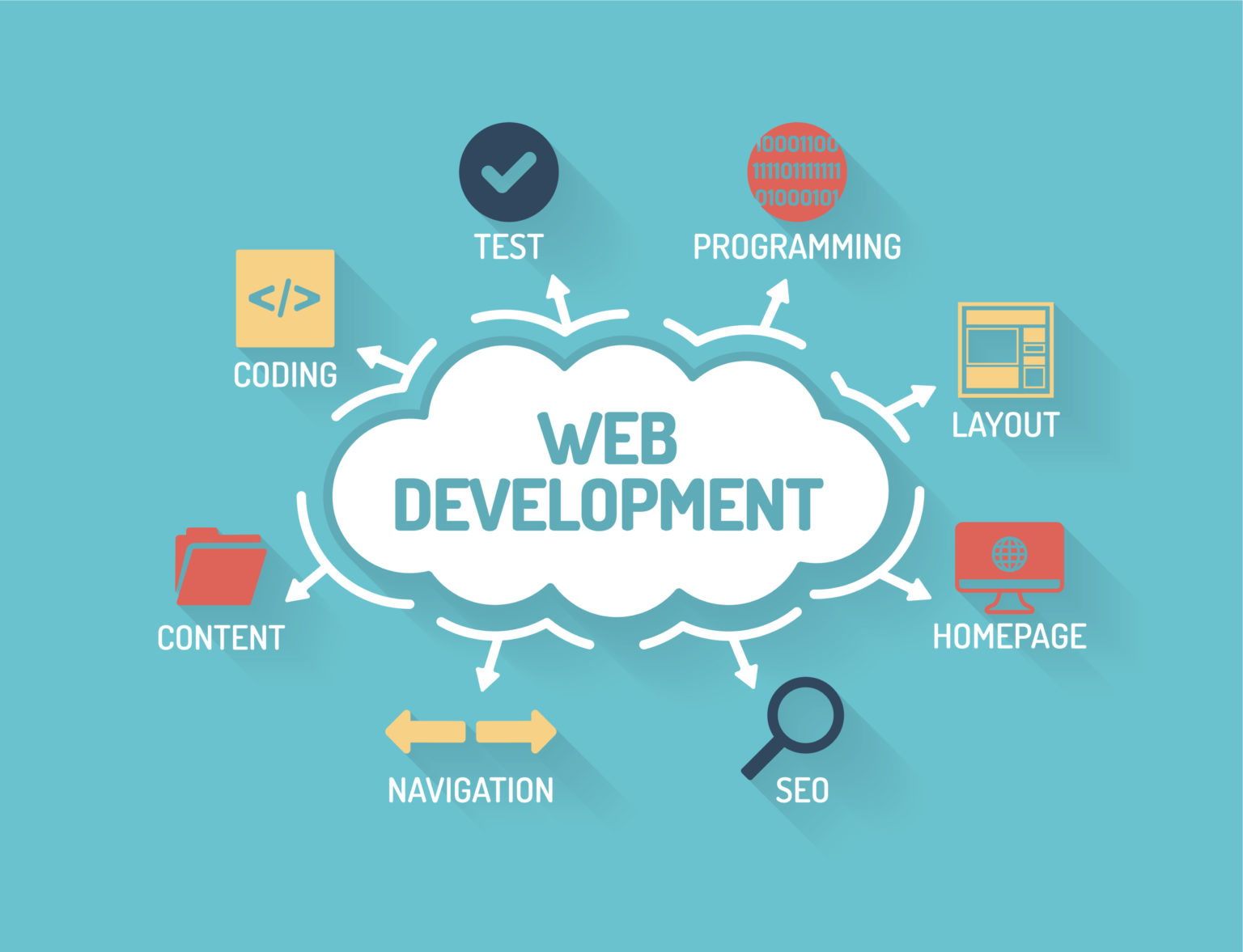
I remember the day I finally took the plunge into research. Armed with a cup of lukewarm coffee and a healthy dose of doubt, I typed "learn web development online" into a search bar. What unfolded before me was a universe I hadn’t fully appreciated. There were platforms upon platforms, each offering a bewildering array of courses, from coding to graphic design, digital marketing to data science, content creation to project management. It was overwhelming, to say the least. But amidst the initial sensory overload, a new feeling began to emerge: hope. There were free options, paid options, short bootcamps, long certifications. It wasn’t one monolithic system; it was a sprawling, diverse ecosystem of knowledge.
My first challenge, and perhaps the most crucial one for any beginner, was choosing the right course. I didn’t want to waste time or money on something that wouldn’t genuinely help me. I spent weeks poring over reviews, watching introductory videos, and comparing curricula. I looked for courses that were specifically designed for absolute beginners, had clear learning paths, and boasted instructors with good reputations for explaining complex topics simply. Affordability was also a major factor. I wasn’t looking to break the bank, so I focused on options that offered good value, sometimes even free trials or scholarships. What I learned quickly was that a great course isn’t just about the content; it’s about the instructor’s ability to communicate, the clarity of the exercises, and the support available when you inevitably get stuck. I eventually settled on a beginner-friendly web development course, promising to teach the fundamentals of HTML, CSS, and JavaScript. It felt like a monumental decision, a small step into a very large unknown.
The first few weeks were a mixed bag of excitement and utter frustration. Sitting down at my computer after a long day at my regular job, trying to wrap my head around tags, attributes, and selectors, felt like learning a new language from scratch. There were moments of pure exhilaration when a piece of code finally worked as intended, and then hours of head-scratching despair when a tiny typo brought everything crashing down. I distinctly remember staring at my screen, convinced I was fundamentally incapable of understanding why my button wasn’t changing color. It felt like I was banging my head against a digital wall.
But here’s where the magic of web courses truly revealed itself. Unlike a traditional classroom where you might feel shy to ask a "stupid" question, online learning often comes with vibrant communities. I discovered forums, chat groups, and even dedicated Q&A sections where other learners, and sometimes even the instructors themselves, offered guidance. I wasn’t alone in my struggles. Others had faced the same stubborn button, the same elusive semicolon. This sense of shared journey, of collective problem-solving, was incredibly motivating. It transformed what could have been an isolating experience into a surprisingly collaborative one. I learned not just from the course material, but from the questions of others and the patient explanations offered by more experienced peers.
The flexibility of web courses was also a game-changer. I could learn on my own schedule, fitting modules in during lunch breaks, late evenings, or quiet weekend mornings. There was no rigid timetable, no commuting, no pressure to keep pace with a specific group. If I needed to rewatch a lecture three times to grasp a concept, I could. If I wanted to dive deep into an extra resource, it was just a click away. This autonomy was incredibly empowering. It meant that my learning was truly tailored to me, to my pace, my understanding, and my life. It was a stark contrast to the one-size-fits-all approach I’d grown up with.
As I progressed, I started to build small projects. My first website was laughably simple: a personal portfolio page that showcased my (then minimal) skills. It was clunky, a bit ugly, but it worked. And that feeling, the satisfaction of creating something tangible from lines of code I had learned, was addictive. I moved on to slightly more complex projects, adding interactive elements with JavaScript, experimenting with different design aesthetics. Each small success fueled my motivation, pushing me to learn more, to try new things. I started to see the world differently, recognizing the underlying structure of the websites I visited, understanding the logic behind the apps I used. It was like unlocking a secret language.
The skills I was acquiring weren’t just theoretical; they were immediately applicable. This was another profound realization. Unlike some academic subjects that can feel detached from real-world utility, web courses are inherently practical. They are designed to equip you with competencies that are in high demand across countless industries. Whether it’s crafting compelling marketing copy, designing user-friendly interfaces, managing social media campaigns, or developing robust web applications, these are skills that businesses actively seek. I began to understand that the digital economy wasn’t just for tech gurus; it was for anyone willing to learn and adapt.
After several months of consistent effort, my little portfolio started to look less like a beginner’s first attempt and more like a collection of legitimate projects. I had moved from basic HTML to styling with CSS frameworks, from simple JavaScript functions to interacting with APIs. The transformation in my own abilities was astonishing to me. I was no longer the person who felt intimidated by technology; I was someone who could build things with it. This newfound confidence spilled over into other areas of my life. I felt more capable, more resilient, and more optimistic about my future.
This journey wasn’t just about learning code; it was about embracing a new mindset – the mindset of a lifelong learner. The digital landscape is constantly evolving, and what’s cutting-edge today might be standard tomorrow. Web courses, by their very nature, encourage continuous learning and adaptation. They teach you not just what to do, but how to learn new tools and technologies as they emerge. It’s an invaluable skill in itself.
So, why are web courses such a game-changer for so many people, and why should you consider embarking on your own digital learning adventure? First, there’s the unparalleled accessibility. All you truly need is an internet connection and a device. This breaks down geographical barriers, making high-quality education available to anyone, anywhere in the world. Second, they are often significantly more affordable than traditional education. Many platforms offer free courses, financial aid, or subscription models that make learning attainable without accumulating massive debt.
Third, and perhaps most importantly, web courses provide skills that are highly relevant to today’s job market. The demand for digital literacy, technical expertise, and creative problem-solving in the online space is only growing. Whether you’re looking to switch careers entirely, upskill within your current role, or simply explore a new hobby, there’s a web course out there that can help you achieve your goal. They democratize knowledge, putting powerful tools and information directly into the hands of individuals, regardless of their background or previous educational experiences.
If my story resonates with you, if you’re feeling that familiar itch for change, that quiet desire to learn something new, then let me offer some friendly advice for starting your own web course journey. Begin by reflecting on what truly interests you and what you hope to achieve. Do you want to build websites? Create stunning graphics? Master social media marketing? Understand data? Having a clear goal will help narrow down the overwhelming number of options.
Next, research diligently. Look for reputable platforms and courses with positive reviews, clear learning objectives, and instructors who genuinely engage with their students. Don’t be afraid to try out free introductory modules or trials. Start small; don’t try to master everything at once. Pick one area, focus on the fundamentals, and build from there. Consistency is far more important than intensity. Dedicate even a small amount of time each day or week, and those small efforts will compound into significant progress over time.
Crucially, practice what you learn. Reading about coding or design isn’t enough; you need to get your hands dirty. Build projects, even if they’re simple. Experiment. Break things, then fix them. This hands-on application is where true understanding and skill development happen. Don’t be afraid to make mistakes; they are an essential part of the learning process. And as you build, start creating a portfolio, even if it’s just a collection of your practice projects. This becomes your tangible proof of skill, a powerful tool when you’re ready to showcase what you can do.
Finally, connect with others. Join online communities, participate in forums, and engage with your fellow learners. The support, insights, and networking opportunities you’ll find there are invaluable. Learning can sometimes feel like a solitary endeavor, but it doesn’t have to be. Embrace the collaborative spirit of the online learning world.
My journey with web courses began with skepticism and a deep desire for change. It evolved into a path of discovery, challenge, and ultimately, profound personal and professional growth. I went from feeling stuck and technologically intimidated to confidently building and creating in the digital space. The beauty of web courses lies in their power to unlock potential you might not even know you possess, to offer second chances, and to pave new paths for anyone willing to take that first step. The digital world is waiting, and with web courses, the tools to navigate and shape it are closer than you think. Your adventure could start today.