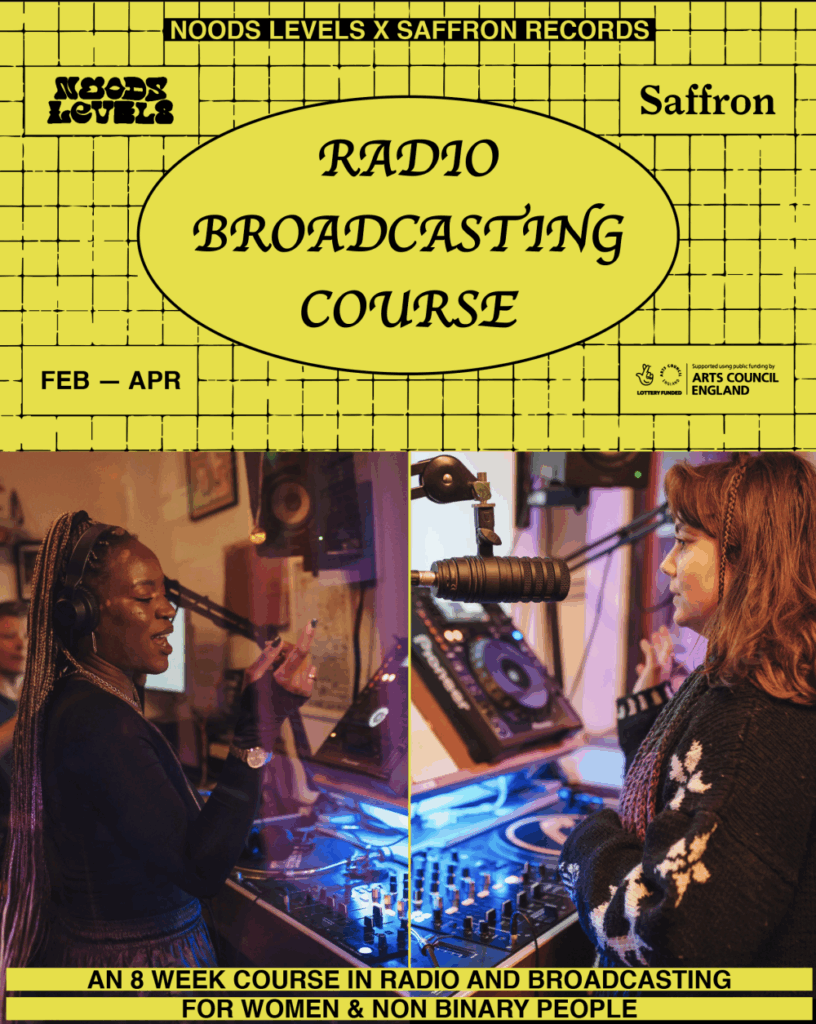

I remember a time when the world felt a little too quiet, or perhaps, a little too loud with the wrong kind of noise. I’d always been drawn to the human voice, to stories told in hushed tones or with booming enthusiasm, the way a perfectly placed song could shift the entire mood of a room. It wasn’t a conscious career plan, not at first. It was more like a persistent hum in the background of my life, a curious pull towards the invisible threads that connect people through sound. That’s how I found myself, one crisp autumn morning, walking through the doors of a place that promised to teach me the magic of radio. It was a radio broadcasting course, and frankly, I had no idea what I was truly getting myself into.
Before that, my understanding of radio was limited to tuning in on my car stereo, maybe catching a funny morning show or a heartfelt dedication. I thought it was just about talking into a microphone, playing some tunes, and being witty. Oh, how delightfully naive I was! The moment I stepped into the studio for the first time, a room filled with intimidating-looking soundboards, sleek microphones, and screens displaying waveforms I couldn’t yet decipher, I felt a mix of sheer terror and exhilarating possibility. It was clear this wasn’t just a casual hobby; this was a craft, a science, and an art form all rolled into one.
Our instructor, a seasoned voice with decades of experience, had a way of making even the most complex technical jargon sound like a friendly conversation. He didn’t just teach us; he guided us, sharing stories from his own time on the air, the bloopers, the triumphs, the moments when radio truly connected with someone out there in the ether. He started us right at the very beginning, with something so fundamental yet often overlooked: our own voices.
I quickly learned that talking is one thing, but broadcasting is entirely another. We spent hours on voice exercises, learning to control our breath, project our voices without shouting, articulate words clearly, and even discover the natural pitch and timbre of our own unique sound. It felt a bit silly at first, doing tongue twisters and breathing exercises in front of a group of strangers, but the transformation was undeniable. My voice, once prone to wavering or becoming monotone when nervous, began to find its strength, its rhythm, its character. It was like finding a new instrument within myself, one I never knew I possessed. This wasn’t just about sounding good; it was about sounding authentic and trustworthy, qualities essential for anyone hoping to host a show or even just narrate a story.
Then came the scriptwriting. This was a revelation. I thought I knew how to write, but writing for the ear is an entirely different beast than writing for the eye. Our instructor emphasized brevity, clarity, and the power of imagery created solely through words. We learned to strip away unnecessary jargon, to paint pictures with concise sentences, to craft narratives that flowed naturally and kept listeners hooked. I remember the frustration of trying to distill a complex news story into a 30-second read, making it informative yet engaging. It taught me the discipline of storytelling, understanding that every word counts when your audience can’t see your facial expressions or read a paragraph again. It’s about building a connection through sound alone, relying on the listener’s imagination to fill in the gaps.
Of course, you can’t have radio without the gear. The technical side was initially overwhelming. The mixing console, with its array of faders, knobs, and buttons, looked like the cockpit of a spaceship. I was convinced I’d break something or, worse, accidentally broadcast static to the entire city. But again, our instructor broke it down, piece by piece. We learned about microphones – dynamic, condenser, ribbon – and why you’d use one over another. We learned about gain, equalization, compression, and how these tools shape the sound we hear. We practiced cueing up music, fading tracks in and out, layering sound effects, and ensuring smooth transitions. There were moments of panic, sure, like the time I accidentally hit the wrong button and sent a loud feedback screech through the studio monitors, but those mistakes were part of the learning curve, cementing the lessons in a way theory alone never could. It demystified the equipment, turning it from an intimidating machine into a powerful creative tool. Understanding the technical side is fundamental, whether you aspire to be a radio jockey, a sound engineer, or even a podcast creator.
One of the most challenging, yet rewarding, aspects was mastering the art of the interview. It’s not just about asking questions; it’s about listening, truly listening, and knowing how to guide a conversation, how to make your guest feel comfortable enough to open up, and how to extract compelling stories or valuable information. We did mock interviews, sometimes with each other, sometimes with guest speakers who graciously played along. I learned the importance of research, of preparing thoughtful questions, but also the flexibility to go off-script when an unexpected answer opened a new, more interesting path. It taught me empathy and the power of genuine curiosity, skills that extend far beyond the radio studio.
Then came the production and editing phase. This is where the magic truly happened. Taking raw audio – an interview, a voiceover, some music – and shaping it into a polished segment or an entire show. We used professional audio editing software, learning to cut, splice, clean up noise, add sound beds, and create engaging promos and jingles. It was like sculpting with sound, discovering how a pause could heighten drama, how a specific sound effect could transport a listener, or how a musical interlude could provide emotional resonance. This part of the radio broadcasting course was particularly fascinating, revealing the meticulous detail that goes into creating what often sounds effortless on air. It’s the behind-the-scenes work that truly elevates a broadcast.
The culmination of all this learning was, of course, the live broadcast. The first time I sat in the "on-air" chair, the red light glowing, knowing that whatever came out of my mouth was going out into the world, was an unparalleled rush. My heart hammered, my palms were sweaty, and I probably stumbled over my words more than once. But I got through it. And then I did it again, and again. Each time, a little more confident, a little more fluid, a little more me. Those live sessions were invaluable, teaching us to think on our feet, manage time, handle unexpected technical glitches with grace, and maintain composure under pressure. It’s a skill that cannot be taught from a textbook; it must be experienced. It’s the ultimate test of everything you’ve learned, from voice control to technical proficiency.
Beyond the practical skills, the course also touched upon the regulatory and ethical aspects of broadcasting. We learned about libel, slander, copyright, and the responsibility that comes with having a platform. It wasn’t just about entertaining; it was about informing responsibly, respecting privacy, and upholding journalistic integrity. This added a layer of seriousness to the craft, reminding us that radio, despite its lighthearted moments, is a powerful medium with real-world impact.
In the modern age, radio isn’t just about terrestrial waves. The course also ventured into the digital realm, discussing podcasting, online streaming, and how to leverage social media to build an audience and promote your content. It was a clear acknowledgment that the landscape of audio media is constantly evolving, and a well-rounded radio jockey or producer needs to understand these new avenues for connection. This part of the curriculum ensured that our training was relevant and future-proof, equipping us not just for traditional radio but for the broader world of audio content creation. Whether your dream is to host a morning show or create compelling narrative podcasts, the foundational skills are surprisingly similar.
Looking back, the radio broadcasting course was far more than just a collection of lessons; it was a journey of self-discovery. I learned not just how to use a microphone or edit audio, but how to listen more intently, how to articulate my thoughts more clearly, and how to connect with people on a deeper level through the power of sound. It taught me resilience in the face of technical difficulties, creativity in crafting narratives, and the joy of sharing stories and music with an unseen audience.
The community built within the course was also incredibly enriching. My classmates, a diverse group from all walks of life, shared a common passion for audio. We encouraged each other, celebrated small victories, and commiserated over microphone mishaps. Our instructors weren’t just teachers; they were mentors, offering invaluable insights and genuine encouragement. They opened our eyes to the vast career opportunities beyond just being a radio host: voice acting, audio production, sound engineering, media management, content creation for digital platforms, and even public relations. The skills learned are remarkably transferable across the media industry.
For anyone who feels that persistent hum, that pull towards the world of sound and storytelling, I cannot recommend a radio broadcasting course enough. It’s for the introverted storyteller who finds their voice behind a microphone, the extrovert who thrives on live interaction, the music lover who wants to share their passion, or the tech enthusiast fascinated by the intricacies of audio. It’s a place where you learn to harness your voice, master the tools of the trade, and, most importantly, discover the profound power of connecting with others through the airwaves.
My journey through that course transformed my understanding of what radio truly is: a vibrant, intimate medium that, even in an age of endless visual distractions, continues to captivate hearts and minds. It’s about creating moments, sharing laughter, delivering news, and playing the perfect song at just the right time. It’s about being a companion to someone driving alone, a voice of comfort in the dark, or a source of energy for a busy morning. And in learning how to be a part of that, I found a little more of my own voice, both on and off the air. The world still has its quiet moments, but now, I know how to fill them with stories, sounds, and connections that truly matter.