
It wasn’t a sudden epiphany, more like a slow, creeping realization. For years, I’d been blissfully unaware, clicking links, sharing information, and generally floating through the digital world with the naive confidence of someone who’s never truly seen the storm clouds gathering. My computer was just a tool, my phone an extension of my hand, and the internet a boundless ocean of information and entertainment. Then, stories started popping up – friends getting scammed, news reports of massive data breaches, and that uneasy feeling that my own online life was built on shaky ground. I remember one particularly chilling evening, reading about a phishing attack that nearly cost a small business everything. That’s when the light bulb flickered: I needed to understand this stuff, not just for my own peace of mind, but for everyone I cared about. That’s when I decided to embark on a security course.
The idea was daunting. My background was far from tech-savvy. I imagined rooms full of jargon-spouting experts, lines of code stretching into infinity, and me, utterly lost. But the urge to understand, to gain some control over my digital footprint, outweighed the fear. I started looking around, sifting through online programs, local community college offerings, and professional certifications. It was like trying to pick a single grain of sand from a beach. What did I even need? What would make sense for someone who barely knew the difference between a modem and a router? I settled on a beginner-friendly course, one that promised to take me from zero to understanding the basics of cybersecurity. The prospectus talked about threats, vulnerabilities, and defenses, and it used words like "practical" and "foundational." That sounded right.
Walking into that first session, or logging into that first virtual classroom, felt like stepping onto a foreign planet. The instructor, a kind and patient soul named Alex, started not with complex code, but with a story. A story about a digital castle, its walls, its treasures, and the various ways people might try to sneak in. This simple analogy immediately clicked. Our digital lives, our data, our privacy – these were the treasures. The internet, our devices – these were the castles. And the "bad guys," the attackers – they were the sneaky villains trying to breach the walls.
We began with the absolute fundamentals. Alex introduced us to the CIA Triad, not as some secret government agency, but as the core principles of cybersecurity: Confidentiality, Integrity, and Availability. Confidentiality meant keeping secrets secret – like your passwords or bank details. Integrity was about making sure information hadn’t been tampered with – imagine a contract altered without your knowledge. And Availability meant you could access your stuff when you needed it – like your banking app actually working when you wanted to pay a bill. These weren’t just abstract concepts; Alex tied them to everyday examples, making them feel real and relevant.
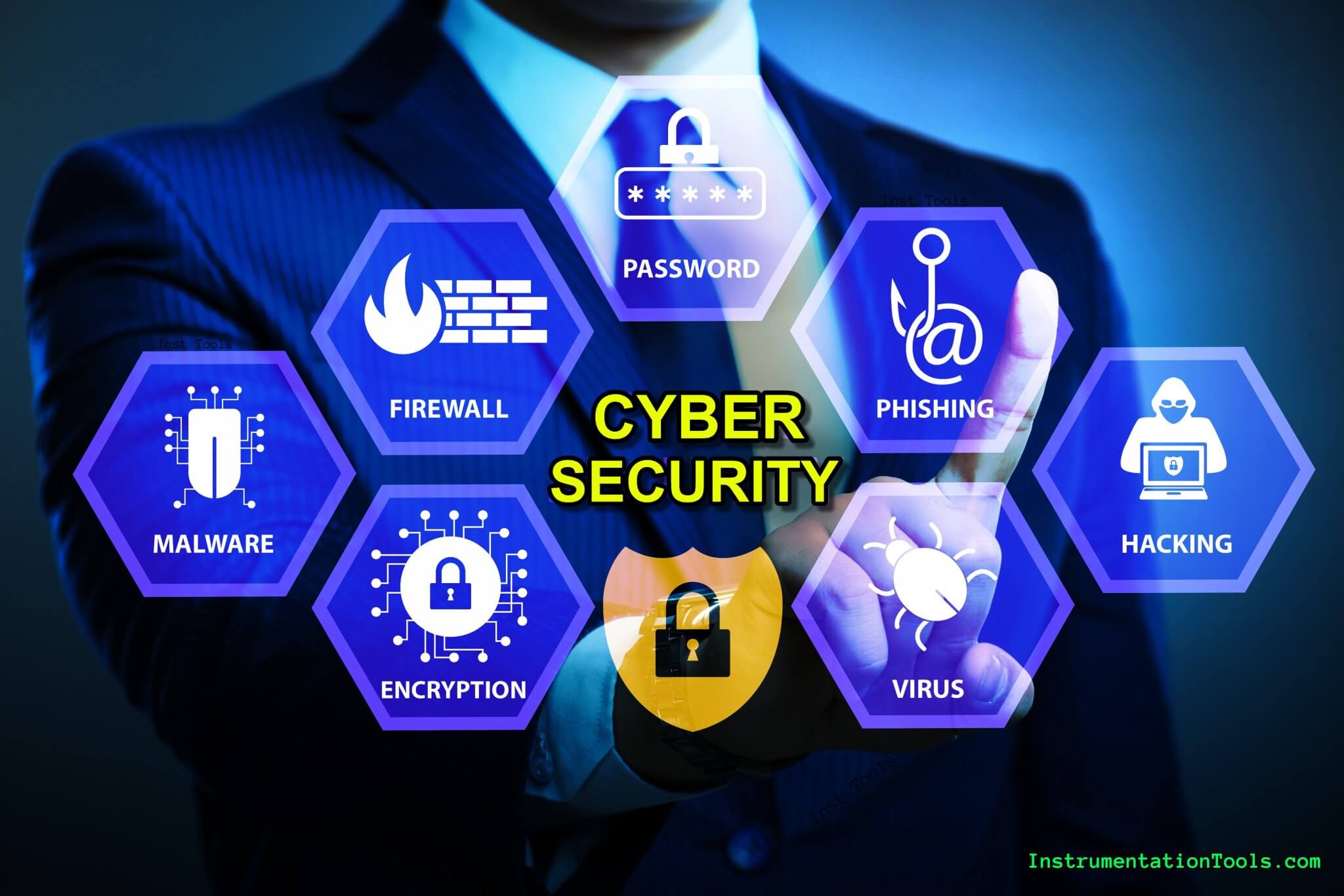
Then came the vocabulary, which initially felt like learning a new language. We talked about "threats" (anything that could cause harm), "vulnerabilities" (weaknesses that threats could exploit), and "risks" (the likelihood and impact of a threat exploiting a vulnerability). It sounded like a mouthful, but with patient explanation and practical scenarios, it started to make sense. We discussed phishing emails – a common threat that exploits human vulnerabilities – and how failing to update software creates a vulnerability that could be exploited by malware. It was like learning the grammar of digital defense.
One of the most eye-opening modules for me was about network security. Before the course, Wi-Fi was just magic. Data flew through the air, and my laptop caught it. Simple. Now, I learned about routers, firewalls, and the concept of a perimeter. Alex explained how a firewall acts like a digital bouncer, checking who’s allowed in and out of your home network. We delved into VPNs, not just as tools for streaming content from other countries, but as encrypted tunnels protecting our data when we’re on public Wi-Fi. I remember the shock of realizing how exposed I’d been, casually browsing sensitive information on airport Wi-Fi without a second thought. Now, I understood the dangers and, more importantly, the solutions. It wasn’t just about protecting my laptop; it was about securing the entire digital highway connecting my devices to the world.
Operating system security was another big one. Windows, macOS, Linux – each had its quirks and its common pitfalls. We learned about user accounts, permissions, and the importance of regular updates. Alex showed us how simple changes, like setting strong passwords for administrator accounts or disabling unnecessary services, could dramatically improve security. It felt empowering to understand that I wasn’t just a passive user; I had agency, I could harden my own digital environment. I started looking at my phone and laptop with new eyes, not just as gadgets, but as mini-fortresses that needed proper maintenance.
Then came the truly fascinating part: understanding the mindset of an attacker. This wasn’t about learning to hack; it was about "ethical hacking," or penetration testing. The idea was to learn how attackers think, what tools they might use, and what weaknesses they typically look for, all so we could better defend against them. We explored common attack vectors like SQL injection (where malicious code is inserted into input fields on websites) and cross-site scripting (XSS), where attackers inject scripts into web pages viewed by others. Alex explained these in simple terms, using visual aids to show how a seemingly innocent text box could become a weapon. It was like learning about the different lock-picking techniques so you could design a better, more secure lock. This module, in particular, made the abstract threats feel very concrete and gave me a profound appreciation for the complexity of securing online applications.
Cryptography, the science of secure communication, initially sounded like something out of a spy movie. Public keys, private keys, symmetric and asymmetric encryption – my head spun. But Alex broke it down. He used the analogy of a secure mailbox with two keys: a public key that everyone knows and can use to put messages into your mailbox, and a private key that only you possess, which you use to open your mailbox and read the messages. This simple image helped demystify the complex algorithms that protect everything from our online banking to our instant messages. Understanding how digital signatures work – proving that a message truly came from who it claims to be – felt like unlocking a secret superpower. It made me trust online transactions more, not blindly, but with an informed understanding of the underlying security mechanisms.
A critical part of any security course is understanding what to do when things go wrong – incident response. It’s not just about preventing attacks, but also about having a plan for when they inevitably happen. We learned about detection (how to spot suspicious activity), containment (stopping the spread of an attack), eradication (removing the threat), recovery (getting back to normal operations), and post-incident analysis (learning from what happened). This wasn’t just theoretical; we walked through simulated scenarios, identifying compromised systems and figuring out the steps to take. It felt like a digital first-aid course, equipping me with the knowledge to react calmly and effectively if my digital castle was ever breached.
Beyond the technical skills, the course also touched upon the human element, which Alex stressed was often the weakest link in any security chain. We discussed social engineering – the art of manipulating people to give up confidential information. Phishing, baiting, pretexting – these were not just technical attacks but psychological ones. Learning about them made me much more cautious about unsolicited calls, emails, and even tempting offers online. It taught me that sometimes the most sophisticated security measures can be bypassed by a simple human error or misplaced trust. This reinforced the idea that security isn’t just about software and hardware; it’s also about awareness and common sense.
The journey wasn’t without its challenges. There were days when my brain felt like a tangled mess of new concepts. Terms like "endianness" or "packet sniffing" would make my eyes glaze over. But the hands-on labs were invaluable. We’d set up virtual machines, configure firewalls, analyze network traffic, and even try to exploit simple vulnerabilities in a controlled environment. These practical exercises, guided by Alex, solidified the theoretical knowledge. It was one thing to read about a buffer overflow; it was another to see it happen, even in a simulated setting. The satisfaction of successfully completing a lab, of seeing a concept click into place, was immense. It was a tangible reminder that I was actually learning and growing.
As the course neared its end, I started to see the world differently. Every email, every website, every application I used now carried a subtle layer of scrutiny. I wasn’t paranoid, but I was aware. I became the unofficial cybersecurity consultant for my friends and family, helping them set up two-factor authentication, advising them on strong passwords, and warning them about suspicious links. It wasn’t just about my own protection anymore; it was about spreading awareness, helping others navigate the digital wilds with more confidence.
The security course transformed my understanding of the digital landscape. It moved me from a state of passive user to an active participant in my own digital defense. It didn’t turn me into a cybersecurity expert overnight, but it laid a robust foundation. It taught me the language, the principles, and the practical steps needed to protect myself and others. More importantly, it instilled a sense of continuous learning. The digital world evolves at lightning speed, and so do the threats. The course taught me that staying secure isn’t a one-time fix; it’s an ongoing commitment to staying informed and adapting.
For anyone contemplating a similar journey, my advice is simple: just start. Don’t be intimidated by the jargon or the perceived complexity. Find a course that speaks to beginners, one that emphasizes practical application and clear explanations. Embrace the learning curve, ask questions, and don’t be afraid to make mistakes in a safe learning environment. The digital world is an incredible place, full of opportunity and connection, but it’s also a place that demands respect for its inherent risks. A security course isn’t just about learning technical skills; it’s about gaining a deeper understanding of the world we live in, fostering a sense of responsibility, and ultimately, empowering yourself to navigate it safely and confidently. It’s an investment in your peace of mind, your privacy, and your future in an increasingly interconnected world.