
I remember staring at my computer screen, the cursor blinking mockingly on a blank resume template. It felt like I was stuck in a maze, and every path I tried just led me back to the start. I had a degree, sure, a perfectly respectable one, but it wasn’t opening any doors. Not the right doors, anyway. The job descriptions I saw felt like they were written in a foreign language, filled with terms like "proficiency in Python," "experience with Agile methodologies," or "certified in cloud platforms." My degree had given me a foundation, but it hadn’t given me the keys to this kingdom. I was adrift, feeling like I had missed the memo on what employers actually wanted.
That’s when I stumbled upon the idea of "industry-recognized courses." At first, it sounded like just another fancy marketing term for online classes. But the more I dug, the more I realized these weren’t just any courses. These were pathways, carefully paved by the very industries they served, designed to equip you with the exact skills companies were actively seeking. It was like finding a secret map in that career maze.
Think about it this way: imagine you want to build a house. You could read every book about carpentry, plumbing, and electrical work. You might even understand the theory perfectly. But would a construction company hire you to wire a new home if you didn’t have a certification from a recognized electrical safety board? Probably not. They want to know you’ve been trained to specific, up-to-date standards, that you know the practical ins and outs, and that you’re safe and reliable. Industry-recognized courses are precisely that for the professional world. They’re not just about learning; they’re about proving you’ve learned what matters to employers.
My own journey truly began after countless rejections. I’d send out resumes, feel a glimmer of hope, then receive the polite "we regret to inform you" email. It was soul-crushing. I decided I needed a change, a real differentiator. I was interested in data analysis, a field that seemed to be booming. My degree touched on statistics, but it didn’t give me the hands-on experience with tools like SQL, Python libraries, or advanced Excel that every job posting demanded.
I started researching. I didn’t just look for "data analysis courses." I specifically searched for courses endorsed by major tech companies, professional associations, or those with a strong track record of placing graduates in relevant roles. What I found was a world of certifications, specialized bootcamps, and professional development programs that promised to bridge the gap between academic knowledge and practical industry demands. It was a revelation.
The first course I enrolled in was a "Certified Data Analyst" program, offered by a well-regarded online learning platform that partnered with industry experts. It wasn’t cheap, and that made me hesitate. Was it worth the investment? Could I really learn enough to compete with people who had computer science degrees? My doubt was a constant companion. But I was tired of being stuck, so I took the leap.
From day one, it was different from university. There were no abstract theories that felt disconnected from reality. Every module was practical. We learned SQL by querying real-world datasets. We built dashboards using visualization tools, not just talked about them. The instructors weren’t just academics; they were practitioners, people who worked in the field, sharing their current challenges and solutions. They spoke a language I understood, a language that connected directly to those elusive job descriptions.
I remember one particularly challenging module on advanced Excel functions and pivot tables. My head spun with the complexity. I spent hours poring over practice exercises, watching tutorial videos again and again. There were moments of frustration, late nights fueled by coffee, where I almost gave up. But then, something clicked. A formula that seemed like gibberish suddenly made sense, and I could see how it transformed raw data into meaningful insights. That feeling of understanding, of mastering a practical skill, was incredibly empowering. It wasn’t just about passing a test; it was about building a tangible capability.
One of the biggest advantages I discovered was the community. The course had forums, live Q&A sessions, and group projects. I connected with people from all walks of life – recent graduates like me, career changers in their 30s and 40s, even seasoned professionals looking to upskill. We shared tips, helped each other debug code, and offered moral support. This wasn’t just about learning skills; it was about building a network. Some of those connections have turned into valuable professional relationships, even friendships, that continue to this day.
As I progressed through the course, my resume started to change. Instead of vague bullet points about "strong analytical skills," I could now list specific tools: "Proficient in SQL for data extraction and manipulation," "Experienced with Python (Pandas, NumPy) for data cleaning and analysis," "Developed interactive dashboards using Tableau/Power BI." These weren’t just buzzwords; they were validated skills, backed by coursework and projects that I could confidently discuss in an interview.
When I started applying for jobs again, the response was dramatically different. Recruiters actually reached out to me. My resume wasn’t just another piece of paper; it was a signal that I had invested in acquiring the precise skills they were looking for. Interview conversations shifted from "What do you know?" to "How have you applied what you know?" I could speak confidently about my projects, my methodologies, and even the challenges I faced and how I overcame them.
The confidence boost was immense. Knowing I had a recognized certification, that my skills had been validated by industry standards, made me feel competent and ready. It transformed my self-perception from a hopeful beginner to a capable professional.
So, why do these industry-recognized courses matter so much in today’s job market? Let me break down what I learned, both personally and through observing others:
First, they provide targeted, practical skills. Traditional education often focuses on broad theoretical knowledge, which is vital, but sometimes lacks the immediate applicability employers demand. Industry courses are designed by people in the industry to teach you exactly what you’ll be doing on the job. They’re like getting a detailed instruction manual for a specific machine, rather than just a general physics textbook.
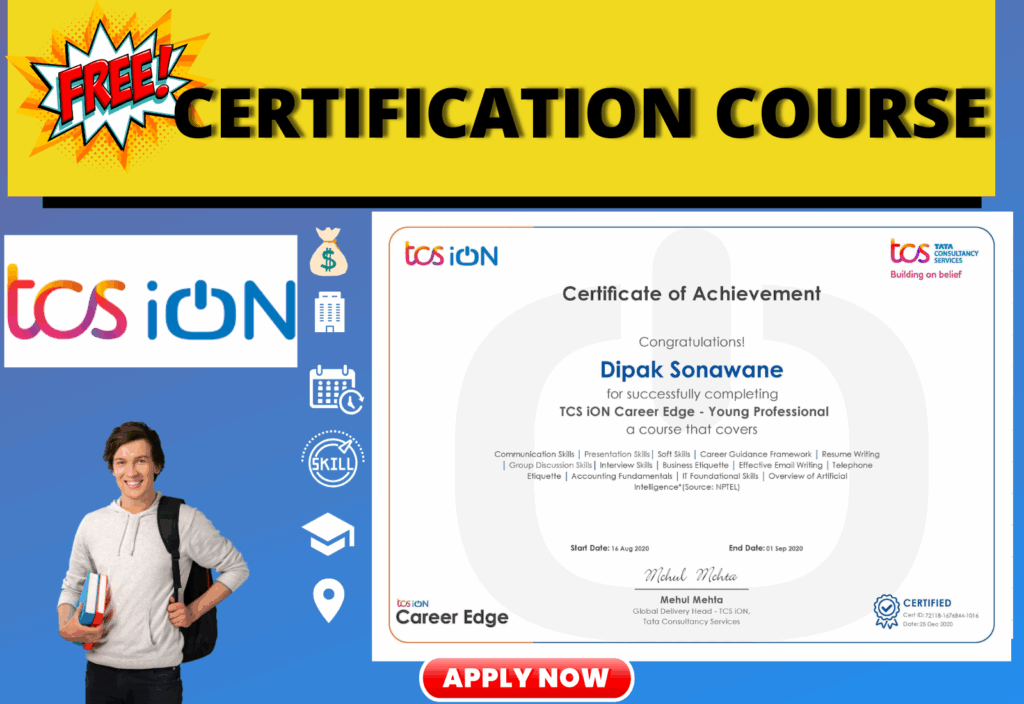
Second, they offer credibility and validation. In a sea of self-learners and generic qualifications, a recognized certification acts as a powerful signal. It tells employers that an independent, reputable body has verified your competence in a specific area. It’s a stamp of approval that often carries more weight than just saying, "I know how to do X." Companies trust these certifications because they know the standards behind them.
Third, they keep you current. Industries evolve at lightning speed. What was cutting-edge five years ago might be obsolete today. Industry-recognized courses are constantly updated to reflect the latest tools, technologies, and best practices. This ensures you’re learning skills that are immediately relevant and valuable, giving you a competitive edge. It’s like having access to the latest software updates for your career.
Fourth, they expand your network. As I mentioned, these programs often bring together diverse groups of people – fellow learners, instructors who are industry veterans, and sometimes even guest speakers from leading companies. This creates invaluable opportunities for networking, mentorship, and even future job prospects. You’re not just learning in isolation; you’re becoming part of a professional community.
Fifth, they can accelerate career advancement. For those already employed, these courses are excellent for upskilling or reskilling. They can help you move into a more specialized role, take on greater responsibilities, or even pivot to an entirely new field without having to go back for another full degree. Many employers even sponsor their employees to take such courses because they see the immediate return on investment.
So, how do you go about choosing the right industry-recognized course? It can feel overwhelming with so many options out there. Here’s what I learned to look for:
-
Identify Your Goals: Before looking at any course, ask yourself: What specific skills do I want to gain? What kind of job am I aiming for? Which industry am I trying to enter or advance in? Having clarity here will narrow down your options significantly. Don’t just pick something because it’s popular; pick something that aligns with your path.
-
Research Industry Recognition: This is crucial. Is the course offered by a well-known professional association (e.g., PMI for project management, CompTIA for IT, AWS for cloud computing)? Do major companies in your target industry specifically mention or prefer this certification? Look at job descriptions for roles you want – what certifications do they list? This is your direct insight into what employers value.
-
Evaluate the Curriculum: Dive deep into the course syllabus. Does it cover the practical tools and techniques you need? Is it hands-on? Are there projects or capstone assignments that allow you to apply your learning? A good course won’t just lecture; it will make you do.
-
Check Instructor Credentials: Who is teaching the course? Are they experienced professionals in the field? Do they have a good reputation? Learning from someone who has real-world experience is invaluable, as they can share insights and pitfalls that textbooks can’t.
-
Look for Outcomes and Support: Does the program offer career support, like resume reviews, interview prep, or job placement assistance? What are the success stories of past students? While not every program offers direct job placement, many provide resources that significantly boost your chances.
-
Consider the Format and Flexibility: Online, in-person, bootcamp, part-time? Which format best fits your learning style, schedule, and budget? Flexibility is key, especially if you’re balancing work or other commitments.
-
Read Reviews and Testimonials: Don’t just rely on the course provider’s website. Look for independent reviews on platforms like LinkedIn, Reddit, or industry-specific forums. What do former students say about the quality, the support, and the actual impact on their careers?
My "Certified Data Analyst" program was just the beginning. After landing my first role, I realized the learning never stops. The field of data analysis kept evolving, and new tools emerged. I’ve since taken shorter, more specialized courses – one on machine learning fundamentals, another on advanced visualization techniques. Each one built upon the last, keeping my skills sharp and my knowledge current. It’s an ongoing investment, but one that continually pays dividends.
The biggest takeaway from my journey is this: education isn’t a one-time event. It’s a continuous process, especially in today’s dynamic world. Industry-recognized courses offer a focused, efficient, and highly effective way to stay relevant, gain specialized expertise, and truly stand out in the job market. They transformed my career path from a confusing maze into a clear, exciting journey of growth and opportunity. If you’re feeling stuck, or just looking for that next step, take a close look at what these powerful learning experiences can offer. They might just be the map you need to navigate your own professional landscape.