
Have you ever looked around your workplace, or even just at your own reflection, and felt a tiny flicker of unease? Not necessarily dissatisfaction, but a quiet whisper that maybe, just maybe, there’s something else out there for you? Or perhaps, that the ground beneath your current career is shifting, and you need to find a new footing? This isn’t just a feeling; it’s a call to action that many are answering through reskill training. It’s a journey I know well, one that began with that same quiet whisper and ended with a whole new professional landscape.
Let me tell you a story. Not just my story, but the story of countless individuals who have chosen to write their next chapter, not by waiting for an opportunity, but by actively creating it. It’s about taking a leap, learning new tricks, and ultimately, building a future that feels more secure, more exciting, and more aligned with who you are becoming.
The Shifting Sands: Why Reskill Training Matters Now More Than Ever
Remember the good old days when you could pick a career path in your twenties and expect it to carry you comfortably until retirement? Well, those days are largely behind us. The world of work is a whirlwind of change, driven by technology, global shifts, and evolving consumer demands. What was cutting-edge yesterday might be obsolete tomorrow. This isn’t a doomsday prophecy; it’s just reality. And in this reality, reskill training isn’t a luxury; it’s a survival skill, a superpower for navigating the unpredictable.
Think about it: Artificial Intelligence, automation, cloud computing – these aren’t just buzzwords. They’re reshaping industries, creating entirely new roles, and, yes, sometimes making older ones less prevalent. My friend, Sarah, worked in manufacturing for two decades. She loved her job, but saw the writing on the wall as robots started taking over tasks she once performed. Instead of despairing, she embraced the challenge. She realized her knack for organization and problem-solving could translate into new fields. She needed workforce development programs that specifically targeted these new demands.
Sarah’s story isn’t unique. Many people are realizing that their existing skills, while valuable, might need an upgrade, or a complete pivot, to stay relevant. This is where the magic of reskill training comes in. It’s about equipping yourself with the in-demand skills that employers are actively seeking right now, and will continue to seek in the future.
What Exactly Is Reskill Training? It’s More Than Just Learning
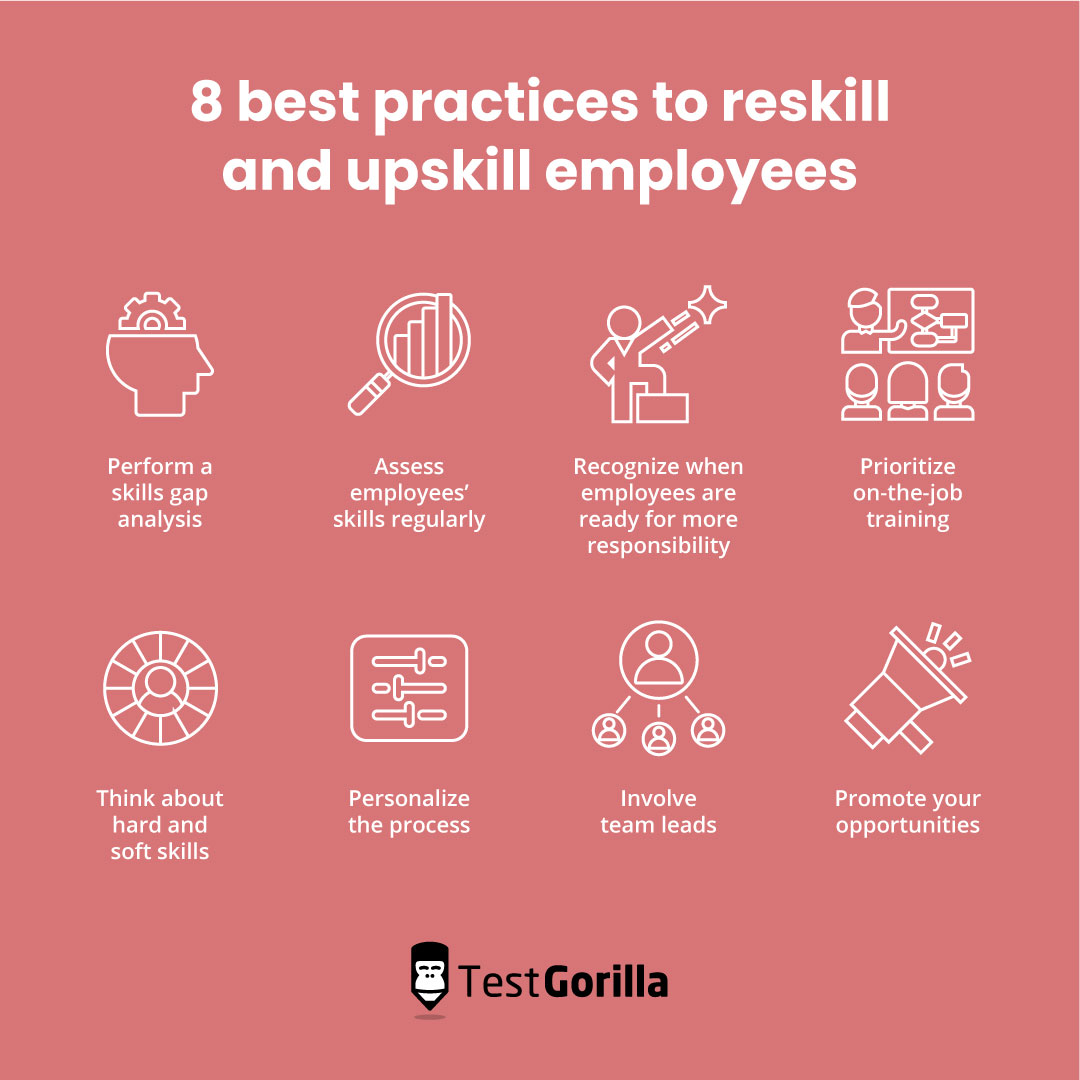
When we talk about reskill training, we’re not just talking about taking a weekend workshop. We’re talking about a focused, often intensive, educational journey designed to teach you an entirely new set of capabilities that can lead to a new career path. It’s different from "upskilling," which means enhancing your existing skills within your current role. Reskilling is about changing lanes, sometimes even changing highways.
Imagine you’ve been a brilliant chef for years, but now you’re fascinated by the data that drives restaurant success. Reskill training might mean enrolling in a data science training program. Or perhaps you’ve been in sales your whole life, and you see the immense potential in digital marketing. That’s where digital marketing certification could open new doors. It’s about taking your core strengths and applying them to a completely different domain, armed with fresh, specialized knowledge.
For me, the idea felt daunting at first. I had spent years in a field that was slowly shrinking. The thought of going back to "school" – even an adult learning program – felt intimidating. But then I met Mark. Mark was a truck driver for over 25 years. He loved the open road, but chronic back pain was forcing a change. He enrolled in a cybersecurity bootcamp, a field he knew nothing about just months before. His journey was a testament to the fact that age, background, and previous experience don’t dictate your capacity for change. He proved that retraining for new careers is entirely possible, no matter where you start.
Overcoming the Hurdles: Your Doubts Are Valid (and Conquerable)
Let’s be honest, the idea of a career change, especially one that requires significant learning, can bring up a lot of fears. "Am I too old?" "Do I have enough time?" "Can I afford it?" "What if I fail?" These are natural questions, and acknowledging them is the first step.
- Age is Just a Number: The myth that learning capacity declines sharply with age is largely debunked. In fact, life experience often gives adult learners an edge in problem-solving and motivation. Many online reskilling platforms are specifically designed for working professionals of all ages.
- Time Management: Yes, it requires commitment. But many reskill training programs, especially fast-track career change courses, are structured to be flexible. Think evenings, weekends, or intensive bootcamps. It’s about prioritizing, not finding extra hours in the day.
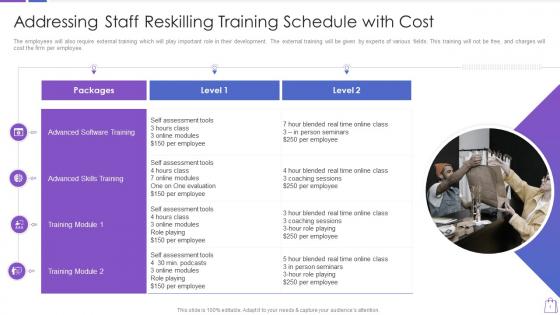
- Financial Investment: This is a big one. However, the return on investment for acquiring in-demand skills can be substantial. Look into scholarships, grants, employer-sponsored workforce development, or even government-funded skill gap training. Sometimes, a temporary reduction in income during training can lead to a significant increase later.
- Fear of Failure: This is perhaps the biggest internal hurdle. What if you invest time and money and it doesn’t work out? The truth is, failure is part of any growth process. But with structured reskill training, you’re not just learning skills; you’re building resilience, networking, and gaining confidence. The risk is often far outweighed by the potential reward of a more fulfilling and secure career.
Charting Your New Course: Choosing the Right Reskill Path
So, you’re ready to take the plunge. But where do you even begin? The sheer number of options can feel overwhelming. This is where a bit of self-reflection and market research come into play.
-
Look Inward First: What Are Your Core Strengths and Interests?
What do you genuinely enjoy doing? What problems do you love solving? What are your natural talents, even if they’ve never been "professionalized"? Your existing transferable skills – things like communication, problem-solving, teamwork, attention to detail – are incredibly valuable. A project manager’s ability to coordinate diverse teams, for instance, can be just as crucial in tech reskilling as it is in construction. Don’t discard your past; see how it can inform your future. -
Look Outward: What Does the Job Market Need?
This is where those high-value keywords come in. Research shows massive demand in areas like:- Tech Reskilling: From software development to cloud architecture.
- Data Science Training: Understanding and interpreting the vast amounts of data businesses generate.
- Cybersecurity Bootcamps: Protecting digital assets from ever-evolving threats.
- Project Management Certification: Leading complex initiatives across industries.
- Cloud Computing Skills: Expertise in platforms like AWS, Azure, and Google Cloud.
- AI and Machine Learning Courses: Developing the intelligence that drives future technologies.
- UX Design Courses: Creating intuitive and user-friendly digital experiences.
- Digital Marketing Certification: Mastering online strategies to reach customers.
Look at job postings, industry reports, and talk to people already working in these fields. Which ones pique your interest? Which ones align with your natural strengths? Many online reskilling platforms offer free introductory modules or career quizzes to help you explore.
-
Consider the Format: What Works for You?
Reskill training comes in many forms:- Online Courses: Flexible, often self-paced, accessible from anywhere. Great for professional development courses and foundational learning.
- Bootcamps: Intensive, short-term (weeks to months), focused on getting you job-ready quickly. Excellent for fast-track career change in tech fields.
- Community Colleges & Universities: More traditional, longer-term programs, offering degrees or specialized certificates.
- Employer-Sponsored Programs: Some forward-thinking companies offer workforce development programs to reskill their existing employees.
Each has its pros and cons. Think about your learning style, your schedule, and your financial situation.
The Journey Itself: Embracing the Learning Curve
Once you’ve chosen your path, the real adventure begins. It won’t always be easy. There will be moments of frustration, confusion, and the feeling that you’re just not "getting it." This is normal. It’s part of the process of building new neural pathways, of stretching your mind in new directions.
I remember my own journey into digital skills training. There were days I felt like my brain was full, utterly saturated with new concepts. But then, something would click. A concept I struggled with would suddenly make sense, and that feeling of accomplishment was incredibly motivating.
Here’s what you can expect, and how to make the most of it:
- Consistency is Key: Even if it’s just an hour a day, showing up consistently makes a huge difference. Small, regular efforts build momentum.
- Embrace the Community: Many reskill training programs, especially bootcamps and online courses, have vibrant communities. Connect with fellow learners. They’re facing similar challenges, and you can learn so much from each other. This is also excellent for building your professional network, which is vital for job market readiness.
- Build, Build, Build: Learning theory is one thing; applying it is another. Work on projects, create a portfolio, contribute to open-source initiatives. If you’re doing tech reskilling, for example, build a small application. If it’s UX design courses, create mockups for a hypothetical app. Practical experience is what makes you stand out.
- Seek Feedback: Don’t be afraid to share your work and ask for constructive criticism. This is how you grow and refine your skills.
- Network Relentlessly: Go to virtual meetups, connect on LinkedIn, attend industry webinars. The people you meet during your professional development courses can become your mentors, colleagues, or even future employers.
Real Stories of Reinvention: It Can Be You
Let’s revisit Sarah and Mark, and introduce Maria, to truly illustrate the power of reskill training.
-
Sarah, the Data Whisperer: After two decades in manufacturing, Sarah took an online reskilling platform course in data analytics. She started with basic Excel, moved to SQL, and then tackled Python. Her meticulous nature, honed on the factory floor, made her exceptional at spotting patterns in data. Today, she works as a junior data analyst for a logistics company, helping them optimize their delivery routes and reduce costs. Her old job might be done by robots, but her new career is thriving, thanks to her career change program.
-
Mark, the Cyber Guardian: Mark, the former truck driver, immersed himself in his cybersecurity bootcamp. He was surprised to find that his years of methodical route planning and problem-solving translated well into understanding network vulnerabilities and developing defensive strategies. He landed an entry-level position as a security operations center (SOC) analyst, protecting a company’s digital assets. He’s still on the road sometimes, but now it’s the information superhighway. His story is a powerful example of retraining for new careers later in life.
-
Maria, the Empathy Architect: Maria was a beloved elementary school teacher, but felt burnt out after years in the classroom. She loved helping people learn and grow, and was always organized. She discovered UX design courses and realized her deep understanding of human behavior and her ability to simplify complex ideas were perfect for creating user-friendly products. She completed a UX design certification program, built a portfolio of projects, and now works as a UX researcher, designing intuitive experiences for educational technology platforms. She still helps people learn, just in a different way.
These aren’t isolated incidents. They represent a growing trend of individuals who refuse to be defined by their past and are actively shaping their future through reskill training.
Beyond the Certificate: The Mindset Shift
While the certifications and new skills are tangible outcomes of reskill training, perhaps the most profound change happens internally. It’s a shift in mindset.
You move from feeling vulnerable to feeling empowered. From feeling limited to seeing endless possibilities. You develop a sense of agency, knowing that you have the capacity to adapt and thrive, no matter what the future holds. This newfound confidence radiates into all aspects of your life. It makes you a more resilient employee, a more creative problem-solver, and a more engaged individual.
The journey of reskill training isn’t just about getting a new job; it’s about rediscovering your own potential, challenging your assumptions, and proving to yourself what you’re truly capable of. It’s about becoming a lifelong learner, always curious, always growing. This mindset is perhaps the most valuable professional development you can acquire.
Your Next Chapter Starts Now
The world is moving forward, and so can you. If that quiet whisper of unease or the longing for something new is still there, it’s time to listen. Reskill training isn’t a magic bullet, but it is a powerful tool for self-reinvention.
Here are some immediate, actionable steps you can take:
- Start Exploring: Don’t commit to anything yet. Just begin researching. Look up online reskilling platforms, browse career change programs, and read about different in-demand skills. Many platforms offer free trials or introductory modules.
- Identify Your Transferable Skills: Take stock of what you already do well. How could those strengths be applied to a new field?
- Talk to People: Reach out to individuals in careers that interest you. Ask them about their work, their challenges, and how they got there. LinkedIn is an excellent resource for this.
- Consider a Small Step: Maybe it’s not a full bootcamp right away. Perhaps it’s a short upskilling course in an area adjacent to your current role, or a free online course to test the waters.
- Believe in Yourself: This is the most crucial step. You are capable of more than you think. The biggest barrier is often self-doubt.
The future isn’t something that happens to you; it’s something you actively create. And with reskill training, you have the power to craft a future that is not only resilient but also deeply rewarding. So, go ahead. Write your next chapter. The story of your reinvention is waiting to be told.