
I remember standing at the precipice of my twenties, feeling an itch I couldn’t quite scratch. It wasn’t just wanderlust, though that was certainly a part of it; it was a deeper yearning to understand the world, to connect with its myriad cultures, and to find my place within its grand, swirling tapestry. My friends were settling into predictable careers, buying furniture, talking about mortgages, and I was still staring at maps, dreaming of places like Patagonia and Kyoto, convinced there had to be more than just collecting postcards. I wanted to do something with that passion, not just indulge it sporadically. That’s when the idea of a travel course, a formal education in the very art and science of exploration, first truly took root in my mind.
It felt a bit unconventional, I’ll admit. When I first mentioned pursuing a dedicated travel course, some raised eyebrows were definitely part of the package. "Isn’t travel something you just do?" they’d ask, implying it was a hobby, not a profession. But I saw it differently. I envisioned a world where I could not only explore but also facilitate, create, and inspire others to embark on their own journeys. I wanted to understand the mechanics, the hidden gears, and the delicate human touch that makes a journey unforgettable. So, with a mix of trepidation and immense excitement, I began researching, looking for a program that promised to transform a dreamer into a doer.
The enrollment day felt like a real turning point. Walking into that classroom for the very first time, I was greeted by a diverse group of faces, all carrying that same spark of curiosity in their eyes. There were recent high school graduates, seasoned professionals looking for a career change, and even a few retirees eager to learn the ropes of independent travel planning. Our instructor, a woman named Clara with eyes that seemed to have seen every corner of the globe, exuded a quiet confidence. She didn’t just teach travel; she lived it, her stories weaving a rich tapestry that immediately drew us in. This wasn’t going to be just about memorizing facts; it was going to be about immersing ourselves in a new way of seeing the world.
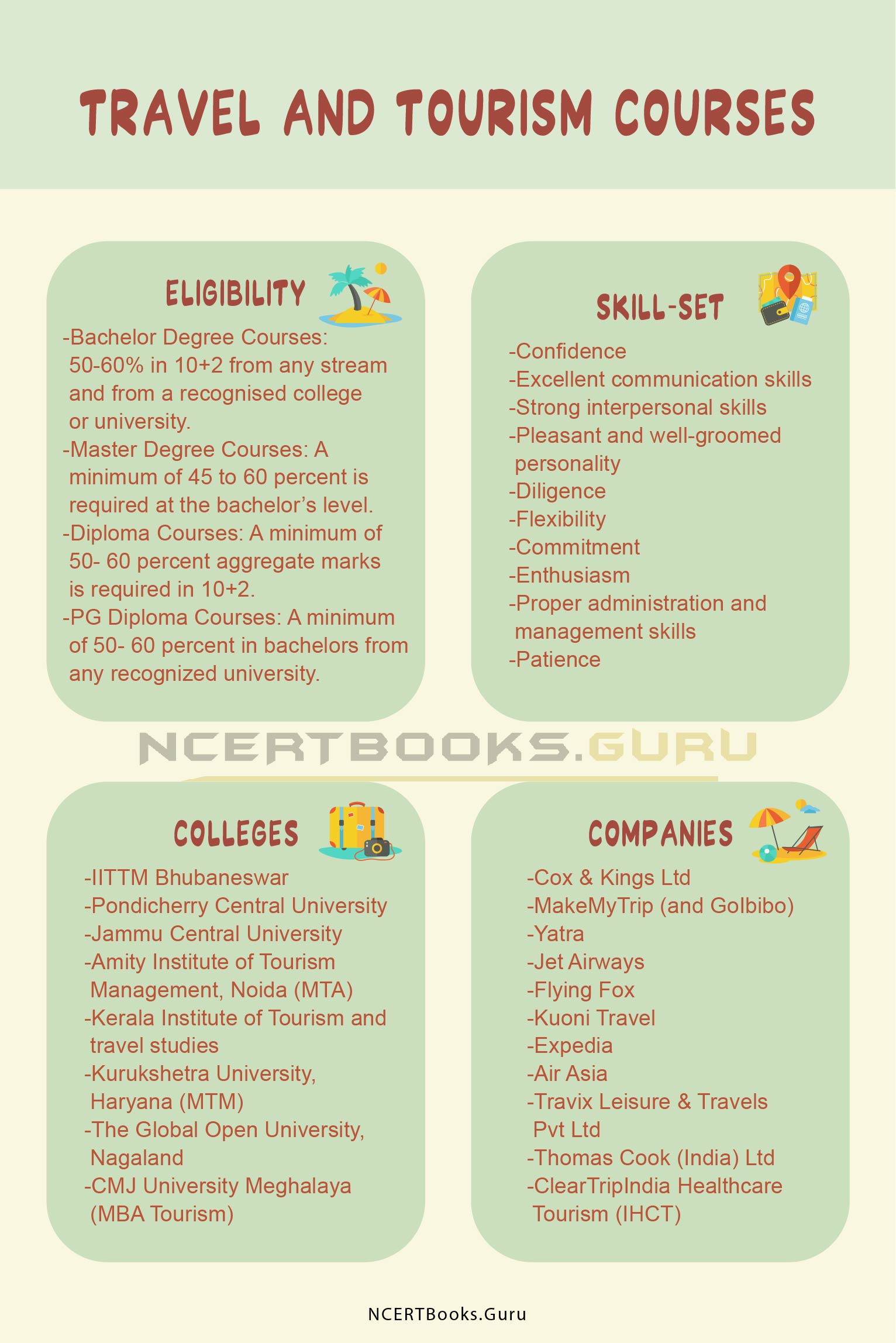
The curriculum of that travel course was far more comprehensive than I had ever imagined. We didn’t just learn about popular tourist destinations; we delved deep into the geography of continents, the nuances of different cultures, and the often-overlooked history that shapes every landscape. I learned to identify mountain ranges I’d only ever vaguely heard of, to understand the intricate river systems that crisscross entire countries, and to appreciate the unique architectural styles that define cities from Prague to Peru. It was like finally getting the secret decoder ring to the world. We spent hours dissecting maps, not just as flat representations, but as living documents filled with stories and human endeavor.
One of the most eye-opening aspects was the deep dive into the practical side of the travel industry. Before the course, I thought planning a trip involved picking a destination, booking a flight, and finding a hotel. Oh, how naive I was! We were introduced to Global Distribution Systems (GDS), the complex software platforms like Amadeus and Sabre that are the backbone of airline and hotel reservations worldwide. Learning to navigate these systems felt like learning a new language – a language of codes, tariffs, and availability. It was challenging, sometimes frustrating, but incredibly empowering. Suddenly, the seemingly effortless booking process I’d experienced as a customer revealed its intricate layers. I started to see the real skill involved in crafting a seamless travel experience.
Beyond the technical skills, the travel course placed a huge emphasis on the human element. We practiced customer service scenarios, learning how to handle everything from lost luggage emergencies to last-minute itinerary changes with grace and efficiency. We role-played situations where clients had vastly different expectations, and our job was to bridge those gaps, turning potential frustrations into positive memories. This wasn’t just about being polite; it was about understanding human psychology, empathy, and the art of anticipating needs before they even arose. Clara always reminded us that we weren’t just selling trips; we were selling dreams and memories, and that carried a profound responsibility.
Our studies also ventured into the fascinating world of destination management and tour guiding. We learned how to research a location not just for its major attractions, but for its hidden gems, its local stories, and its authentic flavors. We practiced public speaking, not in a dry, academic sense, but as if we were leading a group of eager tourists through a bustling market or a quiet historical site. We discussed pacing, storytelling techniques, and how to engage diverse groups of travelers. I remember one exercise where we had to "guide" our classmates through an imaginary city, describing its sights, sounds, and smells, making them feel as if they were truly there. It was exhilarating to see how words alone could paint such vivid pictures.
Then there was the module on travel law and ethics, which was surprisingly gripping. We learned about visa requirements, international regulations, and the importance of responsible tourism. It wasn’t all glamorous tales of adventure; it was also about understanding our duty to protect fragile ecosystems, respect local cultures, and ensure fair practices within the industry. This part of the travel program instilled in me a deep sense of commitment to making travel a force for good, not just for personal enjoyment. Sustainability wasn’t just a buzzword; it was a guiding principle woven into every aspect of our learning.
One particular project stands out vividly in my memory. We were tasked with designing a complete, multi-week tour package for a specific demographic, including all logistics, marketing materials, and a detailed budget. My group chose an adventure tour for young professionals through Southeast Asia. We spent weeks poring over maps, researching local transport options, negotiating (hypothetically, of course) with accommodation providers, and even crafting a catchy slogan. The sheer complexity of coordinating flights, ground transfers, activities, and meals for a group of people across multiple countries was a revelation. It taught me patience, meticulous planning, and the importance of having a backup plan for your backup plan. When we finally presented our "product," I felt an immense sense of accomplishment. It wasn’t just a grade; it was a tangible representation of how far I’d come in understanding the intricacies of the travel world.
Beyond the textbooks and the software, the biggest impact of the travel course was the transformation it wrought within me. I entered the program as a hesitant dreamer, full of vague aspirations. I emerged as someone with concrete skills, a broadened perspective, and a quiet confidence that I could actually contribute to the industry I loved. My shyness began to melt away as I practiced presenting, negotiated in role-play, and collaborated closely with my classmates. The world, which once felt vast and somewhat intimidating, now felt like an exciting puzzle I was learning to solve, piece by piece.
The bonds I formed with my fellow students were another unexpected gift. We shared late-night study sessions, celebrated small victories, and commiserated over challenging assignments. We were a community of aspiring globetrotters, all united by that shared passion for exploration. Our instructors, too, became mentors, sharing not just knowledge but also invaluable anecdotes and insights from their own extensive careers in travel. They didn’t just teach us; they inspired us, painting vivid pictures of the diverse career paths available, from becoming a specialized travel agent, to a tour operator, a cruise line consultant, or even working in destination marketing for a tourism board.
Graduation day was bittersweet. We were all thrilled to have completed the travel course, but also a little sad to leave the comfortable bubble of learning. Armed with our certifications and newfound expertise, we scattered, each pursuing our own corner of the travel industry. My own journey led me to a small boutique travel agency specializing in experiential tours. The skills I learned in the travel program were immediately put to the test. I found myself confidently navigating GDS systems, crafting bespoke itineraries, and advising clients on everything from visa requirements to cultural etiquette. The theoretical knowledge I’d gained transformed into practical, real-world solutions, and it was incredibly rewarding.
Looking back, the question I often hear is, "Was a travel course truly worth it?" And my answer, without hesitation, is a resounding yes. For anyone who feels that undeniable pull towards the world of travel, who wants to turn a passion into a profession, or who simply desires a deeper, more informed understanding of how the world moves, a dedicated travel education program can be an invaluable investment. It provides a structured learning environment that would take years, if not decades, to acquire through self-study alone. It gives you the foundational knowledge, the technical skills, and the industry insights that are crucial for navigating a complex and ever-evolving field.
It’s not just about getting a job; it’s about gaining a framework for understanding the world. It’s about learning to communicate across cultures, to problem-solve under pressure, and to appreciate the intricate beauty of human connection that travel fosters. For beginners, it demystifies an industry that can seem overwhelming from the outside. It equips you with the confidence to take that first step, whether it’s planning your own epic journey or helping others embark on theirs.
For those considering a travel course, I would offer a few pieces of advice. Research your options thoroughly. Look for programs that offer a comprehensive curriculum, experienced instructors, and practical, hands-on training, especially with industry-standard software. Consider what specific area of travel you’re most interested in – do you dream of being a tour guide, a travel agent, working for an airline, or perhaps in sustainable tourism? Many programs offer specializations that can cater to these interests. Most importantly, bring your passion, your curiosity, and an open mind. Be prepared to learn, to challenge your assumptions, and to see the world through a new lens.
Today, years after stepping into that classroom, the echoes of that travel course still resonate within me. Every time I book a flight, plan an itinerary, or simply look at a map, I see it not just as a collection of lines and colors, but as a vibrant tapestry of stories, cultures, and possibilities. My initial itch has been scratched, not by merely traveling, but by truly understanding the heart of travel itself. It’s a journey that continues, forever enriched by the education that transformed a simple dream into a vivid, living reality. The world is still calling, and thanks to that travel course, I now feel ready to answer with confidence, knowledge, and an unwavering sense of wonder.