
For as long as I can remember, the sound of a piano has held a certain magic for me. It wasn’t just music; it was a conversation, a story unfolding with every note. I’d watch people effortlessly glide their fingers across the keys, creating intricate melodies that seemed to fill the very air with emotion. I wanted that. I craved that connection, that ability to bring beautiful sounds to life with my own hands. But for years, it remained a distant dream, a wish tucked away in the back of my mind, always overshadowed by the excuses of "no time," "too old," or "I’m just not musically inclined."
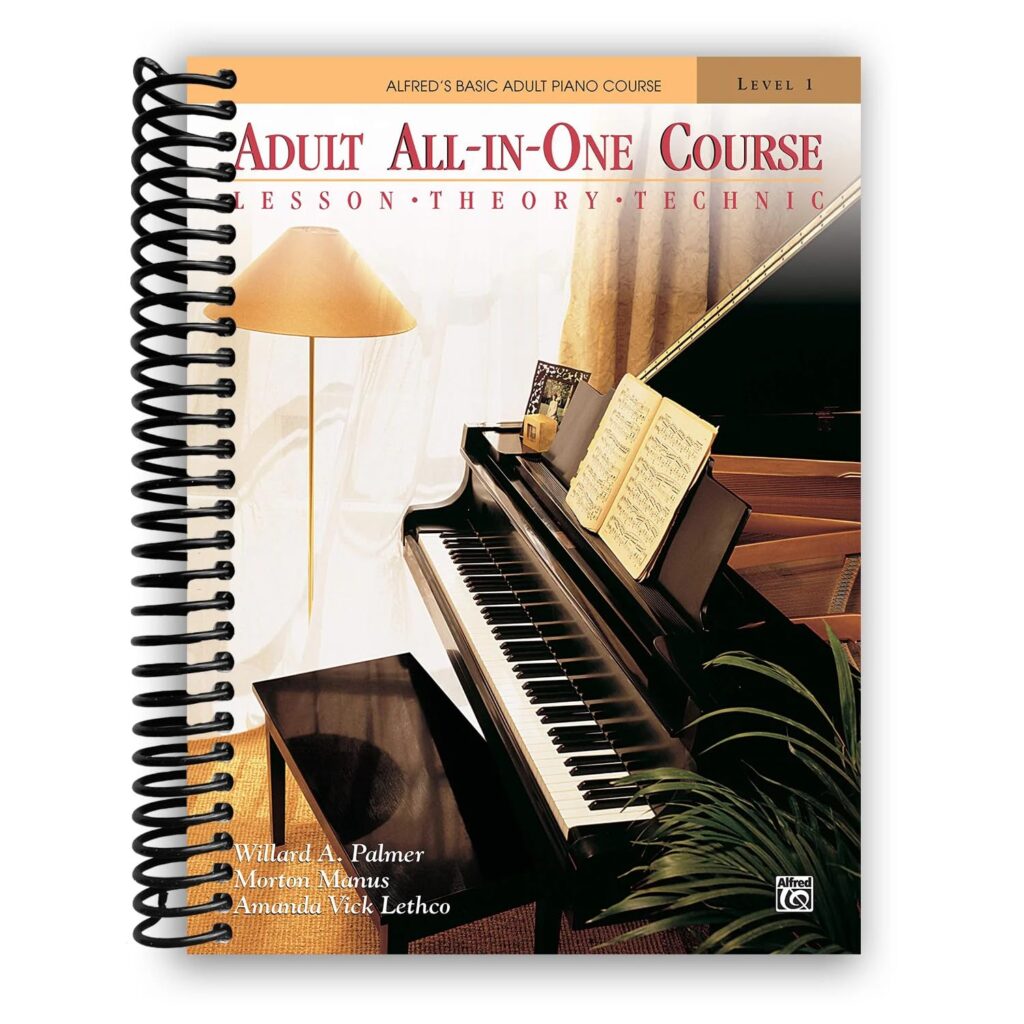
Then, one quiet evening, staring at an old, dusty keyboard I’d bought on a whim years ago and never touched, something shifted. The excuses suddenly felt hollow. Why couldn’t I try? What was stopping me from taking that first step? The internet, of course, was my first port of call. I typed in "learn piano" and "beginner piano lessons," and suddenly, a whole world opened up. What I needed, I realized, was a proper "Piano Course." Not just a random YouTube video here and there, but a structured path, something that would guide me from absolute zero.
Choosing the right course felt like a daunting task in itself. There were so many options. Should I look for "piano lessons near me," which would mean committing to a fixed schedule and possibly a higher cost? Or should I explore the ever-growing world of "online piano course" offerings, which promised flexibility but also required a good deal of self-discipline? As an adult with a busy life, the thought of an "adult piano lessons" online course, something I could fit around my own schedule, became increasingly appealing. I spent days poring over reviews, watching sample lessons, and comparing curriculums. What truly caught my eye were courses that emphasized clear explanations, step-by-step progression, and didn’t assume any prior knowledge. I wanted a teacher, even a virtual one, who sounded patient and encouraging, someone who understood the struggles of a complete beginner.
Eventually, I settled on an online platform that seemed to strike the right balance. It offered video lessons, downloadable sheet music, and practice exercises. Crucially, it had a clear outline of what to expect from a piano course, laying out the journey from basic finger exercises to understanding simple chords and melodies. The first step, even before hitting play on lesson one, was to make sure I had a proper instrument. That old dusty keyboard would do for now, but I knew I’d eventually need something with weighted keys to truly get the feel of a real piano.
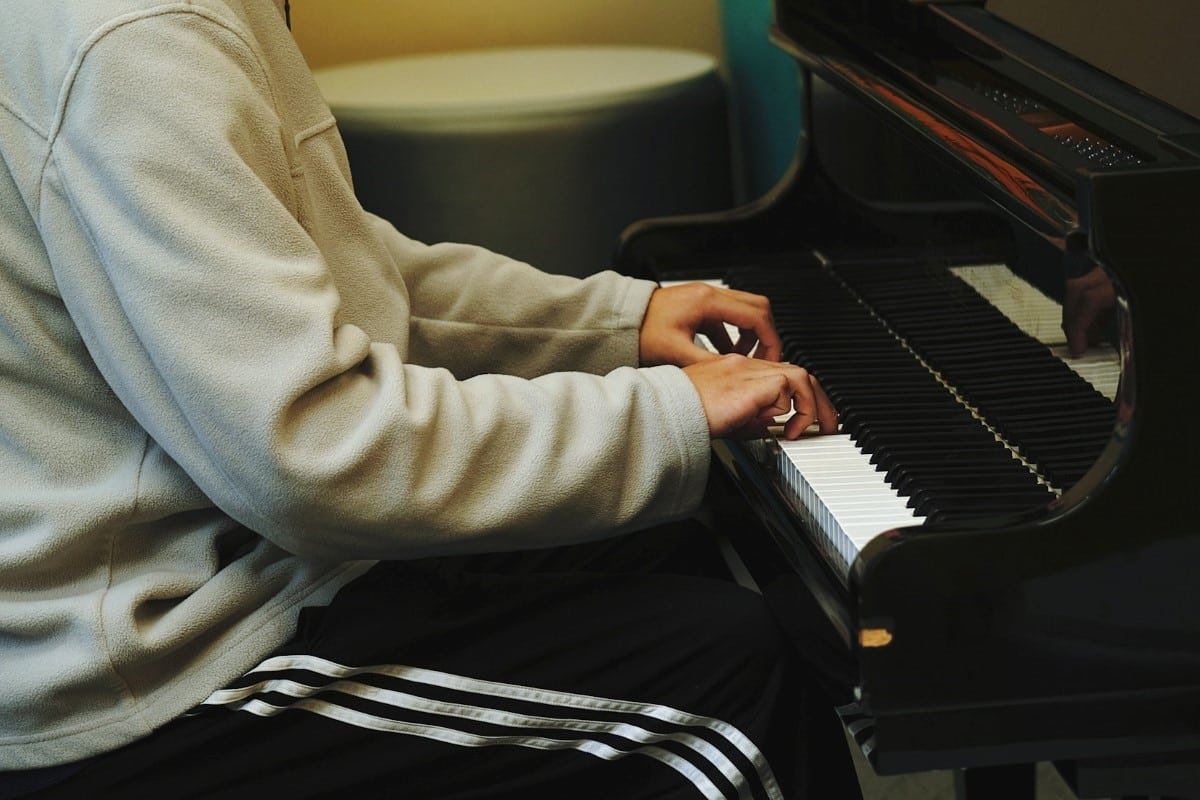
The very first lessons were surprisingly simple, almost childlike, but absolutely essential. My virtual teacher, a kind-faced woman with a gentle voice, started by teaching me the names of the keys – the Cs, Ds, Es, and so on. Then came the dreaded, yet necessary, finger exercises. My fingers felt like clumsy sausages, stumbling over each other, refusing to cooperate. My left hand seemed to have a mind of its own, completely independent (and rebellious!) from my right. Posture, hand position, how to strike a key – every little detail was covered. It was a lot to take in, but the feeling of finally hitting the right note, even just a single C, with the correct finger, felt like a small victory.
Reading sheet music was perhaps the biggest hurdle initially. Those little black dots on five lines looked like an alien language. Treble clef, bass clef, whole notes, half notes, quarter notes – it was a dizzying array of symbols. My brain felt like it was doing gymnastics trying to simultaneously read the notes, find them on the keyboard, and then tell my fingers what to do. There were moments of genuine frustration, where I felt like giving up. "This is too hard," I’d whisper to myself, my fingers hovering uncertainly over the keys. But the course was designed with these moments in mind. It broke down "music theory for beginners" into bite-sized pieces, explaining intervals, scales, and basic chords in a way that slowly, gradually, began to make sense. My teacher would often remind me that everyone starts here, and consistency, not perfection, was the goal.
Practice became a ritual. It wasn’t about spending hours at a time, especially in the beginning. It was about short, focused sessions – 15 to 20 minutes a day, almost every day. Those "piano practice tips" I found online and within the course materials became my gospel: practice slowly, focus on one hand at a time, repeat difficult sections, and take breaks. I learned the importance of patience and self-compassion. Some days, I felt like I was making huge strides; other days, it felt like I was going backward. But showing up, even for a few minutes, kept the momentum going.
Then came the breakthroughs, those moments that made all the struggle worthwhile. The first time I played a simple melody, "Mary Had a Little Lamb," from beginning to end, without stopping, felt like conquering Everest. The sound, though simple, was my sound, created by my fingers. It was pure joy. Then came understanding chords. Suddenly, those seemingly random clusters of notes on the sheet music started to make sense. A C major chord, a G major, an F major – they weren’t just notes; they were building blocks, colors in a musical palette. I started to see how they fit together, how they could create different moods. "Playing by ear" was still a distant dream, but the seeds were being sown. I could recognize basic chord progressions in simple songs.
As I progressed through the "Piano Course," the lessons became more complex, but also more rewarding. I learned about dynamics – playing loud and soft – and articulation, making notes smooth or detached. I started to explore different rhythms and time signatures. The course introduced me to various styles, from classical to pop, which kept things fresh and exciting. I wasn’t just learning to play notes; I was learning to make music.
One of the unexpected "benefits of learning piano" was how it sharpened my focus and discipline. It wasn’t just about my fingers; it was about training my brain. Reading multiple lines of music, coordinating both hands, listening, and maintaining rhythm – it was a full mental workout. I noticed improvements in my concentration in other areas of my life too. It also became a wonderful outlet for stress. After a long day, sitting down at the keyboard, even just to practice scales, offered a sense of calm and escape. It was my creative space, a place where I could express myself without words. For anyone considering "adult piano lessons," I can attest to these profound personal benefits.
While my chosen path was an "online piano course," I often thought about the value of a live teacher. The course did offer online community forums, which were helpful for asking questions and sharing frustrations and triumphs with other learners. It was comforting to know I wasn’t alone in my struggles. Seeing other people’s progress, even those who started after me, was a huge motivator. However, the direct, immediate feedback of a personal instructor, someone who can instantly correct a wrist position or a rhythm error, is undeniably powerful. For "kids piano lessons," I imagine this direct interaction is even more crucial for keeping young learners engaged and building a strong foundation. For myself, the flexibility of online learning was key, and I compensated by diligently recording myself and reviewing my playing against the teacher’s examples.
My journey with the "Piano Course" is far from over. I’ve moved beyond the absolute beginner stage, but I’m still learning every single day. There are so many beautiful pieces to discover, so many techniques to master. I’m now starting to tackle slightly more challenging pieces, pieces that once seemed utterly impossible. I’m even dabbling a bit in improvisation, letting my fingers wander and create their own melodies, a thrilling new frontier. The dusty keyboard has been upgraded to a digital piano with weighted keys, which feels much closer to the real thing and makes practicing even more enjoyable.
To anyone out there who, like me, has harbored that secret desire to play the piano, I say this: don’t wait. Don’t let those old excuses hold you back. Taking that first step, enrolling in a "Piano Course," whatever form it takes – be it an "online piano course," "in-person piano lessons," or specialized "adult piano lessons" – is the hardest part. Once you commit, once you start, you’ll discover a world of beauty and personal growth you never imagined. It won’t always be easy. There will be frustrating days, clumsy fingers, and moments where you feel like you’re not making any progress. But those small victories – playing your first song, understanding a new chord, feeling the music flow through you – are incredibly powerful. They fuel your spirit and push you forward. The journey of learning piano is a grand adventure, a lifelong pursuit of melody and harmony, and it’s one of the most rewarding paths I’ve ever chosen to walk. Give yourself the gift of music; you won’t regret it.