
I remember a time when learning felt like a chore, a rigid path laid out by institutions, textbooks, and the ticking clock of a classroom. My mind, always curious but easily distracted, struggled with the traditional mold. I’d flip through dense books, my eyes glazing over paragraphs, the concepts feeling abstract and distant. I craved something more immediate, more engaging, something that spoke directly to the restless explorer within me. It felt like I was standing at the edge of a vast, exciting forest, armed only with a map written in a language I barely understood, longing for a guide who could just show me the way.
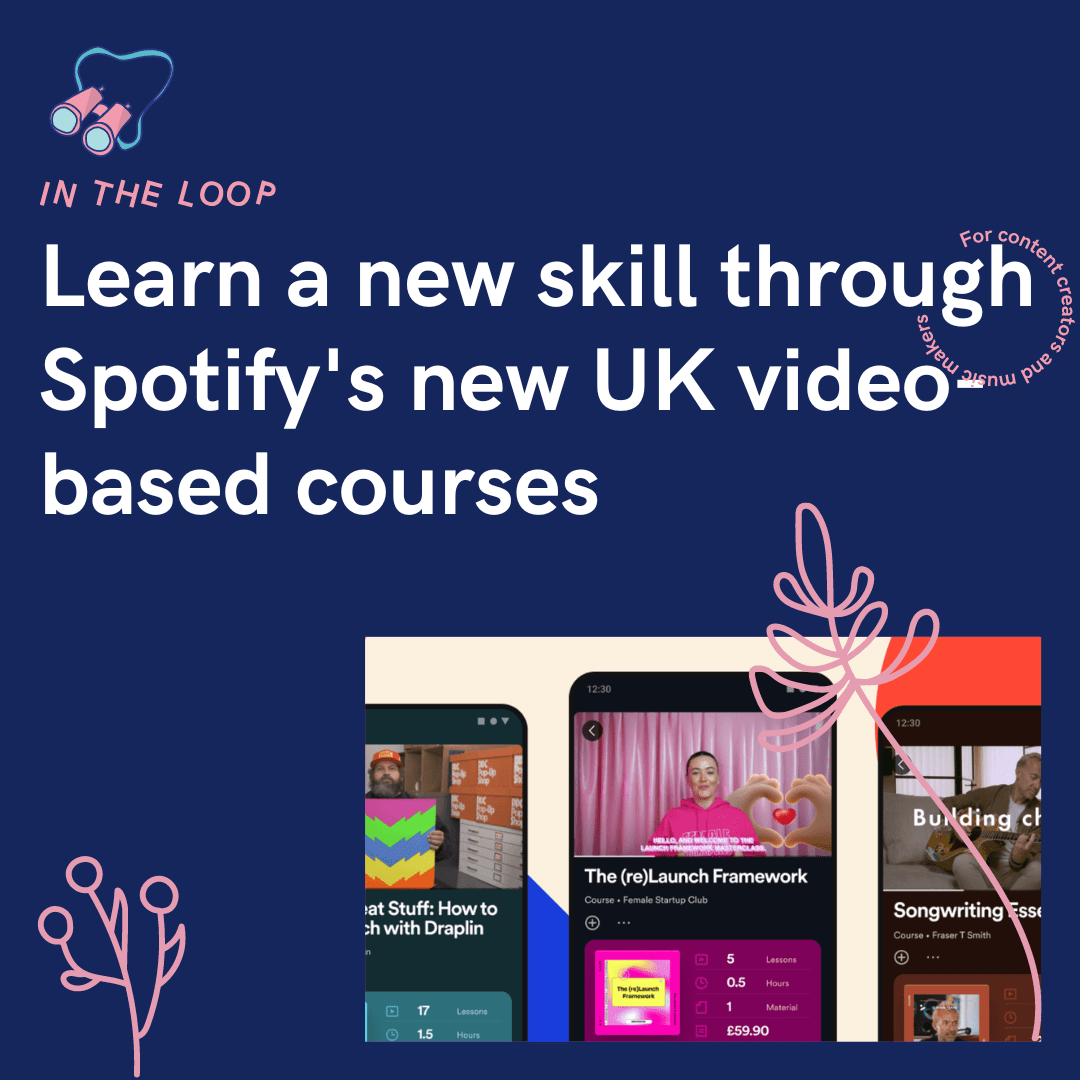
That yearning eventually led me down a different path, one I initially approached with a healthy dose of skepticism: the world of video-based courses. I’d heard whispers about them, seen ads pop up on social media, promising everything from mastering a new language to building a website in a weekend. My first thought was, "Can watching videos really replace a real teacher? Isn’t it just glorified YouTube?" But my frustration with my stagnant progress pushed me to take a leap. I decided to dip my toes in, choosing a course on a topic that had always intrigued me but felt too complex to tackle alone: basic digital illustration.
My initial experience was nothing short of revelatory. From the very first module, it was like having a patient, knowledgeable mentor right there with me, demonstrating each stroke, explaining every tool, and articulating the ‘why’ behind every technique. The instructor, a seasoned artist with a calm, encouraging voice, didn’t just tell me what to do; they showed me. I watched their digital pen glide across the screen, mimicking their movements, pausing the video countless times to get it just right. This wasn’t passive viewing; it was an interactive dance between observation and immediate application.
The sheer flexibility was the first thing that struck me. Life, as we all know, doesn’t always adhere to a fixed schedule. My work hours fluctuated, social commitments popped up, and some days, my brain simply wasn’t ready to absorb new information at a set time. With this video course, the classroom was wherever I was, whenever I chose. I could learn during my lunch break, nestled on the couch late at night, or even on a quiet Sunday morning with a cup of coffee. The freedom to set my own pace was liberating. If a concept was particularly challenging, I could rewind and rewatch the segment a dozen times without feeling embarrassed or holding anyone back. Conversely, if I grasped something quickly, I could speed through to the next topic, no waiting around for others to catch up. This self-paced learning truly felt tailor-made for my individual rhythm.
Beyond the convenience, the visual nature of these courses unlocked a deeper level of understanding for me. Reading about color theory is one thing; seeing an expert demonstrate how different hues interact, how to blend them seamlessly, or how to create a specific mood with a palette, is an entirely different, much more impactful experience. When I was learning to code, watching someone actually type out the lines of code, explaining each function as they went, made the abstract syntax click into place in a way that static text never could. It was like having a window into an expert’s mind, observing their thought process in real-time. This dynamic visual learning transformed complex ideas into digestible, actionable steps.
One of the most profound benefits I discovered was the access to expert instructors. Before, if I wanted to learn from a truly top-tier professional in a niche field, I’d likely have to travel great distances, pay exorbitant fees for private lessons, or enroll in a prestigious university program. Video-based courses flattened that barrier. Suddenly, I had the opportunity to learn from world-renowned designers, celebrated musicians, acclaimed writers, and leading tech innovators, all from the comfort of my own home. These weren’t just academics; often, they were practitioners, people actively working in their fields, sharing their real-world insights and practical techniques. Their passion was infectious, and their ability to break down complex subjects into understandable chunks was truly remarkable.
As I delved deeper into the world of online learning, I started exploring other video courses. I learned the fundamentals of photography, turning my blurry phone snapshots into something I was actually proud of. I took a course on personal finance, which, honestly, felt like a superpower after years of feeling overwhelmed by budgets and investments. Each new skill I acquired built confidence, not just in that specific area, but in my overall capacity to learn and grow. It wasn’t just about gaining knowledge; it was about expanding my capabilities and seeing the world with new eyes.
Of course, the journey wasn’t without its own set of challenges. The biggest hurdle, for me, was often self-motivation. There’s no teacher breathing down your neck, no classmates relying on you for a group project. It’s just you and the screen. I quickly realized that discipline was paramount. I started treating my learning sessions like appointments, blocking out specific times in my calendar. I’d set small, achievable goals, like completing one module a day, or practicing a new technique for 30 minutes. Breaking down the larger goal into smaller, manageable chunks made the whole endeavor feel less daunting and more sustainable.
Another challenge was the sheer volume of choices. The internet is a vast ocean of information, and picking the right course can feel overwhelming. I learned to look for courses with solid reviews, reputable instructors, and a clear, well-structured syllabus. Free preview lessons became my best friend, allowing me to sample the instructor’s style and the course content before committing. I also found that a good course often included practical exercises, downloadable resources, and sometimes even a community forum where I could interact with other learners and ask questions. This peer support added another layer of engagement and helped me feel less isolated in my learning journey.
The cost factor was also a pleasant surprise. While some specialized courses can be an investment, many platforms offer incredible value, often for a fraction of what traditional education would cost. There are frequently sales, subscription models, and even entirely free courses available, democratizing access to high-quality education in an unprecedented way. This affordability meant I could experiment with different subjects without a huge financial commitment, encouraging exploration and broadening my horizons even further.
My journey with video-based courses continues to this day. What started as a skeptical experiment has blossomed into a fundamental part of my personal and professional development. They’ve empowered me to constantly update my skills, pursue new hobbies, and satisfy my innate curiosity without disrupting the flow of my daily life. I’ve learned about digital marketing, discovered the joys of baking artisan bread, and even started to grasp the basics of a new language – all from the comfort of my home, guided by experts who genuinely love what they do.
For anyone standing where I once was, feeling stuck in their learning or simply eager to explore new passions, I wholeheartedly recommend giving video-based courses a try. Don’t think of it as just watching videos; think of it as inviting a personal tutor into your home, a guide ready to unveil new worlds of knowledge at your command.
Here’s a little advice I’ve gathered along my way for those just starting out:
- Start Small: Don’t feel pressured to pick the most advanced or longest course first. Find something that genuinely interests you and has a clear, achievable outcome.
- Research Thoroughly: Read reviews, check the instructor’s credentials, and look at the course outline. A good course will clearly state what you’ll learn and what prerequisites, if any, are needed.
- Make it Active Learning: Don’t just watch. Take notes, pause and practice, try out the exercises, and apply what you learn immediately. The more you engage, the more it sticks.
- Schedule Your Time: Treat your learning like an important appointment. Consistency, even in small bursts, is more effective than sporadic marathon sessions.
- Find Your Tribe: If the course has a community forum or discussion board, participate! Connecting with other learners can provide motivation, new perspectives, and answers to your questions.
- Embrace Imperfection: You won’t master everything on the first try. That’s okay. The beauty of self-paced learning is that you can revisit concepts until they click. Persistence is key.
The world is constantly evolving, and so too should our approach to learning. Video-based courses are more than just a trend; they are a powerful, accessible, and incredibly effective tool for lifelong learners. They’ve demystified complex subjects, brought world-class education within reach, and ignited a passion for continuous discovery within me. So, go ahead, pick a topic that sparks your curiosity, press play, and embark on your own incredible journey into knowledge. You might just find, as I did, that the classroom of the future is exactly where you want it to be.