
Remember that feeling? That nagging sense that there was more out there for you, a different path, a skill you wished you had mastered? Maybe you were stuck in a job that felt like a treadmill, or perhaps you just knew the world was evolving, and you wanted to evolve with it. For many, that yearning for change leads them down a fascinating road: the online bootcamp. It’s not just another online course; it’s an intense, transformative experience designed to fast-track you into a new career or significantly level up your existing skills.
Let’s imagine Sarah. Sarah had a steady job in marketing, but her passion was fading. She saw her friends thriving in tech, building things, solving complex problems. She felt a pull towards it, especially towards creating beautiful, functional websites. But a four-year degree seemed out of reach, both financially and time-wise. That’s where the idea of an online coding bootcamp first whispered to her. It promised practical skills, quickly, and the flexibility to learn from her living room.
What Exactly is an Online Bootcamp, Anyway?
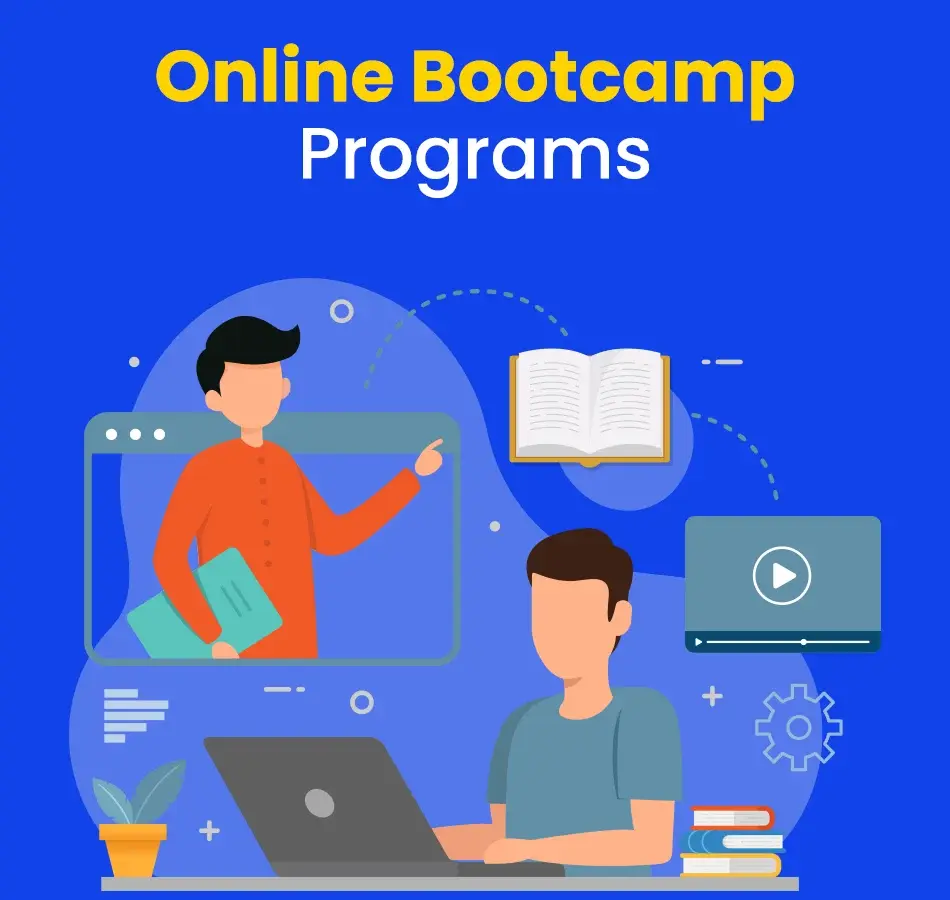
Think of a traditional military bootcamp – intense, focused training designed to prepare you for a specific role. An online bootcamp applies that same philosophy to digital skills. It’s an accelerated learning program, typically lasting anywhere from a few weeks to several months, built to equip you with the in-demand knowledge and practical experience employers are looking for. Unlike self-paced online tutorials, bootcamps are often highly structured, with live classes, dedicated instructors, peer collaboration, and project-based learning. The goal isn’t just to teach you concepts; it’s to make you do them, repeatedly, until they become second nature.
For beginners, this distinction is huge. You’re not just watching videos; you’re actively building, debugging, and collaborating. It’s a hands-on approach that cuts through the theoretical fluff and gets straight to the skills you’ll use on day one of a new job. This intensive format is what makes accelerated learning online so effective for career changers and those looking to quickly gain expertise.
Why Are People Choosing Online Bootcamps Now More Than Ever?
The shift towards remote learning bootcamps isn’t just a pandemic trend; it’s a fundamental change in how people approach education and career development.
- Unmatched Flexibility and Accessibility: For someone like Mark, a single dad juggling work and family responsibilities, attending an in-person class simply wasn’t an option. Flexible online learning allowed him to pursue a data science bootcamp online after his kids were asleep, fitting learning around his life rather than the other way around. This accessibility opens doors for people who might otherwise be excluded from traditional educational pathways due to geography, family commitments, or existing work schedules. You can learn from anywhere, as long as you have an internet connection and a laptop.
- Rapid Career Transformation: The tech landscape moves at lightning speed. Traditional universities, with their long degree cycles, often struggle to keep up. Bootcamps, however, are nimble. Their curricula are constantly updated to reflect the latest industry demands. If you’re looking for a career change bootcamp or want to pivot into a high-growth sector like tech, bootcamps offer a fast-track. They focus on the practical, job-ready skills that companies are actively hiring for right now.
- Efficiency and Focus: Forget electives that don’t directly contribute to your career goals. Immersive online programs are laser-focused. Every module, every project, every lesson is designed to build a specific, marketable skill. This intense focus means you learn more in a shorter amount of time, getting you job-ready quicker.
- Cost-Effectiveness (with Nuance): While an online bootcamp cost online can seem significant, ranging from a few thousand to over twenty thousand dollars, it’s often a fraction of the price of a four-year university degree. When you factor in the accelerated timeline – getting into a higher-paying job sooner – the return on investment can be incredibly compelling. Many bootcamps also offer flexible payment plans, scholarships, or income-share agreements (ISAs), making them more accessible.
A Deep Dive into Popular Online Bootcamp Fields
The digital world is vast, and so are the specializations offered by online bootcamps. Let’s explore some of the most sought-after fields:
-
Coding Bootcamps Online: This is perhaps the most well-known category. Whether you dream of building beautiful websites, developing robust mobile apps, or crafting the logic behind complex systems, there’s a coding bootcamp for you.
- Web Development Bootcamp Online: This often breaks down into frontend (what users see and interact with), backend (the server, database, and application logic), or full-stack (mastering both). You’ll learn languages like JavaScript, Python, Ruby, and frameworks like React, Angular, Node.js.
- Software Engineering Bootcamp Online: These programs typically delve deeper into computer science fundamentals, data structures, and algorithms, preparing you for roles that require more complex problem-solving and system design. If you want to be a serious developer, this is often the path.
- Learn to Code Online: Many bootcamps are specifically designed for absolute beginners, taking you from zero to job-ready programmer.
-
Data Science Bootcamps Online: The world runs on data, and companies are desperate for people who can make sense of it. These bootcamps teach you how to collect, clean, analyze, and interpret large datasets to extract valuable insights. You’ll typically work with Python, R, SQL, and tools for data visualization and machine learning. Think of it as becoming a detective for numbers, uncovering hidden patterns that drive business decisions.
-
Cybersecurity Bootcamps Online: With the increasing threat of cyberattacks, the demand for cybersecurity professionals is skyrocketing. These bootcamps train you to protect computer systems, networks, and data from digital threats. You’ll learn about network security, ethical hacking, incident response, and compliance, becoming a guardian of the digital realm.
-
UX/UI Design Bootcamps Online: UX (User Experience) and UI (User Interface) are about making digital products not just functional but also enjoyable and intuitive to use. UX designers focus on how a user interacts with a product, while UI designers focus on its visual appeal and interactivity. A UX UI bootcamp online will teach you design principles, user research, wireframing, prototyping, and tools like Figma or Adobe XD, allowing you to craft engaging digital experiences.
-
Other Online Tech Bootcamps: Beyond these core areas, you’ll find specialized bootcamps in fields like digital marketing (SEO, SEM, social media), cloud computing (AWS, Azure, Google Cloud), game development, and more. The common thread among all these online tech bootcamps is their focus on practical, job-oriented skills.
What Does a Typical Day/Week Look Like? Demystifying the Experience
If you’re considering an immersive online program, you might wonder what the day-to-day actually feels like. It’s definitely not a leisurely stroll through online modules. It’s more like a sprint, a marathon, and a puzzle all rolled into one.
Imagine waking up, grabbing your coffee, and logging into a live session with your instructor and classmates. This could be a lecture, a live coding demo, or a group problem-solving session. After the live component, you might spend hours working on a project, either individually or with a team. This means writing code, designing interfaces, analyzing data, or configuring security systems. You’ll debug errors, research solutions, and apply the concepts you just learned.
The afternoons often involve more self-paced modules, readings, or specific coding challenges. You’ll likely have office hours with instructors or TAs (Teaching Assistants) where you can ask questions and get personalized help. Peer collaboration is also a huge part of the experience; you’ll often work in small groups, pair-program, or review each other’s code. The evenings might be spent finishing up assignments, preparing for the next day, or attending optional workshops.
It’s intense, no doubt. Many students report dedicating 40-60 hours a week to their bootcamp studies. It requires significant commitment, self-discipline, and a genuine passion for learning. But that intensity is precisely what makes you job-ready so quickly.
The Crucial Role of Support Systems in Online Bootcamps
One of the biggest advantages of a well-regarded online education for career switch through a bootcamp is the robust support system. You’re not alone on this journey.
- Expert Instructors and Mentors: These aren’t just academics; they’re often industry professionals who have worked in the field they’re teaching. They bring real-world experience, insights into current trends, and practical advice. Many bootcamps also offer dedicated mentors who provide one-on-one guidance, helping you navigate challenges and refine your skills.
- Dedicated Career Services: This is where many bootcamps truly shine, especially for those seeking a job placement assistance bootcamp. Most reputable programs have robust career services teams whose sole purpose is to help you land a job after graduation. This includes:
- Resume and cover letter writing workshops.
- Mock interviews (behavioral and technical).
- Portfolio development assistance.
- Networking events and introductions to hiring partners.
- Salary negotiation coaching.
This support can be invaluable, especially for someone making a significant career change bootcamp and unfamiliar with the tech job market.
- Vibrant Community and Networking: You’ll connect with a diverse group of peers who are all on a similar journey. This creates a powerful support network for problem-solving, motivation, and future career opportunities. Many bootcamps also foster alumni networks, offering continued support and connections long after graduation.
Choosing the Right Online Bootcamp for You
With so many options available, picking the best online bootcamps can feel overwhelming. Here’s a beginner-friendly guide to help you decide:
- Define Your Goals: What do you want to achieve? A new career? A specific skill? Knowing your "why" will narrow down your choices. Do you want to learn to code online for web development, or are you interested in tech skills training online for cybersecurity?
- Research the Curriculum: Does it cover the specific technologies and skills you want to learn? Is it up-to-date with industry standards? Look for project-based learning opportunities.
- Investigate Instructors and Mentors: Who are the people teaching you? Do they have relevant industry experience? What’s their teaching style like?
- Read Reviews and Testimonials: Look beyond the bootcamp’s own website. Check independent review sites like Course Report, SwitchUp, or Reddit forums. Pay attention to both positive and negative feedback.
- Understand the Investment: Ask about the full bootcamp cost online, including any hidden fees. Explore financing options: upfront payment, installment plans, scholarships, or ISAs. Be clear about the terms.
- Scrutinize Job Placement Rates: This is crucial. Ask for transparent, audited job placement reports. What percentage of graduates find jobs in their field? What’s the average starting salary? How long does it typically take? Be wary of vague statistics.
- Consider Your Learning Style and Time Commitment: Are you disciplined enough for self-paced learning, or do you thrive in live, structured environments? How many hours can you realistically commit each week? An immersive online program demands a lot.
- Look for Trial Periods or Intro Courses: Some bootcamps offer free introductory modules or short, paid prep courses. This is an excellent way to dip your toes in and see if the program and subject matter are a good fit before committing fully.
Maximizing Your Online Bootcamp Experience
Once you’ve chosen your bootcamp, the real work begins. To get the most out out of your investment, keep these tips in mind:
- Treat It Like a Full-Time Job (or More): Even if you’re doing a part-time program, dedicate consistent, focused hours. Show up to every live session, complete every assignment, and don’t fall behind.
- Ask Questions Relentlessly: Don’t suffer in silence. If you don’t understand something, ask your instructors, TAs, or peers. That’s what they’re there for.
- Network Actively: Connect with your classmates, instructors, and alumni. Attend virtual networking events. The people you meet during your bootcamp can become your future colleagues, mentors, or even hiring managers.
- Build a Robust Portfolio: Every project you complete is an opportunity to showcase your skills. Curate your best work into an impressive online portfolio. This is your professional calling card.
- Leverage Career Services from Day One: Don’t wait until the last week to engage with career services. Start building your resume, practicing interviews, and understanding the job market early on. They are there to help you succeed.
After the Bootcamp: What Happens Next?
Graduating from an online bootcamp isn’t the finish line; it’s the starting gun. The next phase is the job search, which can be just as intense as the bootcamp itself. You’ll apply for jobs, tailor your resume, ace technical interviews, and network constantly. This is where the job placement assistance bootcamp support really kicks in.
It might take a few weeks or a few months, but for dedicated graduates, the hard work typically pays off. You’ll land that entry-level developer, data analyst, cybersecurity specialist, or UX designer role. But the learning doesn’t stop there. The tech industry requires continuous learning. You’ll keep building, experimenting, and expanding your skill set.
Dispelling Common Myths About Online Bootcamps
Let’s tackle some misconceptions that might be holding you back:
- "They’re too expensive." While not cheap, consider the value proposition. A quick entry into a high-paying field versus years of university debt. Many bootcamps have excellent financing options, making them more accessible than you might think.
- "You can’t learn complex skills online." The success stories of thousands of graduates prove this wrong. With structured curricula, live instruction, hands-on projects, and dedicated support, online learning can be incredibly effective for complex subjects like software engineering bootcamp online topics.
- "Employers don’t value them." This myth is rapidly fading. Companies, especially in tech, care more about what you can do than where you learned it. They’re looking for practical skills, problem-solving abilities, and a strong portfolio. Many companies actively recruit from bootcamps because they know graduates are job-ready.
- "It’s easy money/a quick fix." Absolutely not. Bootcamps are demanding. They require significant effort, resilience, and a genuine passion for the subject matter. It’s a challenging path, but for those who commit, it’s incredibly rewarding.
A Personal Reflection: Your Path to a New Horizon
The journey through an online bootcamp isn’t just about learning new technical skills; it’s about transforming yourself. It’s about proving to yourself that you can tackle big challenges, learn complex subjects, and reinvent your career. It’s about gaining confidence, building a new network, and opening doors you once thought were closed.
Think back to Sarah, the marketer. After her web development bootcamp online, she wasn’t just building websites; she was building her future. She found a job as a junior frontend developer, a role that brought her joy, intellectual stimulation, and a significantly higher salary. Her initial whisper of an idea had turned into a roaring success.
If you’ve been feeling that same pull, that desire for a change, then an online bootcamp might just be your ticket. It demands hard work, commitment, and a willingness to step outside your comfort zone. But for those who embrace the challenge, it offers an unparalleled opportunity for growth, learning, and a truly impactful career transformation. Are you ready to write the next chapter of your professional story?