
I used to dream about travel, really dream about it. Not just the glossy magazine kind of dream, but the deep, soul-stirring kind where you imagine yourself lost in bustling markets, scaling ancient ruins, or sipping coffee in a quiet European square. But for years, those dreams stayed just that – dreams. Every time I tried to plan a trip, a wave of overwhelm would wash over me. Where do I even start? How do I budget? What about safety? What if I get lost? The internet, bless its heart, offered a million answers, but it felt like trying to drink from a firehose. I craved structure, guidance, a hand to hold, metaphorically speaking, through the maze of travel preparation. That’s when I stumbled upon the idea of a travel course, and let me tell you, it was like finding a secret map to a hidden treasure.
I remember scrolling through various options late one night, a mug of lukewarm tea by my side. There were courses for becoming a travel agent, programs for aspiring tour guides, and even specialized training for adventure travel. What caught my eye, though, were the broader "learn to travel" or "travel planning course" options. These weren’t about making travel a career, not yet anyway; they were about equipping ordinary folks like me with the confidence and know-how to explore the world on our own terms. It felt less like a job interview and more like an invitation to an exciting new school.
My initial skepticism was real. Could a course really teach you how to travel? Isn’t travel something you just do? But the more I read, the more I realized how much I didn’t know. It wasn’t just about booking a flight and a hotel. It was about understanding local customs, navigating public transport in a foreign language, staying safe, dealing with unexpected hiccups, and truly immersing yourself in a place rather than just passing through. I decided to take the leap. I enrolled in an online travel course that promised to cover everything from planning to returning home, and it turned out to be one of the best decisions I’ve ever made.
The first few modules felt like a revelation. We started with the very basics: figuring out your travel style. Are you a budget backpacker, a luxury seeker, a culture vulture, or an adrenaline junkie? This simple exercise, which I’d never truly considered before, helped me narrow down potential destinations and types of trips. It wasn’t just about picking a pretty picture; it was about aligning my travel goals with my personality. The course then dove into destination research, teaching us how to go beyond the glossy brochures. We learned to dig into government travel advisories, read independent blogs, and understand the nuances of different regions. I discovered resources I never knew existed, like forums dedicated to specific cities or travel apps that translated menus in real-time. It was like someone had handed me a master key to the world’s information vault.
Then came the nitty-gritty: budgeting and saving. This was a huge hurdle for me. I always assumed travel was prohibitively expensive. The travel course broke it down into digestible chunks. We learned about creating realistic budgets, tracking expenses, finding deals on flights and accommodation, and even strategies for saving money while traveling, like eating street food or utilizing loyalty programs. It wasn’t about deprivation; it was about smart choices. I started a dedicated travel fund, and for the first time, seeing that number grow felt tangible, not just a distant wish. The instructor, a seasoned traveler with stories that could fill a book, emphasized that travel doesn’t have to break the bank. It’s about priorities and planning.
Safety was another big one. Before the course, my mind would conjure up all sorts of worst-case scenarios. Getting lost, getting robbed, getting sick. The travel education I received addressed these fears head-on. We covered everything from choosing safe neighborhoods to stay in, to understanding local emergency numbers, carrying copies of important documents, and even basic self-defense tips. It wasn’t about instilling fear, but about empowering us with practical knowledge to mitigate risks. I learned the importance of travel insurance, how to spot common scams, and the value of blending in rather than standing out. This module alone was worth the investment for the peace of mind it gave me.
One of the most fascinating parts of the travel training was the focus on cultural sensitivity and communication. I’d always wanted to be a respectful traveler, but I didn’t fully grasp the depth of cultural differences. The course taught us about non-verbal cues, appropriate greetings, dining etiquette, and how to approach sensitive topics. We practiced basic phrases in common languages and learned strategies for communicating when language was a barrier – pointing, drawing, using translation apps. It opened my eyes to the richness of human diversity and the importance of approaching every interaction with humility and an open mind. It transformed travel from just seeing sights to truly connecting with people.
The logistics of travel, which once seemed like an insurmountable mountain, became manageable. We delved into visa requirements, packing strategies (oh, the joy of learning how to pack light!), navigating airports, and understanding different types of transportation. I learned about booking trains in Europe, deciphering bus schedules in Asia, and even renting cars in foreign countries. It demystified the entire process. Suddenly, the idea of multi-country trips didn’t seem so daunting. It felt like I was being given the tools to orchestrate my own adventures.
Beyond the practical skills, the travel course fostered a sense of community. We had online forums where we could ask questions, share tips, and even plan hypothetical trips together. Connecting with other aspiring travelers from around the world was incredibly motivating. We shared our dreams and fears, celebrated small victories, and learned from each other’s perspectives. It was a reminder that I wasn’t alone in my wanderlust or my anxieties.
After completing the course, I felt like a completely different person. The world, which once seemed vast and intimidating, now felt accessible and inviting. My first solo trip after the course was to Portugal, a place I’d always dreamed of but never dared to visit alone. I meticulously planned my itinerary, confident in my budgeting skills and armed with knowledge about local customs and transportation. I remembered the safety tips, packed efficiently, and even managed to string together a few Portuguese phrases.
That trip was transformative. I navigated Lisbon’s tram system like a local, found charming eateries off the beaten path, and felt a profound sense of independence. When my train to Porto was delayed, instead of panicking, I calmly found an alternative route, recalling the problem-solving strategies we’d discussed in the course. I visited small villages, spoke (or at least tried to speak) with locals, and felt genuinely connected to the culture. It wasn’t just a vacation; it was an experience, rich with discovery and personal growth. I even managed to capture some stunning photos, applying the basic travel photography tips I picked up along the way – understanding light, framing, and telling a story through images.
The impact of that travel course wasn’t just about my personal trips. It subtly shifted my perspective on life itself. I became more adaptable, more curious, and more resilient. The skills I gained – meticulous planning, budgeting, problem-solving, cross-cultural communication – weren’t confined to travel; they seeped into other areas of my life. I found myself approaching challenges with a newfound confidence, breaking them down into smaller, manageable steps, much like planning a complex itinerary.
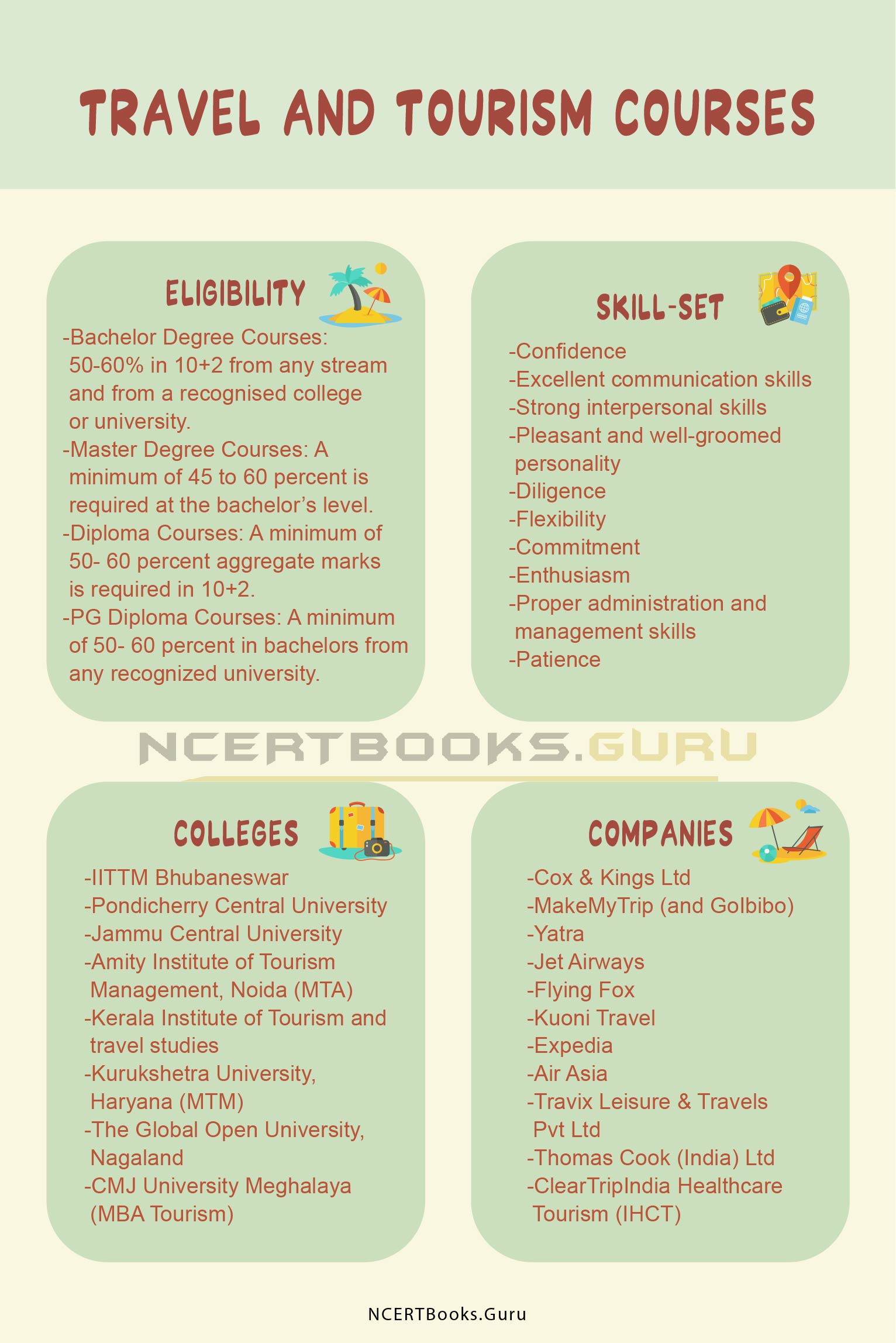
For anyone who loves the idea of seeing the world but feels held back by uncertainty, a travel course can be a game-changer. It’s not just for those looking to become a professional destination specialist or tour guide; it’s for anyone who wants to unlock their potential as an independent, informed, and respectful traveler. There are so many options out there now, from intensive programs focused on specific regions or skills like sustainable travel, to broader courses covering general travel planning. Some even delve into niche areas like travel writing or advanced travel photography, allowing you to combine your passions.
When considering a travel course, think about what you want to achieve. Do you want to overcome travel anxiety? Learn to budget effectively? Understand cultural nuances? Or perhaps even explore a travel career path? Research the curriculum, look at reviews, and see if the instructors have real-world experience. An online travel course offers incredible flexibility, allowing you to learn at your own pace, from anywhere in the world. Some are self-guided, while others offer live sessions and direct interaction with instructors and fellow students.
It’s an investment, yes, but one that pays dividends in countless ways. It’s an investment in your confidence, your knowledge, and ultimately, in the richness of your life experiences. The world is a vast, beautiful, and sometimes bewildering place. A travel course doesn’t remove all the unknowns, but it equips you with a compass, a map, and a sturdy pair of boots to navigate it. It teaches you not just how to travel, but how to travel well – with curiosity, respect, and a readiness for whatever adventure lies around the next corner. My dreams of travel are no longer just dreams; they are plans, itineraries, and vivid memories waiting to be made, all thanks to that decision to enroll and truly learn the art of exploration.