
I remember staring at my reflection in the window one chilly autumn evening, a mug of lukewarm coffee clutched in my hand. Outside, the world was bustling, people rushing to places I couldn’t quite imagine for myself. Inside, I felt a peculiar kind of stagnation. My job, while stable, had become a comfortable rut. The spark I once had, the eagerness to learn and grow, seemed to have faded into the background noise of daily routines. It wasn’t unhappiness, not exactly, but a quiet, persistent yearning for something more, something new, something that would make me feel truly engaged again.
That evening marked the beginning of a quiet revolution in my life, sparked by a simple question I typed into a search bar: "How to learn new skills for career change?" What unfolded before me wasn’t a list of traditional university degrees, which felt too daunting and time-consuming at that stage, but something called "certification courses." The phrase itself sounded official, important, and a little intimidating, but as I delved deeper, I began to see a glimmer of possibility.
Now, if you’re anything like I was, you might be wondering, "What exactly are these certification courses, and why should I care?" Well, let me tell you from my own experience. Imagine a focused, intensive training program designed to teach you a specific set of skills or knowledge that is highly valued in a particular industry. Unlike a broad university degree that gives you a wide academic foundation, a certification course is like a laser beam, cutting straight to the practical competencies you need to do a specific job or perform a specific task exceptionally well. It’s about demonstrating a proven ability, recognized by employers and peers, that you possess a certain level of expertise in a specialized area.
My first dive into this world was almost accidental. I’d always been fascinated by organization and problem-solving, and found myself increasingly drawn to the idea of managing projects, even small ones, more effectively. That’s when I stumbled upon the concept of project management certification. The idea of learning a structured approach to planning, executing, and closing projects, regardless of their nature, felt incredibly appealing. It wasn’t just about getting a piece of paper; it was about acquiring a toolkit of practical methods that I could apply immediately, whether at my current job or a future one.
The initial research was a bit overwhelming, I won’t lie. There were so many options, so many different certifications promising different outcomes. It felt like trying to pick a single star out of a galaxy. My advice, based on my own learning curve, is to start with introspection. What genuinely interests you? What problems do you enjoy solving? What kind of work makes you feel alive? For me, it was the structured chaos of bringing an idea to life. For you, it might be the intricacies of coding, the art of digital storytelling, the precision of data analysis, the empathy of healthcare support, or the hands-on skill of a trade.
Once I had a clearer idea, I began to narrow down my choices. I looked at industry relevance: which certifications were most recognized and respected by employers in the fields I was eyeing? I checked out the prerequisites: did I have enough foundational knowledge, or would I need to do some preliminary learning? And crucially, I considered the learning format: would it be online, in-person, self-paced, or instructor-led? As someone juggling a full-time job, the flexibility of an online, self-paced course was a lifesaver. It meant I could study in the quiet hours after work, or on weekends, without sacrificing my existing commitments.
Embarking on my first certification journey was exhilarating and, at times, incredibly challenging. I remember those late nights, hunched over my laptop, trying to wrap my head around complex methodologies and jargon. There were moments of doubt, moments when I questioned whether I was smart enough, dedicated enough, to see it through. But then, something wonderful started to happen. The concepts, initially abstract, began to click into place. I started seeing parallels between the course material and my daily work, realizing how I could apply these new frameworks to make things run smoother, even in my current role.
The instructors, though virtual, were incredibly supportive. They weren’t just delivering information; they were sharing their real-world experiences, offering practical insights that brought the theories to life. The online forums became a surprising source of camaraderie. Connecting with fellow learners from different backgrounds, all on their own unique journeys, created a sense of community. We shared tips, commiserated over tricky questions, and celebrated small victories together. It was a reminder that even when you’re learning independently, you’re never truly alone.
One of the biggest eye-openers for me was the sheer practicality of the learning. This wasn’t about memorizing facts for an exam and then forgetting them. This was about doing. Many certification programs incorporate hands-on exercises, case studies, and simulations that mimic real-world scenarios. For my project management course, I had to create detailed project plans, risk assessments, and communication strategies. It forced me to think critically, to apply the theories, and to troubleshoot problems before they became real-life headaches. This experiential learning cemented the knowledge in a way that passive listening never could.
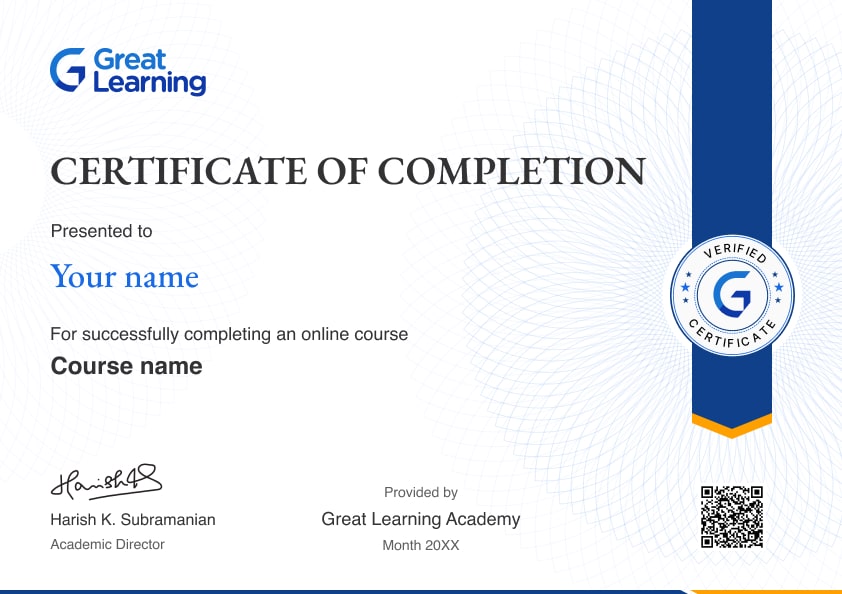
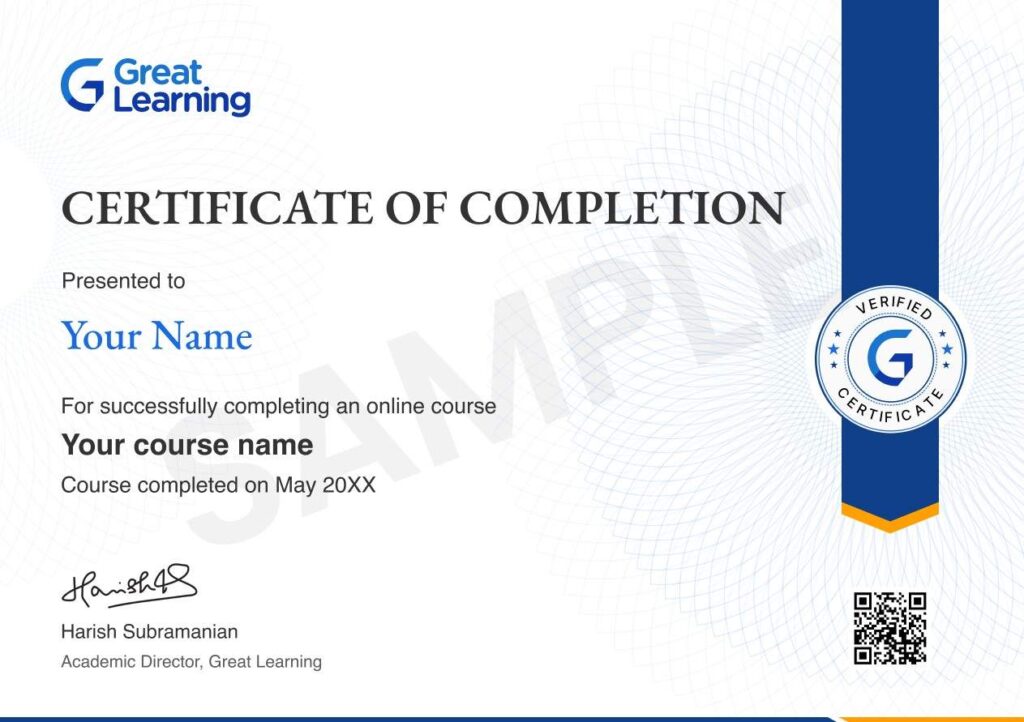
The day I passed my first certification exam was a blur of nervous energy followed by an immense wave of relief and pride. It wasn’t just a certificate; it was tangible proof of my dedication, my capability, and my newly acquired skill set. That little digital badge felt like a superhero emblem, a mark of a new beginning.
And indeed, it was a new beginning. Armed with my certification, I felt a renewed sense of confidence. I started looking at job descriptions with fresh eyes, no longer feeling intimidated by the "required skills" section. I updated my resume, proudly listing my new credential. During interviews, I wasn’t just talking about my past experiences; I was speaking with authority about structured methodologies, best practices, and strategic approaches, all thanks to what I’d learned. It wasn’t long before I landed a role that perfectly leveraged my new skills, a role that was challenging, engaging, and genuinely exciting.
But my journey didn’t stop there. The world of work is constantly evolving, and what’s cutting-edge today might be commonplace tomorrow. My initial success ignited a passion for continuous learning. I realized that certifications aren’t just about landing your first job or making a career switch; they’re about staying relevant, expanding your expertise, and opening doors to even more advanced opportunities.
After a few years in my new role, I noticed a growing demand for digital marketing skills. My company was increasingly focused on online presence, and I found myself curious about how businesses connected with their audiences in the digital realm. So, I embarked on another certification journey, this time focusing on digital marketing. It was a completely different beast, diving into search engine optimization (SEO), social media strategy, content creation, and analytics. Again, the practical, hands-on approach of the course was invaluable. I wasn’t just learning about Facebook ads; I was learning how to create and optimize them. I wasn’t just reading about SEO; I was learning how to research keywords and improve website visibility.
This second certification reinforced a crucial lesson: the beauty of these programs lies in their adaptability. Whether you’re a recent graduate looking to gain a competitive edge, a seasoned professional aiming to upskill or reskill, a stay-at-home parent returning to the workforce, or simply someone like me who felt a bit stuck and yearned for a fresh challenge, there’s a certification course out there for you.
Think about it:
- For the tech-savvy: IT certifications in cloud computing, cybersecurity, data science, or software development can launch or accelerate a high-demand career.
- For the creative mind: Digital marketing, graphic design, content writing, or UX/UI design certifications can transform a hobby into a profession.
- For the helper: Healthcare assistant, medical coding, or counseling support certifications open pathways in vital service industries.
- For the hands-on individual: Vocational certifications in welding, electrical work, plumbing, or automotive repair offer concrete, marketable skills.
- For the organizer: Project management, business analysis, or supply chain management certifications are valuable across almost every sector.
The market for these specialized skills is booming. Employers aren’t just looking for degrees anymore; they’re actively seeking individuals who can demonstrate practical competence and a commitment to professional development. A certification tells them you’re not just interested; you’re invested. It signals that you’ve gone the extra mile to acquire specific, verifiable skills that can contribute directly to their bottom line.
If you’re considering taking the leap, here are a few things I learned along the way that might help you on your own journey:
- Do Your Homework (Thoroughly!): Don’t just pick the first certification you see. Research different providers, read reviews, compare course content, and understand the exam format. Look for industry-recognized certifications that carry weight with employers. Websites like LinkedIn, industry association pages, and even job boards can give you clues about what skills are currently in demand.
- Align with Your Goals: Be clear about why you want the certification. Is it for a career change, a promotion, to fill a skill gap, or simply personal enrichment? Having a clear goal will keep you motivated when the going gets tough.
- Assess the Time and Financial Commitment: Be realistic about how much time you can dedicate to studying each week. Some certifications require hundreds of hours of study. Factor in course fees, exam costs, and any required study materials. It’s an investment, but a worthwhile one if chosen wisely.
- Leverage Your Network: Talk to people already working in the field you’re interested in. Ask them which certifications they value, what challenges they face, and what advice they have for newcomers. Their insights can be invaluable.
- Embrace the Process: Learning isn’t always linear. There will be days you feel brilliant and days you feel completely lost. That’s normal. Celebrate small victories, don’t be afraid to ask questions, and remember why you started.
- Practice, Practice, Practice: Many certifications have challenging exams. Don’t just read the material; actively engage with it. Do practice questions, work through case studies, and try to apply what you’re learning to real-world scenarios.
- Don’t Stop at the Certificate: Once you’ve earned your certification, don’t just put it on a shelf. Actively seek opportunities to apply your new skills. Volunteer for projects, offer to help colleagues, or even start a personal project that utilizes what you’ve learned. The more you use your skills, the more proficient and confident you’ll become.
- Network, Network, Network: Connect with other certified professionals. Join industry groups, attend webinars, and engage in online communities. Networking can open doors to new opportunities, mentorship, and continued learning.
Looking back, that chilly autumn evening marked a turning point. The decision to explore certification courses wasn’t just about gaining new skills; it was about rediscovering my potential, rekindling my curiosity, and taking an active role in shaping my own future. It taught me that learning isn’t just for classrooms or specific periods of our lives; it’s a lifelong adventure, a continuous path of growth and self-discovery.
So, if you’re standing at your own window, feeling that quiet yearning for something more, consider taking a look at the world of certification courses. It might just be the path less traveled that leads you exactly where you need to be. It certainly did for me.