
I remember a time, not so long ago, when the path ahead felt like a dense fog. Everyone around me seemed to be talking about university, about four-year degrees, about the grand academic halls. And while there’s absolutely nothing wrong with that journey, it just didn’t quite resonate with the beat of my own drum. I was restless, eager to get my hands dirty, to learn something tangible, something that would connect directly to a job, rather than spending years pondering abstract theories. It was in this swirling mist of uncertainty that I stumbled upon the idea of a diploma course, and let me tell you, it felt like finding a secret garden gate.
For many, especially those just starting to peek into the vast world of post-secondary education, the term "diploma course" might sound a bit vague. Is it like a mini-degree? Is it just for trades? Does it even count? These were some of the questions buzzing in my own head. But as I started digging, talking to people, and looking at programs, a clearer picture began to emerge. A diploma course, at its heart, is a focused, practical, and often shorter educational program designed to equip you with specific skills for a particular industry or job role. Think of it as a laser-guided missile for your career aspirations, rather than a broad-spectrum exploration.
It’s about getting down to business. While a university degree often provides a wide-ranging theoretical foundation, encouraging critical thinking across various disciplines, a diploma program zooms in. It says, "Okay, you want to be a web designer? Here are the exact tools, coding languages, and design principles you’ll need, and we’re going to practice them until they’re second nature." Or, "You’re passionate about hospitality? Let’s get you into a kitchen, teach you service etiquette, and show you how a hotel actually runs." This immediate applicability was incredibly appealing to me, someone who craved a direct link between learning and doing.
My own journey started with a fascination for digital marketing. I loved the idea of understanding how businesses connect with people online, how websites work, and how stories are told through various digital channels. A traditional marketing degree felt like it would take too long to get to the core of what I wanted to learn. I found a diploma program that promised to turn me into a digital marketing specialist in just a year and a half. The curriculum was packed: social media strategies, search engine optimization (SEO), content creation, email marketing, analytics – you name it. It wasn’t just lectures; it was workshops, real-world case studies, and projects where we built actual campaigns for small businesses.
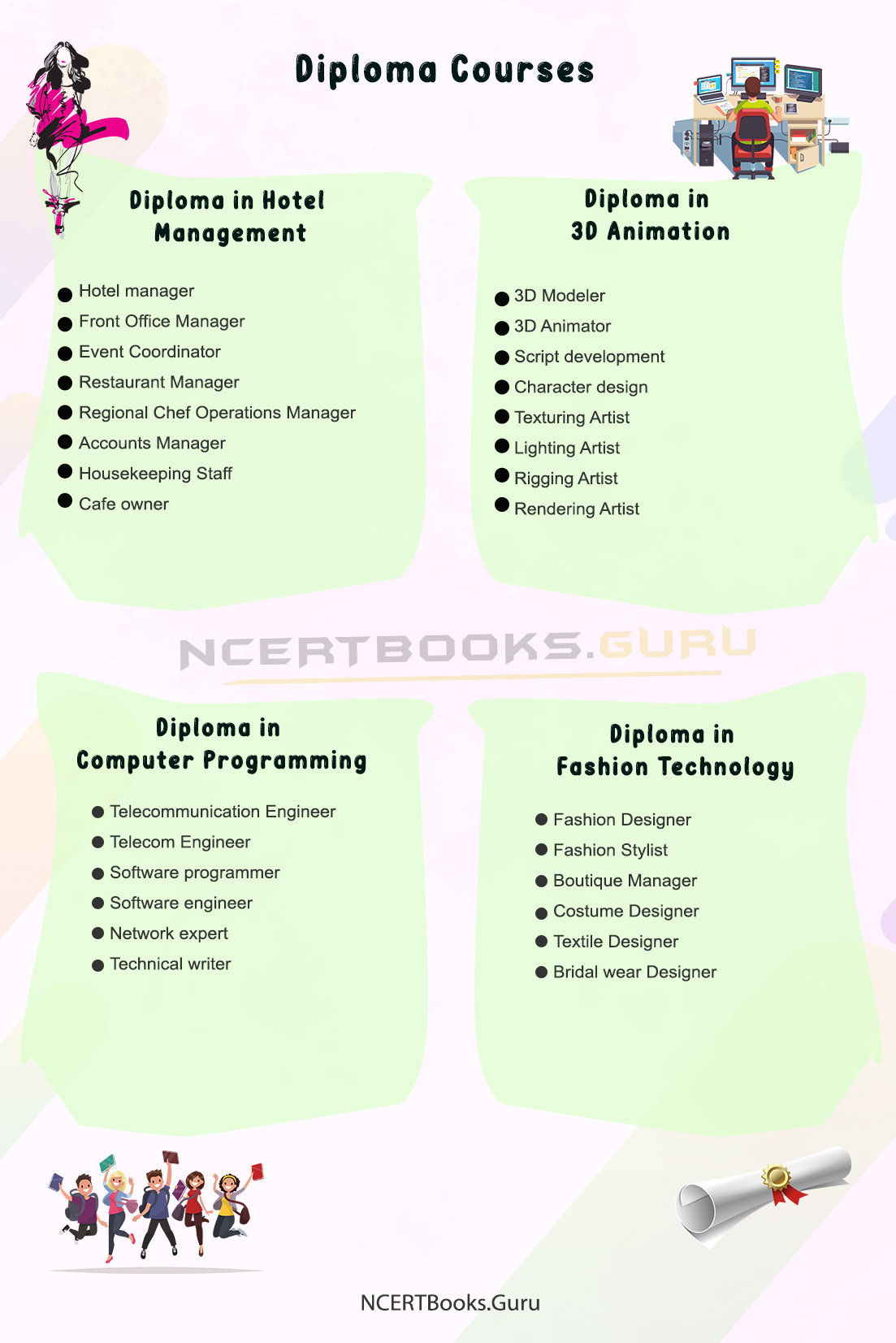
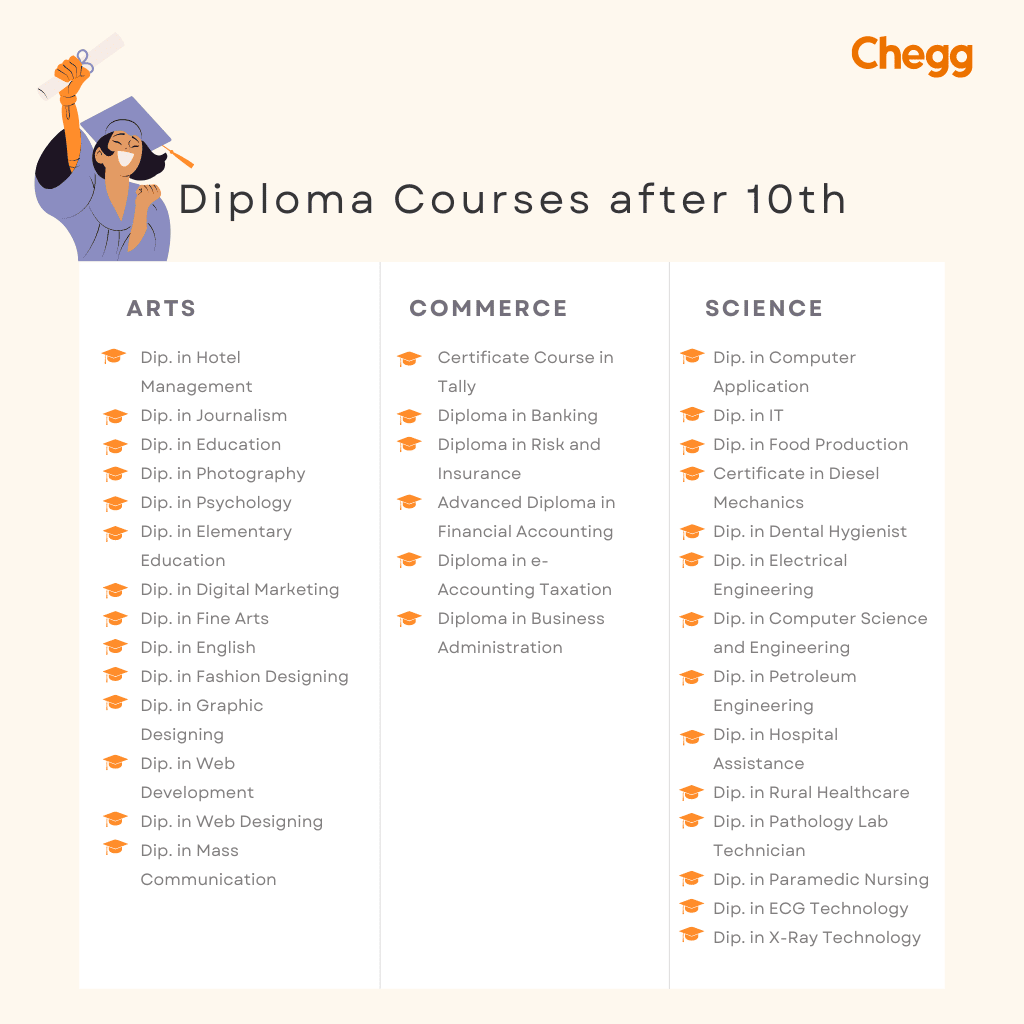
Choosing the right diploma course is a big step, and it requires a bit of soul-searching. It’s not just about what sounds interesting, but what genuinely sparks your curiosity and aligns with your strengths. I remember sitting down with a pen and paper, listing things I enjoyed doing, skills I naturally possessed, and areas where I wanted to grow. I looked at the job market, too. What industries were growing? Where were the opportunities? It’s a balance between passion and practicality. For someone else, it might be culinary arts, healthcare support, information technology, graphic design, early childhood education, or even plumbing or electrical work. The beauty of diploma courses is their sheer variety, catering to a vast spectrum of talents and ambitions.
Once I enrolled, the pace was invigorating. It wasn’t like high school, where subjects often felt disconnected. Here, everything built upon itself, each module a piece of a larger puzzle. Our instructors weren’t just academics; many were industry professionals who brought their current experiences, challenges, and successes right into the classroom. They spoke the language of the workplace, shared anecdotes about client meetings gone wrong or campaigns that went viral, and offered insights that no textbook could ever capture. This direct connection to the professional world was invaluable. It wasn’t just learning about something; it was learning from someone who was actively doing it.
The learning style itself was a revelation. Gone were the days of endless theoretical essays and abstract discussions that sometimes felt disconnected from reality. Instead, our days were filled with practical exercises. In my digital marketing program, we spent hours optimizing mock websites, designing social media graphics, writing ad copy, and analyzing data reports. It was hands-on, collaborative, and often challenging, but always rewarding. I vividly recall a project where we had to develop a complete digital marketing strategy for a fictional coffee shop. We researched target audiences, created social media calendars, even designed mock ads. It felt like playing a very serious, very educational game, and at the end of it, we had a tangible portfolio piece to show for our efforts.
This focus on practical application is, in my opinion, the superpower of diploma courses. Employers aren’t just looking for someone who knows what something is; they’re looking for someone who knows how to do it. When I eventually started interviewing for jobs, I wasn’t just talking about theories; I was showing examples of campaigns I had worked on, strategies I had developed, and results I had helped achieve, even if they were for classroom projects. This ability to demonstrate practical skills right out of the gate is a significant advantage in today’s competitive job market. It tells potential employers, "I’m ready to contribute from day one."
The networking opportunities were another unexpected bonus. My classmates came from diverse backgrounds – some fresh out of high school, others looking for a career change, and even a few who were already working but wanted to specialize. This mix of experiences enriched our discussions and projects. We formed study groups, helped each other troubleshoot problems, and even shared job leads. Beyond that, the college itself often facilitated connections with local businesses through internships, guest speaker events, and career fairs. I met mentors, industry veterans, and future colleagues, all before I even received my certification. These connections often turn out to be just as important as the skills you learn.
One of the most appealing aspects of a diploma course is often its duration. While a bachelor’s degree typically takes three to four years, many diploma programs can be completed in one to two years, and some specialized ones even less. This shorter timeframe means a quicker entry into the workforce and often a lower overall financial investment. For someone like me, who was eager to start earning and applying my skills, this was a huge factor. It meant I could gain specialized knowledge, build a professional network, and start my career journey without the long-term commitment that a traditional university path often demands.
Of course, it’s natural to wonder about career prospects after completing a diploma. This was a big question for me, and one I often heard from others. The truth is, the job market values practical skills immensely. In many industries, a well-regarded diploma from a reputable institution can open doors just as effectively, if not more so, than a general degree. Think about the healthcare sector, where medical assistants, dental hygienists, and pharmacy technicians often enter the field with diplomas. Or the trades, where skilled electricians, welders, and HVAC technicians are always in high demand. In the tech world, web developers, cybersecurity analysts, and IT support specialists often begin their careers with specialized diploma or certificate programs.
My own experience reinforced this. Before I even officially graduated, I had already secured an internship that quickly turned into a full-time position. My employers weren’t just impressed with my theoretical understanding; they were excited by my ability to immediately jump in and contribute to their ongoing digital campaigns. I was already familiar with the tools, the terminology, and the workflow. This rapid transition from student to professional was incredibly empowering and confirmed that I had made the right choice.
It’s also important to understand that a diploma is not a dead end; it’s often a springboard. Many diploma holders choose to enter the workforce, gain valuable experience, and then, if they wish, pursue further education. Some colleges have articulation agreements with universities, allowing diploma credits to transfer towards a bachelor’s degree, often in a related field. Others might pursue advanced diplomas, specialized certifications, or even go back to school for a degree once they have a clearer sense of their career direction and financial stability. It’s about building a foundation and then deciding where to build next. The beauty is in the flexibility.
There’s a common misconception that diploma courses are somehow "lesser" than degrees. I’ve heard it said that they’re only for people who "can’t get into university" or for "less intellectual" pursuits. This couldn’t be further from the truth. Diploma programs demand dedication, intelligence, and a strong work ethic. They require you to master specific skills, solve real-world problems, and stay current with industry trends. The focus is different, yes, but the rigor and value are undeniable. In fact, for many hands-on, technical, or specialized roles, a diploma can often be more directly relevant and valuable to an employer than a general degree.
The confidence that comes with mastering a tangible skill set is profound. I remember feeling a sense of accomplishment with every new tool I learned, every project I completed, and every successful campaign I helped execute. It wasn’t just about getting a piece of paper; it was about truly understanding how something worked, and knowing that I could replicate that success in a professional setting. This practical competence translates into self-assurance, which is an invaluable asset in any career.
For anyone standing at that crossroads, pondering their next educational step, I would wholeheartedly encourage you to look beyond the obvious paths. Do your research. Explore the world of diploma courses. Think about what truly excites you, what practical skills you want to acquire, and what kind of career you envision for yourself. Visit colleges, talk to current students, and speak with instructors. Ask about job placement rates, internship opportunities, and alumni success stories.
The educational landscape is constantly evolving, and the value of specialized, practical training is more recognized than ever before. A diploma course offers a direct, efficient, and highly effective route to gaining the skills needed to thrive in today’s workforce. It was the secret garden gate for me, leading to a fulfilling career and a strong sense of purpose. It might just be that gateway for you too, opening up a world of possibilities you hadn’t even considered. Don’t let traditional notions limit your exploration; sometimes, the path less traveled leads to the most rewarding destinations.