
I remember standing at a crossroads in my life, feeling a peculiar blend of restlessness and trepidation. The world around me was hurtling forward, seemingly powered by unseen gears and intricate circuits, while I felt like I was still navigating with a compass and map in an era of GPS. My career, though stable, had begun to feel like a well-worn path leading to an increasingly predictable horizon. There was a gnawing sense that I was missing something crucial, a fundamental understanding of the forces shaping our modern existence. That feeling, persistent and undeniable, was the first whisper that led me to consider a technical skills course.
It wasn’t an immediate revelation. For a long time, the phrase "technical skills" conjured images of complex mathematics, cryptic lines of code, and an almost mythical intelligence that I feared I simply didn’t possess. My background was in something entirely different, something more human-centric, less logic-driven. But the digital tide was rising, and I could see its impact everywhere – in how we communicate, how we shop, how businesses operate. I knew, deep down, that to remain relevant, to truly thrive, I needed to learn to swim with that tide, not against it.
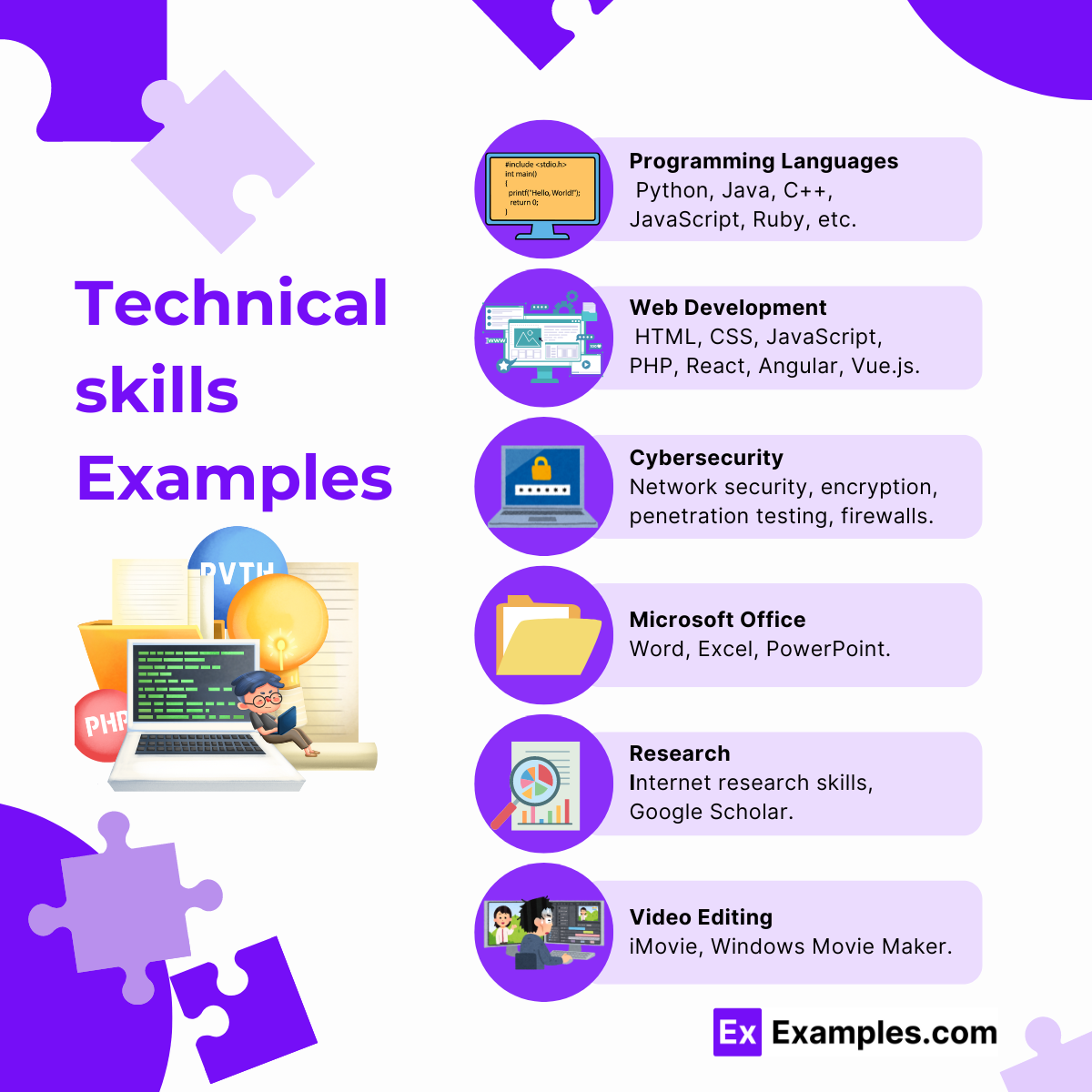
The decision wasn’t just about a job, though career advancement was certainly a motivator. It was about empowerment. It was about understanding the language of the future, about being able to build, create, and innovate in ways I couldn’t even imagine then. So, with a deep breath and a healthy dose of skepticism about my own abilities, I started looking. I scoured the internet, talked to friends who had made similar leaps, and devoured articles about what "technical skills" actually meant in today’s landscape. Was it coding? Data analysis? Cybersecurity? Web design? The options felt overwhelming, a vast ocean of specialized knowledge.
What truly resonated with me, after weeks of research, was the idea of a comprehensive technical skills course – something that wasn’t just a quick tutorial but a deep dive, a structured journey. I wasn’t looking for a magic bullet, but a sturdy foundation. I wanted mentors, a community, and projects that would challenge me to apply what I learned. I finally settled on a program that promised to take complete beginners and guide them through the essentials of web development, from the very first lines of HTML to the complexities of server-side logic. It felt like a monumental leap, akin to deciding to climb a mountain when you’ve only ever hiked gentle hills.
The first day of the course was a blur of nervous excitement. I remember the quiet hum of laptops, the focused faces around me, and the friendly, yet firm, voice of our instructor. He spoke not just about code, but about problem-solving, about breaking down big challenges into smaller, manageable pieces. That perspective immediately put me at ease. It wasn’t about being a genius; it was about being a persistent, methodical thinker. My initial apprehension slowly gave way to a burgeoning sense of curiosity.
We started with the absolute basics: HTML, the skeleton of a webpage. I learned about tags, elements, and attributes. Each successful line of code, each small change that appeared on my browser screen, felt like a tiny victory. Then came CSS, the style and personality of a page. Suddenly, what was once a plain structure could be vibrant, organized, and beautiful. I recall spending hours tinkering with colors, fonts, and layouts, feeling like a digital artist. It was a tangible creation, something I had built from scratch with my own two hands, or rather, with my own two hands typing furiously on a keyboard.
But the journey wasn’t all smooth sailing. There were moments of profound frustration. I remember one particularly stubborn bug in a CSS file that made a simple button refuse to center. I spent an entire evening staring at the screen, re-reading my code, comparing it to examples, my mind a tangled mess of curly braces and semicolons. It was only after a good night’s sleep and a fresh pair of eyes that morning that I spotted a tiny, misplaced comma. The relief was immense, almost physical. It taught me a crucial lesson: debugging isn’t just about finding errors; it’s about patience, attention to detail, and sometimes, knowing when to step away.
Then came JavaScript. Oh, JavaScript! This was where things truly began to feel alive. HTML provided the structure, CSS provided the looks, but JavaScript, our instructor explained, was the brain, the interactivity. It allowed webpages to respond to clicks, fetch data, and perform dynamic actions. This was a steeper climb. Concepts like variables, functions, and loops felt abstract at first. I struggled with the logic, often feeling like I was trying to speak a foreign language without a dictionary. There were days when I felt utterly defeated, convinced I wasn’t cut out for it.
What kept me going was the support system built into the course. Our instructors were always there, not just to provide answers, but to guide us towards finding them ourselves. They encouraged pair programming, where two of us would tackle a problem together, one typing, the other thinking aloud. This collaborative approach was invaluable. I learned as much from my peers’ questions and insights as I did from the lessons themselves. We celebrated each other’s small victories and commiserated during shared struggles. That sense of community transformed what could have been an isolating experience into a shared adventure.
As the weeks turned into months, my understanding deepened. I moved from building static web pages to creating interactive applications. I learned about front-end frameworks like React, which felt like a superpower, allowing me to build complex user interfaces with greater efficiency. Then came the backend: databases, servers, and APIs. This was another mind shift, learning how the client-side (what you see in your browser) communicates with the server-side (where the data lives and operations happen). It was like learning about the plumbing and electrical systems of a house after only ever appreciating its facade.
Building my first full-stack application was a monumental achievement. It was a simple task manager, but to me, it was a universe. I designed the user interface, wrote the code to handle user input, stored the tasks in a database, and retrieved them when needed. Seeing it all come together, from an idea in my head to a functional piece of software that I could interact with, was an incredibly empowering moment. It wasn’t just about knowing how to code; it was about knowing how to build. It transformed me from a passive consumer of technology into an active creator.
The course wasn’t just about coding languages; it also introduced me to vital concepts like version control with Git, which felt like a safety net for my code, allowing me to track changes and collaborate effectively. We learned about deployment, taking our applications from our local machines and putting them out onto the internet for the world to see. Each new tool, each new concept, added another layer to my understanding, another piece to the puzzle.
Beyond the technical specifics, the course instilled in me a mindset of continuous learning. Technology evolves at a dizzying pace, and what’s cutting-edge today might be commonplace tomorrow. Our instructors emphasized the importance of staying curious, of constantly seeking new knowledge, and of embracing challenges as opportunities for growth. They taught us how to effectively use documentation, how to search for solutions, and how to learn independently – skills that are perhaps even more valuable than any specific programming language.
As the course neared its end, the focus shifted to portfolio building and career preparation. We refined our projects, practiced technical interviews, and learned how to articulate our newfound abilities. The person who walked into that classroom on day one, feeling overwhelmed and uncertain, was now confident, equipped with a robust skillset and a portfolio of tangible work. I had not only learned to code, but I had learned how to learn, how to persevere, and how to collaborate.
Stepping out of the course and into the professional world felt like opening a new chapter. The technical skills I had acquired were immediately applicable. I found myself understanding conversations that once felt like a foreign tongue. I could contribute to projects in ways I never thought possible. My career path, which once seemed so linear, now branched out into exciting new directions. I was no longer just observing the digital world; I was actively participating in its construction.
The impact of that technical skills course extended far beyond my professional life. It changed how I approach problems, how I think critically, and how I embrace challenges. It boosted my confidence in an unexpected way, proving to me that with dedication and the right guidance, I could master complex subjects that once seemed impenetrable. It opened my eyes to the sheer creative potential that lies within technology, and how it can be harnessed to solve real-world problems.
For anyone standing at their own crossroads, feeling that familiar restlessness, that urge for something more, I wholeheartedly recommend exploring a technical skills course. It’s an investment not just in your career, but in yourself. It might feel daunting at first, like trying to learn a whole new language or navigate an uncharted territory. But remember, every expert was once a beginner. The journey will be filled with moments of frustration, certainly, but also with incredible breakthroughs, exhilarating discoveries, and a profound sense of accomplishment.
Look for a program that offers strong mentorship, a supportive community, and hands-on projects. Be prepared to dedicate time and effort. Embrace the challenges, celebrate the small victories, and never be afraid to ask for help. The world needs more problem-solvers, more creators, more individuals who understand the underlying mechanics of our digital age. Your journey through a technical skills course won’t just teach you new abilities; it will transform your perspective, empower your future, and open up a universe of possibilities you never knew existed. It certainly did for me, and I wouldn’t trade that experience for anything. It was truly the path less traveled that made all the difference.