
I remember a time, not so long ago, when the phrase "customer service" felt like a polite but somewhat tedious necessity. It was a box to tick, a department to manage, something you did to customers rather than with them. My business was growing, which was fantastic, but I started noticing a subtle chill in the air. Clients weren’t complaining outright, but the warmth, the genuine connection I once felt, seemed to be fading. Repeat business wasn’t as robust as it should have been, and testimonials, while positive, lacked that spark of genuine delight. It was like serving a perfectly cooked meal without any seasoning – good, but forgettable. That’s when I stumbled upon the idea of a customer course, and let me tell you, it wasn’t just a course; it was an awakening.
I wasn’t looking for a magic bullet, but rather a compass. My days were a whirlwind of product development, marketing campaigns, and endless emails. Customer interactions often felt like interruptions, quick fixes, or opportunities to upsell. I thought I knew my customers; I had their demographics, their purchase history, their feedback surveys. But the customer course taught me that knowing about them is miles apart from truly understanding them. It was less about data points and more about human connection, about stepping into their shoes and seeing the world from their perspective.
My journey began with a simple, yet profound, concept: empathy. I always considered myself an empathetic person, but the course pushed me to truly practice it in a business context. It wasn’t just about saying, "I understand." It was about active listening, about hearing the unsaid, about deciphering the frustration behind a polite email or the urgency in a seemingly casual question. We did exercises where we role-played difficult customer scenarios. I played the part of a customer with a genuine grievance, and then, switching roles, I had to respond not just with a solution, but with genuine understanding and validation. It felt awkward at first, like learning a new language, but with each session, the words started to flow more naturally, and more importantly, the feelings started to connect.
One of the biggest eye-openers for me was learning the art of communication beyond just words. It sounds obvious, right? But think about it. In the digital age, so much of our interaction happens through text. Emails, chat messages, social media comments – they lack tone, inflection, and body language. The customer course meticulously broke down how to convey warmth, sincerity, and professionalism even through written communication. It taught me the power of a well-placed emoji (used sparingly and appropriately, of course!), the importance of structuring a message to be clear and concise, and how to apologize genuinely without sounding defensive. I learned to read between the lines of a terse message and how to craft responses that diffused tension rather than escalating it. It was like being given a secret decoder ring for the internet’s sometimes-cold communication landscape.
Then came the module on problem-solving, which, I admit, I thought I already had a handle on. After all, I solve problems all day long! But the course reframed it. It wasn’t just about fixing the immediate issue; it was about understanding the root cause and preventing future occurrences. We explored frameworks for systematic problem identification, techniques for collaborative problem-solving with customers, and the often-overlooked step of following up. I remember one particular case study where a company repeatedly fixed the same software bug for different customers without ever realizing it was a widespread issue stemming from a single, larger flaw. The course hammered home the idea that every customer interaction, especially a problematic one, is a data point, an opportunity to learn and improve not just for that individual, but for your entire customer base.
Building relationships was another cornerstone. I used to think relationships were for personal life, not for business. Business was transactional. But the course showed me that the most successful businesses are built on trust, respect, and genuine connection. It wasn’t about being overly friendly or unprofessional; it was about consistency, reliability, and showing that you value the customer beyond their wallet. We discussed strategies for remembering customer preferences, celebrating their milestones (where appropriate), and providing proactive support rather than just reactive responses. It felt less like a sales tactic and more like cultivating a community around my brand. This shift in perspective was monumental. Instead of just selling a product, I began to see myself as a partner in my customers’ success.
The course didn’t shy away from the tough stuff either, like handling complaints and difficult customers. Before the course, my instinct was often to defend, to explain away, or sometimes, honestly, to just dread those interactions. The course provided a structured approach: listen, empathize, apologize (even if you’re not at fault, apologize for their experience), find a solution, and then follow up. It sounds simple, but the practice, the role-playing, and the deconstruction of real-world scenarios built my confidence. I learned that a complaint isn’t a personal attack; it’s feedback, often delivered poorly, but feedback nonetheless. And handling a complaint gracefully can turn a dissatisfied customer into your most loyal advocate. I started seeing complaints not as burdens, but as opportunities to demonstrate my commitment and strengthen relationships.
One of the most inspiring aspects was the emphasis on "going the extra mile." This wasn’t about throwing money at problems or offering endless discounts. It was about small, thoughtful gestures that showed I cared. A personalized thank-you note, a quick check-in call after a resolution, remembering a specific detail from a previous conversation. These little acts of kindness, the course explained, are what elevate a good customer experience to an exceptional one. They create "wow" moments that customers remember and talk about. I started implementing these small gestures, and the change was palpable. My inbox began filling with messages of gratitude, not just satisfaction. It felt amazing, not just for my business, but for me personally. It transformed what used to be a duty into a genuine pleasure.
Of course, the modern landscape also demands an understanding of digital customer service. The course dedicated significant time to this. How do you manage social media interactions? What’s the best practice for live chat? How do you maintain a consistent brand voice across all digital channels? It was an education in itself. I learned about the speed expectations of online customers, the transparency required on public platforms, and the importance of having a clear digital customer service strategy. It wasn’t just about responding quickly; it was about responding effectively and personally in a very public forum.
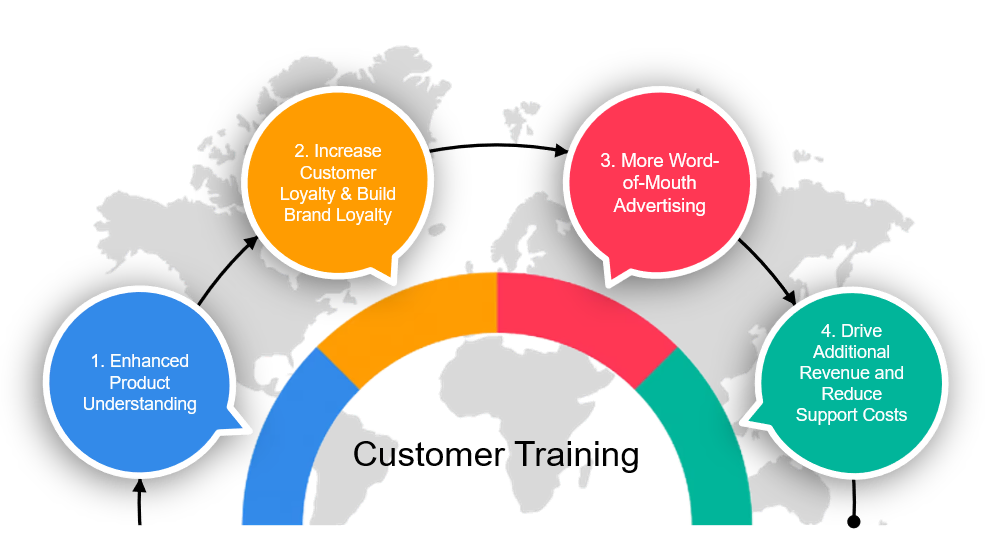
The impact of this customer course on my business was profound. Before, I had customers. Now, I have advocates. My repeat business soared, referrals became a significant source of new clients, and the testimonials I received were no longer just positive, they were glowing, filled with stories of how I (or my team, thanks to shared knowledge) went above and beyond. The atmosphere within my own team also shifted. We started communicating better internally, understanding that how we treat each other directly reflects how we treat our customers. It created a ripple effect of positive interaction throughout my entire operation. My stress levels decreased because I felt more equipped to handle any situation that arose, and my confidence in delivering an exceptional customer experience grew exponentially.
So, who should consider embarking on a customer course? Honestly, almost anyone. If you’re a small business owner, it’s absolutely essential. You are your customer service. If you’re part of a larger team, it provides invaluable tools to elevate your role and contribute meaningfully to your company’s success. If you’re an entrepreneur, understanding customer experience is as crucial as understanding your product. Even if you don’t directly interact with customers, understanding their journey helps you build better products and services. It’s for anyone who wants to build stronger relationships, foster loyalty, and create a truly memorable experience that sets them apart in a crowded marketplace. It’s not just about improving service; it’s about building a better business foundation.
When it comes to choosing the right customer course, my advice for beginners is to look for one that emphasizes practical application over pure theory. Seek out courses that include role-playing, case studies, and actionable strategies you can implement immediately. Read reviews, look for instructors with real-world experience, and consider the format that best suits your learning style – whether it’s an intensive workshop, an online self-paced course, or a blended approach. Don’t just focus on the cheapest option; invest in quality content that will genuinely transform your approach. Remember, this isn’t just about gaining a certificate; it’s about acquiring a fundamental skill set that will serve you and your business for years to come.
My journey didn’t end when the course finished. The biggest lesson was that customer experience is not a destination; it’s a continuous journey. The world changes, customer expectations evolve, and new technologies emerge. What I learned provided a strong foundation, a robust toolkit, but the commitment to continuous learning, to actively seeking feedback, and to always striving for improvement, that’s the real takeaway. I now regularly revisit my notes, seek out new articles, and discuss customer challenges with my team. It’s an ongoing conversation, a living, breathing part of my business philosophy.
In closing, if you’re feeling that subtle chill in your customer interactions, if you want to move beyond just satisfying customers to truly delighting them, if you’re ready to transform your business from transactional to relational, then a customer course might just be the most impactful investment you make. It certainly was for me. It didn’t just teach me how to serve customers better; it taught me how to understand people better, how to communicate more effectively, and ultimately, how to build a business that thrives on genuine connection. It was less about learning tricks and more about cultivating a mindset – a mindset of service, empathy, and unwavering dedication to those who choose to do business with you. And that, I’ve discovered, is the most powerful growth engine of all.