
Imagine standing at a crossroads in your career. Maybe you’re new to the world of selling, feeling overwhelmed by the sheer volume of advice and the pressure to perform. Or perhaps you’re a seasoned professional, hitting a plateau, sensing that what used to work isn’t quite cutting it anymore in today’s fast-paced market. You see others closing deals with seemingly effortless grace, building rapport instantly, and wondering, "What’s their secret?" That "secret" often isn’t magic; it’s rooted in structured learning, in the insights gained from a well-crafted sales course.
For many years, sales was seen as an innate talent – something you either had or you didn’t. People believed you were born a "natural" salesperson, possessing an irresistible charm and a silver tongue. While personality certainly plays a role, the truth is, sales is a skill, a craft, an art, and a science that can be learned, refined, and mastered by anyone with dedication. This realization is the first step on a truly transformative journey, a journey often best navigated with a comprehensive sales course.
Why Invest in a Sales Course? Beyond Raw Talent
Let’s be honest. Nobody wakes up knowing how to perfectly handle every objection, how to craft a compelling value proposition on the fly, or how to strategically manage a complex B2B sales cycle. These are learned behaviors, practiced techniques, and honed instincts. A sales course provides that structured environment, transforming raw enthusiasm into targeted effectiveness.
Think of it like this: A talented musician might have a natural ear for music, but they still need to learn scales, chords, and music theory to truly excel. A promising athlete has natural ability, but they rely on coaches and training programs to refine their technique and build endurance. Sales is no different. A good sales course acts as your coach, your mentor, and your training ground, giving you the playbook and the practice you need to succeed.
The modern sales landscape is more complex and demanding than ever. Customers are better informed, have more choices, and expect a personalized, value-driven experience. The days of aggressive, pushy selling are largely behind us. Today, successful selling is about building trust, solving problems, and creating lasting relationships. Without dedicated sales education, it’s easy to fall behind, to rely on outdated tactics that frustrate both you and your potential clients. Investing in professional sales training isn’t just about getting better at your job; it’s about future-proofing your career.
What You’ll Uncover in a Top Sales Course: A Curriculum for Success
The beauty of a well-designed sales course lies in its ability to break down complex processes into digestible, actionable steps. While specific curricula vary, most best sales training programs cover a core set of competencies essential for anyone looking to elevate their sales game.
-
Understanding the Customer: The Foundation of Every Sale
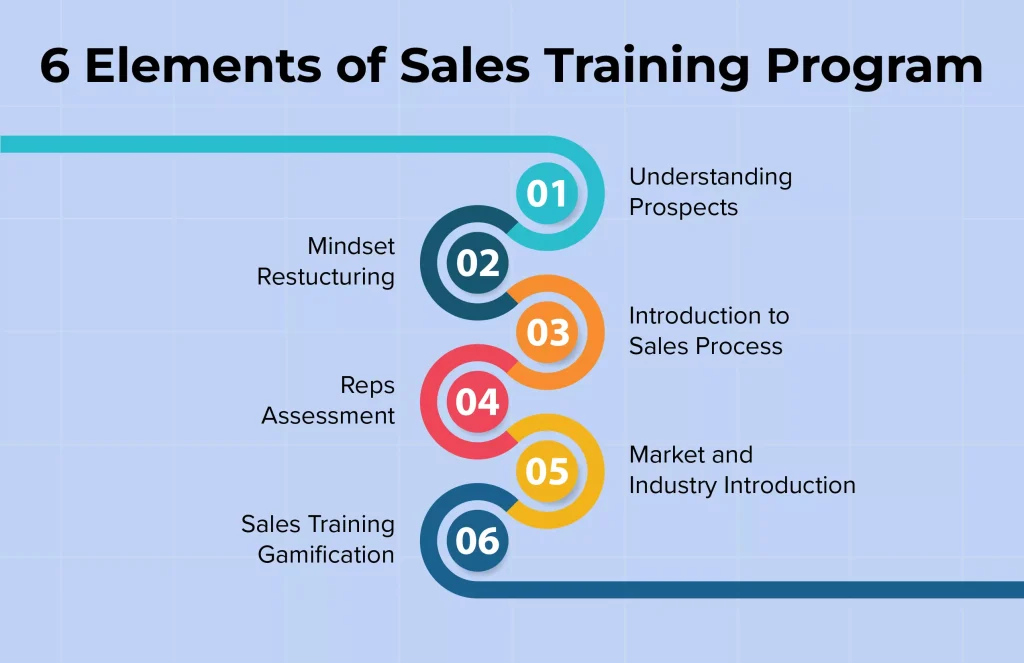
This isn’t just about knowing their name. It’s about deep empathy, active listening, and truly understanding their challenges, aspirations, and pain points. A good sales course teaches you how to ask the right questions, listen intently to the answers (and the unspoken cues), and uncover the true needs that your product or service can address. You’ll learn how to move beyond surface-level conversations and connect on a human level, building the trust that underpins every successful transaction. -
Prospecting and Lead Generation: Filling Your Pipeline with Potential
Every sale begins with a prospect. But how do you find the right people to talk to? A lead generation course within a broader sales course will equip you with the strategies and tools to identify, qualify, and approach potential clients effectively. You’ll learn about inbound and outbound techniques, leveraging social media, networking, and even traditional methods to build a robust pipeline. This is crucial; without a steady stream of qualified leads, even the most charismatic salesperson will struggle. -
Crafting Your Pitch: From Features to Solutions
Gone are the days of rattling off a list of features. Modern selling is about articulating value. A sales course helps you develop compelling narratives, transforming dry product specifications into stories of how you can solve a customer’s specific problem. You’ll learn the art of creating a strong value proposition, handling common objections with grace and confidence, and presenting your solution in a way that resonates deeply with the customer’s needs. This includes mastering the nuances of various sales methodology training, whether it’s solution selling, consultative selling, or another approach. -
Negotiation Skills: Achieving Win-Win Outcomes
Negotiation isn’t about winning at all costs; it’s about finding common ground and creating agreements that satisfy both parties. A dedicated negotiation skills course within your sales training will teach you tactics for understanding leverage, identifying priorities, managing expectations, and closing deals that feel fair and beneficial to everyone involved. This is a critical skill, not just for sales, but for life. -
Closing Techniques: Guiding the Customer to a Decision
This is often where many aspiring salespeople falter. They do all the hard work, build rapport, present value, but then hesitate at the crucial moment. A closing techniques training module demystifies this process, teaching you ethical and effective ways to ask for the business, recognize buying signals, and overcome final hesitations. It’s about confidently guiding the customer towards a positive decision, not pressuring them into one. -
Building Lasting Relationships: The Power of Follow-Up and Service
A sale isn’t the end; it’s often the beginning of a long-term relationship. A comprehensive sales course emphasizes the importance of post-sale follow-up, customer satisfaction, and turning clients into advocates. You’ll explore strategies for nurturing relationships, managing expectations, and even handling complaints gracefully. This aspect often ties into customer relationship management course material, showing you how to leverage CRM tools to maintain and grow your client base. -
Sales Technology and Digital Selling: Navigating the Modern Toolkit
In today’s interconnected world, technology is indispensable. A contemporary sales course will introduce you to the essential tools that streamline sales processes, from CRM (Customer Relationship Management) software to sales automation platforms. Digital sales training is no longer optional; it’s a necessity. You’ll learn how to leverage social selling, video conferencing, and other digital channels to connect with prospects and close deals, often with specific modules on CRM sales training. -
Advanced Strategies: Tailoring Your Approach
For those looking to specialize, many sales course offerings delve into more advanced areas. B2B sales training, for example, focuses on the unique complexities of selling to businesses, including understanding organizational structures, procurement processes, and longer sales cycles. Other advanced modules might cover strategic account management, key account development, or even sales management courses for those aspiring to lead a team. These advanced sales techniques are what truly differentiate a good salesperson from a great one.
Choosing the Right Sales Course for You: A Personalized Path
With an abundance of options available, selecting the perfect sales course can feel daunting. Here’s how to approach it:
-
Your Current Skill Level: Are you a complete beginner, needing foundational knowledge? Or are you an experienced professional looking for sales skills development in specific areas? Look for courses explicitly labeled "beginner," "intermediate," or "advanced." Many professional sales training programs cater to different experience levels.
-
Online vs. In-person: Online sales courses and virtual sales training offer incredible flexibility, allowing you to learn at your own pace from anywhere. This is ideal for busy professionals. In-person courses, while less flexible, often provide a more immersive experience, with direct interaction, networking opportunities, and immediate feedback from instructors and peers. Consider which learning environment best suits your style.
-
Certification Programs: For many, earning a sales certification adds a layer of credibility to their resume. These programs often involve assessments and demonstrate a recognized level of competence. They can be particularly valuable when seeking promotions or new employment opportunities.
-
Specialization: Do you sell a particular type of product or service? Some sales course options are industry-specific (e.g., real estate sales, software sales). Others might focus on specific roles, like sales management courses for those moving into leadership.
-
What to Look For in a Program:
- Instructor Experience: Who is teaching the course? Do they have real-world sales experience and a proven track record?
- Curriculum Depth: Does the course cover the topics you need? Is it practical and actionable?
- Reviews and Testimonials: What do past participants say about the course’s effectiveness?
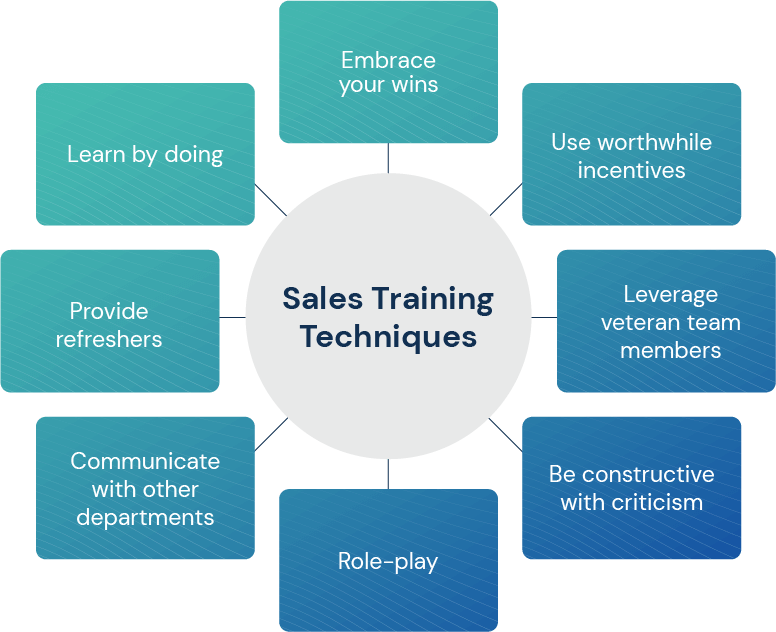
- Practical Exercises: Does the course offer opportunities to practice what you learn through role-playing, case studies, or simulations? Learning by doing is critical in sales.
- Support and Community: Does the course offer access to instructors for questions or a community forum for peer support?
- Cost vs. Value: While free sales courses can offer a taste of sales concepts, comprehensive, high-quality training often comes with a price tag. View this not as an expense, but as an investment in your future. The ROI from improved performance and higher earnings can quickly outweigh the initial cost. Look for top sales courses that demonstrate clear value.
The Profound Impact of Sales Education: Beyond the Bottom Line
The benefits of undertaking a dedicated sales course extend far beyond simply closing more deals.
-
Career Advancement and Increased Earning Potential: This is perhaps the most tangible benefit. With improved skills, you become a more valuable asset to any organization. This often translates into promotions, greater responsibilities, and, crucially, higher income. A strong sales education directly contributes to sales performance improvement.
-
Personal Growth and Confidence: Learning to communicate persuasively, handle rejection gracefully, and build genuine connections boosts your confidence not just in sales, but in all areas of life. You’ll become a more articulate, empathetic, and resilient individual.
-
Business Growth for Entrepreneurs: If you run your own business, you are the chief salesperson. A sales course provides you with the essential tools to attract clients, negotiate effectively, and grow your venture, even if "salesperson" isn’t your official title.
-
Adaptability and Staying Relevant: The world of sales is constantly evolving. What worked a decade ago might be obsolete today. Continuous sales skills development ensures you stay at the forefront of new methodologies, technologies, and customer expectations, making you adaptable and resilient to market changes.
Debunking Myths: Why Sales Training Isn’t Just for "Newbies"
Some common misconceptions prevent people from pursuing sales education:
- "Sales is just common sense." While common sense helps, effective selling involves specific strategies, psychological insights, and practiced techniques that go far beyond intuition.
- "It’s too expensive." Consider the cost of not investing in training: missed opportunities, lost deals, stagnant career growth. The return on investment (ROI) from a good sales course can be exponential.
- "Only new people need training." Even the most experienced professionals can benefit from refreshing their skills, learning advanced sales techniques, and adapting to new market realities. Lifelong learning is key to sustained success.
- "I’m not a ‘salesperson’ type." There isn’t one "type." Successful salespeople come from all backgrounds and personalities. What unites them is a commitment to understanding and serving their customers, a skill learned through dedicated training.
A Glimpse into the Future of Sales and Training
The sales landscape continues to evolve at a rapid pace. Artificial intelligence is beginning to assist with lead scoring and personalized outreach. Hyper-personalization, driven by data analytics, allows for incredibly tailored customer experiences. Ethical selling and transparency are becoming non-negotiable. A forward-thinking sales course will not only teach you current best practices but also prepare you for these future trends, ensuring you remain competitive and relevant.
Your Next Step on the Journey
The decision to enroll in a sales course is a commitment to yourself, your career, and your future. It’s an acknowledgment that mastery isn’t born overnight but built through intentional learning and consistent effort. Whether you choose an online sales course for flexibility, an immersive professional sales training program for deep dives, or a specialized B2B sales training module, the benefits are clear and profound.
Don’t let uncertainty hold you back. Explore the options, read reviews, talk to people who have taken similar courses. Find the sales course that resonates with your aspirations and needs. The journey to becoming a truly exceptional salesperson is within your reach, and it begins with that crucial first step towards structured learning. Unlock your potential, build your confidence, and transform your sales career – one learned skill at a time.