
I remember a time, not so long ago, when I felt like I was watching the world speed by from a stationary train. Everyone else seemed to be zipping towards exciting destinations, picking up new tickets, changing tracks, while I was stuck, just watching the landscape blur. My job was fine, my life was okay, but there was this nagging feeling, a quiet hum of dissatisfaction that grew louder each year. It wasn’t that I was unhappy, exactly, but I certainly wasn’t thriving. I wasn’t learning new skills, I wasn’t growing, and frankly, I was starting to feel a little… dusty.
That feeling, that quiet hum, eventually turned into a roar. It was around the time my company announced some internal restructuring. Suddenly, the comfort of "fine" evaporated, replaced by a chill of uncertainty. People around me started talking about "upskilling" and "reskilling," terms that sounded like something from a corporate jargon bingo card, but also held a kernel of truth. The world was changing, and I hadn’t changed with it. My existing skills, while perfectly adequate for my current role, weren’t going to cut it for the future. I saw colleagues, younger and more agile, effortlessly adapting, picking up new software, talking about data analytics and digital marketing with an ease that made my head spin. I knew, right then, that if I wanted to stay relevant, if I wanted to not just survive but truly thrive, I needed to do something. I needed to invest in myself, to actually learn new skills.
The idea of a skills training course wasn’t entirely new to me. I’d seen ads, heard whispers, but always dismissed them. Too expensive, too time-consuming, probably not for someone like me. But desperation, as they say, is a powerful motivator. I started looking, tentatively at first, then with a growing sense of purpose. What did I need to learn? What would actually make a difference in my career growth? The job market seemed to be screaming for digital skills, for people who understood online presence, data, and communication in a world that was increasingly virtual. My background was in traditional operations, so the leap felt enormous.
I spent weeks trawling through websites, comparing different programs. There were so many options: online courses, in-person workshops, bootcamps that promised to turn you into an expert in mere months. It was overwhelming. I worried about picking the wrong one, wasting my money and my precious free time. I read reviews, watched introductory videos, and even reached out to a few people on LinkedIn who had taken similar courses. Their stories were encouraging. They spoke of challenges, yes, but also of breakthroughs, new opportunities, and a renewed sense of confidence. That’s what I craved: confidence.
Eventually, I settled on a program focused on digital marketing and content creation. It felt like a good balance – creative yet analytical, and undeniably in demand. It was an online course, which meant I could fit it around my existing job and family life, even if it meant sacrificing some evenings and weekends. The thought of going back to "school" after so many years was intimidating. Would I be able to keep up? Would I understand the material? Could I truly change my way of thinking?
The first few weeks were a mix of excitement and absolute terror. My brain felt rusty, trying to absorb new concepts, new terminology. SEO? SEM? Analytics dashboards? It was like learning a whole new language. There were moments I wanted to throw my laptop across the room in frustration. I’d stare at a concept for what felt like hours, convinced I was too old, too slow, to ever grasp it. But then, something amazing started to happen.
The instructors were fantastic. They weren’t just academics; they were people who had actually done this work in the real world. They shared anecdotes, practical examples, and broke down complex ideas into manageable pieces. They encouraged questions, even the "silly" ones, and fostered a really supportive learning environment. I found myself connecting with classmates from all walks of life – some looking for a complete career change, others trying to boost their current roles, just like me. We formed study groups, shared tips, and commiserated over challenging assignments. It was a community, something I hadn’t expected from an online course.
One of the biggest eye-openers for me was the emphasis on practical skills. It wasn’t just about memorizing theories; it was about doing. We had hands-on projects, simulations, and real-world case studies. I built a mock website, created social media campaigns, wrote blog posts, and even dabbled in basic graphic design. Each time I completed a project, no matter how small, I felt a surge of accomplishment. It wasn’t just abstract knowledge anymore; it was something tangible I could point to and say, "I made this. I learned how to do this."
There was a particular module on understanding website analytics that really stands out. At first, the sheer volume of data felt like staring at a giant, confusing spreadsheet. But our instructor, a patient and insightful woman named Sarah, showed us how to ask the right questions, how to spot patterns, and how to translate those numbers into actual stories about user behavior. It was like she handed me a decoder ring. Suddenly, those numbers weren’t just numbers; they were insights, clues that could help improve a website’s performance. That "aha!" moment was incredibly satisfying. It taught me not just a specific skill, but a whole new way of critical thinking.
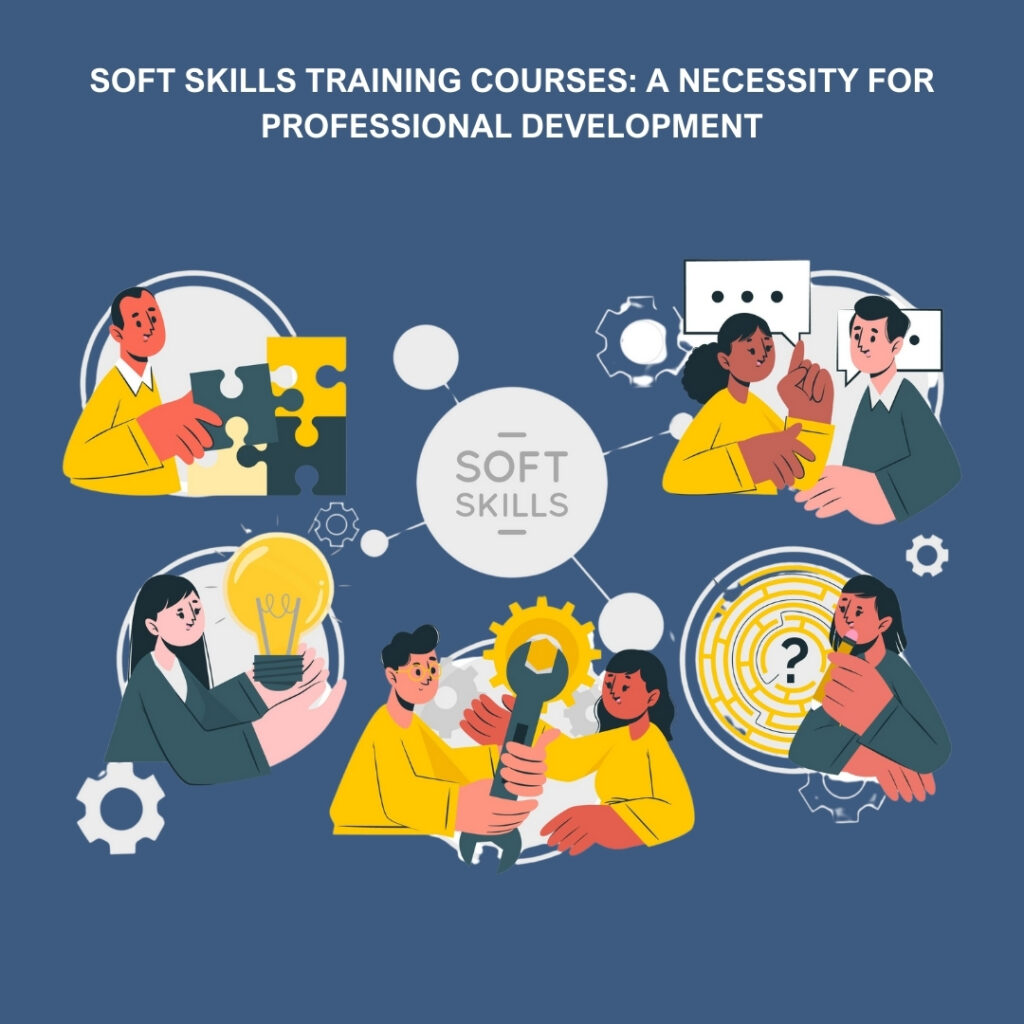
As the weeks turned into months, I started noticing changes beyond just my new technical abilities. My problem-solving skills sharpened. I became better at managing my time, juggling the demands of the course with my job and personal life. My communication skills improved, not just in writing content, but in articulating ideas more clearly and confidently. These were the "soft skills" everyone talks about, and I was acquiring them almost without realizing it, simply by pushing myself through the structured environment of the skills training course.
The true test came when I started applying what I learned to my current job. Initially, I was hesitant, worried about stepping on toes or looking like I was trying too hard. But then, an opportunity arose. Our internal communications team was struggling to get engagement on their new intranet portal. I cautiously offered some suggestions, drawing on the principles of content strategy and audience engagement I’d learned. To my surprise, they were open to it. I helped them analyze their existing content, suggested new formats, and even drafted a few sample posts using techniques I’d picked up. The results weren’t immediate miracles, but there was a noticeable uptick in views and interactions. It was exhilarating! For the first time in a long time, I felt genuinely valuable, not just performing tasks, but contributing ideas and driving positive change.
This newfound confidence rippled into other areas of my life. I started taking on more challenging tasks at work, volunteering for projects that previously would have intimidated me. I even updated my resume, not just listing my new certification, but describing the specific projects and achievements from the course. It felt good to have tangible proof of my expanded capabilities.
My journey with that skills training course wasn’t just about learning digital marketing. It was about learning about myself. It taught me that I could learn new things, even complex ones, despite my initial doubts. It showed me the power of consistent effort, even when things felt impossible. It revealed that investing in myself, truly dedicating time and resources to personal development, was one of the best decisions I could have made.
The world keeps changing, and the need for continuous skill development isn’t going away. If anything, it’s accelerating. What I learned from my experience is that a skills training course isn’t just a temporary fix; it’s a doorway to a mindset of lifelong learning. It’s about building a foundation of adaptability and curiosity that allows you to face the future, whatever it may bring, with a sense of readiness rather than dread.
Looking back, that "dusty" feeling is gone. I’m not on that stationary train anymore. I’m on a new one, perhaps not the fastest, but definitely moving forward, picking up speed, and looking out at a landscape that’s full of exciting possibilities. I’m still learning, still growing, and now, when new challenges arise, I don’t feel the chill of uncertainty. Instead, I feel a spark of excitement, wondering what new skill I might learn next to meet them. If you’re feeling that same quiet hum of dissatisfaction, that sense of being stuck, perhaps it’s time to consider your own skills training course. It might just be the unexpected journey that rewrites your story too. It certainly did for me.