
I remember staring at the blinking cursor on my computer screen, a raw, unedited mess of footage glaring back at me. It was a beautiful collection of clips from a trip I’d taken, moments I desperately wanted to share, but the thought of stitching them together felt like trying to solve a Rubik’s Cube blindfolded. Every time I opened a video editing program, my heart would sink a little. The interface, with its myriad of buttons, timelines, and panels, felt like a cockpit filled with controls I didn’t understand. I’d watch tutorials, attempt to mimic the steps, but the finished product always lacked that professional touch, that seamless flow that made good videos captivating. My edits were choppy, the audio uneven, the colors dull. It wasn’t just about knowing where the cut button was; it was about knowing why and when to press it, about understanding the rhythm of a story, the psychology of a visual. That’s when I realized I needed more than just sporadic tips and tricks; I needed a proper editing course.
The decision to enroll in an editing course wasn’t made lightly. There were countless free resources online, but they often felt disjointed, lacking a coherent progression. I yearned for a structured path, a mentor, and a community. I spent weeks researching, sifting through options for a video editing course, looking for something that promised not just technical skills, but also a deeper understanding of storytelling. I wanted to learn editing from the ground up, to truly grasp the principles that make a film or a video resonate with an audience. I found an online editing course that seemed to strike the perfect balance – it covered major software, yes, but also emphasized the art of narrative, the psychology of pacing, and the craft of visual communication. It promised to take absolute beginners and transform them into confident editors. That promise felt like a beacon in my editing wilderness.
Stepping into the first module of the editing course felt like opening a brand new chapter in a book I was eager to read. The initial lessons were surprisingly comforting. Instead of being thrown into the deep end of complex software, we started with the very basics: understanding different file types, frame rates, and resolutions. It was like learning the alphabet before attempting to write a novel. Our instructor, a seasoned editor with a calm, reassuring voice, explained these foundational concepts in a way that clicked. He didn’t just present information; he told stories, sharing anecdotes from his own career that illustrated why these seemingly dry technical details were so crucial. This storytelling approach made learning incredibly engaging, and I found myself looking forward to each new lesson. It wasn’t just about memorizing facts; it was about building a mental framework for understanding the entire post-production process.
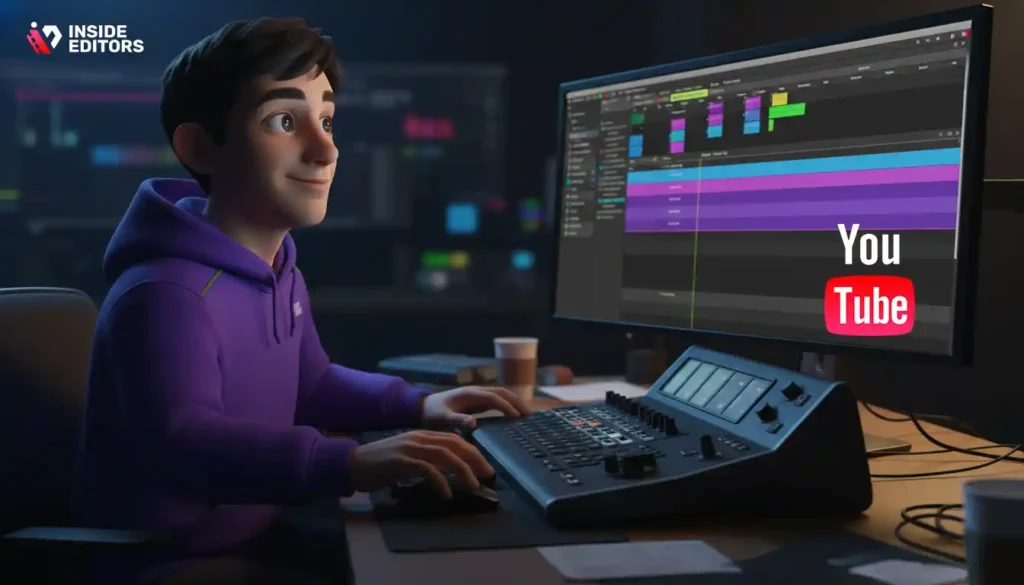
Then came the software. For me, it was Adobe Premiere Pro, though the course offered modules for DaVinci Resolve and Final Cut Pro as well. What I loved about the editing course’s approach was that it didn’t just show us where the buttons were, but why we’d use them. We started with the absolute fundamentals: importing footage, organizing projects, making basic cuts. The instructor walked us through the interface step-by-step, explaining the purpose of each panel – the source monitor, the program monitor, the timeline, the project panel. He demystified the process, turning what once looked like an intimidating control panel into a navigable workspace. We learned about different types of cuts – hard cuts, jump cuts, L-cuts, J-cuts – and the emotional impact each could have. It wasn’t just about mechanical execution; it was about intentionality. This deep dive into the practical application, coupled with the theoretical understanding, made all the difference. I started to see my footage not as a jumbled mess, but as raw clay waiting to be sculpted.
As the editing course progressed, we moved beyond basic cuts into the more intricate layers of video editing. Audio, for instance, had always been my nemesis. My videos often sounded like they were recorded in a wind tunnel or a cavernous echo chamber. The course dedicated substantial time to audio editing, covering everything from noise reduction and equalization to mixing multiple audio tracks and adding sound effects and music. I learned about gain, decibels, and the importance of audio levels for a professional sound. The instructor demonstrated how to use audio to enhance emotion and create immersion, showing us how a subtle sound effect could completely transform a scene. It was an eye-opener. I realized that sound is at least half the battle in good video, and suddenly, my previously flat videos began to acquire depth and atmosphere.
Color grading was another revelation. Before the editing course, my idea of color correction was just slapping on a generic filter. I had no idea about color theory, white balance, or the power of color to evoke mood and guide the viewer’s eye. The course broke down color grading into digestible chunks, explaining concepts like primary correction, secondary correction, and the use of scopes to ensure consistent and professional results. We learned how to balance skin tones, create cinematic looks, and even fix problematic lighting. It was like learning to paint with light, and suddenly, my raw footage, which often looked bland, could be transformed into vibrant, expressive scenes. This wasn’t just about making things "look good"; it was about using color as a storytelling tool, a way to communicate emotion and enhance the narrative.
What truly set this editing course apart was its emphasis on storytelling. It wasn’t just a technical boot camp; it was a masterclass in narrative structure. We discussed pacing – how fast or slow a scene should unfold – and how to use editing to build tension, create suspense, or evoke a sense of calm. We explored the power of montage, the art of juxtaposition, and the importance of character arc. The instructor shared insights on how to craft a compelling opening, develop a middle that keeps viewers engaged, and deliver a satisfying conclusion. This focus on the "why" behind every cut, every transition, every audio adjustment, transformed my understanding of editing. It wasn’t just about arranging clips; it was about weaving a tapestry of emotions and ideas that would captivate an audience. This perspective, learning to see editing as storytelling, was the most valuable lesson I took from the entire experience.
The practical assignments were where the real learning happened. After each module, we were given footage to edit, applying the techniques we had just learned. These weren’t just simple exercises; they were mini-projects that challenged us to think creatively and critically. My early attempts were still a bit clunky, but the feedback from the instructor and fellow students was invaluable. It was constructive, encouraging, and always pushed me to refine my skills. We had dedicated critique sessions where we’d share our work, and the discussions that followed were incredibly insightful. Hearing different perspectives, seeing how others interpreted the same footage, expanded my own creative horizons. This community aspect of the online editing course made it feel less like a solitary learning journey and more like a collaborative workshop. I wasn’t just learning from the instructor; I was learning from my peers, watching their progress, and drawing inspiration from their unique approaches.
One of the biggest struggles I overcame during the course was managing complex projects. Before, my project files would be a tangled mess of unsorted clips and unlabelled sequences. The editing course taught me professional workflow strategies – how to organize footage efficiently, create clear folder structures, and name files logically. It sounds simple, but this foundational organizational skill saved me countless hours of frustration and made the entire editing process smoother and more enjoyable. It was like learning to tidy my workspace before starting a big painting. We also delved into optimizing system performance, understanding proxy workflows for smoother editing on less powerful machines, and the importance of regular backups – lessons learned the hard way by many a budding editor. These practical, behind-the-scenes tips were just as crucial as mastering the creative aspects.
By the time I reached the final modules of the editing course, I looked back at my initial fear with a sense of disbelief. The intimidating software had become a familiar tool, an extension of my creative will. The jumbled footage now looked like a treasure trove of possibilities. I could confidently import, cut, transition, mix audio, color grade, and export. More importantly, I could tell a story. I understood how to use editing to manipulate time, evoke emotion, and guide the viewer’s gaze. I could feel the rhythm of a piece, anticipate where a cut should go, and instinctively know when something felt off. This wasn’t just about technical proficiency; it was about developing an artistic sensibility, a keen eye for detail, and a deep understanding of human perception.
The transformation was profound. What started as a hobby born out of a desire to preserve memories from my travels, quickly blossomed into a genuine passion. I started taking on small freelance projects, editing videos for local businesses and friends. The confidence I gained from the editing course was immense. I could now approach clients, discuss their vision, and translate it into a compelling visual narrative. I even started my own small YouTube channel, applying all the principles I had learned, and the engagement from viewers was incredibly rewarding. People commented on the quality of my edits, the smooth transitions, and the engaging storytelling – praise that would have been unimaginable just a few months prior.
For anyone out there feeling overwhelmed by the world of video editing, I cannot stress enough the value of a dedicated editing course. It provides the structure, the expert guidance, and the practical application you need to truly master the craft. It’s more than just learning software; it’s about understanding the language of film, the psychology of visual communication, and the art of storytelling. Whether you dream of becoming a professional film editor, a content creator, or simply want to create beautiful home videos, an editing course lays the essential groundwork. Look for a course that offers a comprehensive curriculum, hands-on projects, and opportunities for feedback. Consider whether it focuses purely on technical skills or also dives into the artistic and narrative aspects. Think about the software it teaches and if it aligns with your goals. The investment in an online editing course, in my experience, pays dividends in skill, confidence, and creative fulfillment.
My journey with that blinking cursor began in frustration, but thanks to the comprehensive learning experience of an editing course, it has led me to a place of creative joy and accomplishment. It taught me not just how to use the tools, but how to tell a story, how to evoke emotion, and how to connect with an audience. If you’re standing at the edge of that same intimidating digital ocean, wondering how to dive in, take my word for it: an editing course isn’t just a learning path; it’s an adventure that will transform the way you see and create the world. It’s about taking those raw, scattered moments and weaving them into a narrative that truly comes alive. It was, without a doubt, one of the best decisions I’ve ever made for my creative journey.