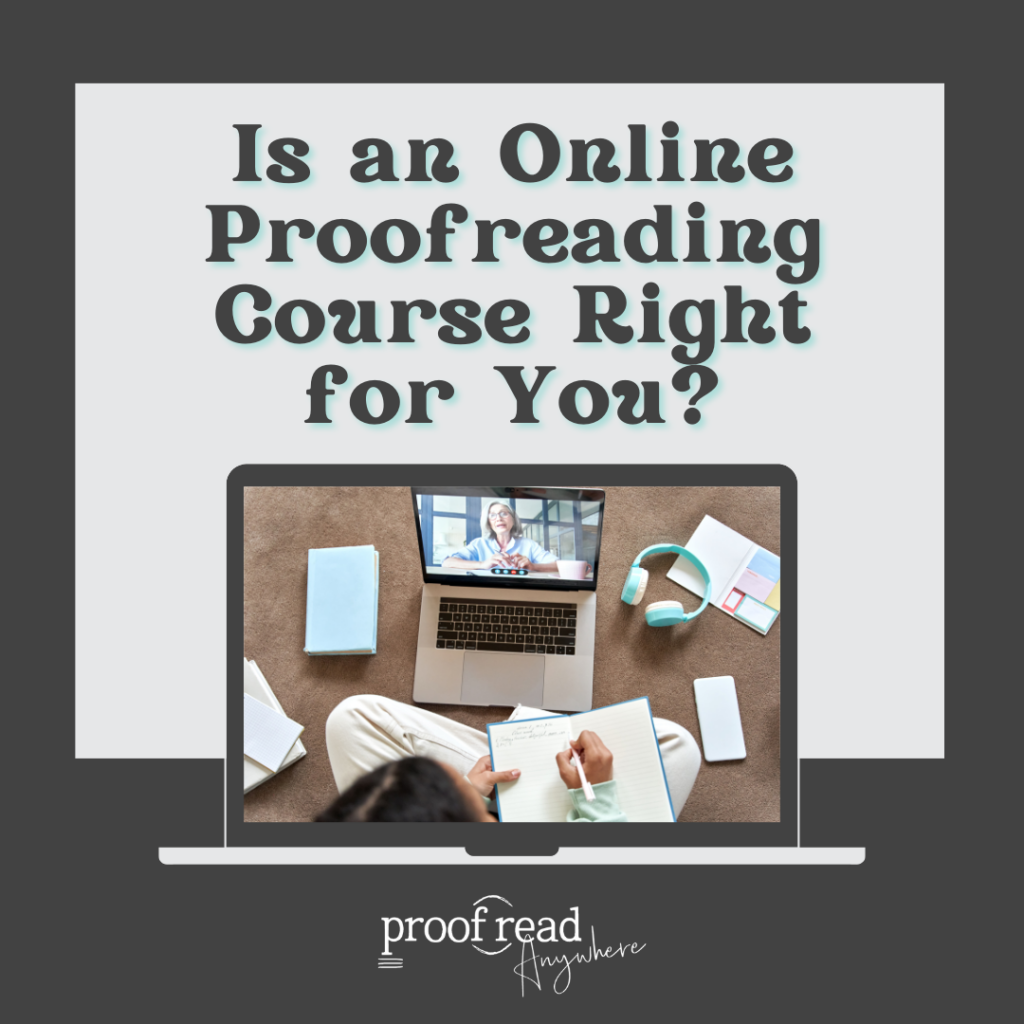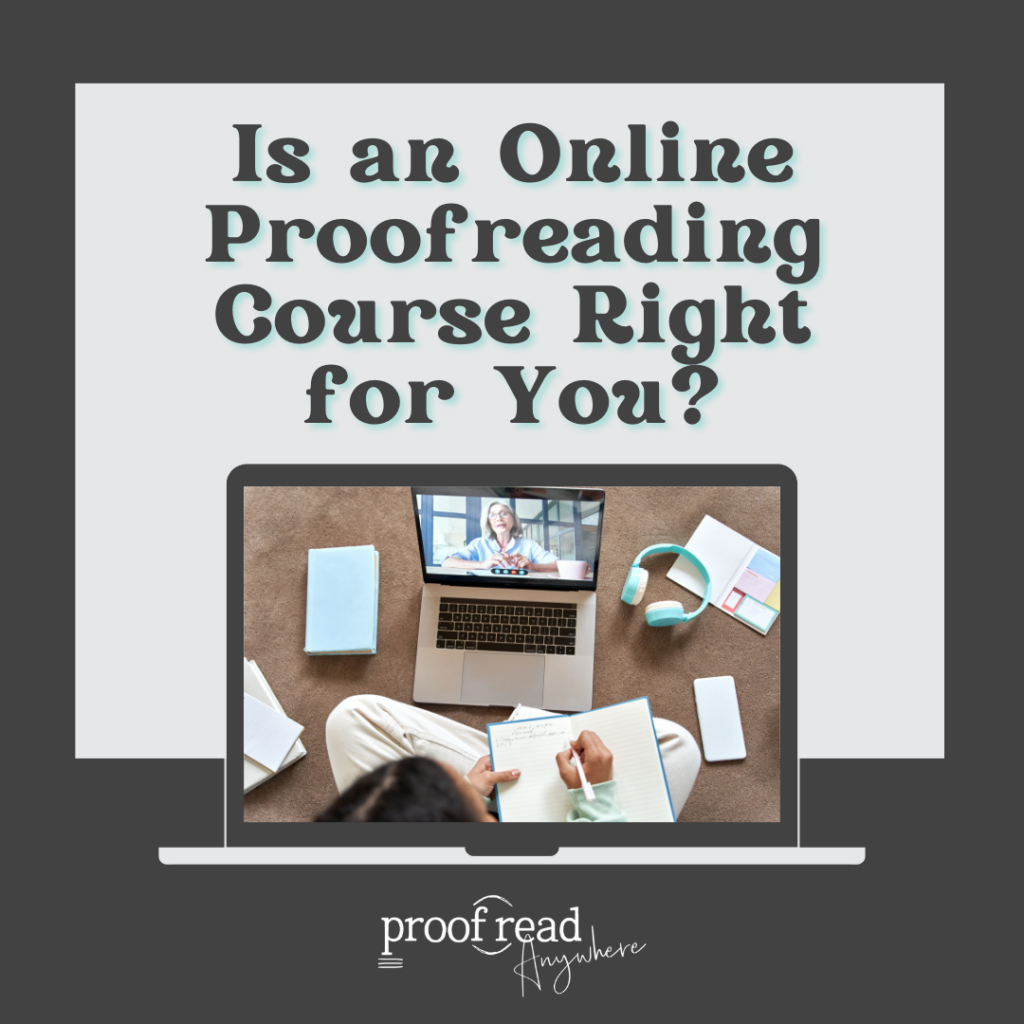

I’ve always been drawn to stories. Not just the grand narratives spun in novels, but the quiet, intricate stories told in everyday text – a product description, an email, a carefully crafted blog post. Yet, for the longest time, I was merely a consumer, a reader swept along by the current of words. I appreciated clarity, winced at awkward phrasing, and occasionally stumbled over a misplaced comma, but I never truly understood the silent, meticulous effort that goes into making text sing. That is, until I embarked on my journey through a proofreading course, a decision that pulled back the curtain on the hidden architecture of language and utterly transformed my perception of the written word.
My own path wasn’t always clear. I bounced between various interests, always feeling a pull towards something creative, something that involved precision, but never quite landing on it. I loved reading, of course, devouring books with an almost insatiable hunger, and friends would often jokingly call me their "grammar police" because I’d subtly correct their texts or emails. It was an innate tendency, a small flicker of an undeveloped skill. The idea of a career that involved words, however, felt distant, reserved for novelists or journalists – people with grander tales to tell than my own.
Then, life threw its usual curveballs, and I found myself at a crossroads, yearning for a flexible career that could be pursued from anywhere, a profession that engaged my mind without tying me to a desk in a conventional office. I started researching remote work, scouring online forums and articles, and that’s when the term "proofreading" began to pop up with increasing frequency. Initially, I dismissed it. "Proofreading? Isn’t that just reading something to catch typos?" I thought, a little arrogantly. My initial understanding was rudimentary at best. I imagined a quick skim, a dab of red pen, and off you go. Oh, how wrong I was.
The more I delved, the more I realized proofreading was a world unto itself. It wasn’t just about typos; it was about precision, consistency, clarity, and ensuring the text achieved its intended purpose without a single linguistic misstep. It was about being the final gatekeeper, the last line of defense before words went out into the world. This revelation intrigued me. It resonated with that quiet, precise part of my personality. But how did one even begin to learn such a specialized skill? Could I just wake up one day and declare myself a proofreader? The answer, I quickly discovered, was a resounding no. To truly be effective, to gain confidence, and to offer a professional service, formal training was essential. This is where the idea of a dedicated proofreading course took root.
The decision to enroll in a proofreading course wasn’t made lightly. It felt like a significant investment of time and money, a leap of faith into an unknown professional landscape. I spent weeks researching different programs, weighing their pros and cons. I looked for courses that were comprehensive, offered practical exercises, provided feedback from experienced instructors, and had a good reputation within the industry. I wanted something that would not only teach me the mechanics but also equip me with the business acumen needed to turn it into a viable career. Finally, I chose an online, self-paced program that promised a deep dive into the craft. The day I paid the tuition and received my login details felt like the first page of a brand new chapter.
My initial days with the course were a mix of excitement and humility. I quickly realized how little I truly knew. The first module wasn’t just a gentle introduction; it was a firm hand leading me into a complex world. It meticulously dissected the difference between proofreading and editing – a crucial distinction I’d previously blurred. Editing, I learned, is about improving the flow, structure, and overall impact of a piece, often involving significant rewriting. Proofreading, on the other hand, comes at the very end of the writing process, a meticulous final check for surface-level errors: grammar, punctuation, spelling, capitalization, formatting, and consistency. It’s about polishing, not restructuring. This foundational understanding alone was worth the price of admission.
Then came the deep dive into the nitty-gritty of grammar and punctuation, areas I thought I had a decent grasp of. Oh, how wrong I was again! The course didn’t just review the basics; it dissected every rule, every exception, every subtle nuance. I learned about the proper use of the elusive semicolon, a punctuation mark I’d always treated with a healthy dose of suspicion. I delved into the intricacies of the Oxford comma, understanding why it’s sometimes crucial for clarity and why certain style guides omit it. En dashes versus em dashes, hyphens, colons, ellipses – each had its own specific purpose and rules, often dictated by context or a particular style guide. It wasn’t just rote memorization; it was understanding the logic behind the rules, appreciating how each mark contributed to the clarity and meaning of a sentence. My brain felt like a sponge, soaking up information, and my eyes, previously accustomed to skimming, began to see text in a completely new, microscopic way.
Spelling and word usage were next, and this section was full of delightful traps. Homophones – words that sound alike but have different meanings and spellings (like "their," "there," and "they’re") – were a constant challenge, not just for the writers I’d eventually proofread, but sometimes even for me in my early exercises. Commonly confused words like "affect" and "effect," "compliment" and "complement," or "lie" and "lay" became subjects of intense study. The course provided countless examples and exercises, forcing me to actively identify and correct these subtle errors. It was like solving a puzzle, and the satisfaction of finding that one sneaky error, the one that could trip up a reader, was immense.
One of the most eye-opening modules was on style guides. Before the course, I had no idea that different industries, publications, and even individual clients adhered to specific style rules. I learned about the Chicago Manual of Style, the AP Stylebook, MLA, and various in-house style guides. This wasn’t just about personal preference; it was about professional consistency. A client might demand a specific capitalization style for headings, a particular way of citing sources, or a rule about hyphenation. Understanding how to identify and apply the correct style guide became a cornerstone of my learning. It taught me that proofreading isn’t just about my understanding of grammar, but about respecting and implementing the client’s preferred linguistic framework. This level of adaptability was a skill I hadn’t anticipated needing, but it proved to be invaluable.
The course then moved into the practical tools of the trade. This included learning how to use "Track Changes" in Microsoft Word like a seasoned pro, how to annotate PDFs, and how to utilize various online dictionaries and thesauruses effectively. It wasn’t just about knowing what to look for, but how to mark those changes clearly and professionally so that the writer could easily understand and implement them. Learning to communicate changes effectively, without sounding condescending or overly critical, was another subtle but important lesson.
The heart of the course, for me, was the extensive series of practical exercises. These weren’t hypothetical scenarios; they were actual pieces of text – blog posts, academic papers, marketing materials, even excerpts from books – riddled with errors. My instructors would provide feedback on my submissions, highlighting what I missed, explaining why a certain correction was necessary, and offering encouragement. There were moments of frustration, certainly. I’d sometimes overlook a glaring error, or misapply a rule, and feel a pang of disappointment. But these were crucial learning opportunities. Each piece of feedback, each corrected mistake, solidified my understanding and sharpened my eye. It was through these hands-on tasks that I truly began to develop the eagle eye required for effective proofreading. My brain started to automatically scan for common errors, my internal grammar checker constantly running in the background, even when I was just reading for pleasure.
Beyond the technical skills, the course also delved into the professional aspects of being a freelance proofreader. This included modules on setting rates, understanding contracts, communicating effectively with clients, building a portfolio, and even basic marketing strategies. It transformed my perspective from merely learning a skill to actually building a sustainable career. I learned about the importance of professionalism, meeting deadlines, and delivering high-quality work consistently. It wasn’t just about finding errors; it was about building trust and reputation.
Finishing the proofreading course felt like a significant accomplishment. I didn’t just have a certificate; I had a newfound confidence, a tangible skill set, and a clear path forward. The world of written text, once a blurry landscape, now appeared in sharp, vibrant detail. Every word, every comma, every space held significance.
My journey didn’t end with the course, of course; it merely began there. Armed with my new knowledge, I started cautiously seeking out my first clients. I began on online freelance platforms, offering my services, often at reduced rates initially, just to gain experience and build a portfolio. My first few projects were nerve-wracking. I triple-checked everything, paranoid about missing something. But with each completed project, my confidence grew. The positive feedback from clients, the appreciation for a clear, error-free document, was incredibly validating.
Over time, I started to attract more consistent work. I moved beyond general proofreading into more specialized areas, like academic proofreading, which I found particularly engaging. The flexibility of freelance life was everything I had hoped for. I could work from my home office, from a café, or even while traveling. I set my own hours, chose my projects, and built relationships with wonderful clients who appreciated the meticulous care I brought to their words.
What truly surprised me about this journey was the profound impact it had on my own writing and reading. My personal emails became clearer, my blog posts more precise, and my ability to analyze and understand complex texts skyrocketed. It was as if I had been given a special lens, allowing me to see the intricate scaffolding beneath the surface of language.
For anyone considering a similar path, especially if you’re a beginner with a keen eye for detail and a love for language, I cannot recommend a dedicated proofreading course enough. It’s not just about learning grammar rules; it’s about learning to see text with a professional eye. It provides the structure, the expert feedback, and the practical application you need to build a solid foundation. You’ll gain the confidence to approach clients, knowing you have the skills to deliver excellent work. It demystifies the industry, offering insights into client communication, pricing, and marketing – aspects that are crucial for turning a skill into a career. Without my course, I would have floundered, likely making costly mistakes and lacking the credibility to attract serious clients. It was the compass that guided me through the initial fog.
My journey through the proofreading course transformed my relationship with language, turning a casual interest into a fulfilling profession. It taught me that clarity isn’t accidental, and precision isn’t a luxury; they are the result of diligent, focused effort. It showed me the quiet power of the unseen architect, the proofreader, who ensures that every word finds its perfect place, allowing stories, ideas, and messages to truly shine. If you have that little voice in your head that whispers when a comma is out of place, or if you simply yearn for a career that marries intellect with flexibility, then perhaps it’s time for you to start your own journey into the meticulous, rewarding world of proofreading. It might just be the best story you ever embark on.