
I remember standing in front of the mirror, suit jacket feeling like a borrowed costume, practicing lines that felt utterly unnatural. My palms would get clammy just thinking about making a cold call. Selling, to me, was a murky, intimidating world, full of fast-talkers and aggressive pitches. I saw it as a necessary evil, something you did only if you absolutely had to, and certainly not something you could ever truly enjoy. My early attempts were, predictably, disastrous. I’d stammer, forget key points, and often just give up at the first sign of resistance. I wasn’t selling; I was apologetically presenting information and hoping someone would take pity on me. It was exhausting, soul-crcrushing, and frankly, a bit embarrassing.
My career felt stuck. I had a good product, I believed in what I was offering, but I just couldn’t bridge the gap between my enthusiasm and someone else’s decision to buy. Every rejection felt like a personal failing, a punch to the gut that confirmed my deepest fear: I just wasn’t cut out for this. I watched others effortlessly close deals, build rapport with strangers in minutes, and walk away with smiles. What was their secret? Was it some innate talent, a gift bestowed upon a lucky few? I was convinced it was, and I, sadly, hadn’t received that memo.
Then, a friend, seeing my perpetual state of anxiety, suggested something that initially sounded absurd: "Why don’t you take a sales course?" A course? I scoffed. Surely, you either had "it" or you didn’t. Sales was an art, not a science you could learn in a classroom, right? My friend, a seasoned pro who always seemed to effortlessly hit his targets, simply smiled. "It’s more than just talking, my friend. It’s understanding. It’s empathy. And yes, it’s absolutely something you can learn, refine, and master."
His words, along with my increasing frustration, finally chipped away at my stubborn resistance. I started looking into sales courses. The sheer variety was overwhelming. There were online modules, intensive bootcamps, evening classes, and weekend workshops. Some promised instant riches, others focused on specific industries like B2B sales or B2C sales. I didn’t want a magic bullet; I wanted to understand the fundamentals. I needed a program that would dismantle my preconceived notions and build a new foundation, brick by careful brick.
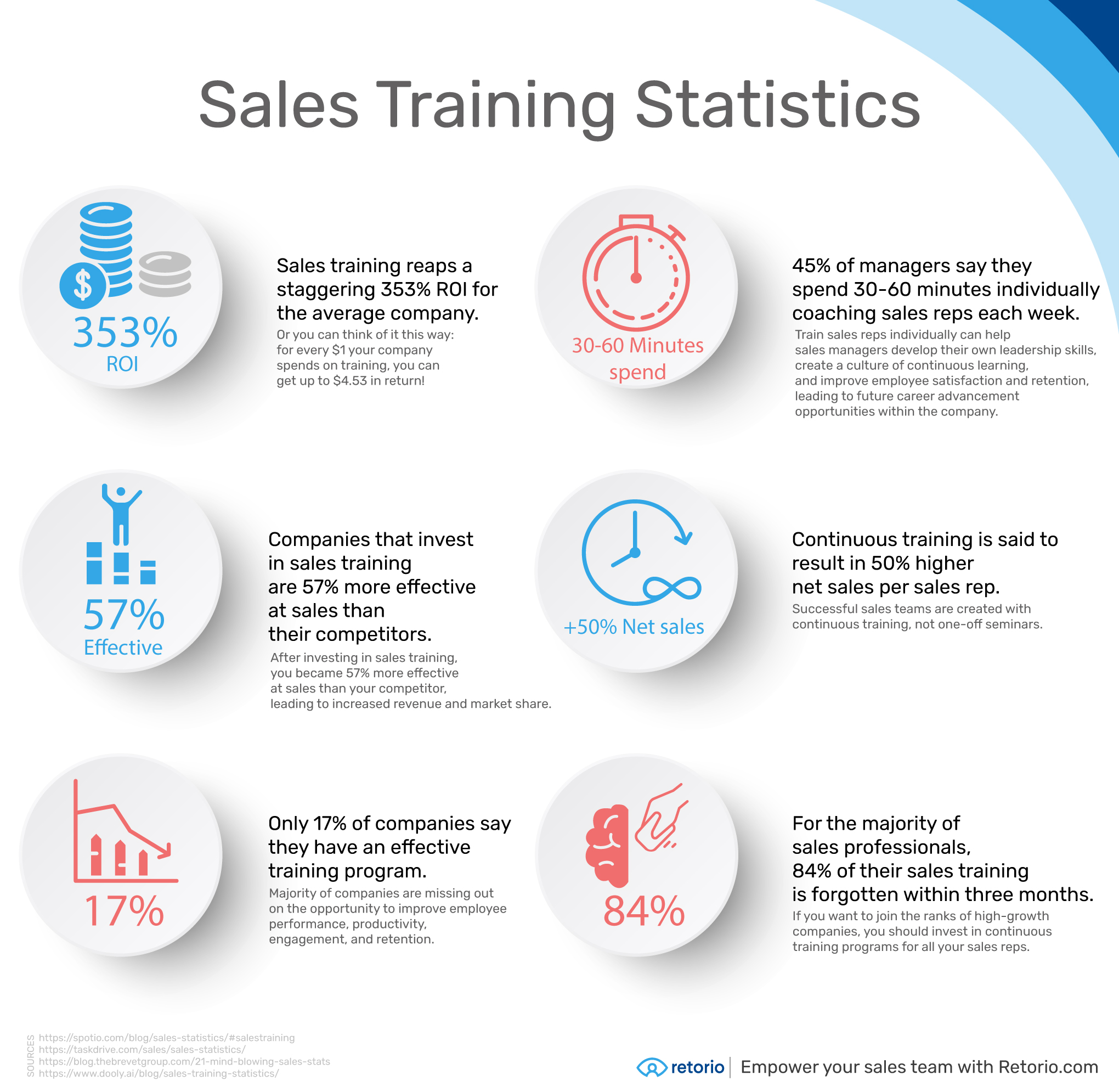
I settled on a comprehensive sales training program that emphasized ethical selling and understanding the customer’s needs above all else. It promised to teach not just techniques, but a mindset shift. That sounded promising. I signed up, still with a healthy dose of skepticism, but a glimmer of hope. It felt like a leap of faith, an investment in myself that I desperately hoped wouldn’t just be another dead end.
The first few sessions were, as expected, a bit dry. We talked about sales funnels, prospecting strategies, and different types of closes. My brain, used to winging it, struggled with the structure. But then, something shifted. Our instructor, a kind but firm woman named Sarah, started sharing her own stories. She wasn’t a slick, overly confident sales persona. She was relatable, talked about her own early struggles, and emphasized that sales, at its heart, was about service.
"Your job," she’d say, "isn’t to push a product. It’s to understand a problem and offer a solution. It’s about helping people make good decisions for themselves." This simple reframing was a revelation. It wasn’t about manipulation; it was about genuine connection. It wasn’t about winning an argument; it was about building a partnership. This fundamental shift in perspective was the first crack in my wall of doubt.
We delved into the intricacies of communication. I thought I was a decent communicator, but the course showed me I was only half-listening. We learned about active listening – truly hearing what the other person was saying, not just waiting for our turn to speak. We practiced mirroring body language subtly, asking open-ended questions that invited deeper conversation, and identifying unspoken needs. This wasn’t about tricking anyone; it was about showing genuine interest and building trust. I realized my previous approach was all about me and my product, not about the potential client and their world.
Then came the dreaded role-playing exercises. My stomach would knot up every time. We’d pair off, one acting as the salesperson, the other as the reluctant buyer. At first, I was terrible. My old habits resurfaced – the stammering, the rushing, the fear of asking for the business. But Sarah and my classmates were incredibly supportive. They’d offer constructive feedback, point out moments where I could have dug deeper, or suggested alternative phrasing. Slowly, painstakingly, I started to improve. I learned to anticipate objections, not as roadblocks, but as opportunities to clarify and provide more value. "It’s too expensive" wasn’t a dead end; it was a chance to reiterate the return on investment or explore alternative packages.
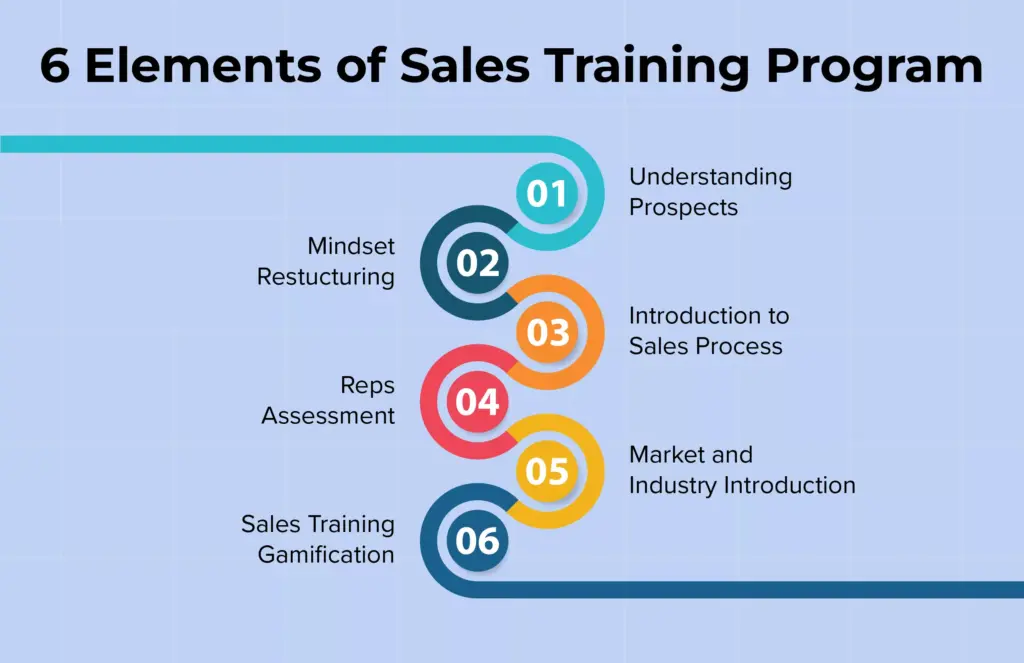
The course covered everything: from the initial prospecting – how to identify potential leads and reach out respectfully – to building rapport, presenting solutions, handling objections with grace, and finally, the art of closing. We learned various closing techniques, not as coercive tactics, but as ways to guide the conversation to a natural conclusion, ensuring both parties felt good about the decision. It taught me that a "no" isn’t a personal rejection; it’s often a "not right now," "not for me," or "I don’t understand enough yet." It’s information, not an indictment.
One of the most profound modules for me was on understanding buyer psychology. It wasn’t about manipulating people, but about recognizing different decision-making styles and tailoring your approach. Some people are detail-oriented and want all the facts. Others are big-picture thinkers who care more about the overall impact. Learning to identify these nuances allowed me to adapt my communication style, making my pitches resonate more authentically with each individual. It felt less like selling and more like effective problem-solving, which was a revelation.
I also learned the critical importance of follow-up. My old self would disappear after a single meeting if no immediate sale occurred. The course hammered home that the real work often begins after the initial interaction. Nurturing relationships, providing value even when there’s no immediate transaction, and staying top-of-mind are what build long-term success. It taught me patience and persistence, not as aggressive traits, but as foundations for genuine partnership.
The transformation wasn’t instantaneous, but it was undeniable. I started applying the techniques in my daily work. My cold calls became less daunting. I approached them with a clear structure, a purpose, and a newfound confidence. Instead of dread, I felt a sense of curiosity: "What problem can I help this person solve today?" My conversations became more natural, more engaging. I wasn’t just reciting features; I was asking insightful questions, listening intently, and truly connecting with people.
My first real breakthrough came during a meeting with a notoriously difficult client. In the past, I would have crumbled under their skepticism. This time, I remembered Sarah’s words about empathy and active listening. Instead of defending my product, I asked probing questions about their specific challenges, their pain points, and what success truly looked like for them. I listened, really listened, without interrupting. Then, I presented my solution not as a generic offering, but as a tailored answer to their expressed needs. The shift in their demeanor was palpable. By the end of the meeting, they weren’t just interested; they were almost eager. I closed the deal, not with a forceful push, but with a collaborative agreement. It felt incredible, not because I had "won," but because I had genuinely helped.
My confidence soared. Sales stopped feeling like a battle and started feeling like a dance – a strategic, empathetic, and often enjoyable dance. I began to see the world differently. Every interaction, whether personal or professional, became an opportunity to practice my communication skills, to listen more deeply, and to understand diverse perspectives. The skills I learned in that sales course weren’t just for selling products; they were life skills. They improved my relationships, my ability to negotiate everyday situations, and even my self-perception.
I realized that sales isn’t just for people with "sales" in their job title. It’s for entrepreneurs trying to get funding, freelancers pitching their services, job seekers selling their skills in an interview, and even parents trying to convince their kids to eat their vegetables. Anyone who needs to influence, persuade, or connect with others benefits immensely from understanding the principles of sales. It’s about articulating value, building trust, and guiding someone towards a mutually beneficial decision.
If you’re reading this and you feel a similar trepidation about selling, or if you’re an experienced professional looking to sharpen your edge, I wholeheartedly recommend investing in a good sales course. But here’s what to look for, based on my own journey:
- Focus on Fundamentals, Not Just Tricks: Avoid courses that promise instant wealth through "secret" techniques. Look for programs that teach the bedrock principles of communication, psychology, and ethical influence.
- Emphasis on Empathy and Active Listening: A good sales course will teach you to put the customer first, to understand their world, and to genuinely listen to their needs.
- Practical Application and Role-Playing: Theory is good, but practice is crucial. Look for courses that include hands-on exercises, role-playing, and real-world scenarios. This is where the learning truly sticks.
- Strong Mentorship/Instructor Quality: The instructor makes a huge difference. Look for someone experienced, patient, and genuinely passionate about teaching, not just selling.
- A Holistic Approach: A truly transformative sales course will cover everything from prospecting and lead generation to building rapport, handling objections, closing, and crucially, follow-up and relationship management. It’s a complete ecosystem.
- Ethical Selling: Ensure the course promotes integrity, honesty, and building long-term relationships over short-term gains. True sales success is built on trust.
- Community and Support: Being surrounded by fellow learners, sharing struggles and triumphs, can be incredibly motivating and provide a valuable network.
Taking that sales course wasn’t just about improving my job performance; it was about personal growth. It dismantled my limiting beliefs, replaced fear with confidence, and gave me a powerful toolkit for navigating both my professional and personal life. It taught me that sales isn’t about being pushy or manipulative; it’s about being a problem-solver, a trusted advisor, and a genuine communicator. It’s about understanding people, connecting with them on a deeper level, and ultimately, helping them achieve their goals.
My journey is still ongoing. The world of sales is dynamic, always evolving, and there’s always more to learn. But now, I approach it with curiosity and enthusiasm, not dread. The suit jacket no longer feels like a costume; it feels like my own skin. The clammy palms are gone, replaced by a steady hand and a clear voice. And that once-intimidating world? It’s now an exciting landscape of opportunities, waiting to be explored, one genuine connection at a time. If I could transform from a stuttering, apologetic presenter to a confident, empathetic salesperson, then anyone can. It all starts with that first step: the decision to learn, to grow, and to truly understand the unseen power of effective sales.