
I remember a time when I thought success was all about what you knew. Hard facts, technical expertise, degrees, certifications – those were the trophies I chased. I spent years honing my craft, mastering complex software, and devouring textbooks. I could dissect data, build intricate systems, and solve purely technical problems with a certain detached efficiency. Yet, despite my growing stack of qualifications, something felt off. My career seemed to stall at a certain point, my relationships often felt strained, and I frequently found myself misunderstood, both at work and in my personal life. I was good at doing things, but not so good at being with people, or even at understanding myself in relation to others.
There was this one project, a big one, that still makes me wince when I think about it. I was technically brilliant, had all the answers, but the team dynamic was a disaster. I’d present my solutions with irrefutable logic, only to be met with blank stares or passive resistance. I thought they just didn’t get it. I’d get frustrated, speak over people, and sometimes even roll my eyes without realizing it. My manager, a kind but firm woman named Sarah, eventually pulled me aside. She didn’t criticize my technical ability, not one bit. Instead, she said, “You’re incredibly smart, but you need to learn how to connect. How to listen, truly listen. How to lead without dominating. How to understand that not everyone processes information the way you do.”
Her words stung, mostly because they rang true. I realized I was often the smartest person in the room who couldn’t quite get anyone to follow. My brilliant ideas often died on the vine because I lacked the ability to effectively communicate, collaborate, or inspire. That conversation was a turning point. It made me look beyond the purely technical and consider what she called “soft skills.” The term sounded a bit fluffy to me at first, almost like something for people who couldn’t cut it in the technical world. But Sarah had my respect, and her observation was too accurate to ignore.
I started doing some digging. I read articles, watched videos, and slowly, the true power of these "soft" skills began to dawn on me. They weren’t fluffy at all; they were the grease in the gears of any successful endeavor, the glue that held teams together, the very foundation of effective leadership. I saw how people I admired – not necessarily the most technically gifted, but the most influential – possessed an uncanny ability to navigate complex human interactions, motivate others, and resolve conflicts with grace. They seemed to possess a kind of social fluency I utterly lacked. That’s when I decided to take the plunge. I enrolled in a "Soft Skills Course."
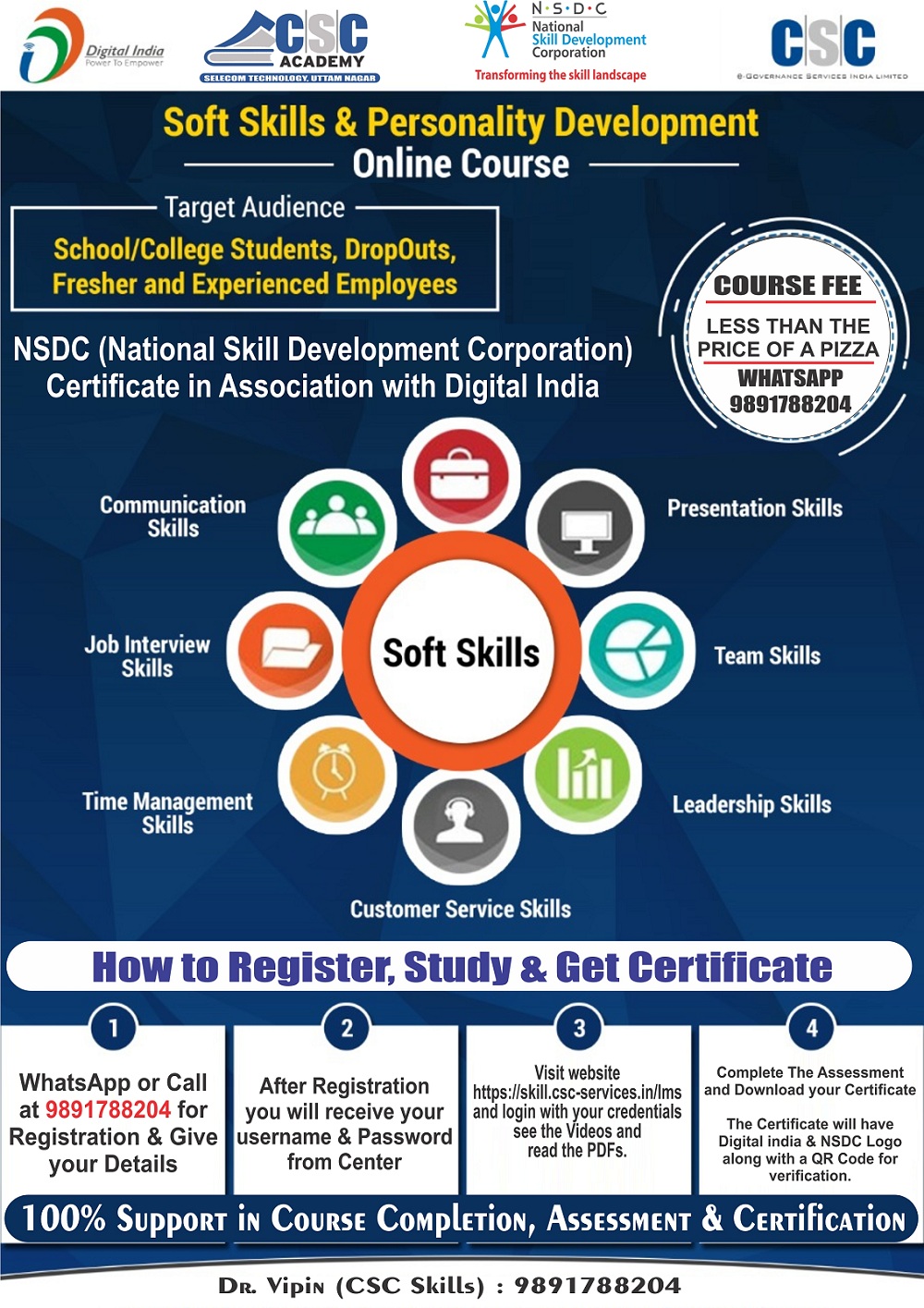
My initial trepidation was palpable. I pictured awkward icebreakers and forced smiles. But from the moment I stepped into the classroom, the atmosphere was different. Our instructor, a seasoned professional with a warm demeanor and a sharp wit, immediately put us at ease. He didn’t lecture; he facilitated. He didn’t preach; he guided us through experiences. The first few sessions focused heavily on communication skills, something I thought I already had a handle on. Oh, how wrong I was.
We started with active listening. This wasn’t just about hearing words; it was about truly understanding, asking clarifying questions, mirroring back what you heard, and picking up on non-verbal cues. We did exercises where one person would speak about a topic for two minutes, and the listener wasn’t allowed to interrupt, offer advice, or share their own related story. Their only job was to listen and then summarize what they heard. It was surprisingly difficult. I realized how often I was formulating my response while someone else was still speaking, or jumping to conclusions based on their first few sentences. This simple exercise was a revelation. It taught me patience and empathy, and the incredible power of making someone feel truly heard. The impact was immediate. In my next team meeting, instead of immediately countering an idea I disagreed with, I consciously paused, listened intently, and asked questions to understand the other person’s perspective fully. The shift in the dynamic was noticeable; people became more open, more willing to share, and ultimately, more collaborative.
Next came articulation and presentation. I’d always thought my presentations were clear because they were fact-heavy. The course taught me about storytelling, about tailoring my message to the audience, about using analogies, and about the importance of body language. We practiced impromptu speaking, delivering concise summaries, and even giving constructive feedback. I learned to structure my thoughts more logically, to cut through jargon, and to speak with conviction without being aggressive. I remember a particularly grueling session where we had to present a complex idea to a simulated "skeptical board." My palms were sweaty, my voice trembled initially, but with the instructor’s gentle nudges and the peer feedback, I learned to manage my nerves, project confidence, and articulate my points with far greater clarity and impact. It wasn’t just about what I said, but how I said it.
The course then delved into teamwork and collaboration, an area where my previous project had spectacularly failed. We were put into small groups and given challenging tasks that required genuine cooperation. It wasn’t about individual brilliance; it was about leveraging everyone’s strengths. I learned about different team roles, about fostering psychological safety so everyone felt comfortable contributing, and about the delicate art of conflict resolution. I discovered that disagreements weren’t necessarily bad; they were often opportunities for innovation, provided they were managed constructively. I learned strategies for mediating disputes, for finding common ground, and for ensuring everyone felt their voice was valued. One exercise involved building a complex structure with limited resources and conflicting instructions. It forced us to negotiate, compromise, and communicate non-stop. The instructor pointed out how I initially tried to take over, but then, remembering my active listening training, I stepped back, asked more questions, and facilitated a group discussion that led to a much better outcome than my initial solo attempt would have.
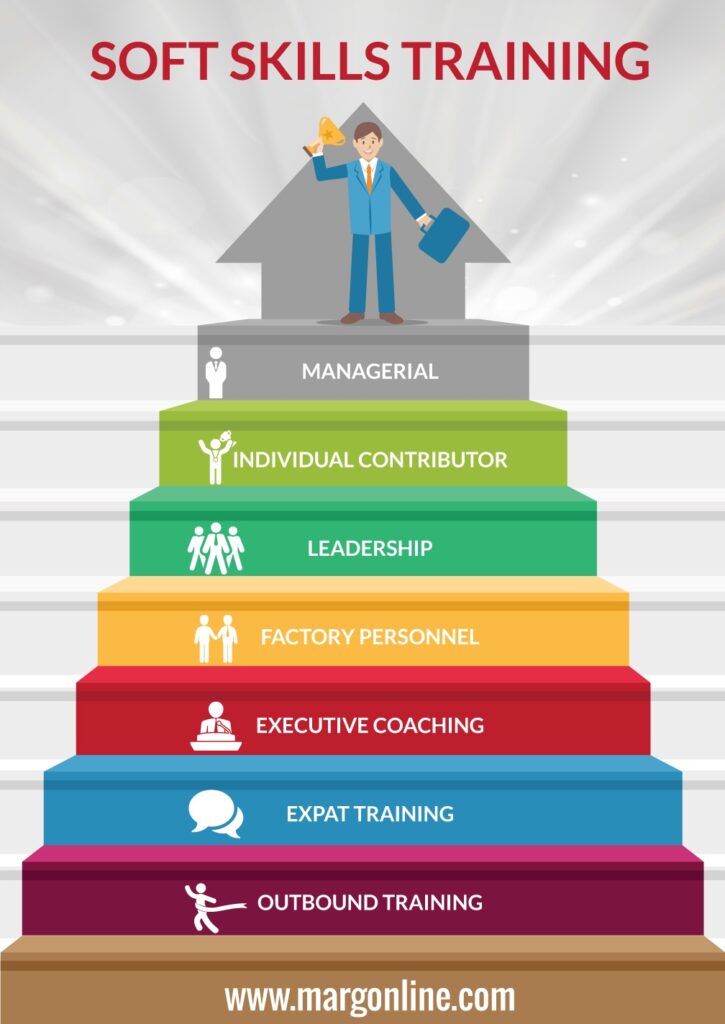
Leadership was another fascinating module. It wasn’t about titles or authority, but about influence. We explored different leadership styles, the importance of empathy in leadership, and how to motivate diverse individuals. I learned that true leaders empower others, delegate effectively, and inspire trust. It wasn’t about having all the answers, but about fostering an environment where answers could emerge from the team. We practiced giving feedback – both positive and constructive – in a way that encouraged growth rather than defensiveness. I realized that my previous approach to leadership was more like dictating; this course showed me how to guide, mentor, and truly empower.
Perhaps the most transformative part for me was the section on emotional intelligence. This was about understanding my own emotions – what triggered my frustration, my defensiveness, my impatience – and learning to manage them. It was also about recognizing and understanding the emotions of others. We discussed empathy, self-awareness, self-regulation, motivation, and social skills. I learned to pause before reacting, to question my initial emotional responses, and to choose a more constructive way forward. This skill alone began to mend bridges in my personal life that I hadn’t even realized were damaged. I started to understand why my sister might react a certain way, or why a colleague seemed resistant, not just taking it personally but trying to see the situation from their perspective. It was like gaining a new pair of glasses that allowed me to see the world with more nuance and compassion.
Problem-solving and critical thinking, while seemingly more "hard" skills, were approached from a soft skills perspective. It wasn’t just about finding a solution, but about collaboratively exploring multiple solutions, considering ethical implications, and anticipating human reactions to those solutions. We used frameworks like root cause analysis and creative thinking techniques, always with an emphasis on teamwork and diverse perspectives. I learned to break down complex problems into manageable parts, to challenge assumptions, and to approach challenges with a more open and adaptive mindset. This wasn’t just about logic; it was about ingenuity and collaboration.
The course also touched on adaptability and resilience. In today’s rapidly changing world, these are non-negotiable. We discussed how to embrace change, how to view setbacks as learning opportunities, and how to maintain a positive outlook even when things go sideways. Through role-playing scenarios of unexpected project changes or difficult client feedback, I learned to pivot, adjust my expectations, and bounce back faster from disappointments. It taught me that failure isn’t the end; it’s just feedback, and the ability to learn from it is a soft skill in itself.
Throughout the weeks, the "Soft Skills Course" was filled with interactive workshops, role-playing scenarios, group discussions, and plenty of constructive feedback from both the instructor and my peers. It wasn’t theoretical; it was intensely practical. We were constantly putting new concepts into practice, making mistakes, learning from them, and trying again. The safe, supportive environment allowed for genuine vulnerability and growth. I saw myself and my classmates transform. We started as a collection of individuals, each with our own blind spots and strengths, and emerged as a more cohesive, empathetic, and effective group.
The impact on my life was profound and multi-faceted. At work, the change was almost immediate. My communication became clearer and more persuasive. Team meetings, once a source of dread, became productive collaborations. I found myself listening more, asking better questions, and contributing more thoughtfully. My manager, Sarah, noticed the difference. My team members started seeking my input not just for technical solutions, but for guidance on how to navigate interpersonal challenges. I was given more responsibility, entrusted with leading larger projects, and eventually, received a promotion. It wasn’t just about doing my job better; it was about becoming a more valuable, respected, and influential member of the organization. The skills I gained in that soft skills course were directly responsible for unlocking new career opportunities.
Beyond the workplace, my personal relationships blossomed. I became a better listener to my friends and family, resolving conflicts with greater understanding and less drama. I learned to express my needs and feelings more clearly, fostering deeper connections. The emotional intelligence training helped me navigate difficult conversations with more grace and less reactivity. I felt more confident in social situations, more at ease in new environments, and generally, a more well-rounded and effective human being.
What I learned in that soft skills course wasn’t just a set of techniques; it was a fundamental shift in perspective. It taught me that success isn’t just about what you can do, but about who you can be. It’s about how effectively you can interact with others, influence them positively, navigate complex social dynamics, and understand yourself. These skills are not innate; they can be learned, practiced, and honed, just like any technical skill. The "soft" in soft skills doesn’t mean easy or unimportant; it means human, adaptable, and essential for thriving in any environment.
If you find yourself feeling stuck, misunderstood, or wishing you could connect better with people, I wholeheartedly recommend exploring a soft skills course. It’s not a magic bullet, and it requires effort and continuous practice, but the return on investment is immeasurable. It will equip you with the tools to communicate with clarity, collaborate effectively, lead with empathy, resolve conflicts constructively, and navigate the complexities of human interaction with greater confidence and grace. It’s an investment in yourself, your career, and your overall well-being. It’s the unseen revolution that can truly change your life, transforming you from someone who just knows things into someone who can genuinely make things happen, with and through others. And in a world that increasingly values collaboration and connection, that’s perhaps the most valuable skill set of all.