
It started, as many things do, with a whisper. Not a literal whisper, mind you, but an idea, a nagging curiosity that grew louder over time. I’d always been fascinated by the magic of voices – the way a single inflection could paint a vivid picture, how a character could spring to life from thin air, or how a simple narrative could hold an audience spellbound. Movies, audiobooks, video games, commercials – they all shared a common thread: the human voice, expertly wielded. And somewhere, deep down, a tiny part of me wondered if I could do that too. Could I learn to command my voice with such precision, such artistry? This was the genesis of my journey into the world of voice acting courses.
I was a complete novice, utterly green. My experience with my own voice extended to ordering coffee and occasionally singing off-key in the shower. The thought of stepping into a recording booth, let alone performing for an audience, was daunting. But the curiosity persisted, and eventually, I decided to take the plunge. My first step was, naturally, the internet. I typed "voice acting courses for beginners" into the search bar, and a deluge of options appeared – online courses, local workshops, intensive bootcamps. It was overwhelming, to say the least.
My initial foray was with a small, introductory online voice acting course. It promised to lay the groundwork, and that’s exactly what I needed. I remember the first lesson vividly: breath control. It sounds simple, almost mundane, but it’s the absolute bedrock of voice acting. Our instructor, a seasoned voice actor with a warm, encouraging demeanor, explained how proper breathing isn’t just about taking air in; it’s about supporting your sound, projecting without strain, and maintaining a consistent vocal tone. We did exercises I never imagined – breathing from the diaphragm, sustaining sounds, even humming scales. It felt a bit silly at first, like I was back in grade school choir, but the difference it made was immediate and profound. My voice, which often felt thin and wavering, gained a new resonance, a quiet strength. This beginner voice over training wasn’t just about sounding good; it was about understanding the mechanics of my own instrument.
As I progressed, the curriculum expanded. We moved from breath to articulation – the crispness of consonants, the clarity of vowels. It was surprising how many words I mumbled or swallowed without realizing it. Tongue twisters became my daily ritual, much to the amusement of my family. "Red lorry, yellow lorry," I’d repeat, trying to make each syllable distinct. Then came pitch, pace, and volume. These are the tools that allow a voice actor to convey emotion, to create tension, to build a character. Learning to manipulate these elements consciously, rather than just letting them happen, was a revelation. It felt like learning to play a musical instrument, where each note had a purpose, each rhythm told a story.
One of the most valuable aspects of those early voice acting classes was the emphasis on script analysis. It’s not enough to simply read the words on a page. A good voice actor must understand the subtext, the character’s motivations, the story’s context. We learned to break down scripts, identifying key phrases, understanding the arc of a sentence, and even imagining the visual scene that the words were meant to accompany. This skill, I quickly realized, was what truly separated a reader from a performer. It transformed a flat block of text into a living, breathing narrative waiting to be voiced. This early voice over course truly taught me how to approach scripts.
The challenge of character work was perhaps the most exciting part. For someone looking to learn voice acting, creating distinct voices and personalities is often the biggest draw. Our instructor encouraged us to experiment, to be fearless. We tried on different voices like hats – a gruff old man, a whimsical fairy, a confident narrator, an energetic commercial announcer. It wasn’t about doing silly voices; it was about embodying a character, understanding their inner world, and letting that inform their sound. I remember one exercise where we had to voice a short dialogue between two wildly different characters. My attempt at a perpetually worried squirrel and a booming, laid-back bear was far from perfect, but the process of finding those voices, imagining their interactions, was incredibly liberating. It opened up a world of creative possibilities I hadn’t known existed. This aspect of the voice acting course was truly an eye-opener.
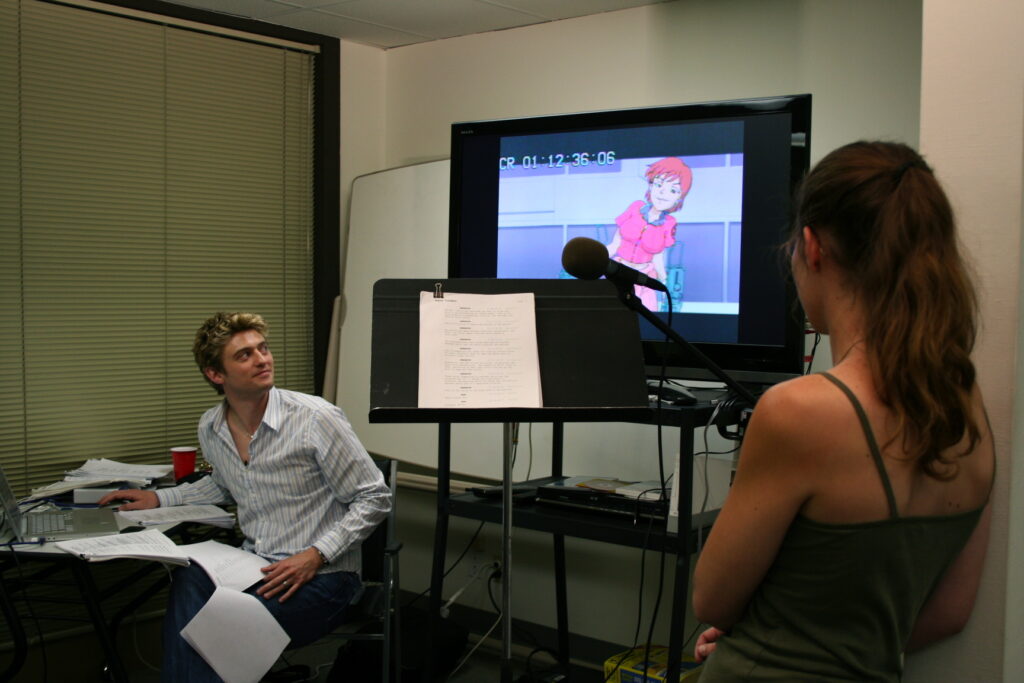
After completing my initial online voice acting course, I felt a spark ignite. I wanted more. I decided to invest in a more intensive, hands-on workshop that offered direct feedback and studio time. This was a significant step up, a real commitment to learning voice acting seriously. This particular workshop focused heavily on microphone technique, something that online courses can only touch upon. Stepping into a professional recording booth for the first time was both exhilarating and intimidating. Every tiny sound seemed amplified, every breath, every rustle. Our instructor, a veteran in the commercial voiceover world, patiently guided us through the nuances of microphone placement, distance, and gain. He taught us how to "work the mic," using our proximity to control dynamics and intimacy. It was a subtle art, one that required both vocal skill and a keen awareness of the technical environment. Learning voice acting in a real studio environment made a huge difference.
During this workshop, we delved into specific genres. Commercial voice acting, for instance, demanded a bright, energetic, and often conversational tone. We practiced countless scripts for car commercials, food products, and local businesses, learning to convey enthusiasm and trustworthiness in just a few seconds. The precision required was astounding – hitting specific timings, emphasizing brand names, and delivering calls to action with conviction. Then there was narration, a more measured, authoritative style for documentaries or corporate videos. Audiobook narration required endurance, the ability to maintain character voices over long periods, and a deep understanding of storytelling pace. Each genre was a different facet of the same diamond, requiring a unique approach and a tailored vocal performance. The best online voice acting courses and in-person workshops often break down these genres.
The beauty of these voice acting courses wasn’t just in the technical skills they imparted; it was also in the community they fostered. I met aspiring voice actors from all walks of life – retirees looking for a new hobby, young professionals seeking a creative outlet, even experienced actors wanting to expand their skill set. We shared our triumphs and our frustrations, offered encouragement, and learned from each other’s performances. The feedback sessions were particularly invaluable. Hearing constructive criticism from both instructors and peers, and learning to give it respectfully, accelerated my growth tremendously. It helped me identify my vocal habits, my strengths, and the areas where I needed to improve. This collaborative environment is crucial for anyone looking for voice acting for beginners.
One of the recurring themes across all my voice acting training was the importance of authenticity. No matter the character or the script, the most compelling performances stemmed from a genuine connection to the material. It wasn’t about putting on a fake voice; it was about finding the truth within the words and expressing it with your unique sound. This was a profound lesson, extending beyond just voice acting. It taught me to trust my instincts, to bring my own perspective to the work, and to understand that my individual voice was my greatest asset. This focus on authenticity made the entire process feel less like imitation and more like genuine creation.
As my skills developed, the conversation inevitably turned to the practicalities of the industry. How do you get started? What do you need? This is where understanding home studio basics became essential. While professional studios are wonderful, most voice actors today work from their own home setups. Our courses covered the essentials: microphones (condenser vs. dynamic, USB vs. XLR), audio interfaces, headphones, sound treatment (DIY blankets and foam vs. professional booths), and basic audio editing software. It felt like a whole new technical language, but the instructors broke it down into manageable steps. Setting up my first home studio, even a rudimentary one, felt like a huge milestone, a tangible step towards making this dream a reality. Many affordable voice acting courses now include modules on this.
The culmination of all this training, of course, is the demo reel. This is your business card, your audition tape, your calling card to the industry. Our workshops dedicated significant time to planning, recording, and producing professional-sounding demo reels. We chose scripts that showcased our versatility – commercial snippets, character voices, narration samples. The process of putting it all together, selecting the best takes, and having it professionally mixed and mastered, was a powerful experience. It was a tangible representation of all the hard work, all the lessons learned, and all the growth I had undergone. It was a portfolio of my voice, ready to be shared with the world.
Beyond the technical skills and the demo reel, voice acting courses also offered invaluable insights into the business side of things. We learned about agents, casting directors, industry standards, and even the etiquette of auditions. Networking events, often organized as part of more advanced workshops, provided opportunities to meet established voice actors, producers, and agents. These connections, even if just for a brief conversation, offered a glimpse into the real world of voice acting and provided a sense of community within a competitive field. It helped demystify the path from student to working professional. If you want to know how to become a voice actor, these insights are crucial.
My journey through voice acting courses wasn’t a straight line. There were moments of frustration, when a particular character voice just wouldn’t click, or when my breath support felt inadequate. There were times I doubted my own talent, wondering if I had what it took. But each time, the encouragement from instructors and peers, coupled with the sheer joy of creation, pushed me forward. The continuous feedback loop, the structured exercises, and the gradual progression of skills provided a clear path through what initially seemed like an impenetrable forest.
For anyone considering a voice acting course, especially if you’re a beginner, my advice is simple: start. Don’t wait for perfection. Find an introductory course, whether online or in person, that feels right for you. Look for instructors with real-world experience, a curriculum that covers the fundamentals (breath, articulation, pitch, pace, volume), and opportunities for practical application and feedback. Don’t be afraid to sound silly or make mistakes; that’s how you learn. Embrace the process, be curious, and allow your voice to explore its full potential.
The world of voice acting is vast and exciting, offering endless possibilities for creative expression. From bringing animated characters to life, to narrating compelling stories, to lending your voice to impactful commercials, the demand for skilled voice actors is constant. My expedition through various voice acting courses has not only equipped me with the technical prowess and artistic understanding to pursue this path but has also enriched my life in unexpected ways. It taught me to listen more acutely, to communicate with greater clarity, and to find the unique power in my own voice. It truly was an unseen symphony, waiting for me to learn its notes and conduct its magic. The best voice acting classes do more than just teach; they transform.