
I remember a time, not so long ago, when my professional life felt like a tangled ball of yarn. I was good at my job, or so I thought, diligently churning out tasks, meeting deadlines, and keeping my head down. But as I climbed the ladder, inch by painstaking inch, I started noticing something unsettling. People around me, colleagues who seemed to possess an almost magical ability to rally teams, streamline complex projects, and articulate visions with unwavering clarity, were moving faster. They weren’t just doing their jobs; they were shaping environments, inspiring action, and, frankly, making it look easy. Meanwhile, I was often stuck in the weeds, feeling overwhelmed by growing responsibilities, unsure how to motivate my small team beyond just assigning tasks, and dreading those impromptu problem-solving sessions where I felt I had to pull answers out of thin air.
My ambition was there, burning brightly, but the roadmap to leadership was blurry, obscured by a fog of self-doubt and a lack of practical tools. I’d watch managers skillfully navigate conflict, delegate effectively, and deliver feedback that actually built people up, and I’d think, "How do they do that?" It wasn’t just about knowing what to do; it was about knowing how to do it, with grace, foresight, and a touch of genuine human connection. This wasn’t something I’d learned in my undergraduate degree, nor was it something I could pick up simply by observing. I realized I needed more than just experience; I needed a structured approach, a framework, a way to translate my raw drive into tangible leadership skills. That’s when the idea of a management course began to take root in my mind.
It felt like a big step, a significant investment of time and money. Could a course truly bridge the gap between my current self and the leader I aspired to be? Would it be too academic, too theoretical, disconnected from the messy reality of daily business operations? These worries swirled in my head, but the desire for growth eventually outweighed the apprehension. I started researching, looking for programs that emphasized practical application, real-world scenarios, and a curriculum designed not just for seasoned executives, but for aspiring managers like me, those who were ready to step up but needed the foundational knowledge and confidence to do so.
I finally enrolled in a management course that promised to equip me with the essential leadership skills and strategic thinking necessary to thrive in dynamic business environments. On the first day, I walked into the classroom, a mix of nervous excitement and trepidation bubbling inside me. The room was filled with people from diverse backgrounds – some already in leadership roles, others, like me, eager to get there. Our instructor, a seasoned professional with years of experience, started not with theories, but with a simple question: "What does ‘management’ mean to you?" The answers were varied, touching on everything from "getting things done" to "inspiring people." It was then that I realized this wasn’t just about learning rules; it was about understanding principles and applying them with discernment.
One of the earliest and most profound lessons wasn’t about complex financial models or intricate project management software, but about the power of effective communication. I used to think of communication as simply relaying information. The course taught me it’s a two-way street, a delicate dance of listening, empathizing, and crafting messages that resonate. We practiced active listening, learning to truly hear what others were saying, not just waiting for our turn to speak. We delved into giving and receiving feedback, transforming what used to be awkward, often defensive conversations into opportunities for growth. I learned the subtle art of asking open-ended questions, encouraging dialogue, and building trust. Suddenly, my team meetings, which had often felt like monologues, began to transform into collaborative discussions where everyone felt heard and valued. This fundamental shift in how I approached interactions became the bedrock for all other skills I would acquire. It was the first step in genuinely building effective teams.
Then came leadership. Before the course, my idea of leadership was largely transactional: assign tasks, ensure completion. The course introduced me to a different paradigm: transformational leadership. It wasn’t about barking orders, but about setting a compelling vision, empowering individuals, and fostering an environment where people felt motivated to contribute their best, not out of obligation, but out of genuine commitment. We studied different leadership styles, understanding that no single approach fits all situations, and that adaptability is key. I learned to identify the strengths of my team members, to delegate not just tasks, but responsibilities, trusting them to own their work. This wasn’t always easy; it required letting go of some control, but the payoff was immense. My team started taking more initiative, offering creative solutions, and collaborating in ways I hadn’t seen before. The atmosphere shifted from one of mere compliance to one of shared purpose.
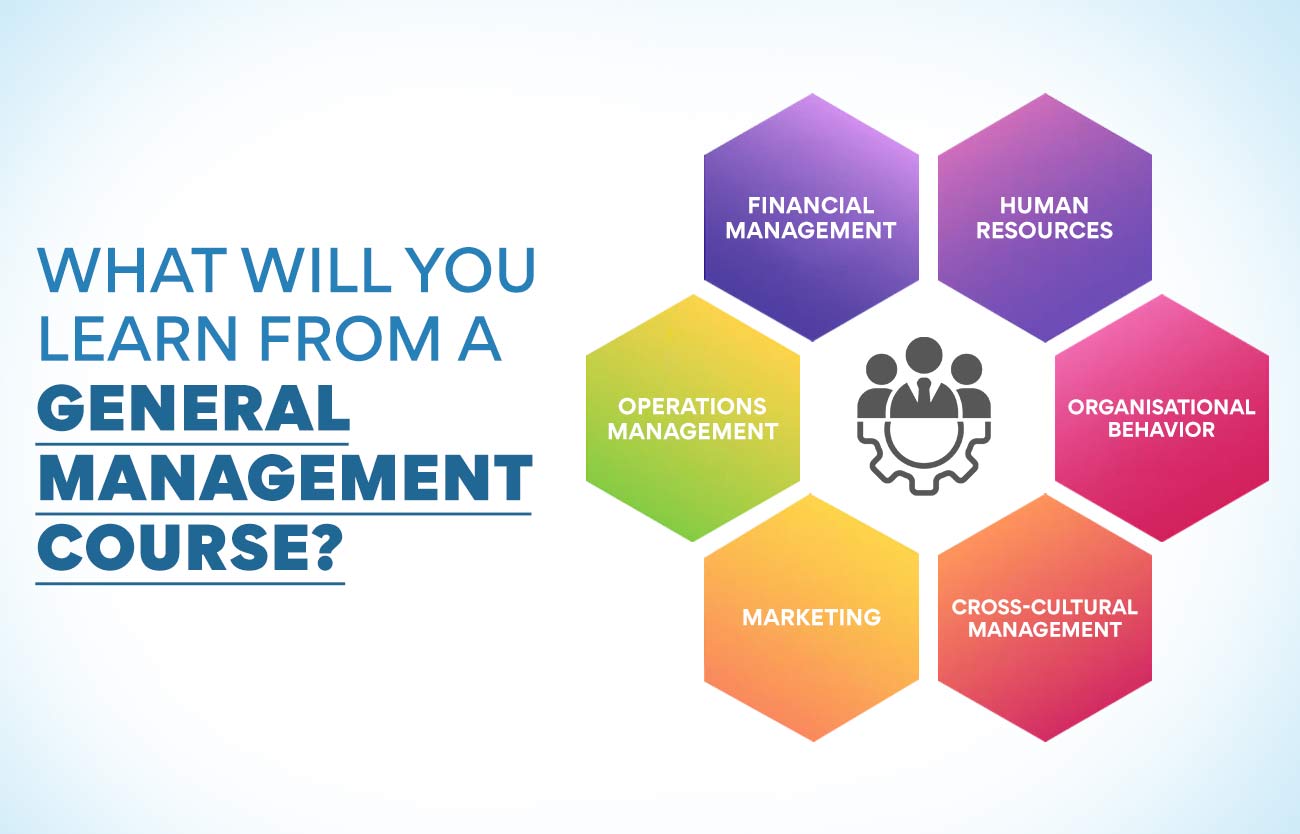
Strategic thinking was another area where I felt I’d been fumbling in the dark. My focus had always been on the immediate, the urgent. The management course pulled me back, forcing me to look at the bigger picture. We learned frameworks for analyzing market trends, understanding competitive landscapes, and setting long-term objectives that aligned with the organization’s mission. It wasn’t just about solving problems as they arose; it was about anticipating them, planning for contingencies, and proactively seeking opportunities. This shift in perspective was liberating. Instead of feeling reactive, I began to feel more in control, capable of contributing to higher-level discussions and understanding how my team’s work fit into the grand scheme of things. This comprehensive view helped me make better decisions, not just for my team, but with a broader organizational impact in mind.
Project management, a constant source of stress for me, became less daunting. The course broke down complex projects into manageable phases, teaching us about setting clear objectives, defining scope, allocating resources effectively, and mitigating risks. We learned about various methodologies, from traditional waterfall to agile approaches, understanding when and how to apply each. Suddenly, those overwhelming project plans started to look less like insurmountable mountains and more like a series of well-defined steps. I began to manage timelines with greater precision, communicate progress more clearly to stakeholders, and address roadblocks with a structured approach rather than frantic improvisation. This organizational skill was transformative, helping me to bring projects to successful completion more consistently.
One of the most valuable aspects was the emphasis on decision making. In the past, I’d often procrastinated on tough decisions, fearing making the wrong call. The course provided me with tools to approach decisions systematically: gathering relevant information, analyzing options, evaluating potential risks and rewards, and understanding the impact on various stakeholders. We even explored cognitive biases that can cloud judgment, learning to recognize and mitigate them. This analytical approach instilled a newfound confidence in my ability to make sound choices, even under pressure. It taught me that a good decision isn’t always about being right every single time, but about having a defensible process and learning from the outcomes.
Beyond the formal lessons, the discussions with my classmates were incredibly enriching. Hearing their challenges, their successes, and their unique perspectives on common management dilemmas broadened my understanding immensely. We worked on case studies together, dissecting real-world business problems and collaborating on solutions. This peer learning environment was invaluable, providing a safe space to test ideas, debate strategies, and receive constructive feedback. It truly highlighted that management is not a solitary endeavor but a collaborative journey.
As the weeks turned into months, I could feel a tangible shift within myself. I walked taller, spoke with greater conviction, and approached challenges with a newfound sense of calm. At work, these changes didn’t go unnoticed. My supervisor commented on my improved ability to lead meetings, my strategic insights, and how effectively my team was performing. I was given more responsibility, entrusted with larger projects, and eventually, offered a promotion to a more senior management role. This wasn’t just about a new title; it was about the recognition of my enhanced capabilities, my ability to drive results, and my growth as a leader.
The management course didn’t just teach me how to manage tasks; it taught me how to manage people, how to manage myself, and how to manage the future. It transformed my understanding of what it means to be an effective manager, moving beyond mere supervision to true leadership. I learned that leadership is about more than just authority; it’s about influence, empathy, and the continuous pursuit of excellence. It’s about empowering others, fostering a culture of innovation, and navigating complexities with resilience.
For anyone feeling that familiar tug of ambition coupled with a dash of uncertainty, anyone who sees the potential for growth in themselves but isn’t quite sure how to unlock it, I wholeheartedly recommend considering a management course. Whether you’re an aspiring leader, a new manager grappling with increased responsibilities, or even an experienced professional looking to refresh your skills and gain new perspectives, the benefits are profound. It’s an investment in yourself, your career, and your future. It provides the tools for effective team management, strategic planning, and navigating the intricate world of business. You’ll gain invaluable insights into decision-making, problem-solving, and cultivating strong communication skills that extend far beyond the office walls.
My journey through the management course wasn’t just about acquiring a certificate; it was about a fundamental transformation. It helped me overcome my professional anxieties, equipped me with practical skills, and, most importantly, instilled in me the confidence to lead with purpose and conviction. It wasn’t just about learning to manage, but about truly unlocking the manager within me, the one who was always there, just waiting for the right guidance to shine. It truly set me on a path for professional development and continuous growth, ensuring I have the business acumen and leadership skills to make a real impact. And that, I’ve come to realize, is an invaluable return on investment.