
For years, the world of investing felt like a language spoken on a distant planet, a complex code guarded by suited figures on television screens and whispered about in hushed, knowing tones by people who seemed to possess some secret knowledge I could never hope to attain. My personal finance strategy, if you could even call it that, consisted primarily of saving diligently in a basic bank account, watching my money slowly, almost imperceptibly, erode against the relentless tide of inflation. The idea of putting my hard-earned cash into something as volatile and mysterious as the stock market filled me with a primal fear, a gut-wrenching dread of losing everything. Yet, a quiet, persistent voice in the back of my mind kept asking, "Isn’t there a better way? Aren’t you missing out?"
That nagging question grew louder with each passing year, especially as friends and colleagues started casually mentioning their portfolios, their retirement accounts, and even, occasionally, a successful trade. I’d nod along, feigning understanding, while inside, my head was spinning. Dividends? Capital gains? Bull markets? Bear markets? It all sounded like an elaborate game I was destined to lose. I knew I needed to learn, but where to even begin? The internet offered a chaotic deluge of information – conflicting advice, get-rich-quick schemes, and overly technical analyses that left me more confused than enlightened. It was overwhelming, paralyzing even. I realized then that what I needed wasn’t just information, but structure, guidance, and a roadmap from someone who genuinely understood how to navigate these financial waters. That’s when the idea of an investment course first truly took root.
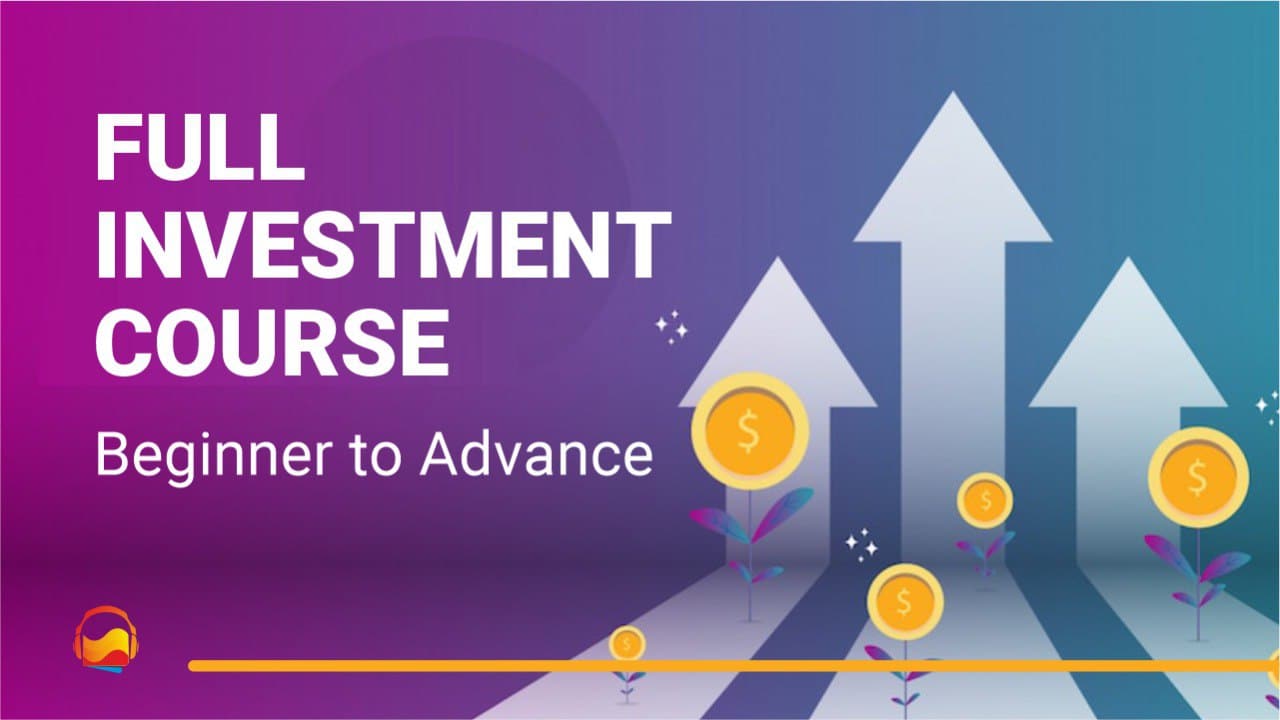
It wasn’t a snap decision. I procrastinated for months, scrolling through various online programs and local workshops, each one promising to transform me into a savvy investor. The fear of making the wrong choice, of wasting money on something ineffective, was almost as strong as my fear of investing itself. But eventually, the desire for financial empowerment outweighed the apprehension. I chose a course that emphasized practical application and was specifically designed for beginners, promising to demystify the market without resorting to jargon-heavy lectures. Signing up felt like stepping onto the edge of a diving board, staring down at unknown depths. I took a deep breath and plunged in.
From the very first session, my perception began to shift. The instructor, a warm and approachable individual named Sarah, immediately put my anxieties at ease. She started not with complex charts or dizzying formulas, but with the fundamentals of why investing matters. She spoke about inflation, compounding, and the power of long-term growth in a way that resonated deeply. It wasn’t about getting rich overnight, she explained, but about building sustainable wealth over time, about making your money work for you, rather than you constantly working for your money. This simple reframing was revolutionary for me. It transformed investing from a risky gamble into a strategic tool for securing my future.
The course was structured beautifully, peeling back the layers of the investment world one by one, like an onion, but without the tears. We started with the absolute basics: understanding different asset classes. Sarah patiently explained what stocks are – tiny pieces of ownership in a company – and how their value can fluctuate based on company performance, industry trends, and broader economic conditions. She contrasted this with bonds, which she described as loans you give to governments or corporations, offering more stability and predictable returns. Then came the introduction to mutual funds and exchange-traded funds (ETFs), which she brilliantly simplified as "baskets of investments." Instead of trying to pick individual winning stocks, these funds allowed us to instantly diversify across many companies or even entire markets, significantly reducing risk. This concept of diversification, of not putting all your eggs in one basket, became a recurring theme and a cornerstone of sound investing principles. It was a revelation, a practical shield against the terrifying prospect of losing everything.
We delved into the nitty-gritty of how to actually buy and sell these assets, exploring different brokerage platforms and understanding their fees. This hands-on guidance was invaluable. Before the course, the mere thought of opening a brokerage account felt like navigating a labyrinth blindfolded. Sarah walked us through the process step-by-step, showing us how to place orders, read account statements, and understand the various metrics displayed on a stock’s profile. We even practiced with simulated trading accounts, which allowed us to experiment with different strategies without any real financial risk. This practical experience was crucial; it bridged the gap between theoretical knowledge and real-world application, building my confidence with each simulated trade.
One of the most eye-opening modules was dedicated to risk management. This was where my initial fears were directly addressed and systematically dismantled. Sarah didn’t shy away from discussing the inherent risks of investing, but she armed us with strategies to mitigate them. We learned about setting stop-loss orders, asset allocation based on our personal risk tolerance and time horizon, and the importance of rebalancing our portfolios periodically. She emphasized that risk isn’t something to be avoided entirely, but rather understood, measured, and managed. It was a powerful lesson: rather than being a victim of market fluctuations, I could be an active participant in shaping my financial destiny.
The course also touched upon various investment strategies, from value investing, where you look for undervalued companies, to growth investing, focusing on companies with high growth potential. We explored the basics of fundamental analysis – looking at a company’s financial health, management team, and competitive landscape – and a simplified introduction to technical analysis, which involves studying price charts and patterns. While I knew I wouldn’t become a day trader overnight, understanding these different approaches gave me a broader perspective and helped me identify a strategy that felt comfortable and sustainable for my long-term goals. I gravitated towards a more patient, long-term approach, focusing on consistently investing in diversified funds.
Beyond traditional investments, the course also provided an overview of other avenues, like real estate investment trusts (REITs), which allow you to invest in property without directly owning physical buildings, and even a balanced discussion on emerging assets like cryptocurrencies. Sarah presented these topics with a healthy dose of realism, highlighting both their potential and their significant risks, encouraging a cautious, well-researched approach rather than speculative gambling. It wasn’t about pushing us into any specific investment, but about equipping us with the knowledge to make informed decisions for ourselves.
Perhaps the most impactful part of the course wasn’t just the facts and figures, but the shift in mindset it fostered. Sarah consistently stressed the importance of financial literacy as an ongoing journey, not a destination. She taught us about market psychology, the common biases that can lead investors astray, and the importance of emotional discipline during periods of market volatility. The media often sensationalizes market downturns, fueling panic, but Sarah taught us to view these moments as potential opportunities for long-term investors, provided we had a sound strategy and the fortitude to stick to it. This psychological resilience, the ability to remain calm and rational when others are panicking, felt like an invaluable superpower.
The interactive nature of the course was also a huge benefit. We worked through case studies, analyzed real-world scenarios, and participated in lively Q&A sessions. I wasn’t just passively absorbing information; I was actively engaging with it, asking questions I had once been too intimidated to voice. The small group setting fostered a sense of community, and I found myself connecting with fellow beginners who shared similar anxieties and aspirations. We learned from each other’s questions and insights, making the entire experience feel less daunting and more collaborative.
By the end of the course, I felt like a completely different person. The impenetrable fog surrounding the investment world had lifted, replaced by a clear, navigable path. I understood the terminology, the mechanisms, and most importantly, the principles that guide successful long-term investing. My fear had been replaced by a quiet confidence, not in my ability to predict the market, but in my ability to understand it, manage my risks, and make informed decisions.
I immediately put my new knowledge into practice. I opened a brokerage account, carefully chose a selection of diversified ETFs and mutual funds based on my risk tolerance and goals, and set up automatic contributions. It wasn’t thrilling, high-stakes trading, but a disciplined, consistent approach that felt right for me. Watching my small investments grow, even modestly at first, was incredibly empowering. I started regularly reviewing my portfolio, rebalancing when necessary, and staying updated on financial news, but now with a critical, informed eye rather than a bewildered stare.
Taking that investment course was one of the best decisions I’ve ever made for my financial well-being. It wasn’t just about learning how to invest; it was about investing in myself, in my future, and in my peace of mind. It demystified a world that once seemed exclusive and terrifying, transforming it into an accessible realm where I, too, could participate and build wealth. If you, like the old me, are standing on the sidelines, feeling overwhelmed by the complexities of money management and the stock market, I wholeheartedly encourage you to take that leap. Find a reputable investment course, one that speaks to beginners, and embark on your own adventure. It’s an investment that pays dividends far beyond just monetary returns; it pays in knowledge, confidence, and the profound sense of control over your financial destiny. The market’s secrets are not meant to be kept; they are meant to be understood, and with the right guidance, anyone can unlock them.