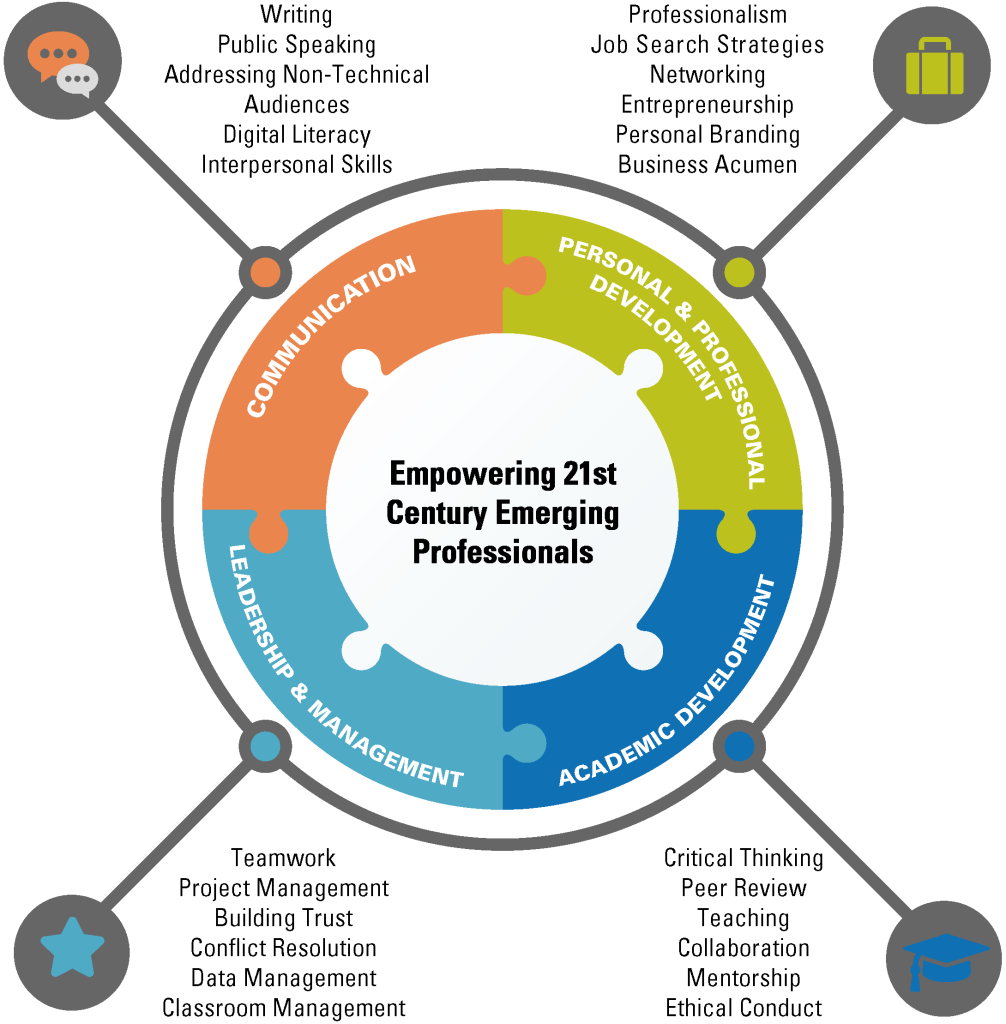

Imagine standing at a crossroads in your career. Perhaps you’re feeling a bit stagnant, your skills, once sharp, now feel a little dull against the gleaming edge of new technologies. Maybe you see colleagues soaring past you, or perhaps you simply yearn for more – more challenge, more responsibility, more fulfillment. This feeling, this whisper of ambition or the quiet hum of dissatisfaction, is often the very spark that ignites a transformational journey: the path of professional development.
It’s not just about getting a raise or a promotion, though those are wonderful outcomes. It’s about becoming a better version of yourself, not just for your employer, but for you. It’s about building a robust toolkit of abilities that makes you indispensable, confident, and ready for whatever the future throws your way. This isn’t just an article; it’s an invitation to explore how professional development programs can rewrite your career story, making it richer, more exciting, and profoundly rewarding.
What Exactly Are Professional Development Programs? More Than Just Training
At its core, a professional development program (PDP) is a structured learning experience designed to enhance an individual’s skills, knowledge, and abilities within their chosen field or profession. Think of it as an investment in yourself, an intentional effort to grow beyond your current capabilities. These aren’t just one-off seminars; they are often comprehensive pathways, tailored to equip you for current demands and future challenges.
For many, the term "training" might come to mind, but PDPs are broader. While training often focuses on teaching specific tasks or tools, professional development aims for a deeper, more holistic transformation. It delves into critical thinking, problem-solving, strategic foresight, and personal effectiveness, preparing you for complex roles and leadership opportunities. Whether you’re an entry-level professional looking to establish foundational expertise or a seasoned executive aiming for strategic leadership development, there’s a program designed for your unique needs.
Why Are Professional Development Programs So Crucial in Today’s World?
The landscape of work is changing at a dizzying pace. What was cutting-edge yesterday might be obsolete tomorrow. The rise of artificial intelligence, automation, and global interconnectedness means that continuous learning isn’t just a nice-to-have; it’s a must-have for survival and success.
- Staying Relevant in a Dynamic Market: Industries evolve, technologies emerge, and best practices shift. Without dedicated effort to update your skillset, you risk falling behind. Professional development programs are your shield against obsolescence, ensuring your skills remain sharp and desirable.
- Career Advancement and Promotion: Want to climb the corporate ladder? Often, the next rung requires a new set of skills – perhaps leadership acumen, advanced technical proficiency, or strategic thinking. Investing in programs like leadership development programs or management training can directly pave the way for promotions.
- Increased Job Satisfaction and Engagement: When you’re learning and growing, you feel more engaged with your work. The challenge of acquiring new skills, the satisfaction of mastering a difficult concept, and the confidence that comes with expanded capabilities all contribute to a more fulfilling professional life.
- Boosting Confidence and Personal Growth: Stepping out of your comfort zone to learn something new builds immense confidence. It’s not just about professional growth opportunities; it’s about personal development plans that empower you to tackle new challenges, both inside and outside of work.
- Networking Opportunities: Many professional development programs bring together like-minded individuals from various organizations and backgrounds. This creates invaluable networking opportunities, allowing you to connect with peers, mentors, and potential future collaborators or employers.
The Tapestry of Learning: Different Types of Professional Development Programs
Just as there are countless career paths, there are diverse forms of professional development programs. The key is finding the one that aligns best with your learning style, career goals, and available resources.
- Online Professional Development Courses: The digital age has democratized learning. Platforms like Coursera, edX, and LinkedIn Learning offer thousands of online courses, ranging from short modules on specific software to comprehensive specializations in fields like data science or digital marketing. They offer flexibility, allowing you to learn at your own pace from anywhere.
- Skill Enhancement Workshops: These are often shorter, intensive sessions focused on practical application of a particular skill. Think of a workshop on effective communication training, public speaking, or advanced Excel techniques. They’re great for quickly acquiring or refining a specific capability.
- Certification Programs: For many professions, certifications are the gold standard, validating your expertise in a specific area. Project management certification (like PMP), IT certifications (e.g., AWS, Cisco), or financial certifications are excellent examples. These often require rigorous study and examinations but yield significant career benefits.
- Leadership Development Programs & Executive Coaching: Designed for current or aspiring leaders, these programs focus on cultivating critical leadership qualities – decision-making, team building, conflict resolution, and strategic thinking. Executive coaching offers personalized, one-on-one guidance, helping leaders navigate complex challenges and maximize their potential.
- Corporate Training Solutions & Employee Training Programs: Many forward-thinking organizations invest heavily in their workforce through internal training initiatives. These can range from onboarding programs to specialized corporate training solutions aimed at upskilling or reskilling employees for new roles or technologies.
- Mentorship Programs: While not always a formal "program" in the traditional sense, a structured mentorship relationship is an incredibly powerful form of professional development. Learning from an experienced professional who guides you, shares insights, and offers advice can accelerate your growth exponentially.
- Conferences and Seminars: Attending industry conferences is a fantastic way to stay abreast of the latest trends, hear from thought leaders, and network with peers. While shorter in duration, the concentrated learning and exposure can be highly impactful.
- Higher Education (Degrees & Advanced Diplomas): For some, professional development means returning to academia for a master’s degree, a specialized diploma, or even a doctorate. This commitment offers deep theoretical knowledge and opens doors to research, academia, or highly specialized roles.
The Transformative Benefits: Digging Deeper
Let’s unpack some of the profound advantages that await those who embark on a professional development journey.
1. Skill Acquisition, Upskilling, and Reskilling:
The most obvious benefit. Whether it’s mastering a new software, learning a foreign language for business, or diving into complex data analytics, professional development courses directly expand your skillset.
- Upskilling: This means enhancing your existing skills to perform better in your current role or prepare for a more advanced version of it. For example, a marketer learning advanced SEO techniques or a software engineer delving into a new programming language.
- Reskilling: This is more transformative, involving learning an entirely new set of skills to transition into a different role or even a new industry. Think of a retail manager learning coding to become a web developer, or an administrative assistant transitioning to a data analyst role. Workforce development initiatives often focus on reskilling to address talent gaps.
2. Career Advancement and Promotion:
Imagine applying for that dream promotion. When your resume showcases not just your experience but also recent certifications, completed leadership development programs, or specialized business skills training, you instantly stand out. Employers value individuals who are proactive in their growth, seeing it as a sign of dedication and potential. Many organizations look for candidates who have actively pursued continuous learning programs when considering them for higher-level positions.
3. Networking Opportunities:
Picture yourself in a workshop, discussing a challenging case study with peers from different companies. You’re not just learning; you’re building connections. These relationships can lead to future job opportunities, collaborative projects, mentorship, or simply a valuable support network. These connections are often as vital as the skills you acquire.
4. Increased Job Satisfaction and Engagement:
Monotony can be a career killer. When you’re constantly learning and challenging yourself, work feels fresh and exciting. The ability to apply new knowledge, solve problems more effectively, and contribute more meaningfully leads to a profound sense of accomplishment and increased engagement. This directly contributes to a positive work environment and higher morale, both for you and your team.
5. Staying Competitive in a Dynamic Market:
The job market is a race, and you need to keep running. Industries are constantly disrupted, and those who adapt fastest thrive. Professional development ensures you’re not just keeping pace but potentially leading the charge. It equips you with the tools to navigate change, embrace innovation, and remain a valuable asset in any economic climate. This includes having a deeper understanding of strategic leadership development, which is increasingly vital for navigating complex global markets.
6. Personal Growth and Confidence:
Beyond the tangible career benefits, professional development profoundly impacts you as an individual. Successfully completing a challenging program, mastering a new skill, or leading a complex project after undergoing management training, builds immense self-confidence. You become more resilient, adaptable, and equipped to handle not just professional hurdles but life’s challenges too. This journey is about nurturing a growth mindset, which is a powerful asset in all areas of life.
Choosing Your Path: Finding the Right Professional Development Program
With so many options, how do you pick the right one? This isn’t a one-size-fits-all decision; it requires thoughtful self-assessment and research.
-
Assess Your Needs and Goals:
- Where are you now? What are your current strengths and weaknesses?
- Where do you want to be? What are your short-term and long-term career aspirations? Do you want a promotion, a career change, or just to improve in your current role?
- What skills are missing? Identify the gaps between your current skillset and the skills required for your desired future. Perhaps you need to bolster your project management certification or enhance your public speaking abilities.
- What truly excites you? Learning is most effective when you’re genuinely interested.
-
Research Programs Thoroughly:
- Content and Curriculum: Does the program cover the specific topics you need? Is the curriculum up-to-date and relevant?
- Instructors/Facilitators: What is their expertise and reputation? Are they industry leaders or experienced practitioners?
- Accreditation and Reputation: For certification programs or academic courses, is the institution or certification body reputable and recognized in your industry? Look for reviews and testimonials.
- Learning Format: Do you prefer online professional development, in-person workshops, or a blended approach? Consider your schedule and learning style.
- Peer Group: Who else typically enrolls in this program? Will you be learning alongside individuals who can enrich your experience and expand your network?
-
Consider Time and Financial Investment:
- Time Commitment: Can you realistically dedicate the required hours to study, attend sessions, and complete assignments without burning out?
- Cost: Professional development programs vary widely in price. Factor in tuition, materials, travel, and any lost income if you’re taking time off work.
- Return on Investment (ROI): Will the benefits (increased salary, promotion, new job opportunities, personal satisfaction) outweigh the costs? Sometimes, a slightly more expensive program from a reputable provider yields a much higher ROI. Look into employer-sponsored programs or tuition reimbursement policies.
Making the Learning Stick: Implementing Your New Skills
Completing a program is only half the battle. The real magic happens when you apply what you’ve learned.
- Practice, Practice, Practice: Actively seek opportunities to use your new skills in your current role or through volunteer work. Don’t wait for the perfect moment; create it.
- Share Your Knowledge: Teach others what you’ve learned. Explaining concepts to someone else solidifies your own understanding and can establish you as an internal expert.
- Seek Feedback: Ask colleagues, mentors, or supervisors for constructive criticism on how you’re applying your new skills. This iterative process is crucial for refinement.
- Continuous Learning Mindset: View professional development not as a destination, but as an ongoing journey. The most successful professionals are those who are lifelong learners, always curious, always seeking to improve.
Measuring Success: What Does a Transformed Career Look Like?
How do you know if your investment in professional development has paid off?
- Tangible Outcomes: Did you get that promotion? Did your salary increase? Did you land a new, more fulfilling role? Did your team’s performance improve because of your enhanced leadership?
- Intangible Benefits: Do you feel more confident, engaged, and satisfied in your work? Are you solving problems more effectively? Are you viewed as a go-to expert in your field? Has your professional network expanded significantly?
- Organizational Impact: For companies investing in corporate training solutions and employee training programs, success is measured by improved productivity, reduced turnover, enhanced innovation, and stronger team dynamics.
The Future is Now: Trends in Professional Development
The world of work is ever-evolving, and so too are professional development programs. We’re seeing:
- Microlearning: Short, bite-sized modules designed for quick consumption, perfect for busy professionals.
- Personalized Learning Paths: AI-driven platforms that recommend courses and programs based on individual skill gaps and career goals.
- Virtual Reality (VR) and Augmented Reality (AR) Training: Immersive experiences for hands-on skill development in safe, simulated environments.
- Emphasis on Soft Skills: While technical skills remain vital, there’s a growing recognition of the importance of "human skills" like emotional intelligence, adaptability, creativity, and effective communication training.
- Integrated Learning Ecosystems: Companies are creating comprehensive platforms that combine formal courses, informal learning, mentorship, and performance management.
Your Journey Awaits
The concept of professional development programs isn’t just about ticking boxes on a resume; it’s about charting a course for continuous growth and impact. It’s about understanding that your potential is limitless, and with the right tools and commitment, you can unlock incredible opportunities. Whether you aspire to be a strategic leader, a technical wizard, or a compassionate manager, the path to becoming that person is paved with learning.
So, take a moment. Reflect on where you are and where you want to be. The resources are abundant, the opportunities are endless, and the benefits are profound. Don’t let stagnation define your career story. Instead, embrace the journey of professional development and write your next chapter as a story of continuous growth, remarkable achievement, and unwavering fulfillment. Your future self will thank you for taking that crucial first step today.