
Imagine this: The phone rings, or a chat window pops open. On the other end is someone frustrated, maybe even angry. Their voice is rising, their words are sharp, and you feel a knot tightening in your stomach. You want to help, you really do, but finding the right words, keeping your cool, and actually solving their problem feels like navigating a minefield. You wish you had a roadmap, a secret guide to turn that difficult moment into a positive experience, not just for the customer, but for you too.
That feeling of wanting to do better, to handle those tough situations with grace and confidence, is incredibly common. It’s the spark that leads many people, from new hires to seasoned professionals and even business owners, to consider investing in a Customer Service Course. This isn’t just about learning scripts; it’s about building a powerful set of skills that changes how you interact with people, solves real problems, and genuinely makes a difference in your career and for any business you work with.
The Unspoken Challenges of Helping People
Why do we sometimes struggle with helping others, especially when they’re upset? It’s not because we don’t care. Often, it’s because customer service, at its heart, is a deeply human interaction, and humans are complex. We deal with:
- Misunderstandings: Words can be tricky, and what one person means, another might hear differently.
- High Emotions: Customers come to us often when something has gone wrong. They might be stressed, disappointed, or simply in a hurry. Their emotions can easily spill over.
- Lack of Tools: Sometimes, you just don’t know the best way to explain something or calm a situation down. You feel unprepared.
- Burnout: Constantly dealing with challenges without proper strategies can wear anyone down, making it harder to stay patient and helpful.
These challenges aren’t signs of weakness; they’re simply part of the job. But what if you could turn those challenges into opportunities? What if you could learn to disarm tension, clarify confusion, and leave every customer feeling heard and valued? That’s the promise of a well-designed Customer Service Course.
What Exactly is a Customer Service Course? Your Skill-Building Blueprint
At its core, a Customer Service Course is a structured program designed to teach you the practical skills and mindset needed to provide outstanding support and build strong customer relationships. It’s far more than just "being nice." It’s about strategy, communication, psychology, and problem-solving, all rolled into one.
Think of it as a toolkit. Instead of fumbling around, trying to fix a complex problem with the wrong tools, a course gives you exactly what you need, along with instructions on how to use them effectively. These courses come in many forms – from a quick online customer service course you can take from home, to in-depth customer service certification programs that signal your expertise to the world.
Who Benefits from This Kind of Training? Everyone!
You might think customer service training is only for call center agents. Not true! While call center customer service training is definitely a specialized area, the principles taught in these courses are universal.
- The Newbie: Just starting out? A course gives you a solid foundation, making you confident from day one.
- The Experienced Pro: Even if you’ve been in the game for years, there’s always something new to learn. Refresh your skills, discover new techniques, and stay sharp.
- Small Business Owners: Wearing many hats? Your customer service is your brand. A customer service course for small business owners can directly impact your bottom line.
- Team Leaders and Managers: You need to not only provide great service yourself but also guide your team. Customer Service Management Training helps you lead by example and coach effectively.
- Anyone in a Client-Facing Role: From sales to tech support, hospitality to healthcare, if you interact with customers, these skills are gold.
- Individuals Seeking Career Advancement: Looking to move up? Strong customer service skills are a key differentiator and a path to professional development customer service.
What You’ll Actually Learn: Beyond the Basics
A quality Customer Service Course dives deep into several key areas, equipping you with practical abilities you can use immediately. Let’s break down some of the most important modules you’ll encounter:
-
Communication Mastery: The Art of Truly Connecting
- Active Listening: This is more than just hearing words. It’s about truly understanding the customer’s perspective, their underlying needs, and even their unspoken emotions. You’ll learn techniques like paraphrasing and asking clarifying questions to show you’re engaged.
- Clear and Concise Speaking: How do you explain complex information simply? How do you project confidence and empathy through your voice? This section focuses on vocal tone, pace, and choosing the right words to avoid confusion.
- Written Communication Skills: In today’s world, a lot of service happens via email, chat, and social media. You’ll learn to write professional, friendly, and effective messages that solve problems and build rapport, even without face-to-face interaction. This is critical for remote customer service training.
-
Problem-Solving Power: Turning Frustration into Solutions
- De-escalation Techniques: When a customer is upset, you need a plan. Courses teach you how to calm tense situations, validate feelings, and guide the conversation towards a resolution.
- Root Cause Analysis: It’s not enough to fix the immediate problem; a great course teaches you how to identify why the problem happened, preventing future issues.
- Thinking on Your Feet: Real-world scenarios are never textbook. You’ll practice applying learned principles to unexpected situations, building your confidence to handle anything.
-
Empathy and Emotional Intelligence: Understanding the Human Element
- Stepping into Their Shoes: This module helps you develop empathy, the ability to understand and share the feelings of another. It’s crucial for building trust and rapport.
- Managing Your Own Emotions: Customer service can be emotionally demanding. You’ll learn strategies to stay calm, professional, and positive, even when faced with negativity. This is vital for preventing burnout and maintaining a healthy work environment.
-
Product Knowledge: The Foundation of Trust
- You can’t help effectively if you don’t know your stuff. A good course emphasizes the importance of understanding your product or service inside and out. It’s not just about memorizing facts, but knowing how to explain features and benefits in a way that truly helps the customer.
-
Technology in Service: Tools for Efficiency
- Today’s customer service often involves CRM (Customer Relationship Management) systems, helpdesk software, and various digital communication platforms. Courses often touch upon how to effectively use these tools to track interactions, manage cases, and provide seamless support.
-
Handling Difficult Customers: Strategies for Success
- This is often a favorite module! You’ll get specific techniques for dealing with angry, confused, or overly demanding customers. It’s about setting boundaries respectfully, managing expectations, and finding common ground to reach a resolution.
-
Building Loyalty and Relationships: Beyond the Transaction
- Exceptional service isn’t just about fixing problems; it’s about creating advocates. You’ll learn how to go the extra mile, personalize interactions, and foster loyalty that keeps customers coming back and recommending your business. This is where Customer Experience Training (or CX Training) really shines, focusing on the entire journey.
-
Teamwork and Collaboration: A Unified Front
- No one works in a vacuum. A Customer Service Course often highlights the importance of internal communication, working with colleagues, and passing on information clearly to ensure a consistent customer experience.
-
Self-Care for Service Professionals: Staying Strong
- Providing great service can be draining. A good program will often include advice on managing stress, setting boundaries, and maintaining your own well-being, so you can continue to offer your best.
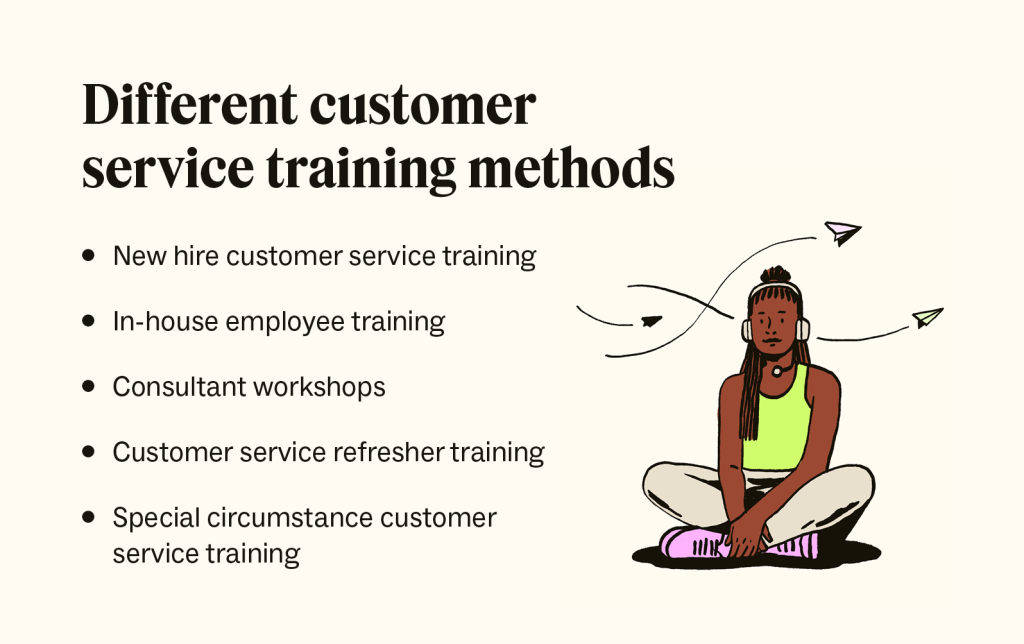
Choosing Your Path: Different Kinds of Customer Service Courses
The world of customer service training is vast, offering options for every need and budget.
-
Online Customer Service Course: These are incredibly popular for their flexibility. You can learn at your own pace, often from anywhere with an internet connection. Many offer interactive customer service course modules with quizzes and practical exercises. This is a great choice if you have a busy schedule or prefer self-directed learning.
-
Customer Service Certification Programs: For those serious about formal recognition, a customer service certification proves you’ve met a certain standard of knowledge and skill. It can significantly boost your resume and career prospects, showing potential employers you’re a certified customer service professional.
-
In-Person Workshops and Seminars: These offer direct interaction with instructors and other participants, allowing for role-playing, group discussions, and immediate feedback. They are great for hands-on learners and building professional networks.
-
Specialized Training:
- Call Center Customer Service Training: Focuses on phone etiquette, handling high call volumes, specific software use, and managing stress in a fast-paced environment.
- Customer Service Course for Small Business Owners: Often covers how to build a service culture from scratch, manage customer feedback with limited resources, and use service as a competitive advantage.
- Customer Experience (CX) Training: Takes a broader view, looking at every touchpoint a customer has with a brand, not just direct support interactions, to create a seamless and delightful overall experience.
- Customer Service Management Training: For those in leadership roles, focusing on team motivation, performance metrics, coaching, and strategic service planning.
-
"Best Customer Service Training" – What Makes It So? When you search for the best customer service course, look for programs that offer:
- Practical, actionable advice: Not just theory, but techniques you can use tomorrow.
- Experienced instructors: People who have been there, done that, and can share real-world insights.
- Relevant content: Does it cover the challenges you face in your specific industry?
- Flexibility: Does it fit your learning style and schedule?
- Reputation: What do other learners say about it?
-
Free Customer Service Training: Yes, these exist! While often less comprehensive than paid programs, they can be a great starting point to learn basic customer service skills training or get a feel for the subject. Many platforms like YouTube, LinkedIn Learning (with trials), or specific company blogs offer valuable insights. Just remember, "free" often means less personalized instruction or official certification.
The Real-World Impact: Why This Investment Pays Off
Taking a Customer Service Course isn’t just about ticking a box. It’s an investment with tangible returns, both for individuals and for businesses.
For Your Career and Personal Growth:
- Increased Confidence: You’ll walk into challenging situations knowing you have the tools to handle them. That alone is priceless.
- Career Advancement: Strong customer service skills are consistently ranked among the most desired traits by employers. They open doors to promotions, new roles, and higher earning potential. It’s a key part of upskill customer service efforts.
- Job Satisfaction: When you’re good at your job, you enjoy it more. Reducing stress from difficult interactions makes your workday smoother and more rewarding.
- Better Communication in All Areas of Life: The skills learned, like active listening and empathy, translate directly into improved personal relationships with friends and family.
- Problem-Solving Prowess: You’ll become a better problem-solver, not just at work, but in everyday life.
For Businesses and Bottom Lines:
- Customer Loyalty and Retention: Happy customers stick around. They become repeat buyers and advocates for your brand. This is the core of good customer service best practices.
- Improved Brand Reputation: In the age of social media, one bad interaction can spread like wildfire. Excellent service, however, builds a stellar reputation that attracts new business.
- Increased Sales: Loyal customers spend more. They also refer others, essentially doing your marketing for you.
- Reduced Customer Churn: People leave businesses not just because of product issues, but often because of poor service. Better service means fewer lost customers.
- Higher Employee Morale: When employees feel equipped and supported, they’re happier and more productive. They also experience less stress and burnout.
- Positive Work Environment: A team trained in effective customer service training works together more smoothly, resolving issues collaboratively rather than letting them fester.
Finding Your Perfect Course: What to Look For
With so many options, how do you pick the right Customer Service Course for you?
- Define Your Goals: Are you looking for a basic introduction, specialized call center customer service training, or a full customer service certification? Do you need customer service management training?
- Consider Your Learning Style: Do you prefer self-paced online customer service course options, or do you thrive in live workshops?
- Check the Curriculum: Does the course cover the specific skills you want to develop? Look for modules on customer service communication skills, problem-solving customer service, and handling difficult situations.
- Instructor Expertise: Who is teaching the course? Do they have real-world experience?
- Reviews and Testimonials: What do past students say about the course and its effectiveness?
- Practical Application: Does the course offer exercises, role-playing, or case studies that allow you to practice the skills? An interactive customer service course is often more effective.
- Cost and Time Commitment: Does it fit your budget and schedule? Remember, sometimes a small investment upfront can lead to significant gains down the road.
- Certification and Recognition: If formal recognition is important for your career advancement customer service, ensure the course offers a reputable certification.
Beyond the Course: A Lifelong Journey of Service
Completing a Customer Service Course is a huge step, but remember that providing exceptional service is a continuous journey. The world changes, customer expectations evolve, and new technologies emerge. The best professionals continue to learn, adapt, and refine their skills.
Apply what you learn every single day. Seek feedback. Reflect on your interactions. Read articles and books on customer service best practices. Attend customer service workshops or webinars. The foundation you build with a quality course will serve you well, but your dedication to ongoing improvement will truly set you apart.
Ready to Make a Difference?
That initial feeling of dread when a tough customer interaction looms can be replaced by confidence, skill, and genuine enjoyment in helping others. A Customer Service Course isn’t just about fixing problems; it’s about building bridges, fostering relationships, and becoming an invaluable asset in any role. Whether you’re aiming for professional development customer service, looking to upskill customer service for your team, or simply want to feel more capable in your daily interactions, the right training can truly transform your approach. Take that step. Invest in yourself. And watch as your ability to serve, connect, and succeed grows stronger than ever before.