Chasing Dreams in the Land of Hygge: Your Ultimate Guide to Denmark Scholarship Programs

The Dream of Studying in the Heart of Scandinavia
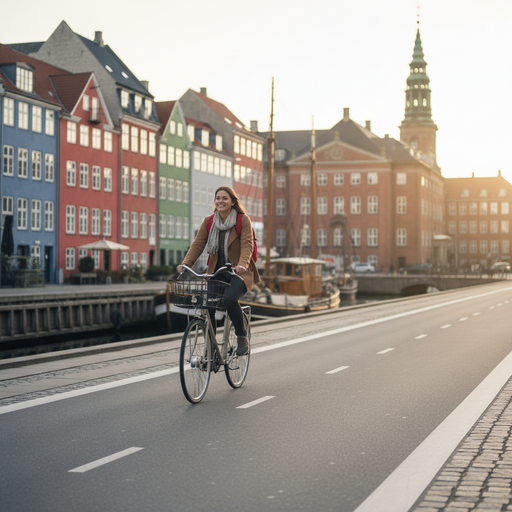
Imagine waking up to the gentle sound of bicycle bells ringing through the crisp morning air of Copenhagen. You grab your backpack, hop on your bike, and cycle past colorful 17th-century townhouses on your way to a world-class lecture. This isn’t just a scene from a movie; it is the daily reality for thousands of international students in Denmark. However, for many, the dream of studying in one of the world’s most iovative and happiest countries often feels locked behind a financial gate. The cost of living in Scandinavia is famously high, and tuition fees for non-EU students can be daunting.
But here is the secret: Denmark is looking for talent. The Danish government and its prestigious universities are deeply invested in internationalization. They want bright minds from across the globe to bring their unique perspectives to Danish classrooms. To make this happen, a variety of generous scholarship programs have been established. Whether you are aiming for a Master’s degree in Engineering or a PhD in Social Sciences, there is likely a pathway designed just for you. In this guide, we will walk through the labyrinth of Danish scholarships, turning your Scandinavian dream into an achievable plan.
The Golden Ticket: The Danish Government Scholarship
If you are a student from a non-EU/EEA country, the Danish Government Scholarship is the primary beacon of hope. Each year, the Danish Ministry of Higher Education and Science provides a limited number of scholarships to highly qualified international students. These are not just small grants; they are life-changing financial packages.
The scholarship usually consists of two parts: a full or partial tuition fee waiver and a grant to help cover your monthly living expenses. Because these scholarships are administered by the individual universities, the criteria can vary. Some institutions might prioritize specific academic fields, while others look for a well-rounded profile. The key here is excellence. These programs are highly competitive, meaning your academic record needs to shine. But don’t let that intimidate you. If you have a passion for your field and a strong transcript, you are already halfway there.
Which Universities Participate?
Almost all major Danish institutions participate in this government-funded program. This includes:
- University of Copenhagen (UCPH)
- Aarhus University (AU)
- Technical University of Denmark (DTU)
- Aalborg University (AAU)
- University of Southern Denmark (SDU)
- Copenhagen Business School (CBS)
Erasmus Mundus: A Journey Across Borders
For those who love the idea of a nomadic academic life, the Erasmus Mundus Joint Master Degrees (EMJMD) are a fantastic option. Denmark is a popular partner in many of these prestigious consortia. Under this program, you don’t just study in Denmark; you spend your degree across at least two different European countries.
The Erasmus Mundus scholarship is incredibly generous, often covering tuition fees, insurance, travel costs, and providing a significant monthly allowance. It is designed to foster international cooperation and excellence. If you are accepted into an Erasmus Mundus program that includes a Danish university, you will experience the best of both worlds: the unique Danish teaching style and the broader European academic culture.
The Fulbright Program: For the American Scholars
If you are a student from the United States, the Fulbright Commission offers specialized grants for study and research in Denmark. This program is about more than just academics; it is about cultural diplomacy. Fulbright scholars are expected to act as “cultural ambassadors,” sharing American culture with Danes and bringing Danish insights back home. These grants typically cover tuition and living costs for one academic year and are a prestigious addition to any CV.
For EU/EEA Students: The SU (State Educational Support)
If you are a citizen of an EU/EEA country or Switzerland, you generally do not pay tuition fees in Denmark. However, the cost of living—rent, food, and transport—remains a hurdle. This is where the SU (Statens Uddaelsesstøtte) comes in. While the SU is primarily for Danish citizens, international students from the EU/EEA can qualify if they work a minimum of 10-12 hours a week in Denmark.
This system essentially rewards students who contribute to the Danish economy while studying. It provides a monthly stipend that, when combined with a part-time job salary, is usually enough to live comfortably in cities like Aarhus or Odense. It’s a great way to integrate into the local workforce while keeping your finances stable.
University-Specific and Private Scholarships
Beyond government-funded initiatives, many Danish universities have their own private funds or partnerships with industrial giants. For instance, the Technical University of Denmark (DTU) often has close ties with companies like Novo Nordisk or Ørsted, which may offer project-based scholarships or research grants.
Additionally, some private foundations in Denmark, such as the Nordea Foundation or the Otto Mønsted Foundation, provide support for specific types of research or study programs. Researching these niche opportunities requires a bit of “detective work” on university websites, but the effort can pay off significantly.
The Application Process: A Story of Preparation
Applying for a scholarship in Denmark is not a last-minute task. It is a process that requires storytelling and precision. Most Danish universities integrate the scholarship application into the general admission application. This means that when you apply for your Master’s program, you often tick a box saying, “I wish to be considered for a scholarship.”
However, simply ticking a box isn’t enough. You need to craft a compelling narrative. Your Statement of Purpose (SoP) should reflect why Denmark is the right fit for you and why you are the right fit for Denmark. Danish education emphasizes critical thinking, collaboration, and problem-solving. Highlight these traits in your application. Show them that you aren’t just looking for a degree, but that you are eager to engage with the Danish way of learning.
Required Documents Checklist
- Official academic transcripts (translated into English or Danish)
- Proof of English proficiency (TOEFL or IELTS)
- A well-crafted Curriculum Vitae (CV)
- A Statement of Purpose or Motivation Letter
- Letters of Recommendation from professors or employers
- A copy of your passport
Living the Hygge Life on a Budget
Once you secure your scholarship, the real adventure begins. Denmark is famous for “Hygge”—a word that translates to a feeling of coziness, contentment, and well-being. While Denmark is expensive, being a student comes with perks. Student discounts are everywhere, from museums to cafes and public transport.
Most students in Denmark live in “Kollegiums” (dorms), which are communal living spaces that foster a great social life and keep rent manageable. Cooking at home with friends, exploring the vast network of free public parks, and utilizing the excellent library systems are all ways that international students thrive without breaking the bank. The scholarship isn’t just about paying for school; it’s about giving you the freedom to immerse yourself in this high-quality lifestyle.
Conclusion: Your Scandinavian Chapter Awaits
Securing a scholarship to study in Denmark is undeniably competitive, but it is far from impossible. It requires a blend of academic excellence, careful plaing, and a genuine passion for the unique educational environment that Denmark offers. Whether you are drawn by the world-class research facilities, the sustainable lifestyle, or the iovative teaching methods, Denmark provides a fertile ground for your future career.
Don’t let the fear of costs hold you back. Start your research early, polish your academic profile, and tell your story with conviction. The Land of Hygge is waiting to welcome its next generation of international scholars. Will you be one of them? Take that first step today, and you might find yourself cycling through the streets of Copenhagen sooner than you think.